Made ByWinery

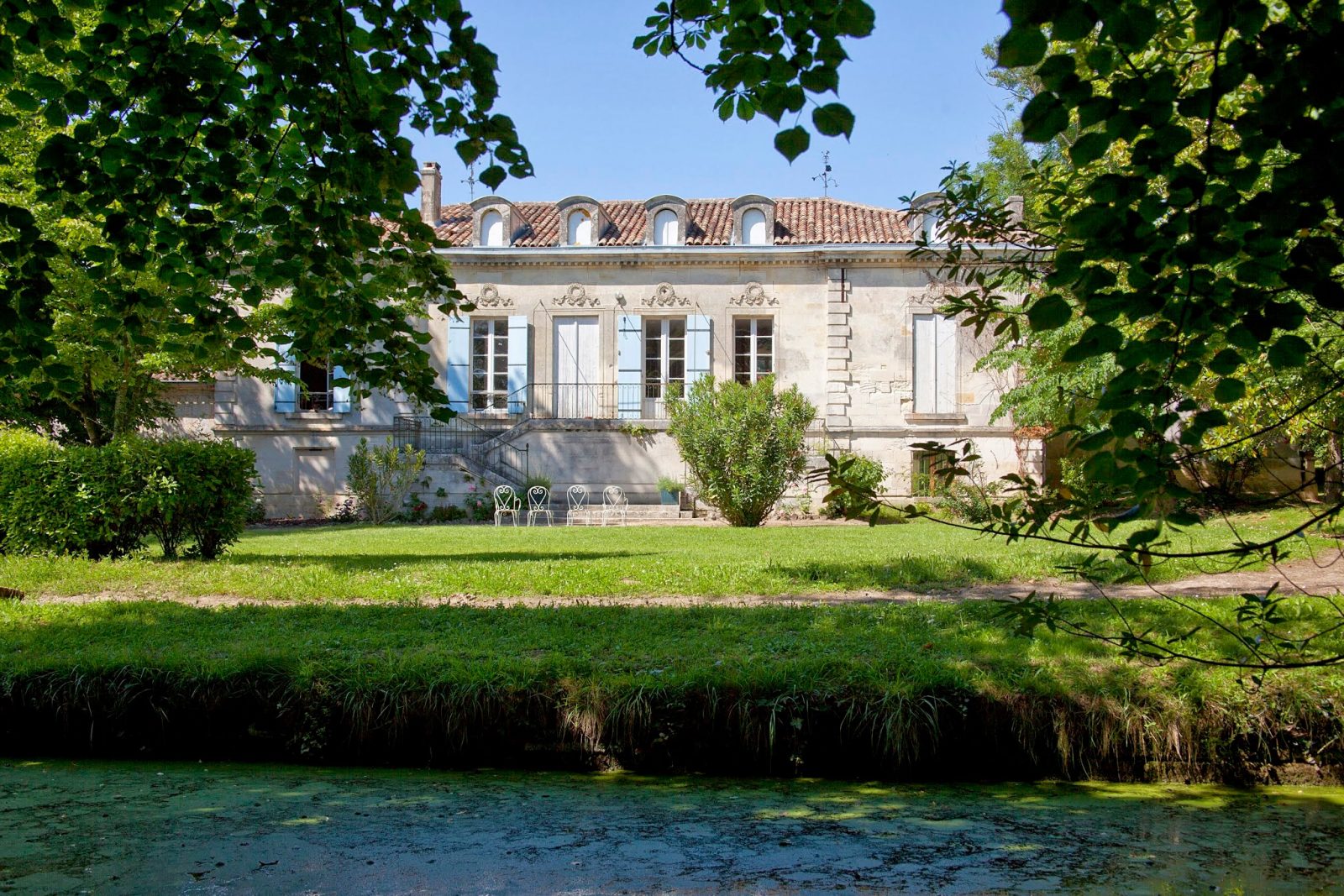
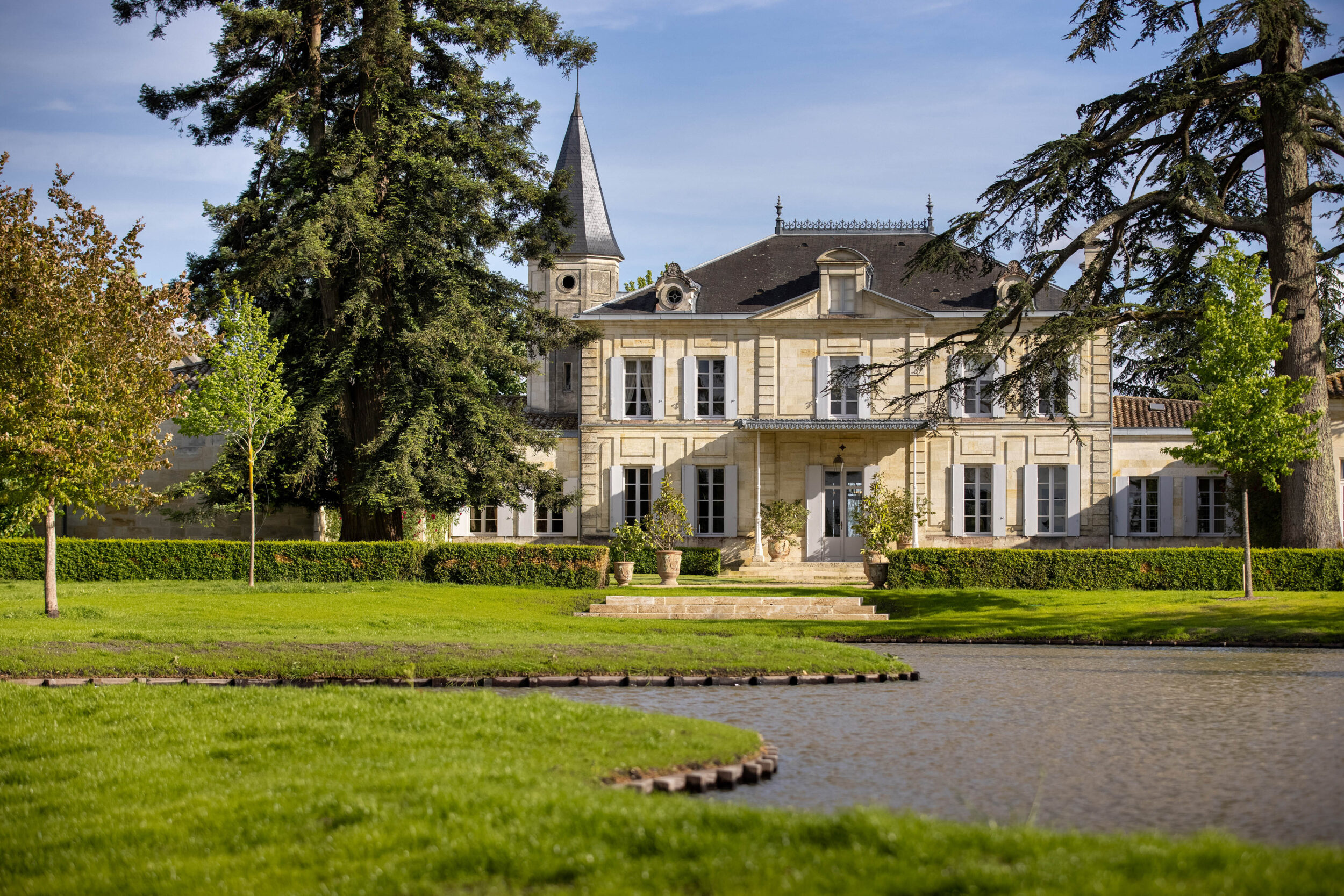
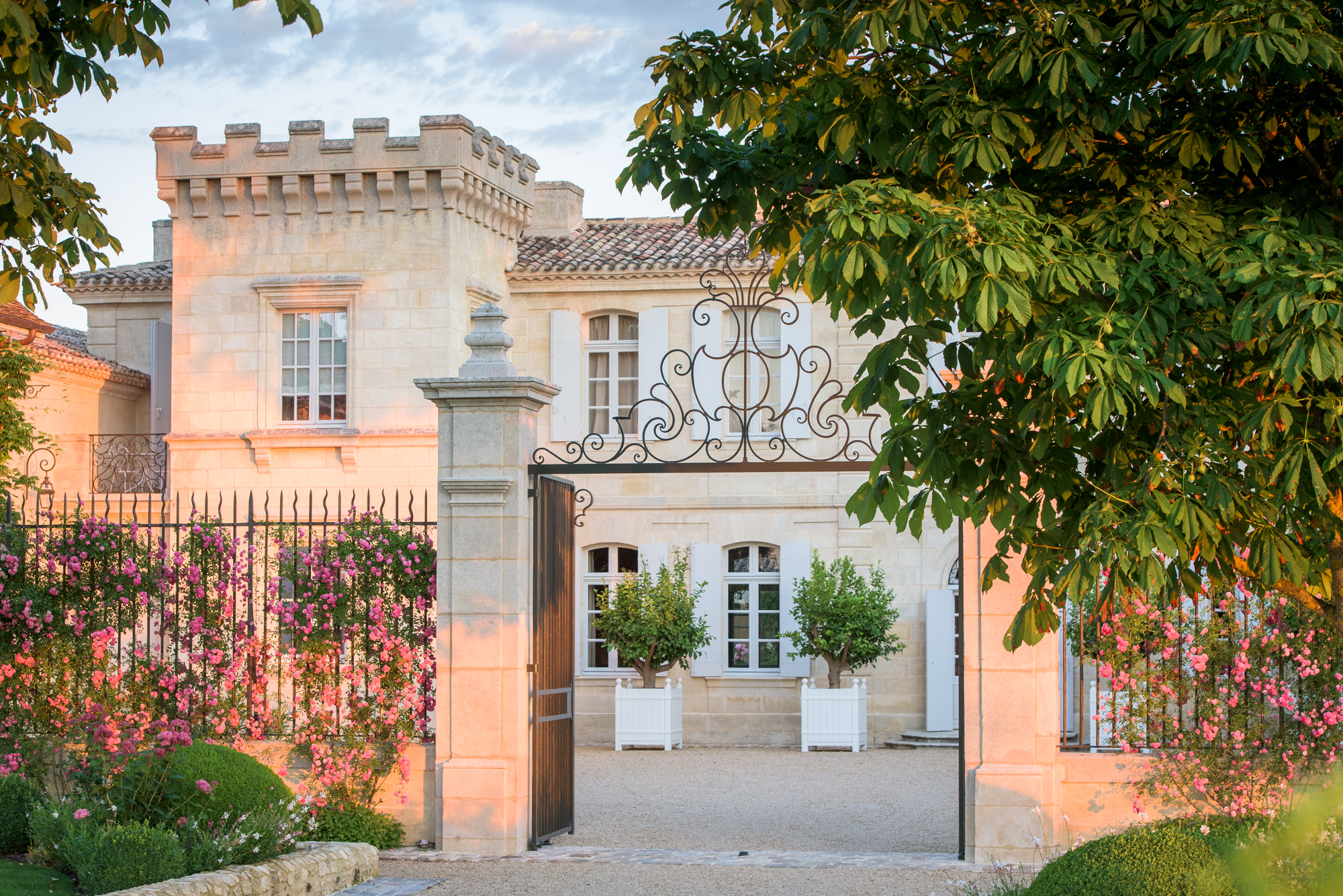
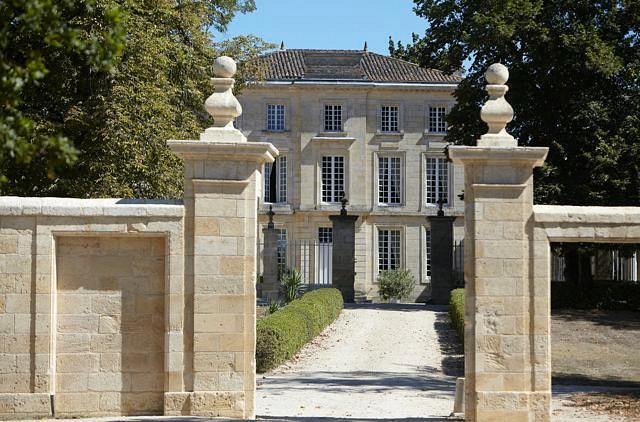
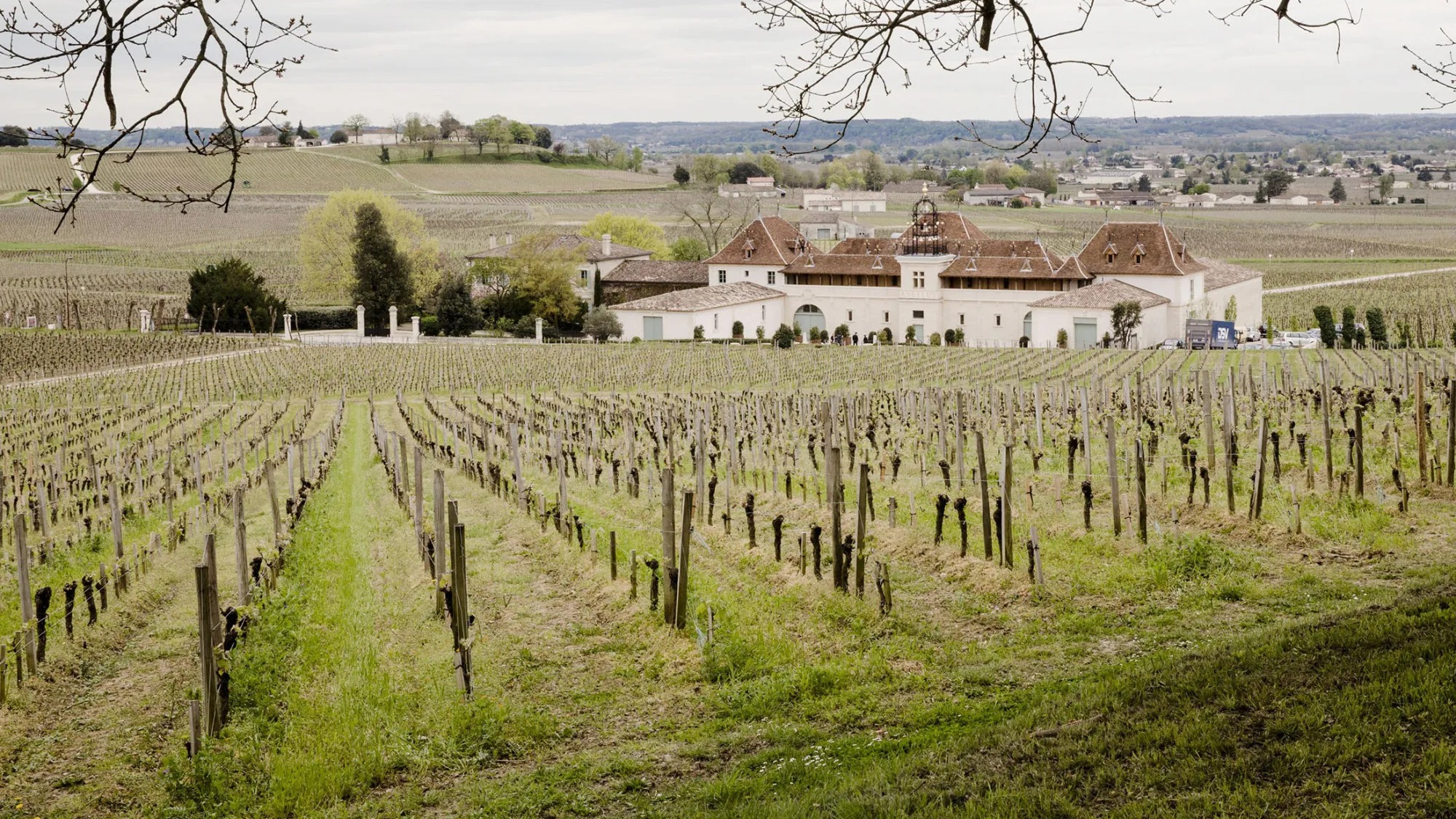
Operating since 1779, Château Coutet is one of Saint-Émilion's oldest wine estates, guided today by winemaker Aline Baly and recognised with a Pearl 3 Star Prestige award in 2025. The property sits within a appellation where limestone and clay soils have shaped Merlot-dominant blends for over two centuries, offering visitors a direct encounter with the long arc of right-bank Bordeaux winemaking.
At a glance
- Price
- $$$$
- Neighborhood
- Saint-Emilion
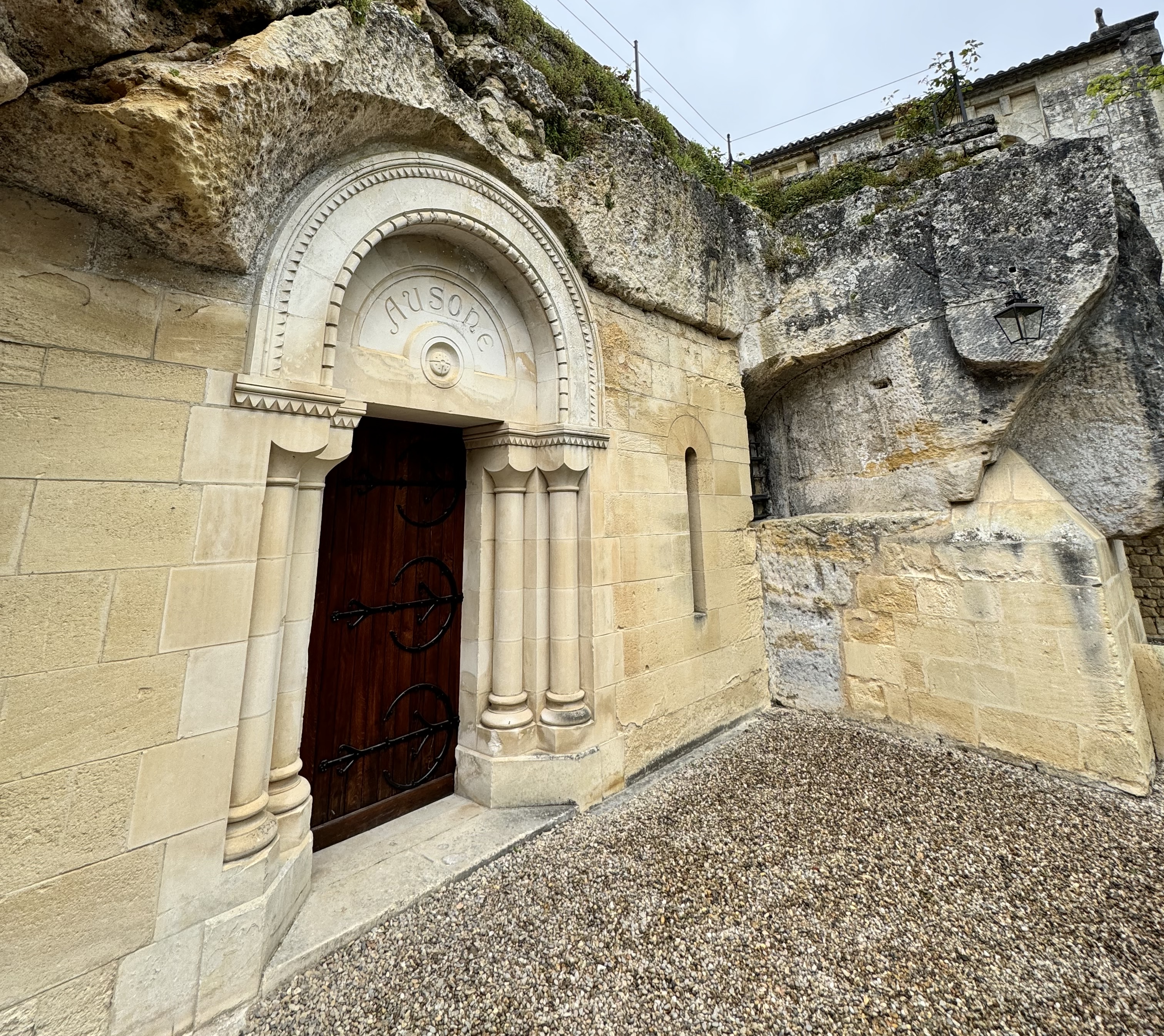
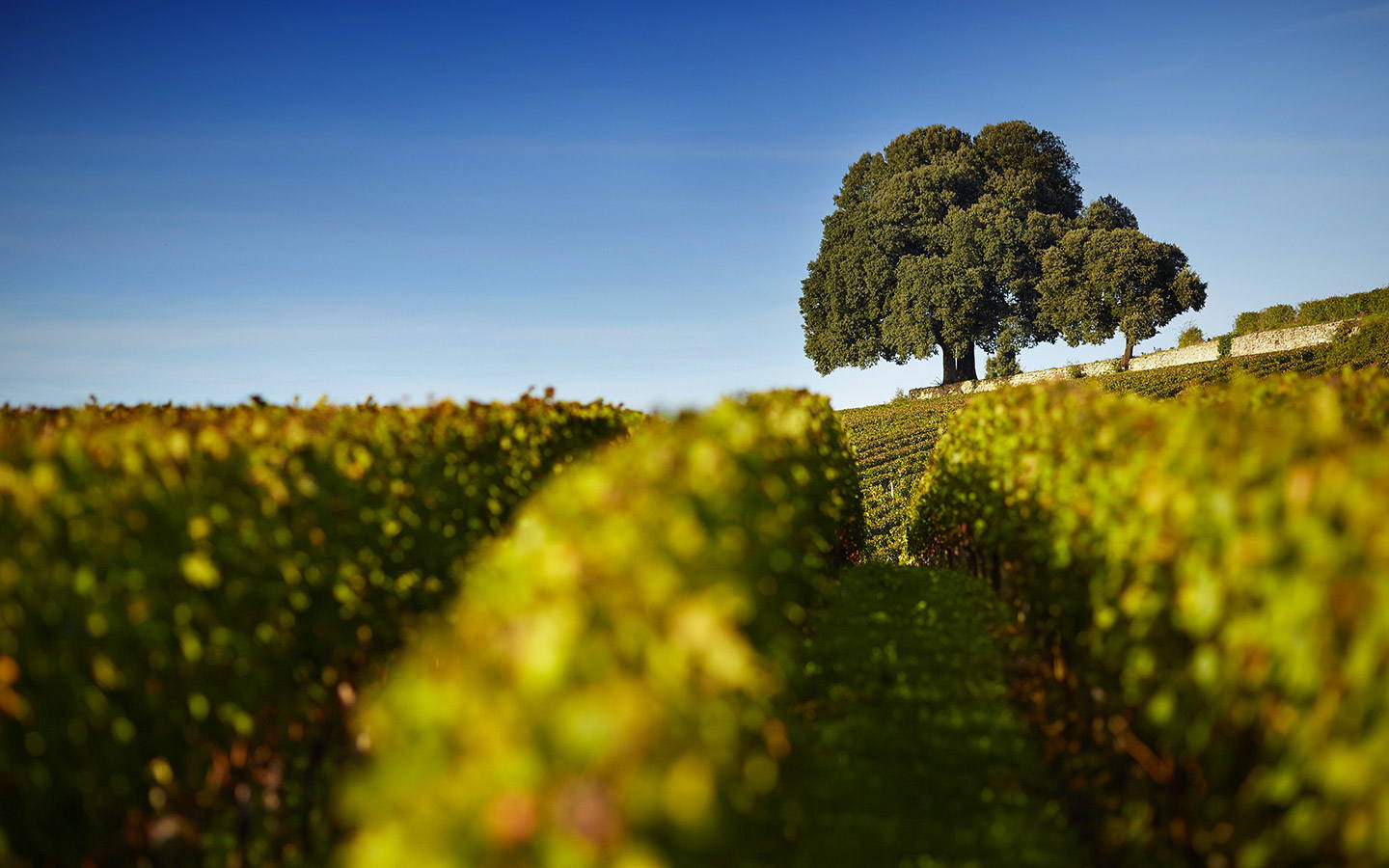
<h2>Two and a Half Centuries on the Limestone Plateau</h2><p>Approaching the right bank from Libourne, the road narrows as it climbs toward the escarpment that gives Saint-Émilion its geological personality. Limestone outcroppings push through the surface, old stone walls mark property lines that have barely moved in generations, and the village's bell tower appears and disappears between rows of vines before the gateway to Château Coutet comes into view along the Route du Milieu. There is a particular quality of stillness here that belongs to estates old enough that the land has genuinely shaped itself around human activity rather than the other way around. Coutet's history dates to 1779, placing it among a small cohort of Bordeaux properties already producing wine before the French Revolution reorganised much of what came before.</p><p>That founding date is not a marketing detail. Across the right bank, the oldest continuously operated estates tend to occupy land that was selected not for its proximity to a château owner's residence but for its intrinsic agricultural logic: drainage, aspect, and the kind of subsoil structure that Merlot handles better than any other variety. Properties with a documented production history stretching back to the eighteenth century have generally survived because the terroir justified it, even through periods of neglect, ownership changes, and the market collapses that periodically reset Bordeaux's hierarchy.</p><h2>Where Merlot and Limestone Meet</h2><p>The editorial argument for Coutet begins in the ground. Saint-Émilion's appellation sits at the intersection of two broad soil types that define its internal geography: the limestone plateau and its côtes, which favour a firm, structured expression of Merlot, and the lower gravelly and clay-rich soils closer to Pomerol that produce rounder, more immediately approachable wine. The Route du Milieu address places Coutet in the zone where those two tendencies negotiate with each other, with limestone influence predominating but with enough clay in the subsoil to moderate the vertical austerity that pure plateau fruit can produce.</p><p>This matters for how the wine ages and, consequently, for what a visitor tastes when they come to the estate. Across the appellation, peers such as <a href="https://www.enprimeurclub.com/wineries/chateau-clos-fourtet-saint-emilion">Château Clos Fourtet</a> and <a href="https://www.enprimeurclub.com/wineries/chateau-belair-monange-saint-emilion-winery">Château Bélair-Monange</a> demonstrate how limestone-driven sites produce wines that reward patience, where the tannin architecture established in the first years of the wine's life continues to integrate across decades. Coutet, with the same geological foundation and a production history that pre-dates modern winemaking conventions, occupies a similar position in that tradition. The question of when to open a bottle is always more interesting here than at properties working with faster-maturing clay-dominant parcels.</p><p>The David Beaulieu family oversees a program at Coutet that inherits both the advantages and the obligations that come with a pre-nineteenth-century foundation. In the broader context of contemporary Bordeaux, estates in this position face a consistent tension: the international market rewards concentration and immediate accessibility, while the historical character of the land argues for restraint and time. How that tension is resolved varies significantly across the appellation. <a href="https://www.enprimeurclub.com/wineries/chateau-la-mondotte-saint-emilion">Château La Mondotte</a> has moved toward density and extraction; <a href="https://www.enprimeurclub.com/wineries/chateau-larcis-ducasse-saint-emilion-winery">Château Larcis Ducasse</a> has built its reputation on site-driven precision. Coutet's 2025 recognition signals a position within the quality tier without prescribing which direction that balance falls.</p><h2>The 2025 Pearl 3 Star Prestige in Context</h2><p> The Pearl 3 Star Prestige designation received by Coutet in 2025 places the estate within EP Club's top-tier assessment bracket.</p><p> <a href="https://www.enprimeurclub.com/wineries/chateau-canon-la-gaffeliere-saint-emilion">Château Canon-la-Gaffelière</a> and <a href="https://www.enprimeurclub.com/wineries/chateau-clos-fourtet-saint-emilion">Château Clos Fourtet</a> occupy comparable positions on the critical spectrum. In the wider Bordeaux context, properties working at this level across different appellations, from <a href="https://www.enprimeurclub.com/wineries/chateau-branaire-ducru-st-julien">Château Branaire-Ducru in Saint-Julien</a> to <a href="https://www.enprimeurclub.com/wineries/chateau-batailley-pauillac-winery">Château Batailley in Pauillac</a>, tend to be estates where the appellation identity remains legible in the wine rather than being subsumed by a house style.</p><h2>Planning a Visit to the Estate</h2><p>Saint-Émilion is among the more visitor-accessible of Bordeaux's major appellations. The village itself is a UNESCO World Heritage site, and the concentration of estates within walking or short driving distance of each other makes it possible to cover significant ground without the logistical complexity of, say, navigating the scattered Médoc. Coutet sits at 1514 Route du Milieu, on the plateau above the town, within easy reach of the village centre.</p><p></p><p>For those with an interest in premium European wine production beyond Bordeaux, estates such as <a href="https://www.enprimeurclub.com/wineries/albert-boxler-niedermorschwihr-winery">Albert Boxler in Alsace</a> and <a href="https://www.enprimeurclub.com/wineries/chateau-bastor-lamontagne">Château Bastor-Lamontagne in Preignac</a> offer instructive contrasts in how different French regions and terroir types express themselves at the prestige level. Further afield, <a href="https://www.enprimeurclub.com/wineries/accendo-cellars">Accendo Cellars in St. Helena</a> demonstrates how Napa Valley estates have absorbed and adapted Bordeaux winemaking logic in a markedly different climate and ownership culture.</p><hr></hr>
Know before you go
- Dress code
- smart_casual
- Reservations
- appointment_only
- Parking
- on_site_lot
Frequently asked
What's the address for Château Coutet?
Château Coutet is located at 1514 Rte du Milieu, 33330 Saint-Émilion, Saint-Emilion.
Has Château Coutet won any awards?
Château Coutet has received recognition including: Pearl 3 Star Prestige (2025).
What wines should I try at Château Coutet?
Coutet works within the Saint-Émilion appellation's core tradition: Merlot-dominant blends drawn from limestone and clay soils on the plateau. The 2025 Pearl 3 Star Prestige award, granted under winemaker Aline Baly, signals that the current releases are performing at the upper end of the right-bank peer group. Start with the estate's principal red to get the clearest read on how the limestone terroir expresses itself.
What makes Château Coutet worth visiting?
A founding date of 1779 and a Pearl 3 Star Prestige rating in 2025 place Coutet among a narrow set of Saint-Émilion estates that combine documented historical continuity with current critical recognition. Winemaker Aline Baly's tenure gives the programme a consistent voice, and the plateau address at Route du Milieu puts visitors inside the appellation's geologically defining zone.
Is Château Coutet reservation-only?
No phone number or public website is listed in current records for Château Coutet, which is typical of smaller right-bank estates that manage visits through direct correspondence rather than online booking systems. Arriving without prior contact is unlikely to result in a tasting; reaching out through regional tourist offices in Saint-Émilion or through a Bordeaux négociant is the practical route to arranging access.
Address
1514 Rte du Milieu, 33330 Saint-Émilion
Saint-Emilion · Bordeaux
How it compares
- Cuisine
- Merlot, Cabernet Franc
- Awards
- 1 recognition
- Notes
- Saint-Emilion, $$$$
- Cuisine
- Merlot, Cabernet Franc
- Awards
- 1 recognition
- Notes
- Saint-Emilion, $$$$
- Cuisine
- Merlot, Cabernet Franc
- Awards
- 1 recognition
- Notes
- Saint-Emilion, $$$$
- Cuisine
- Cabernet Sauvignon, Cabernet Franc
- Awards
- 1 recognition
- Notes
- Saint-Emilion, $$$$
- Cuisine
- Cabernet Franc, Merlot
- Awards
- 1 recognition
- Notes
- Saint-Emilion, $$$$
- Cuisine
- Merlot, Cabernet Franc
- Awards
- 1 recognition
- Notes
- Saint-Emilion, $$$$