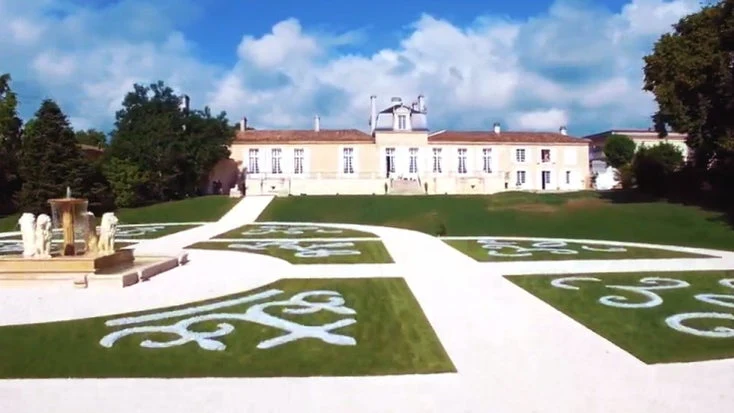
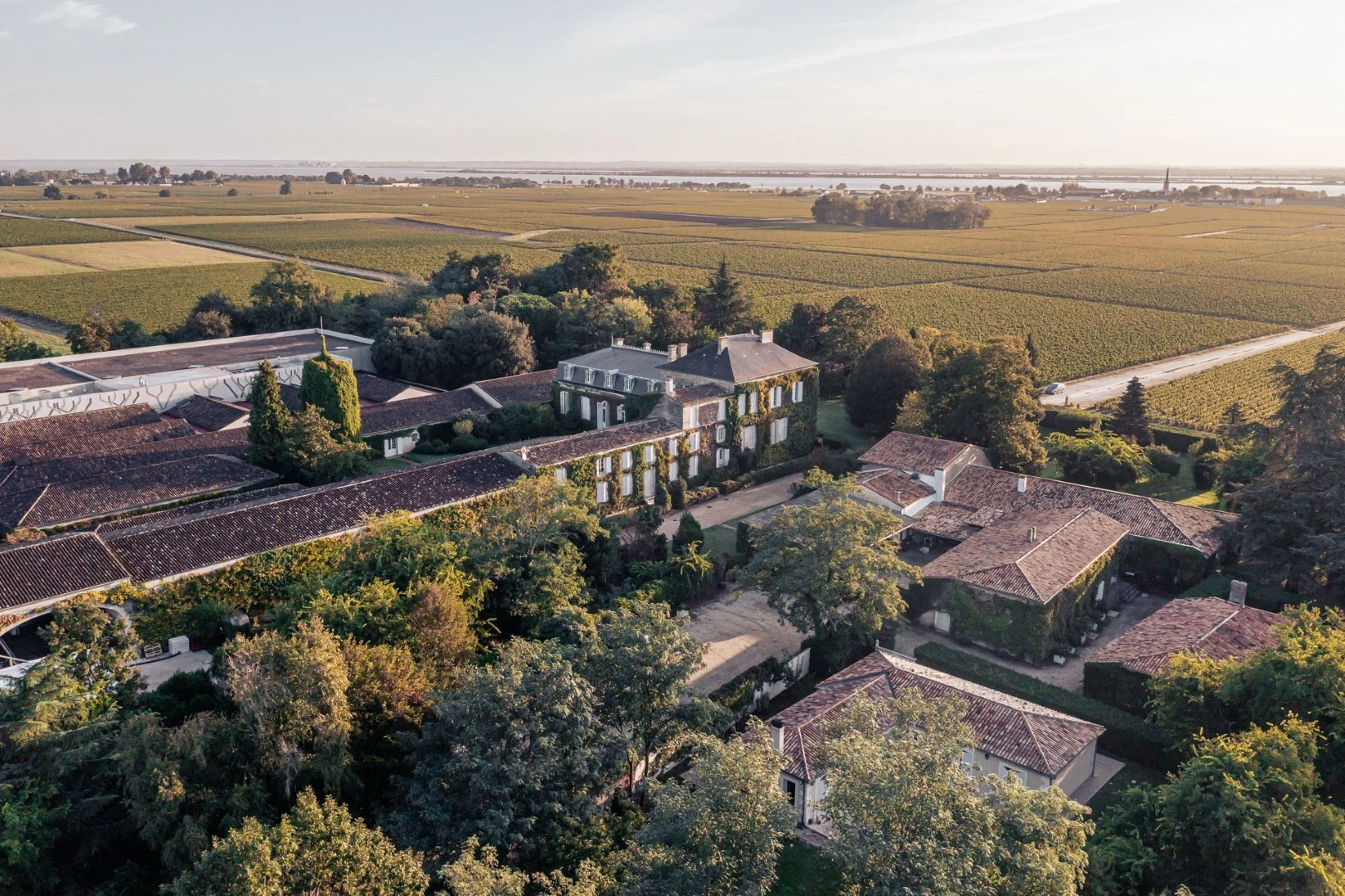
Château Doisy-Védrines
- 01CitySaint-Julien-Beychevelle, France
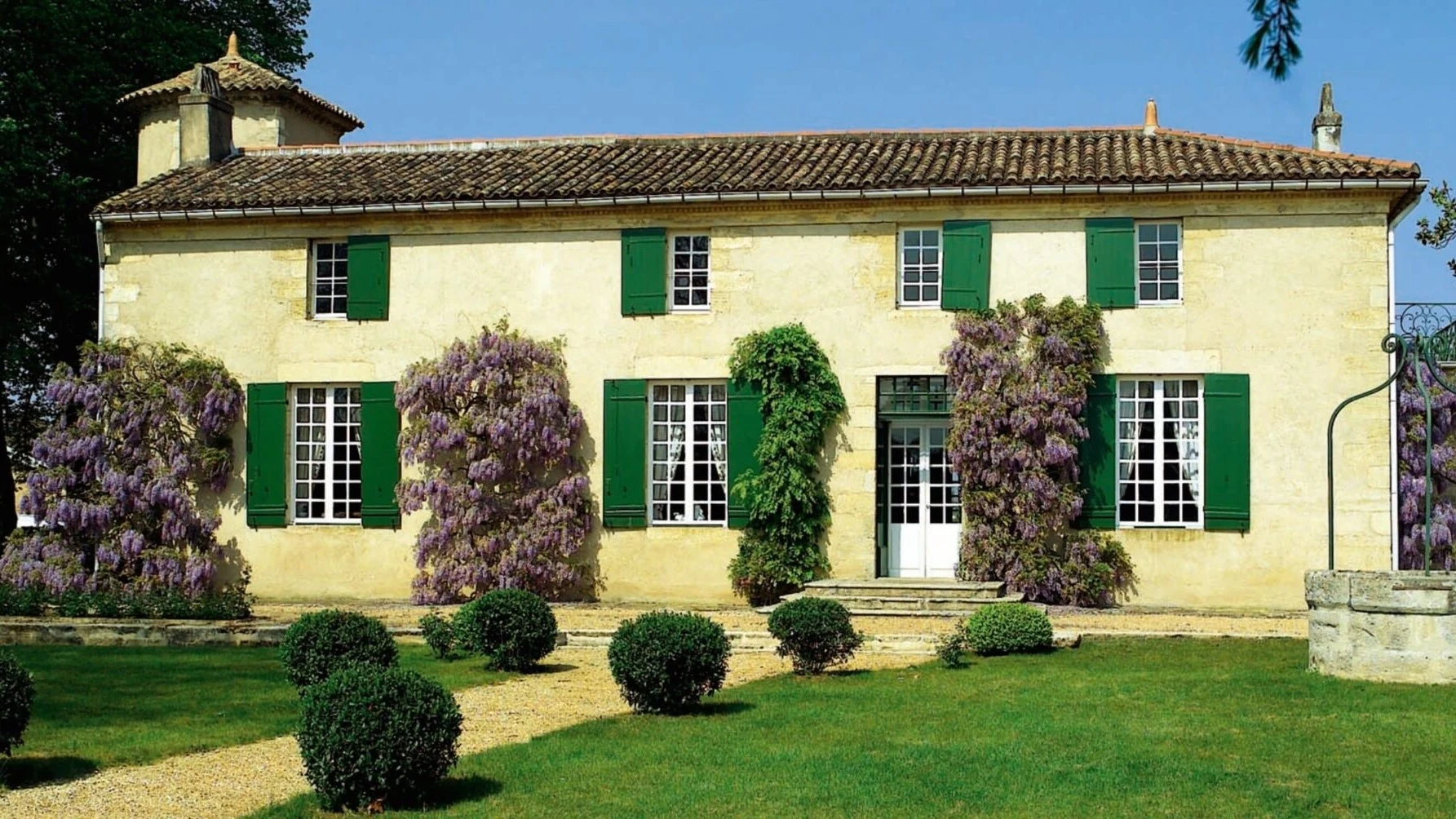
Botrytis picked in successive passes
- Pearl 4 Star Prestige · 2025
Successive passes for noble rot
Hand-harvested grapes arrive in successive passes. Olivier Castèja , winemaker at Château Doisy-Védrines in Saint-Julien-Beychevelle, holds the line between sweetness and acidity in Barsac AOC. He is also the owner and wine merchant here, three roles that keep the estate, the trade, and the cellar in the same pair of hands. The house is a Classified Second Grand Cru Classé in 1855, and its work centers on botrytis-affected sweet wine from clay-limestone soils. Castèja’s biography is not a parade of outside stations. It sits inside this property: the vineyard, the cellar, the bottle, the commercial life that follows. The published house style is disciplined rather than heavy, with richness checked by natural acidity and freshness kept active through the finish. That is his station. He works with a controlled mix of modern and traditional winemaking techniques, but the aim is not novelty. The method serves continuity, especially in a category where sugar can easily take over the wine.
Clay-limestone, Sémillon, and the long harvest
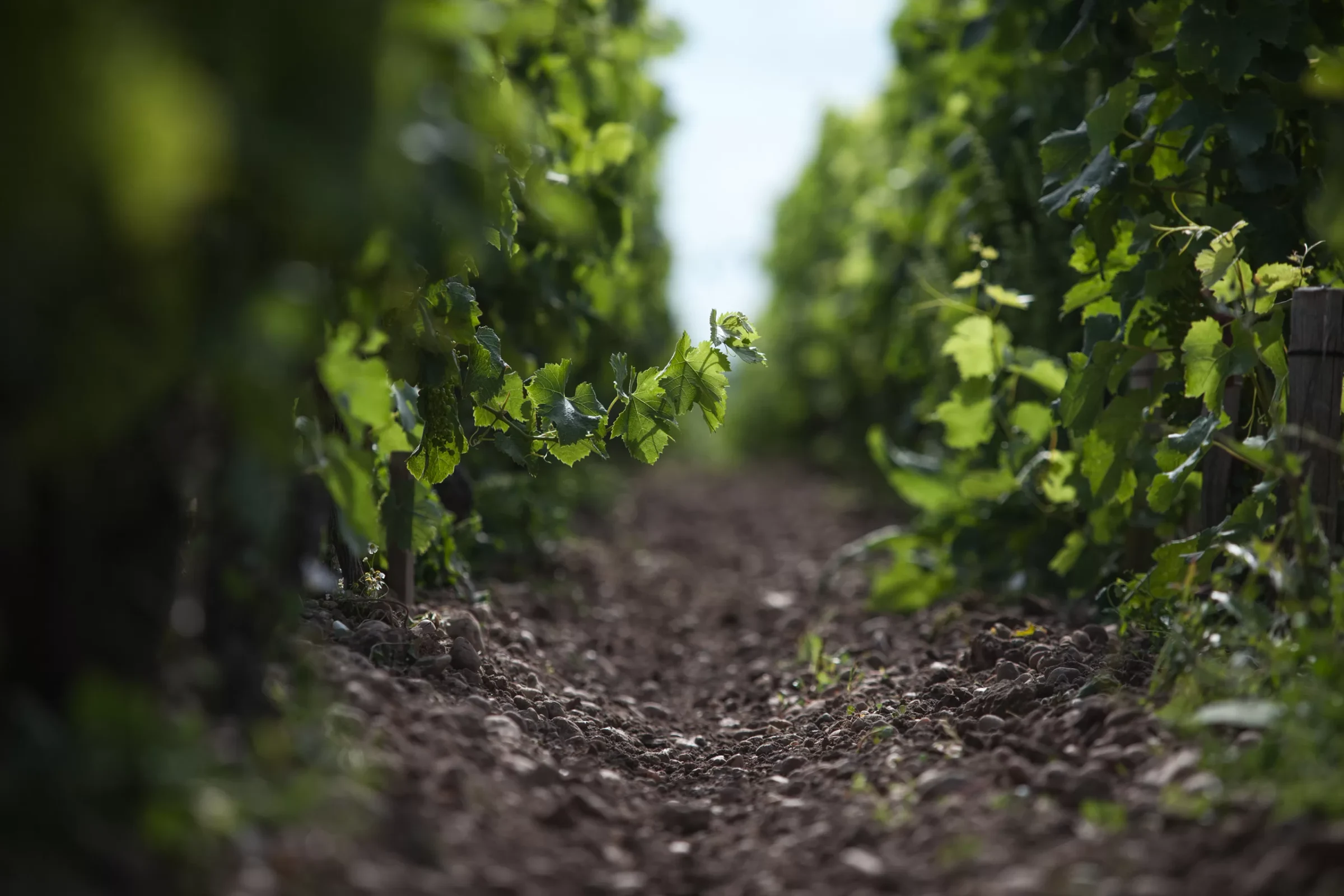
The standout decision at Château Doisy-Védrines begins before fermentation, with grapes picked by hand in multiple passes as noble rot develops unevenly through the vineyard. The house works in Barsac AOC with Sémillon, Sauvignon Blanc, and Muscadelle, the classic grammar for sweet Bordeaux. Sémillon carries the center of the wine; Sauvignon Blanc and Muscadelle sit within the blend rather than apart from it. The estate’s clay-limestone plateau matters because Barsac sweetness needs counterweight, not only concentration. Castèja’s task is to keep botrytis, sugar, and acidity in relation. The production scale is small, stated at 40,000-50,000 bottles/year, which keeps the craft close to the condition of the fruit rather than a fixed recipe.
A quiet cellar for a measured style
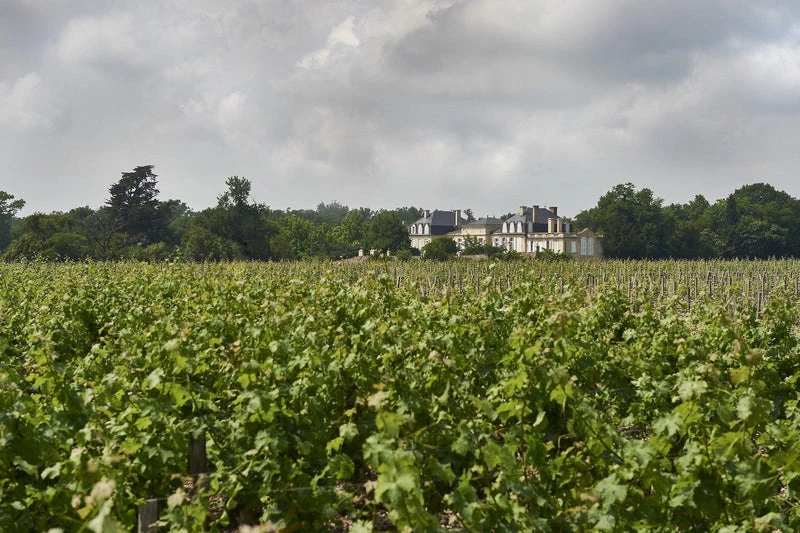
The château setting is refined in the old Bordeaux sense: not theatrical, not casual, built around the quiet of a property that receives visitors for cave tasting and sends most of its force into the wine. In the cellar, the relevant sound is restraint. Sweet wine asks for patience at the bench, because the harvest does not move at the speed of a single picking date. The room around that work is classic rather than spare, with the vineyard close enough to explain the bottle without ornament. Barsac’s clay-limestone soils are not an accessory here; they are part of the station. Castèja’s program depends on the contrast they help preserve, richness held in check, dessert wine kept lifted instead of broad.
Continuity in named vintages
The house’s own signature points to Doisy-Védrines 2009, Doisy-Védrines 2015, and 2020 Chateau Doisy Vedrines as part of the same line rather than a break in style. Those bottles give the reader a concrete way to read Castèja’s work: not through a claim of reinvention, but through recurrence. Sweetness returns, acidity answers, and the property keeps its shape through Olivier Castèja and Doisy-Védrines 2015.
Questions
Frequently asked
Who is behind Château Doisy-Védrines?
Olivier Castèja is the winemaker, owner, and wine merchant at Château Doisy-Védrines. The estate keeps the vineyard, cellar, and commercial side in the same hands.
What kind of wine does Château Doisy-Védrines make?
Château Doisy-Védrines works in Barsac AOC on clay-limestone soils and focuses on botrytis-affected sweet wine. The blends use Sémillon, Sauvignon Blanc, and Muscadelle.
What recognition does the estate hold?
Château Doisy-Védrines is a Classified Second Grand Cru Classé from 1855.
Do visits need to be booked?
Visits are by appointment only. The estate also has on-site parking.
What are the visiting hours?
The estate is open Monday to Thursday from 8:30 AM to 12:30 PM and 1:30 PM to 5:30 PM, and on Friday from 8:30 AM to 12:30 PM. It is closed on Saturday and Sunday.
The field
How it compares
| Place | Notes |
|---|---|
| Château Doisy-Védrines | Barsac, $$$ |
| Château Beychevelle | Saint-Julien-Beychevelle |
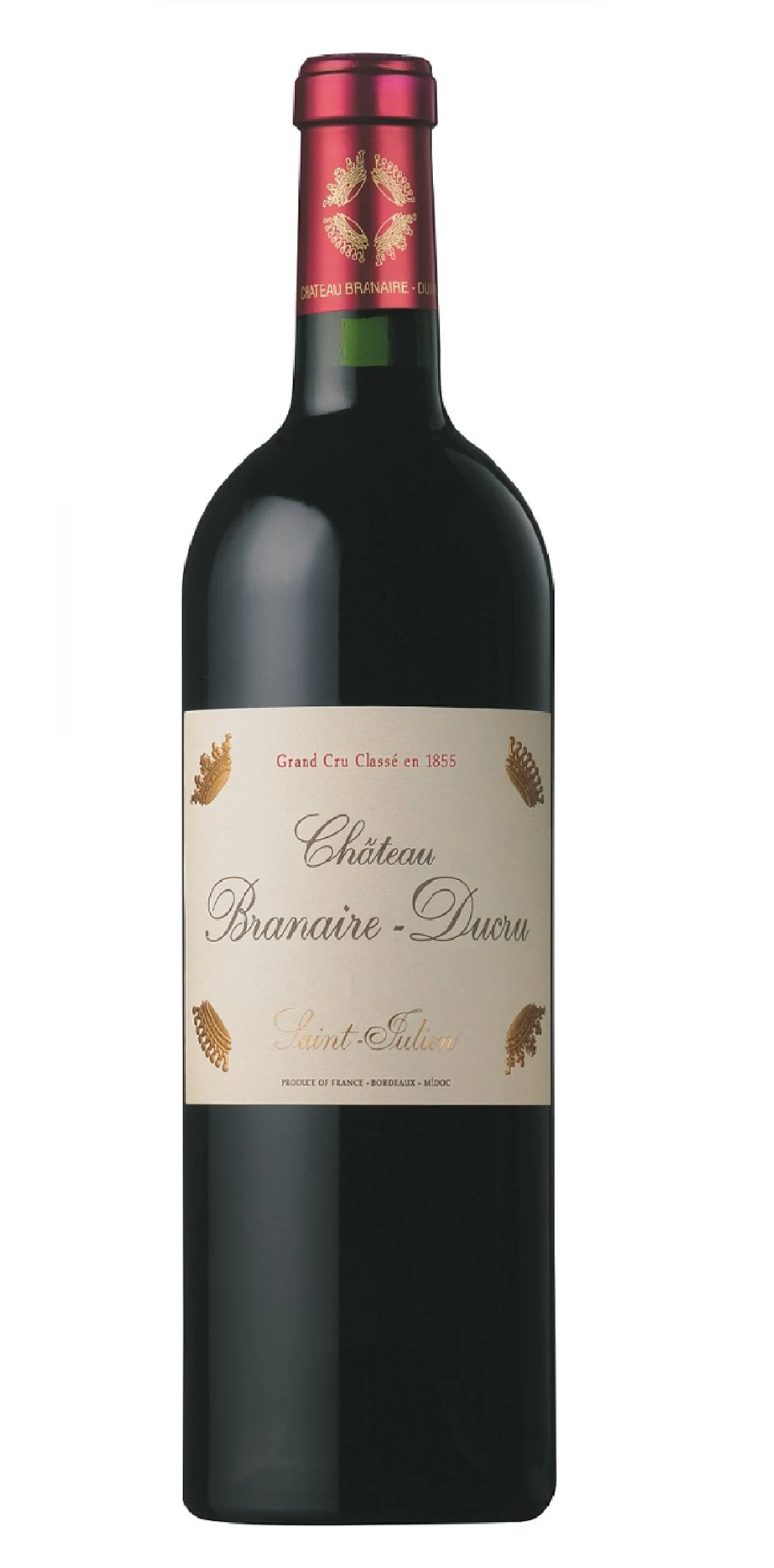
| Château Branaire Ducru | Saint-Julien-Beychevelle |
| Chateau Le Pin | Saint-Julien-Beychevelle |
| Château Léoville Barton | Saint-Julien-Beychevelle |
| Chateau Leoville Las Cases | Saint-Julien-Beychevelle |
| Château Talbot | Saint-Julien-Beychevelle |
Similar places
Château Beychevelle
Saint-Julien-Beychevelle, France
Château Branaire Ducru
Saint-Julien-Beychevelle, France
Chateau Le Pin
Saint-Julien-Beychevelle, France
Château Léoville Barton
Saint-Julien-Beychevelle, France
Chateau Leoville Las Cases
Saint-Julien-Beychevelle, France
Château Talbot
Saint-Julien-Beychevelle, France