Château Lynch-Moussas
- 01CitySaint Sauveur, France
Cabernet shaped on Pauillac gravel
- Falstaff Winery - 2 Stars · 2026
Custody from the gravel up
The decisions begin in the vineyard rows, where Cabernet Sauvignon sets the spine and Merlot rounds the edge. Philippe Castéja, winemaker at Château Lynch-Moussas in Saint Sauveur, works with the double responsibility of owner and manager. Since 2001, his role has joined estate oversight with the broader chairmanship of Borie-Manoux, a position that asks less for display than for continuity, memory, and clear standards held over time.
The house sits inside the older frame of Pauillac: a Fifth Growth from the 1855 Bordeaux Classification, acquired by the Castéja family in 1919 and kept in family hands since. That lineage matters here because the wines are not built around novelty. They are built around the estate name, the classified-growth identity, and the long patience of Cabernet Sauvignon on gravel. Castéja’s signature remains Le Château Lynch-Moussas, the label where management, ownership, and place meet most directly.
Cabernet on gravel, Merlot for breadth
The vineyard covers 62 hectares on gravel croups, galets, and argilo-sandy soils, the kind of drainage and stored warmth Pauillac asks of its best Cabernet Sauvignon. The planting is given as 75% Cabernet Sauvignon and 25% Merlot, a proportion that tells the reader much of the method before the cellar is even reached. Cabernet Sauvignon carries tannin, line, and ageing structure; Merlot gives roundness without moving the wine away from its Médoc discipline.
In the cellar, Château Lynch-Moussas follows a Bordeaux grammar of controlled fermentation and barrel ageing. The grand vin ages for 18 months in oak, with 60% new barrels, a program meant to hold fruit, tannin, and wood in a measured register. Les Hauts de Lynch-Moussas, the second wine, gives another reading of the estate’s material, drawn from the same varietal frame but shaped for earlier approachability. The house does not need to make the cellar theatrical. The numbers already give the shape of the work.
The quiet pressure of Pauillac
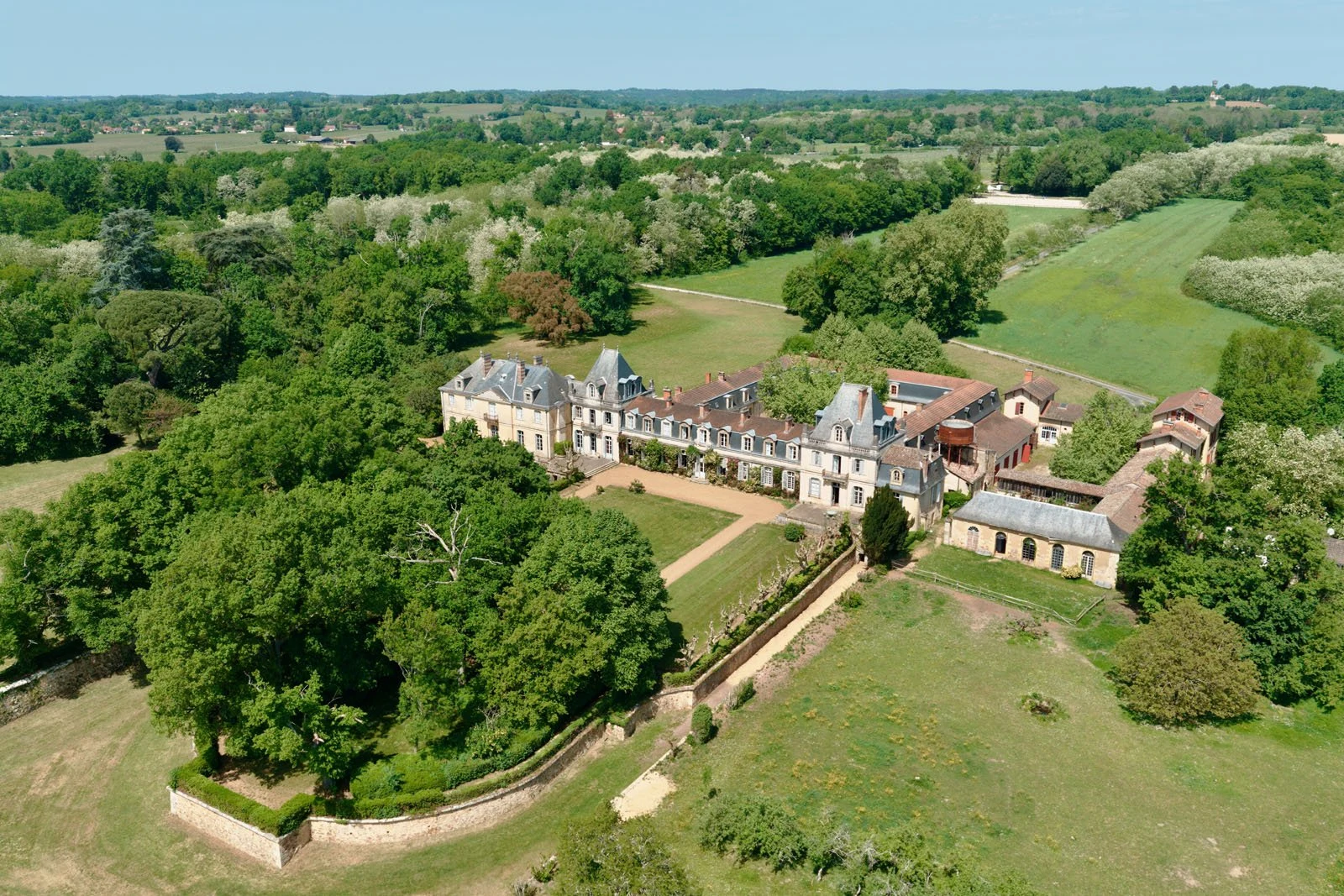
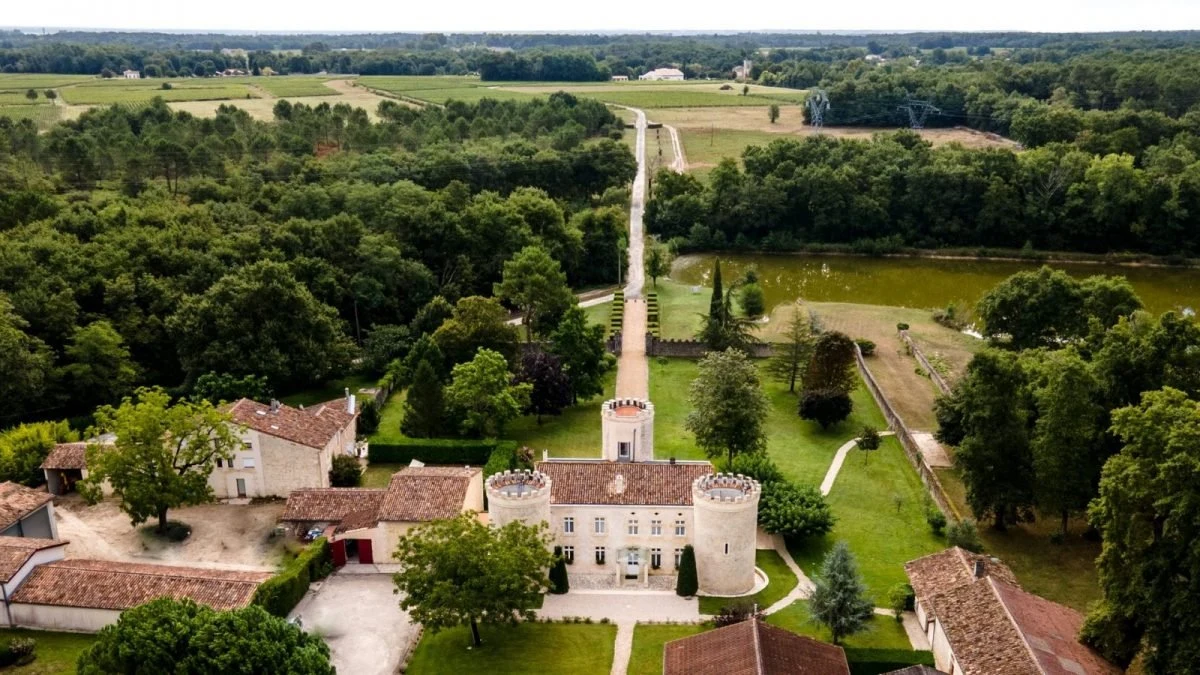
The room around the craft is château, cellar, vineyard, and gravel underfoot. Saint-Sauveur keeps Château Lynch-Moussas slightly apart from the more visited circuits of Pauillac, with the Gironde only a few kilometers away and the estate buildings set among their own rows. The atmosphere is quiet because the work benefits from quiet: tanks, barrels, vineyard blocks, the slow sorting of one vintage from another.
That restraint carries into the wines. The house is known for structured, ageworthy Pauillac, Cabernet Sauvignon dominant and held to a balanced profile rather than a forceful one. Recent renovation has brought the facilities and vineyard management forward, but the point remains older than the equipment. Castéja’s task is to keep the estate legible through change, so that Le Château Lynch-Moussas still reads first as Pauillac, then as itself.
Questions
Frequently asked
Who is behind winemaking at Château Lynch-Moussas?
Philippe Castéja guides winemaking at Château Lynch-Moussas. Since 2001, his role has combined estate oversight with the chairmanship of Borie-Manoux, while the château has remained in family hands since 1919.
What kind of wine is Château Lynch-Moussas known for?
The estate is known for structured, ageworthy Pauillac made with Cabernet Sauvignon at the core. The vineyard planting is 75% Cabernet Sauvignon and 25% Merlot, and the grand vin is Le Château Lynch-Moussas.
What is the vineyard like at this estate?
The vineyard covers 62 hectares on gravel croups, galets, and argilo-sandy soils. Those soils suit Pauillac’s Cabernet Sauvignon, which here is given long patience on gravel.
How is the wine aged?
The grand vin ages for 18 months in oak, with 60% new barrels. The second wine, Les Hauts de Lynch-Moussas, is drawn from the same varietal frame but shaped for earlier approachability.
Should a visit be booked in advance?
Reservation is recommended. The estate also has on-site parking.
The field
How it compares
| Place | Notes |
|---|---|
| Château Lynch-Moussas | Médoc, $$$ |
| Château Bernadotte | Saint Sauveur |
| Château Fontesteau | Saint Sauveur |
| Château Liversan | Saint Sauveur |
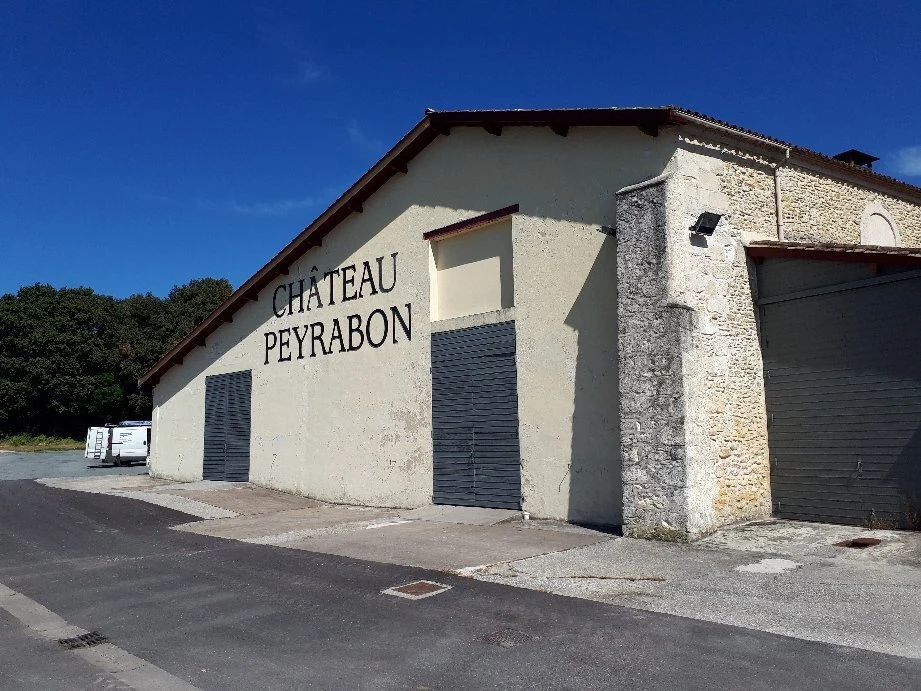
| Château Peyrabon | Saint Sauveur |
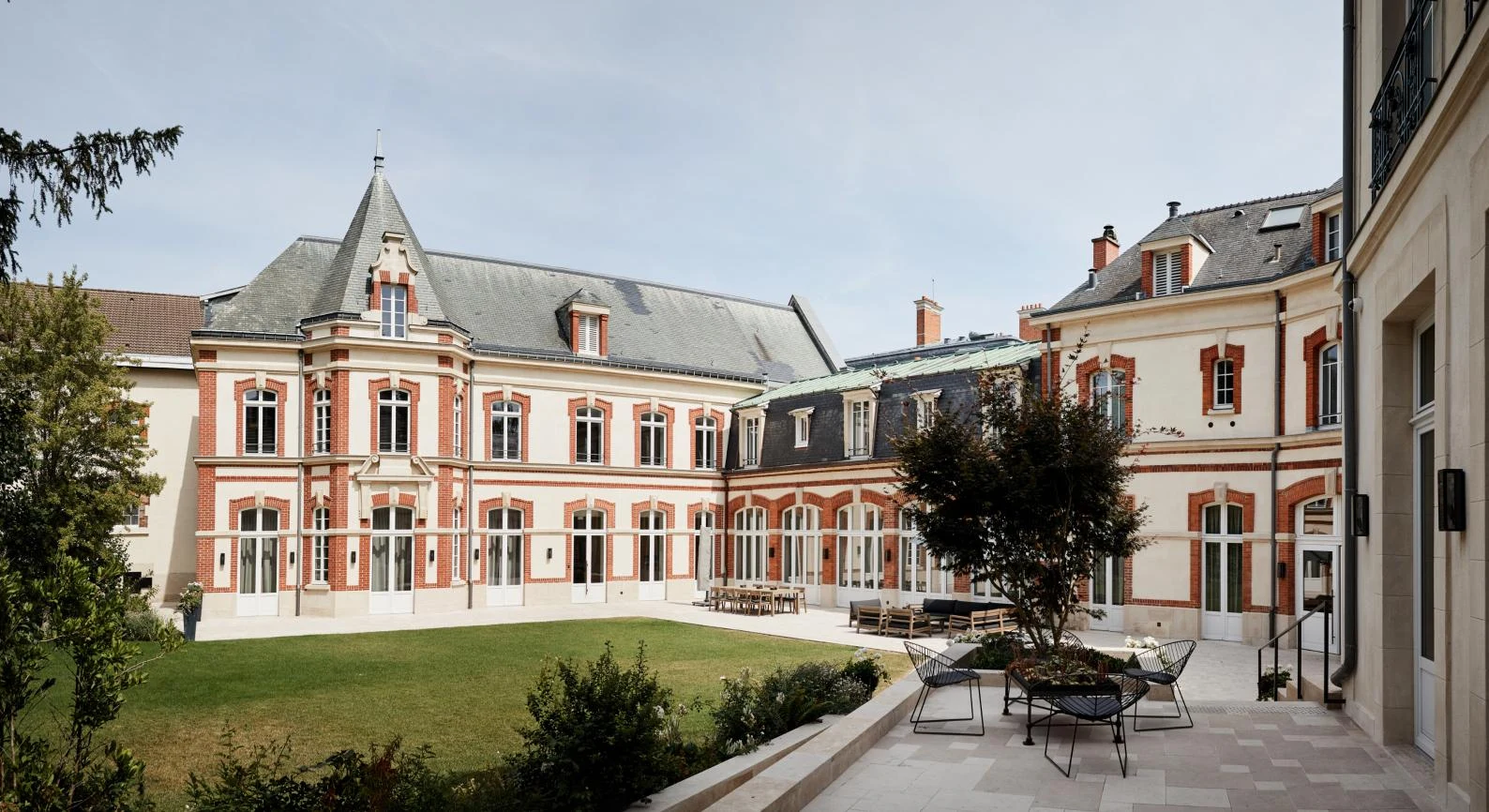
| Krug | Reims |
| Michter's | Louisville |