- 1 Michelin Key · Michelin Guide
- Michelin 1 Key · 2025
A Baroque Hunting Lodge at the Edge of the St. George Forest
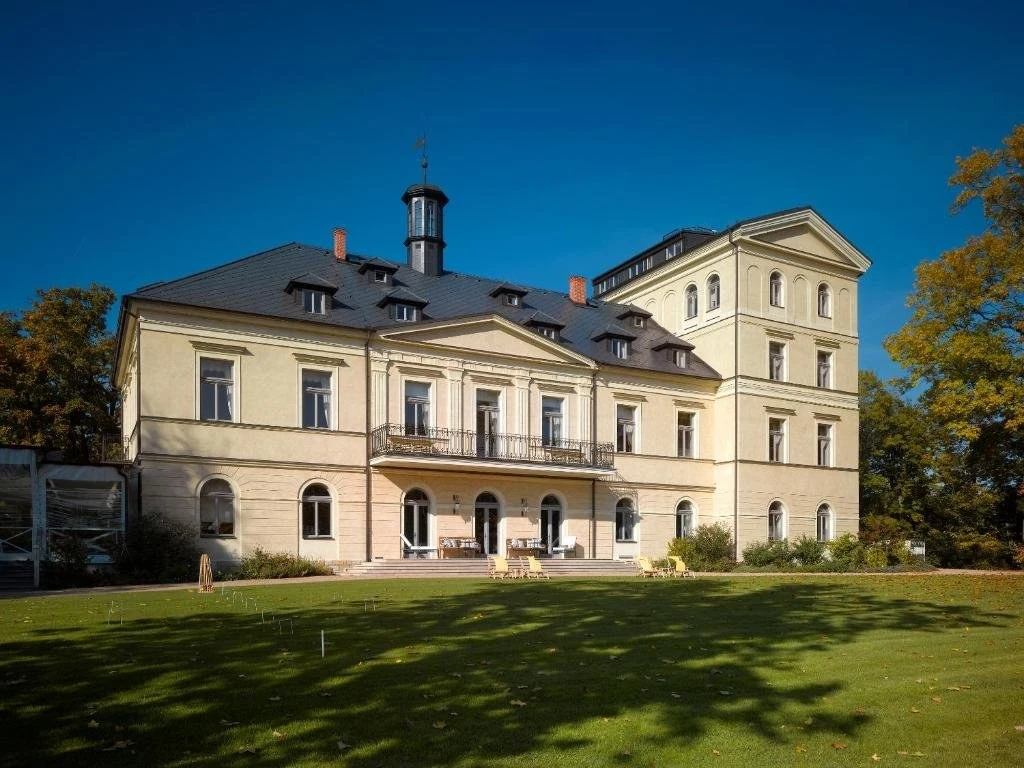
The road northeast from Prague flattens into agricultural plains before the St. George Forest asserts itself on the horizon. This stretch of Central Bohemia rarely features in the itineraries of visitors who spend their Czech Republic trip navigating the capital's Old Town crowds, but the region has a distinct character: forested, mushroom-rich, and anchored by a tradition of aristocratic countryside retreats that predates the republic itself. Chateau Mcely sits at the edge of that forest, approximately 70 km from Václav Havel Airport and about an hour from central Prague. It occupies a 17th-century structure that began as a hunting lodge for European nobility during the Baroque period and has been renovated into a five-star property operating across 24 rooms.
The approach to the main house makes the property's design logic immediately clear. The gardens surrounding the chateau are formally manicured, a deliberate signal that what follows is not a rural retreat in the rustic sense but something closer to a countryside estate maintained at a level consistent with its original aristocratic function. In that respect, Chateau Mcely occupies a specific position among Czech luxury properties: it is neither the urban hotel nor the spa resort, but a category defined by historical fabric and a particular relationship between architecture and landscape.
The Architecture of Accumulated Time
Across European heritage hospitality, the central design question is always the same: how much of the original structure do you preserve, how much do you interpret, and how much do you replace? The most successful conversions tend to resolve that question in favour of the building itself, allowing the architecture to set the tone rather than imposing a contemporary layer over it. Chateau Mcely reads as a property that has taken the former approach seriously.
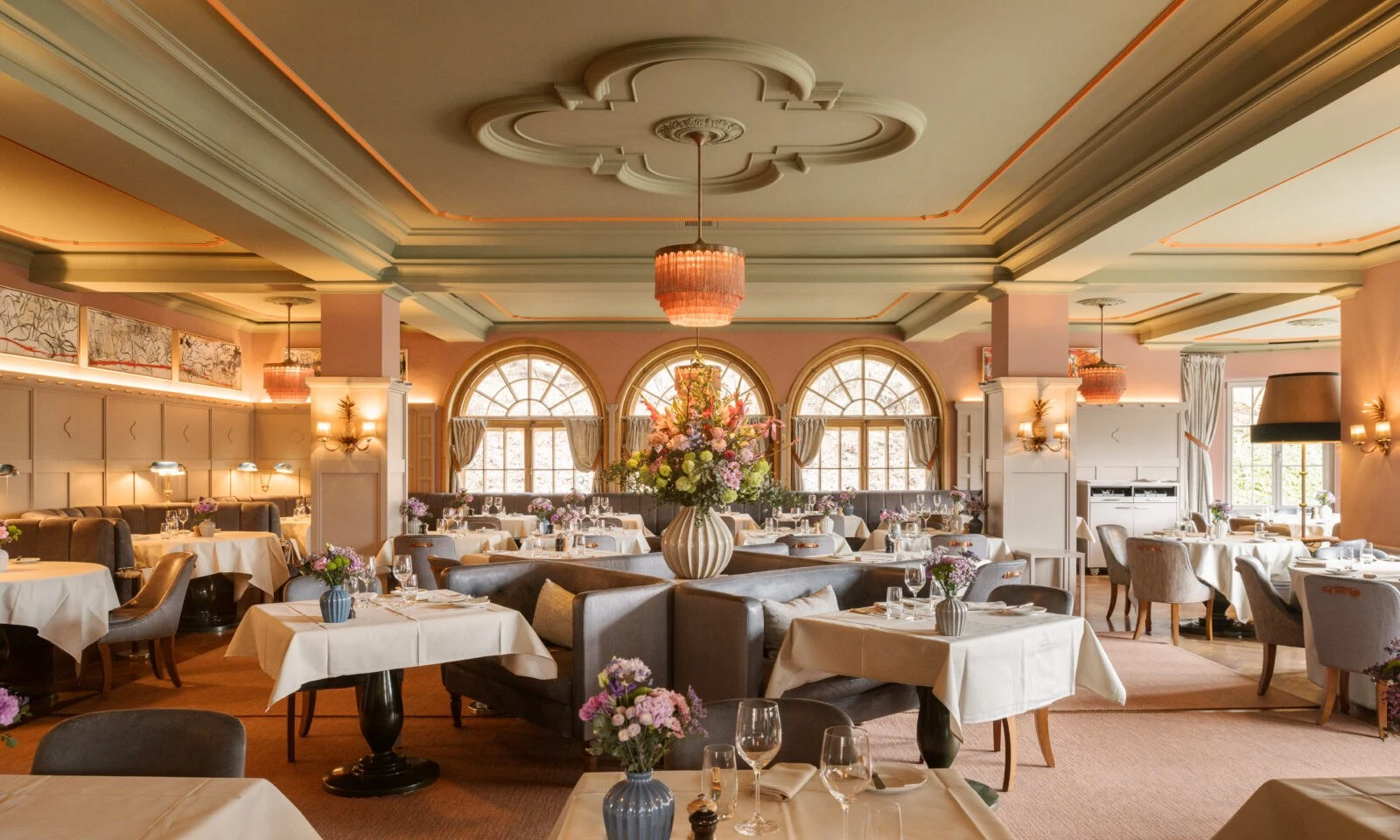
The 23 guest rooms carry the markers of a Baroque interior: high ceilings, chandeliers, wrought iron beds, and writing desks that recall the era when the poet Rainer Maria Rilke is said to have visited the estate. This historical association grounds the space in a specific literary and cultural context that goes beyond decorative period styling. The rooms are furnished to suggest continuity with the building's past rather than a contemporary reinterpretation of it, which places Chateau Mcely in a smaller cohort of European heritage properties where the original structure remains the primary architectural statement. Compare this approach to, say, Castello di Reschio in Lisciano Niccone, where an Umbrian castle has similarly been restored with an emphasis on historical materiality, or Hotel Sacher Wien in Vienna, where an older building has been continuously maintained within its original design register.
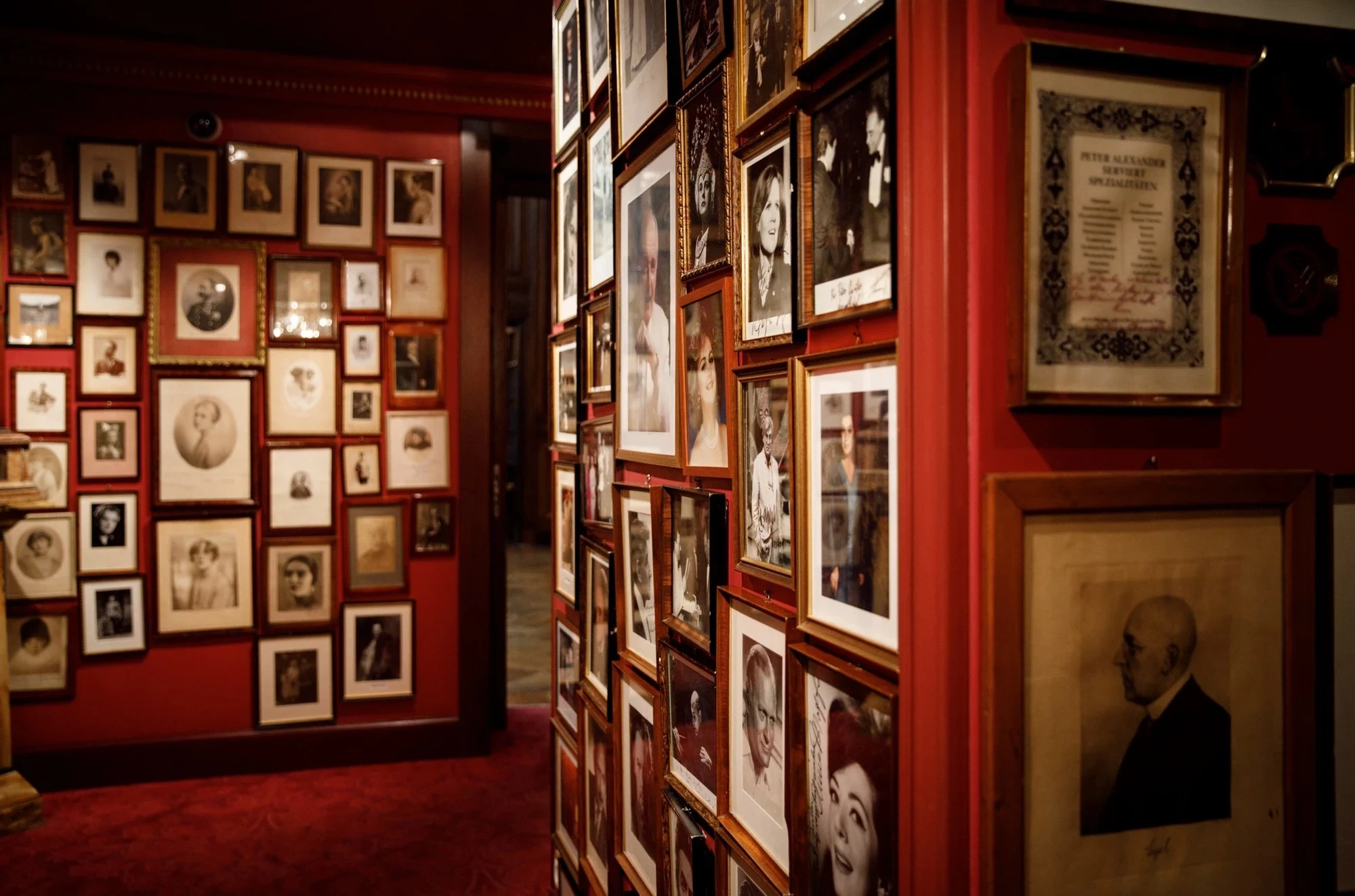
What distinguishes Chateau Mcely within this tradition is the way the renovation extends beyond the guest rooms into spaces that carry their own conceptual weight. The library houses 18th-century scientific instruments, which functions as more than décor: it positions the building as a repository of a particular intellectual era, when the boundary between aristocratic leisure and natural philosophy was more porous than it is today. The basement Alchemist Club takes that spirit in a different direction, combining high-tech wine preservation, a stocked humidor, and a vintage 1950s jukebox in a single subterranean room. The pairing of those elements is deliberate and slightly eccentric, which is exactly what prevents it from reading as generic hotel amenity design.
Where Chateau Mcely Sits in Czech Luxury
Czech luxury hospitality has historically concentrated in Prague, where properties like the Mandarin Oriental, Prague and the Four Seasons Hotel Prague have defined the upper tier of the market through urban location and international brand infrastructure. A smaller group of properties has pursued a different model, trading the capital's density for historical fabric and countryside positioning. Chateau Mcely belongs to that second group, and its comparable set is probably better understood through comparison with European château hotels than with Prague's urban luxury tier.
In that context, the property's 23-room count is relevant. Smaller key counts in heritage hospitality generally correlate with a more contained guest experience and, in practice, with more consistent delivery of service across the property. At this scale, the building itself remains the primary protagonist rather than being overwhelmed by the operational requirements of a larger hotel.
Internationally, the design logic that governs Chateau Mcely has parallels in properties across Europe and beyond. Aman Venice and Cheval Blanc Paris represent the upper end of the European palace-to-hotel conversion, where the building's history is inseparable from the guest proposition. At a different scale and geography, Hotel The Mitsui Kyoto similarly uses historical fabric as a primary design asset. Chateau Mcely operates at a lower price point and more intimate scale than any of these, but the underlying logic of the building-first approach is consistent across the category.
Planning a Visit
Getting to Chateau Mcely requires a degree of deliberate planning, which is itself part of the property's logic. The closest railway station is Nymburk, approximately 16 km from the hotel, making a transfer by road necessary for the final leg. From Václav Havel Airport, the full journey is around 70 km. Day-trip visitors from Prague are technically feasible given the distance, but the property's character is better suited to at least one overnight stay.
For travellers building a Central European itinerary, Chateau Mcely pairs logically with a Prague base, particularly if the city stay includes a property like Dancing House in Prague, which represents a very different architectural sensibility. Those extending into Slovakia or the Czech countryside might also consider Grandhotel Tatra in Velké Karlovice for a mountain counterpoint to the Bohemian plains.
Questions
Frequently asked
What recognition does Chateau Mcely hold?
Chateau Mcely holds 1 Michelin key.
Who works at Chateau Mcely?
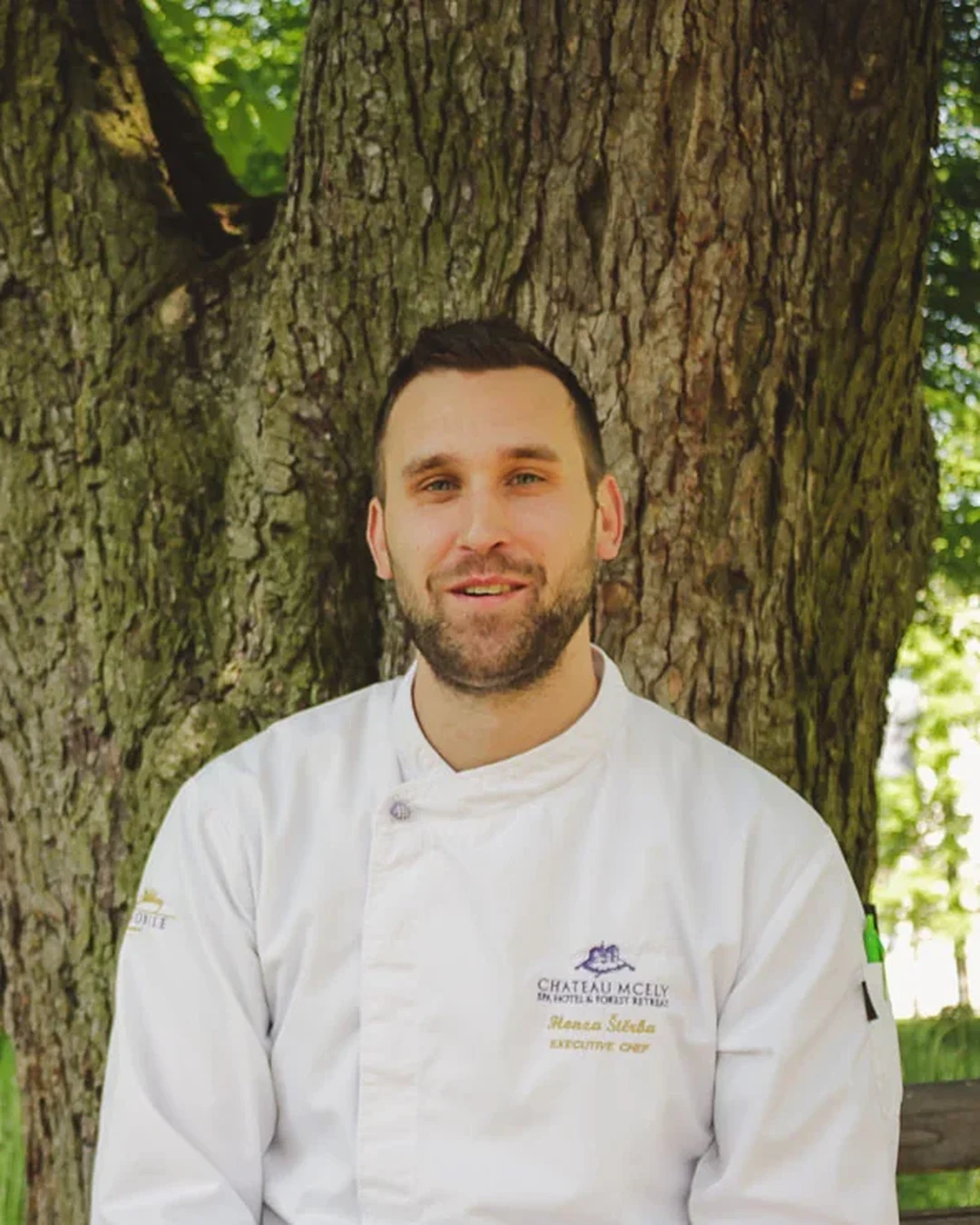
Made By profiles Honza Štěrba (Other) at Chateau Mcely.
How expensive is Chateau Mcely?
Chateau Mcely is listed at a price level of $$$$.
The field
How it compares
| Place | Awards | Notes |
|---|---|---|
| Chateau Mcely | Michelin 1 Key | Mcely, $$$$ |
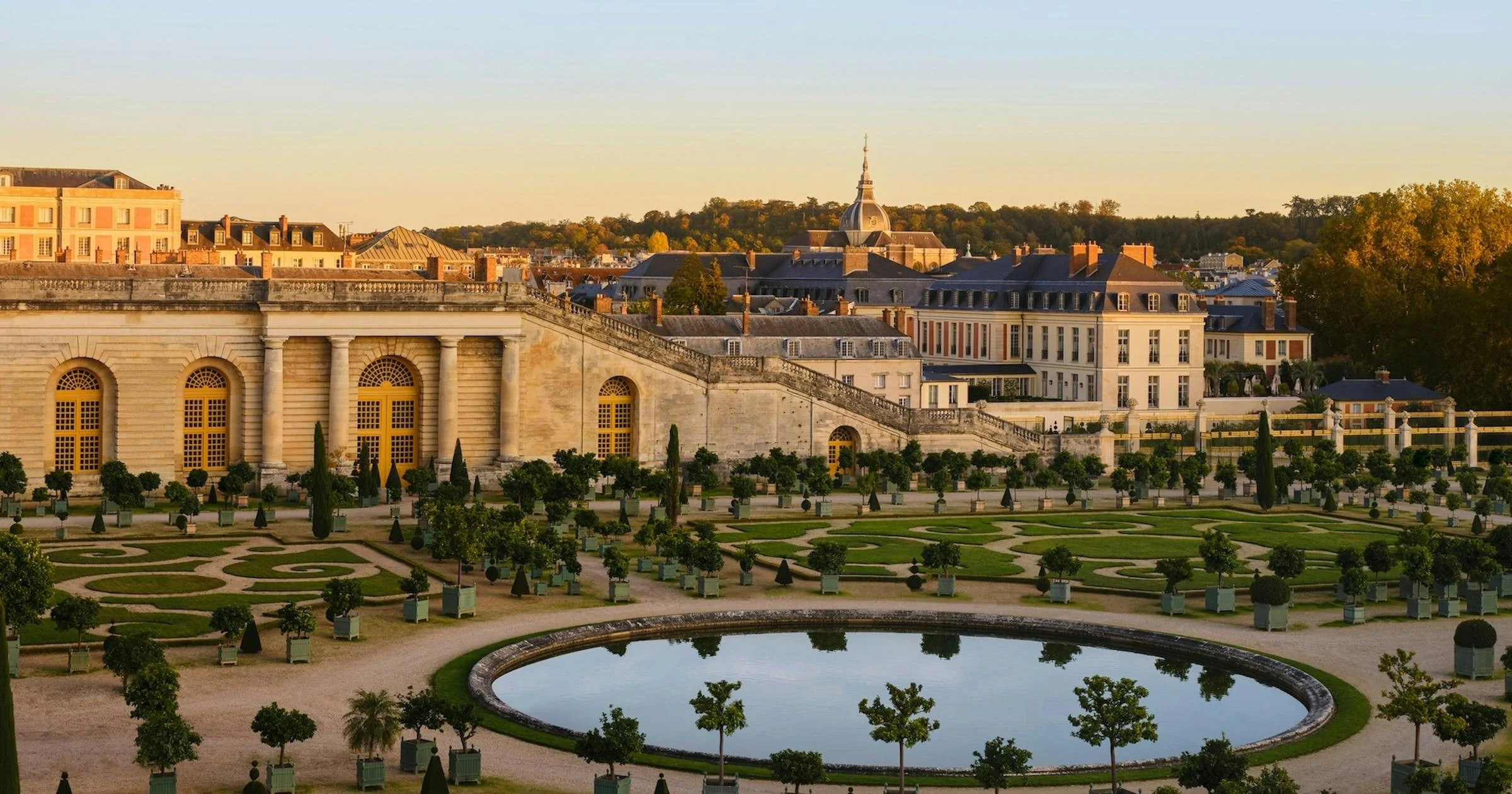
| Airelles Château de Versailles - Le Grand Contrôle | Michelin 3 Keys | Paris |
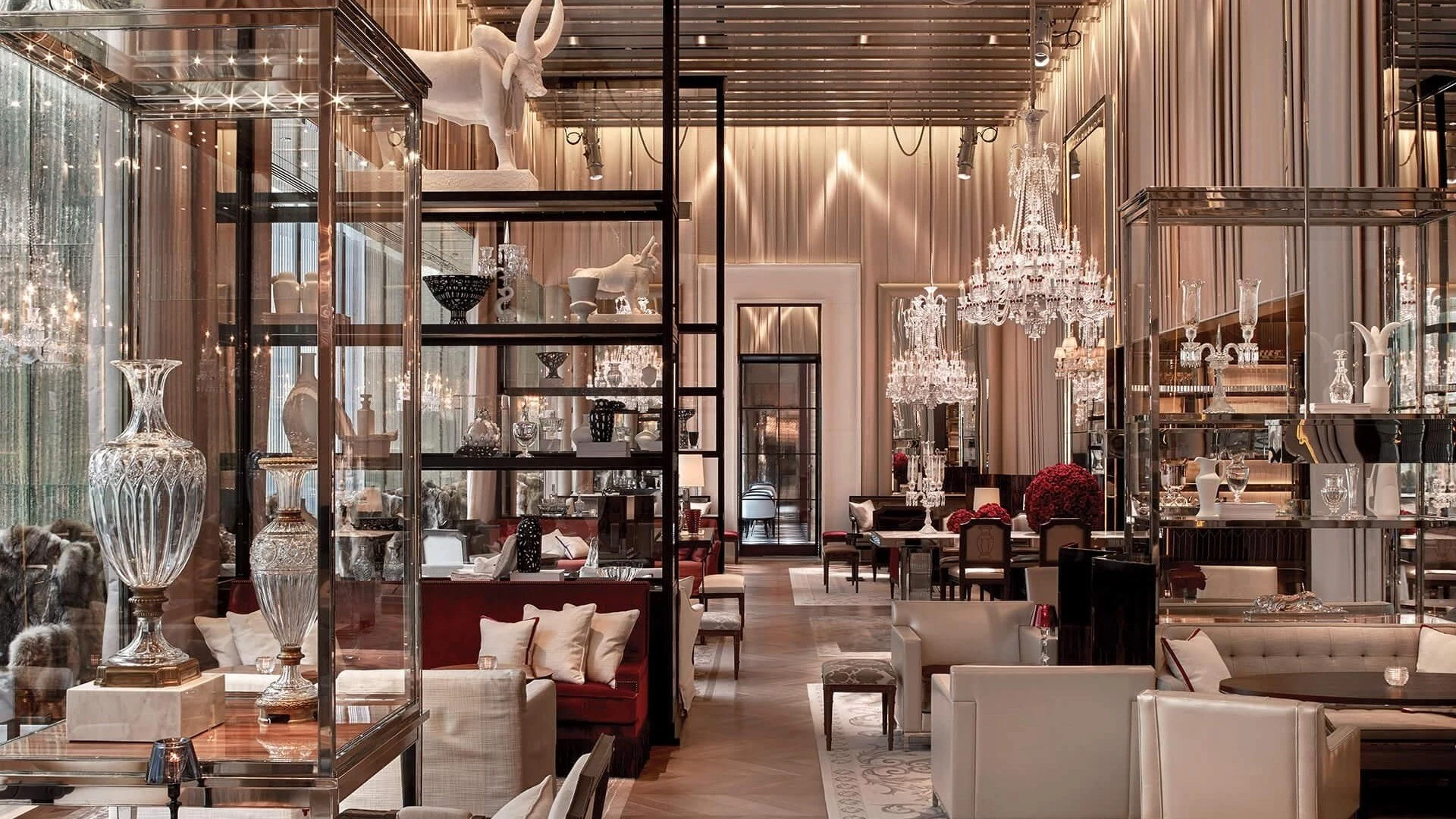
| Baccarat Hotel New York | Michelin 1 Key | New York City |
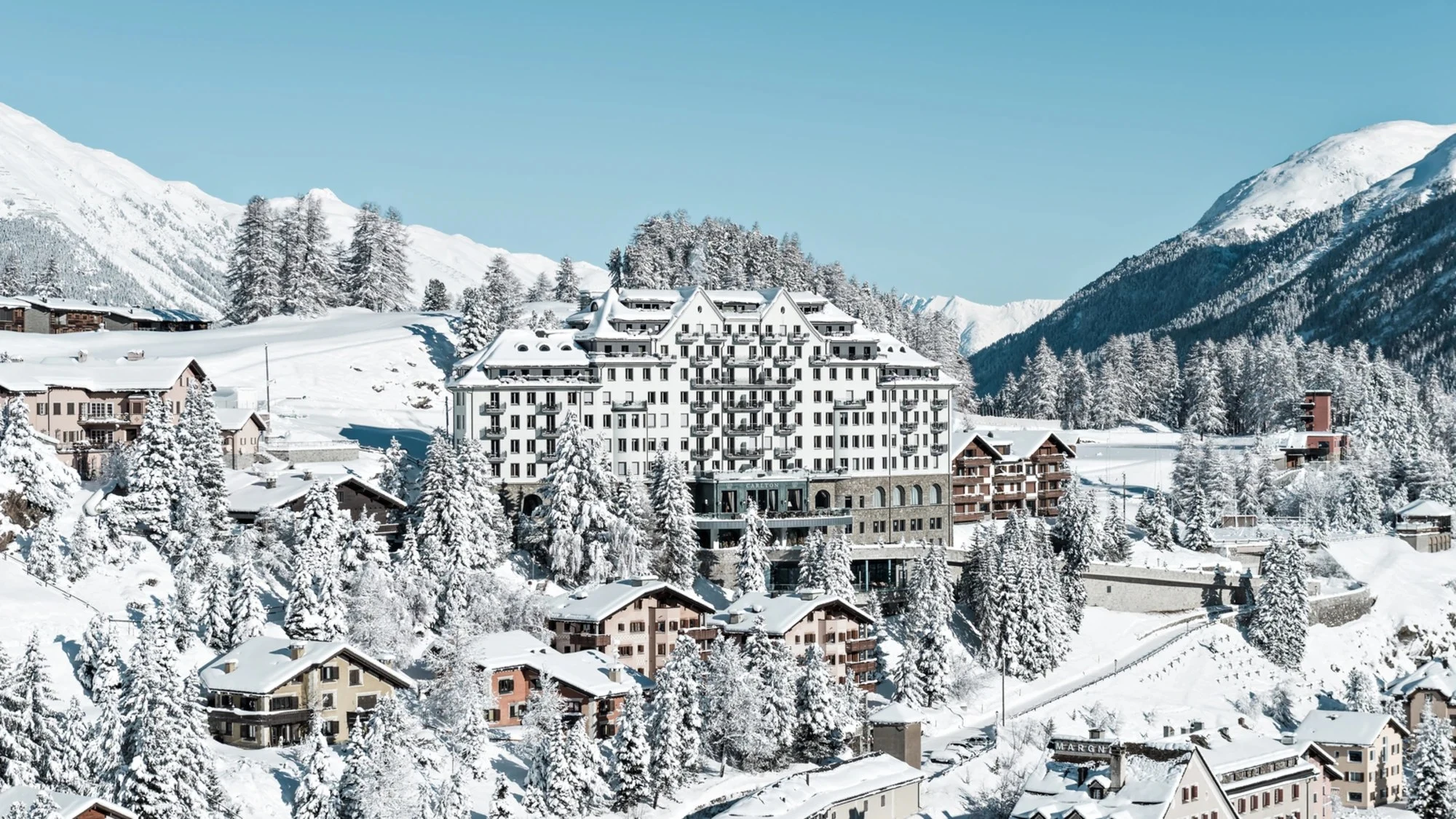
| Carlton Hotel St. Moritz | Michelin 3 Keys | St. Moritz |
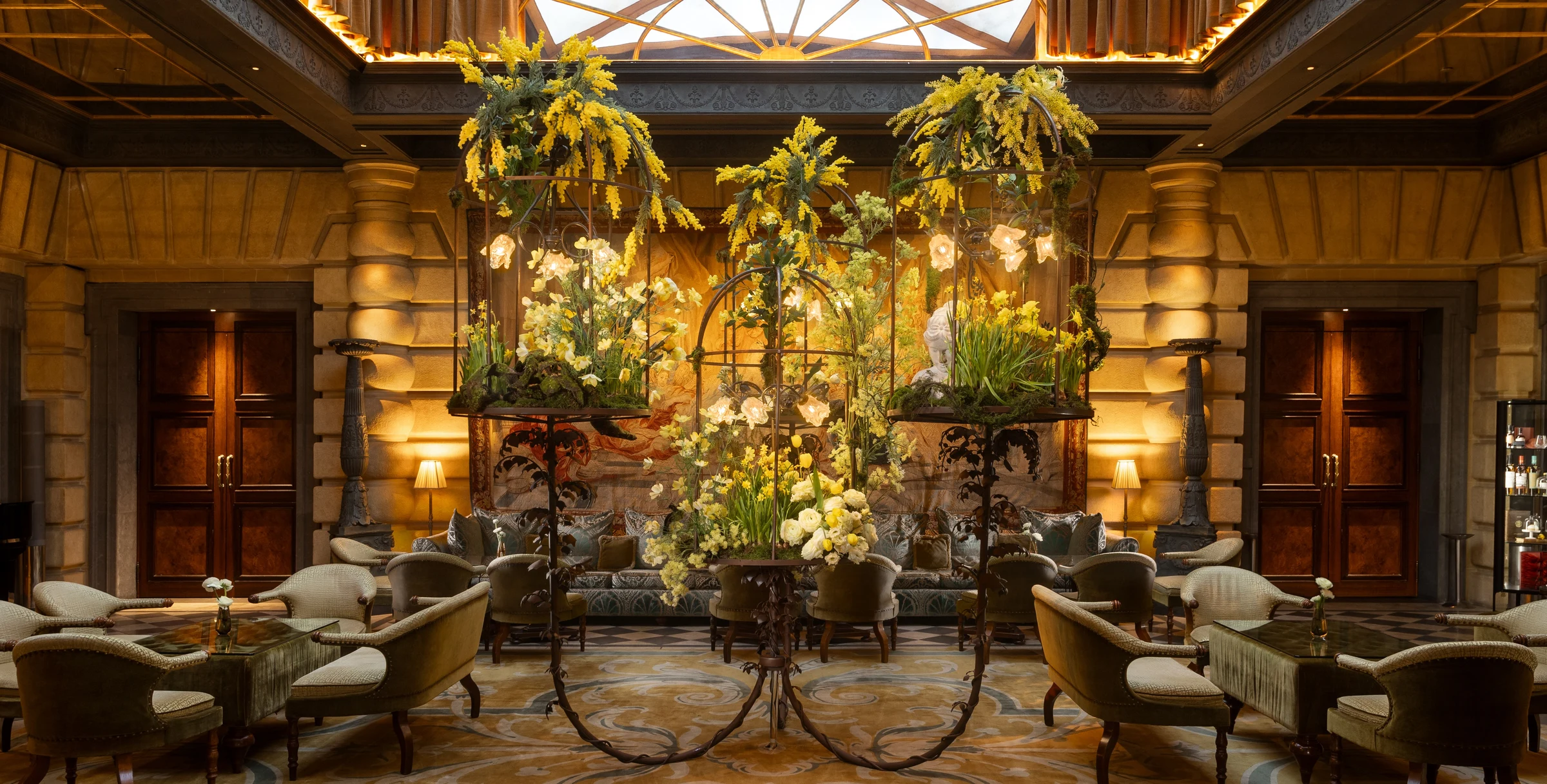
| Hotel Metropole, Monte-Carlo | Michelin 2 Keys | Monte Carlo |
| Hotel Sacher Wien | Michelin 3 Keys, World's 50 Best | Vienna |
| Le Grand Bellevue | Michelin 2 Keys | Gstaad |