Chef in Residence
John DaSilva
Chef

Chickadee occupies a quietly distinctive position in Boston's Seaport dining scene, drawing on European technique applied to the region's coastal and agricultural larder. The address at 21 Drydock Ave places it within the newer commercial fabric of the Innovation District, where kitchen ambition tends to outpace the neighbourhood's still-forming character. For Boston diners tracking where serious cooking is happening outside the historic centre, it registers as a considered option.
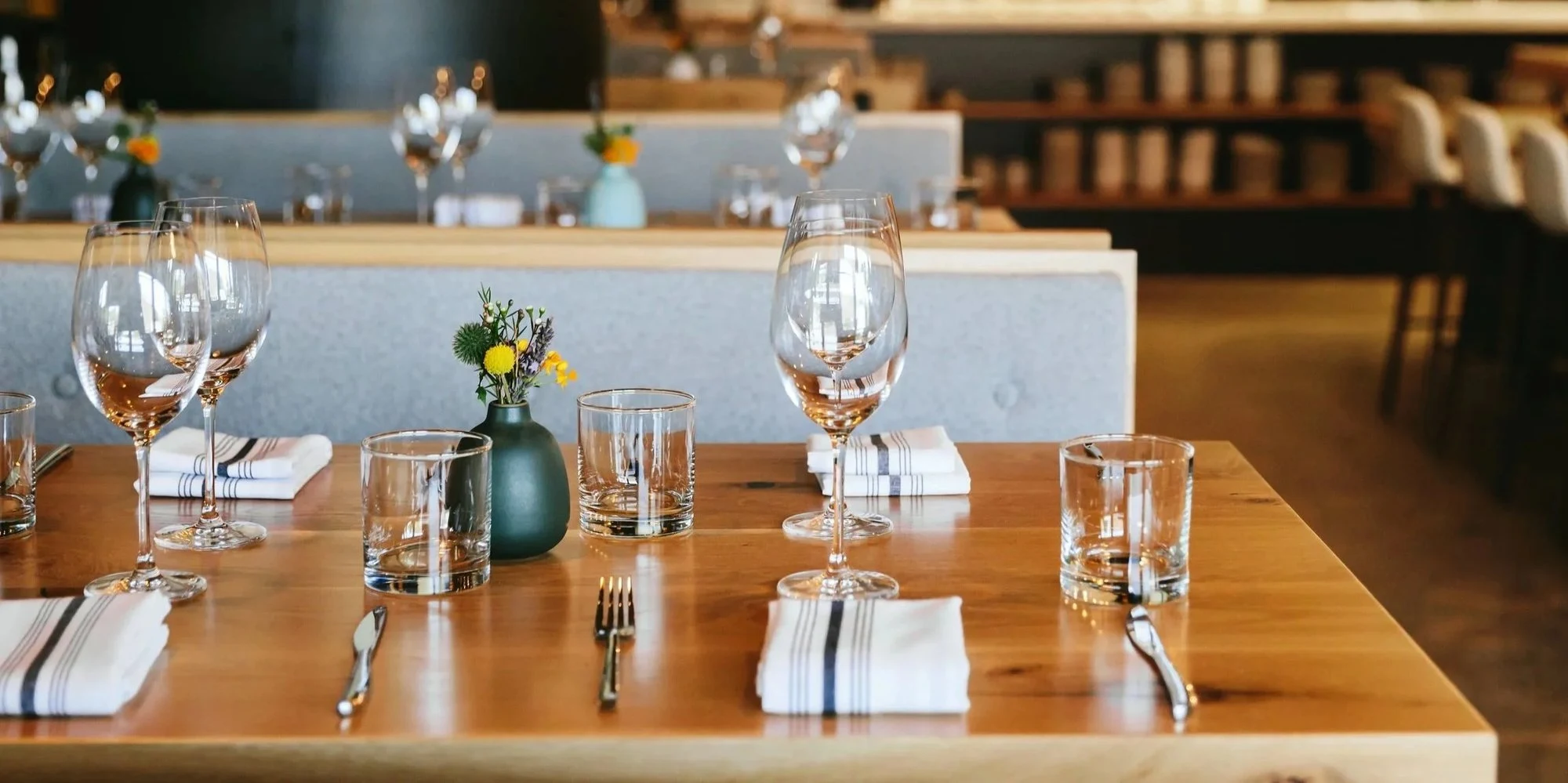
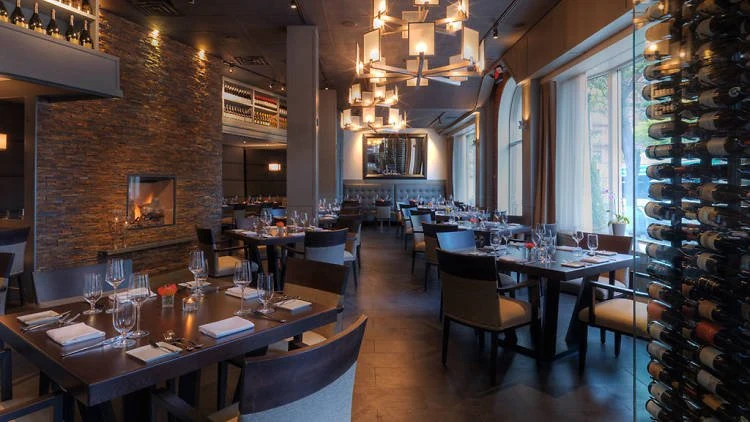
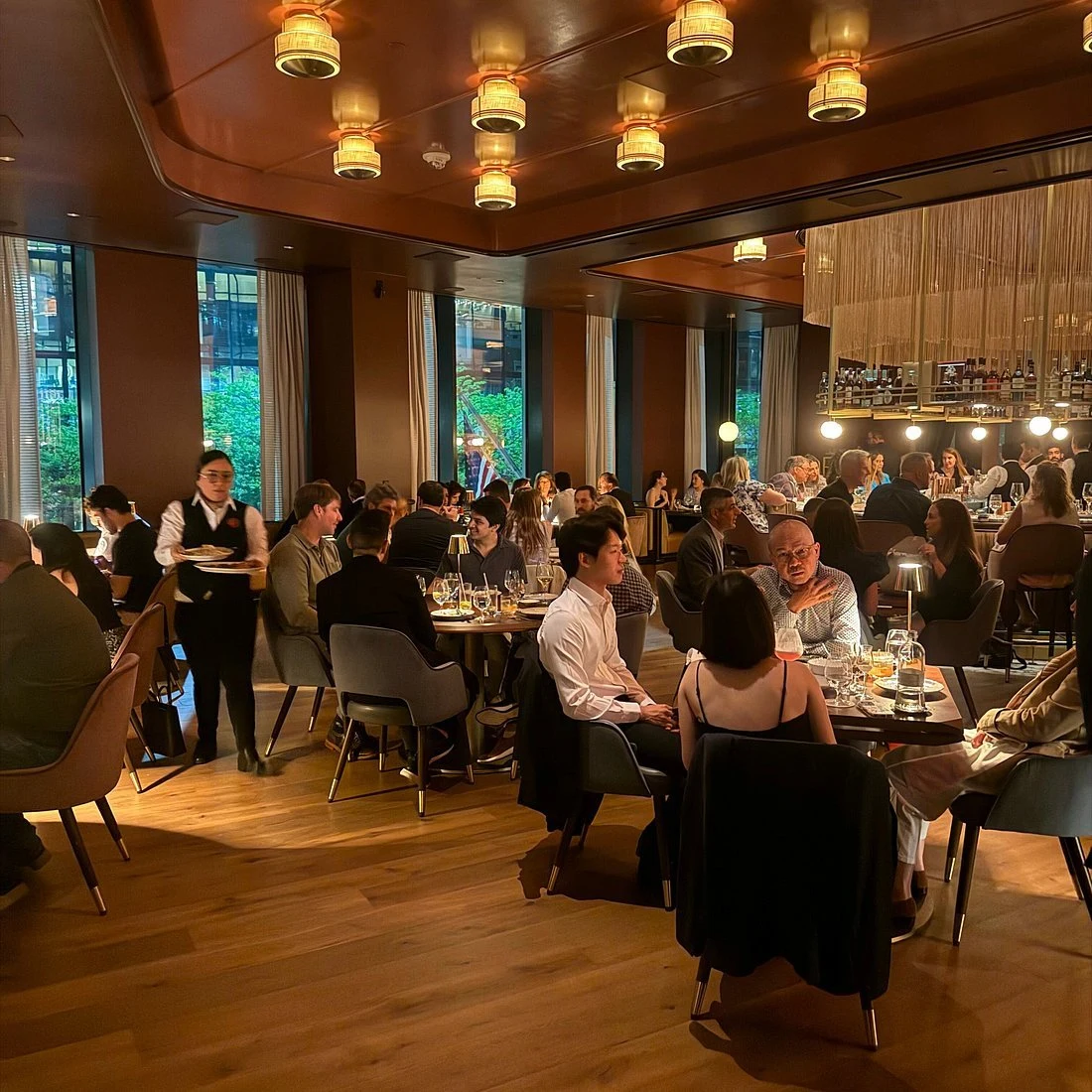
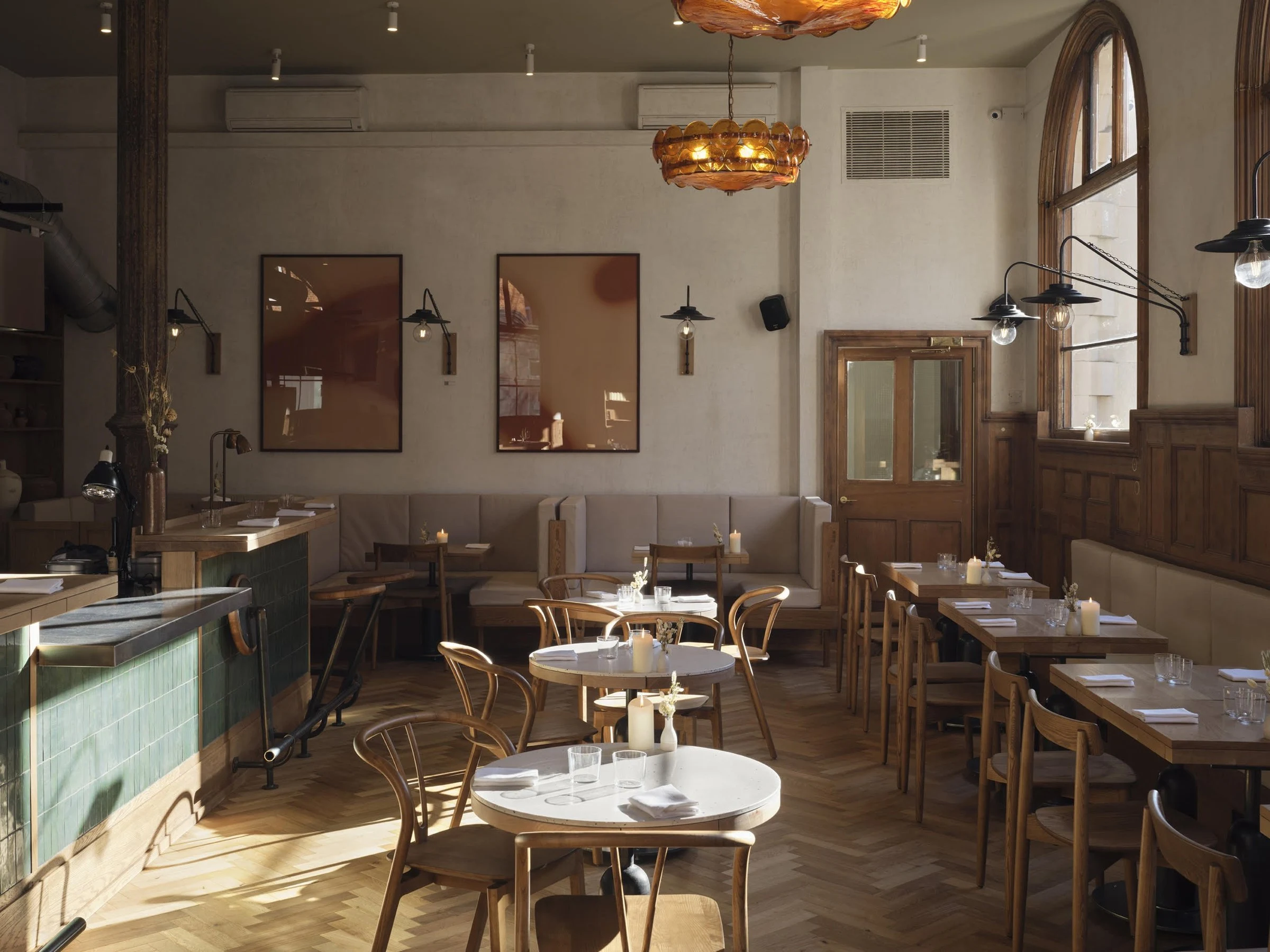
<h2>Seaport Dining and the Case for Technique-Driven Cooking</h2><p>Boston's Seaport District has spent the better part of a decade resolving an identity question: whether it would become a strip of national hospitality brands or develop culinary personality. The answer, increasingly, is both at once, which makes the restaurants that have committed to something specific more interesting by contrast. Chickadee, at 21 Drydock Ave, sits in this evolving context, operating from a part of the city where the built environment still feels provisional but the dining ambition is not.</p><p>The physical approach to the restaurant reflects the neighbourhood's character: wide streets, newer construction, the harbour visible in the middle distance. Inside, the register shifts. The room leans toward the kind of warm, material-focused design that has become a marker of serious independent restaurants in American cities over the past decade, prioritising intimacy and texture over spectacle. The cooking here belongs to a category that has gained traction across American fine dining, one where classical European methods are redirected toward domestic and regional sourcing rather than imported luxury product.</p><h2>Where the Kitchen's Logic Lives: Local Larder, Imported Method</h2><p>Chickadee fits most precisely at the intersection of imported technique and regional product. Kitchens at <a href="https://www.enprimeurclub.com/restaurants/blue-hill-at-stone-barns-tarrytown-restaurant">Blue Hill at Stone Barns in Tarrytown</a> and <a href="https://www.enprimeurclub.com/restaurants/single-thread">Single Thread Farm in Healdsburg</a> pushed this logic furthest, building menus almost entirely around their own agricultural programs. <a href="https://www.enprimeurclub.com/restaurants/smyth">Smyth in Chicago</a> applied it to the Midwest's seasonal extremes. The common thread is classical training used not to replicate European tradition but to surface what a particular region actually produces.</p><p>New England is a compelling region for this approach. The Atlantic coastline delivers shellfish, finfish, and seaweed of genuine quality; the interior, from the Pioneer Valley to Maine's farms, provides some of the most reliably sourced vegetables and dairy in the country. A kitchen that takes this geography seriously has material to work with across all seasons, including winter, which is where many American farm-to-table concepts run into difficulty. The cold months in Massachusetts still yield root vegetables, aged cheeses, preserved product, and cold-water seafood that performs better in December than August.</p><p>Boston's dining scene has historically been strong on raw product, particularly at the oyster bar and seafood level, venues like Neptune Oyster in the North End having built durable reputations on access to exceptional local catch. What Chickadee represents is a step further along that continuum: not just sourcing regional product but applying a systematic European culinary grammar to it. The comparison set nationally would include <a href="https://www.enprimeurclub.com/restaurants/providence">Providence in Los Angeles</a>, where the focus on domestic seafood is paired with precise technique, or <a href="https://www.enprimeurclub.com/restaurants/le-bernardin">Le Bernardin in New York City</a>, where French classical method shapes how fish is handled at every stage.</p><h2>The Boston Context: Where Chickadee Fits</h2><p>Boston's restaurant scene in the years following the Seaport's development has sorted itself into a few recognisable tiers. At the leading end, omakase-format counters like <a href="https://www.enprimeurclub.com/restaurants/311-omakase-boston-restaurant">311 Omakase</a> and long-established fine dining addresses like <a href="https://www.enprimeurclub.com/restaurants/1928-rowes-wharf-boston-restaurant">1928 Rowes Wharf</a> compete on product precision and format discipline. In the mid-to-upper casual register, addresses like <a href="https://www.enprimeurclub.com/restaurants/agosto-boston-restaurant">Agosto</a>, with its Portuguese-inflected tasting-menu counter, represent the kind of focused, chef-driven operation that has given Boston's independent dining scene more shape in recent years. Chickadee occupies adjacent territory, where the cooking philosophy is evident in each dish rather than reserved for a set-menu format.</p><p>The Seaport address itself is worth noting as a locational data point. Rents in the district have historically been high relative to the neighbouring South End or Cambridge, which has filtered out operators without strong backing or a clear commercial proposition. The restaurants that have survived and maintained culinary ambition in the area tend to have a specific identity rather than a generic approach. Chickadee's continued presence at 21 Drydock Ave is itself a signal of functional positioning, even without award-level validation on record.</p><p>For context on how technique-and-terroir programs function at the highest recognised tier nationally, it is useful to look at what separates Chickadee's comparable set from the Michelin-decorated or James Beard-recognised cohort. Kitchens like <a href="https://www.enprimeurclub.com/restaurants/the-french-laundry">The French Laundry in Napa</a>, <a href="https://www.enprimeurclub.com/restaurants/addison">Addison in San Diego</a>, and <a href="https://www.enprimeurclub.com/restaurants/the-inn-at-little-washington-washington-restaurant">The Inn at Little Washington</a> all apply classical structure to regional sourcing, but at a price point and format intensity that positions them in a different conversation entirely. At the international level, the farm-sourcing rigor of <a href="https://www.enprimeurclub.com/restaurants/atelier-moessmer-norbert-niederkofler-brunico-restaurant">Atelier Moessmer Norbert Niederkofler in Brunico</a> shows how far the indigenous-product logic can be pushed when a kitchen commits fully to a defined geography.</p><p>Chickadee's position is more accessible, both in format and presumably in price, which places it in the segment of American dining where technique-driven cooking is practised without the full ceremony of a destination restaurant. That is a legitimate and commercially sustainable tier, and in many cities it is where the most interesting eating actually happens. Comparable domestic examples include <a href="https://www.enprimeurclub.com/restaurants/lazy-bear">Lazy Bear in San Francisco</a> and Emeril's in New Orleans.</p><h2>Planning a Visit: What to Know</h2><p>Chickadee is at 21 Drydock Ave in the Seaport District, reachable from South Station by a short taxi or rideshare ride, or on foot from the Silver Line's Courthouse stop. For current booking availability, hours, and menu format, check directly with the restaurant. For a broader read on Boston's dining options across neighbourhoods and price tiers, the EP Club Boston restaurants guide covers the full range, from the waterfront addresses like <a href="https://www.enprimeurclub.com/restaurants/75-on-liberty-wharf-boston-restaurant">75 on Liberty Wharf</a> to steakhouse staples like Abe and Louie's.</p>
Chickadee is located at 21 Drydock Ave, Boston, MA 02210, Boston.
Chickadee at 21 Drydock Ave distinguishes itself within the Seaport by grounding European culinary technique in New England's regional larder rather than operating as a straightforward continental import. Most European-influenced restaurants in the district skew toward Italian or French formats with broadly sourced ingredients; Chickadee's documented emphasis on local product gives its cooking a geographic specificity that fits the independent Boston restaurant scene more than the Seaport's hospitality-group norm. That combination of method and place-based sourcing puts it closer in spirit to kitchens in the South End or Cambridge than to its immediate Drydock Ave neighbours.
Specific menu items are not independently verified in current data for Chickadee at 21 Drydock Ave. The kitchen's documented positioning centers on European culinary method applied to New England's regional larder, so expect preparations where sourcing and technique carry equal weight. Checking directly with the restaurant before visiting will give you the clearest picture of what's currently on the menu.
Chickadee is located at 21 Drydock Ave in Boston's Seaport District, a neighbourhood that draws consistent demand from both business and leisure diners. During peak periods — summer and the winter holiday season — reserving two to three weeks ahead is a reasonable baseline. The restaurant's current booking channel is best confirmed directly, as phone and website details are not verified in our current data.
Chickadee's standing in the Boston Seaport dining tier is built on applying European culinary frameworks to New England's regional ingredient base — a positioning that separates it from both the district's national hospitality imports and its purely seafood-forward neighbours. That intersection of imported method and indigenous product has given the kitchen a coherent editorial identity within a scene that spent years sorting out its own. It occupies the tier of technique-attentive independent restaurants that reward diners tracking how a kitchen thinks, not just what it plates.
Verified current menu data for Chickadee is not available, so specific vegetarian options can change here. Kitchens with a documented emphasis on regional New England sourcing typically work with seasonal produce as a structural component rather than an afterthought, which tends to support vegetable-forward options. Contacting Chickadee directly at 21 Drydock Ave before your visit is the most reliable way to confirm what the current menu offers. Check the venue's official channels for the latest details.
Within the Boston Seaport tier, Chickadee occupies a position where cooking philosophy justifies attention from diners tracking technique-driven independent restaurants rather than brand-name hotel dining rooms or national chains. Price range data is not verified in current records, so the specific spend per head should be confirmed directly. For context, the Seaport's serious independent kitchens generally sit in the mid-to-upper range for Boston dining, where a full dinner for two with drinks lands north of $150.
21 Drydock Ave, Boston, MA 02210
Seaport District

Classic Steakhouse & Seafood Grill
Grill 23 & Bar
Boston, United States

Edomae-style Omakase
311 Omakase
Boston, United States
★

Modern French American Nouveau
Deuxave
Boston, United States

Japanese
ZURiTO
Boston, United States

Modern Regional Italian
La Padrona
Boston, United States

Modern Italian Enoteca
Fox & The Knife
Boston, United States