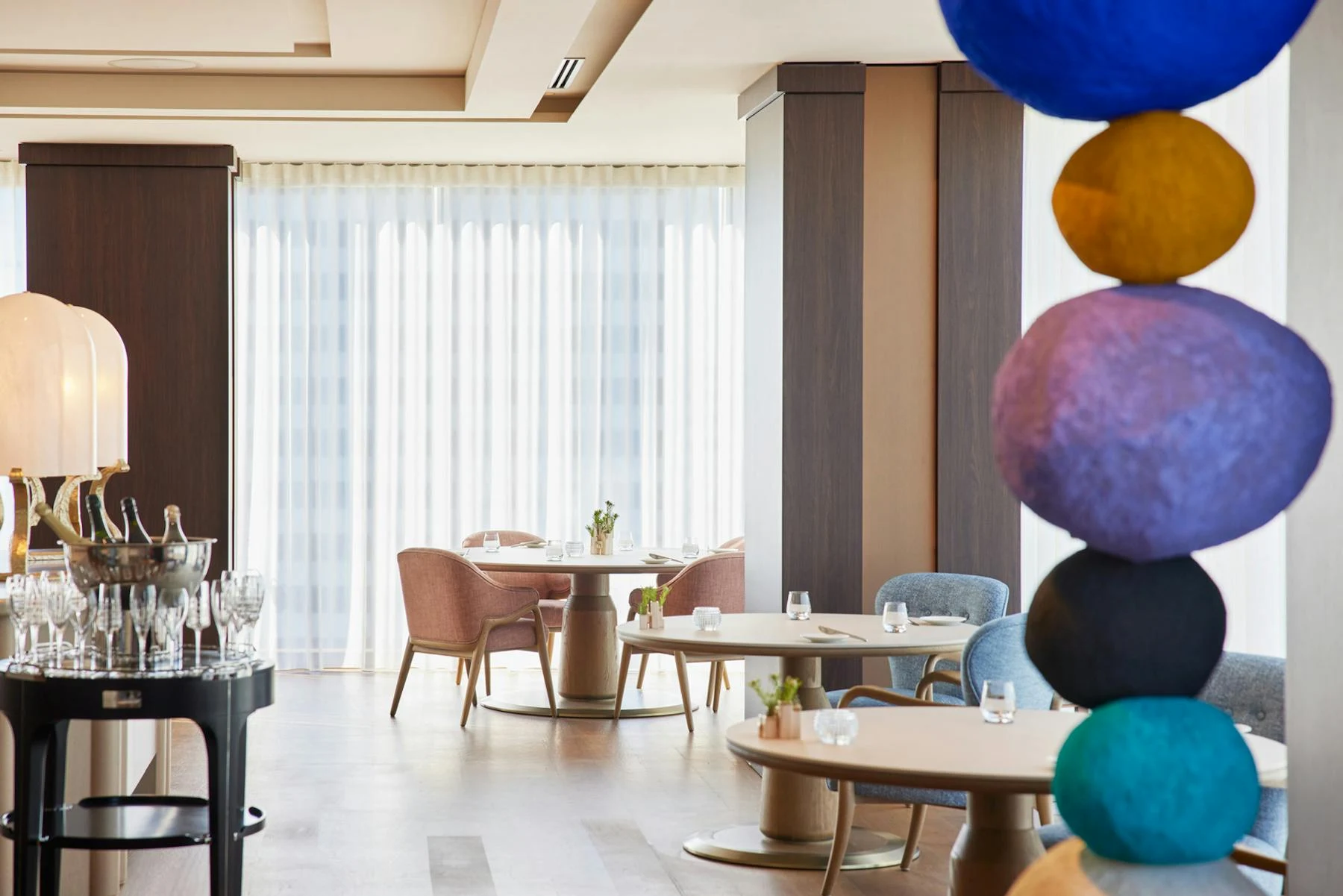
Chiune
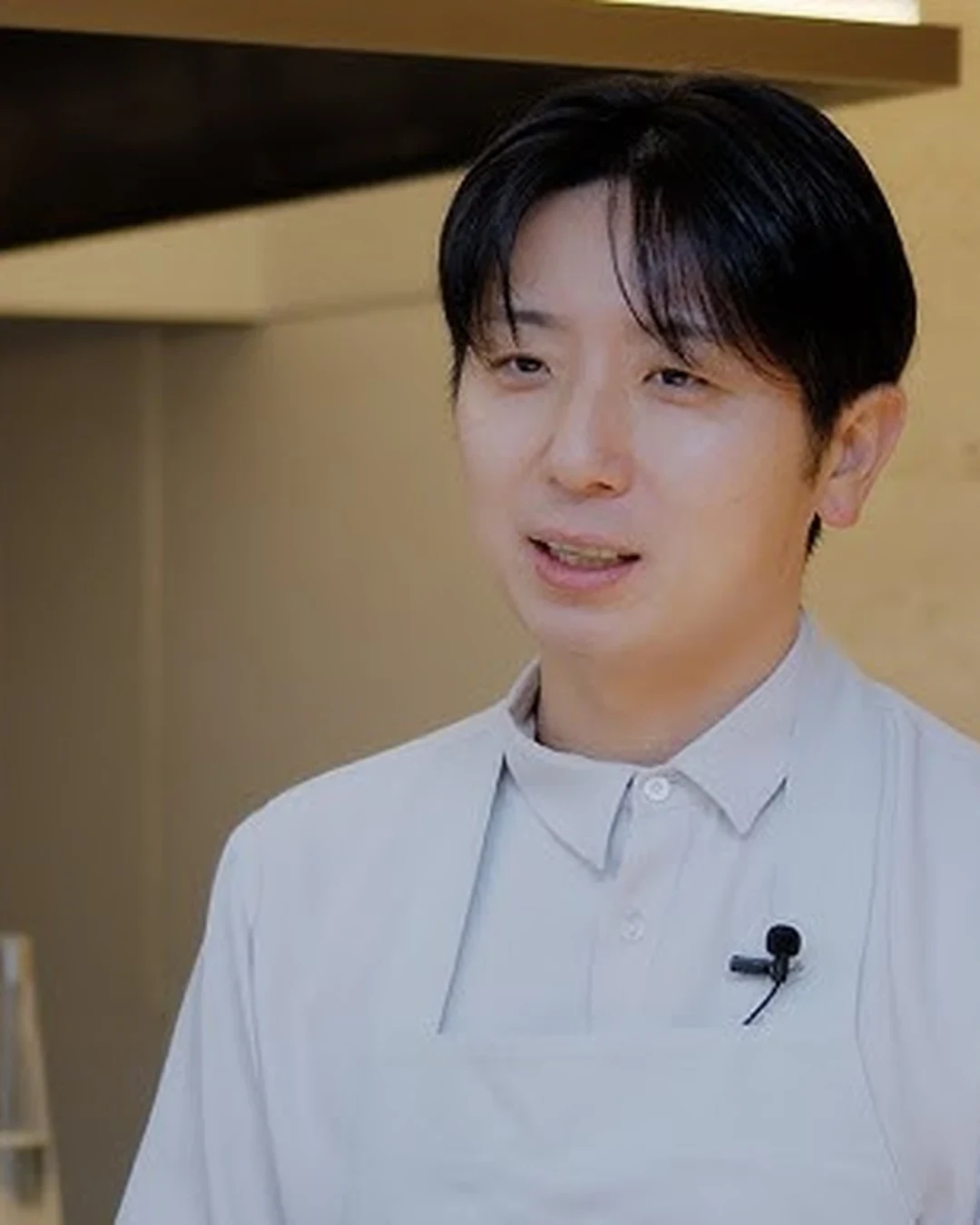
In Residence
Satoshi Furuta
Chef
- 01CuisineInnovative Japanese-French Fusion Omakase
- 02CityTokyo, Japan
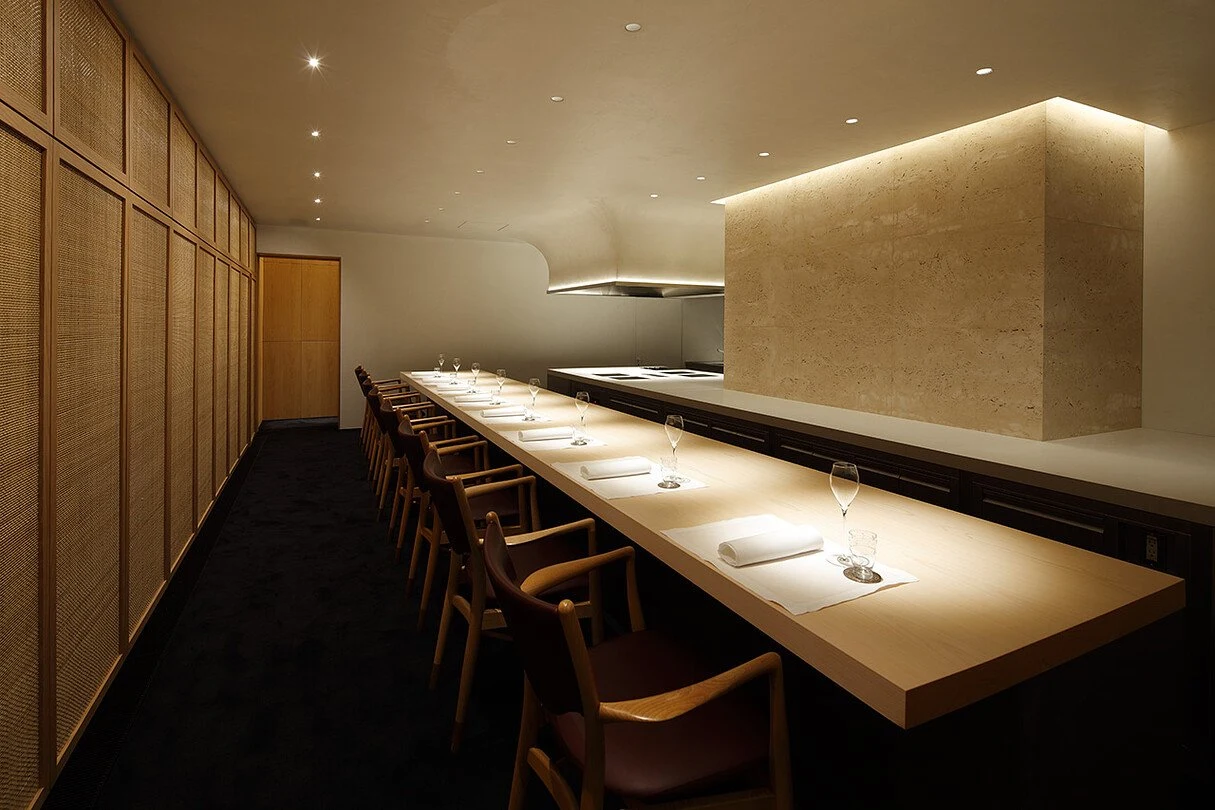
- Tabelog Silver #16: 4.5pts · 2026
- Opinionated About Dining Top Restaurants in Japan Ranked #77 · 2026
- Tabelog Silver · 2025
- Opinionated About Dining Top Restaurants in Japan Ranked #75 · 2025
- Tabelog 100 #4: 4.5pts · 2025
- Opinionated About Dining Top Restaurants in Japan Ranked #51 · 2024
- Opinionated About Dining Top Restaurants in Japan Ranked #49 · 2023
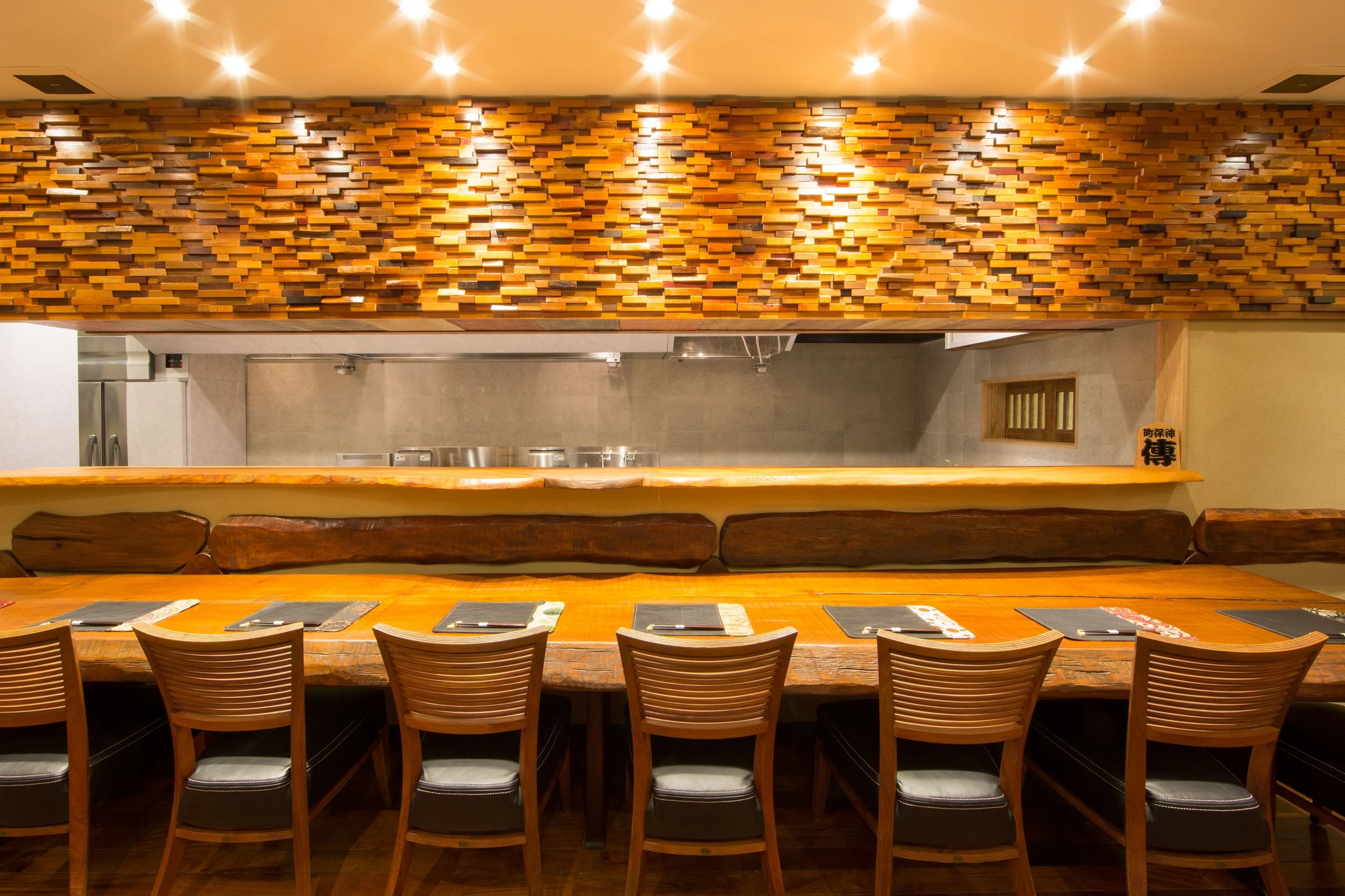
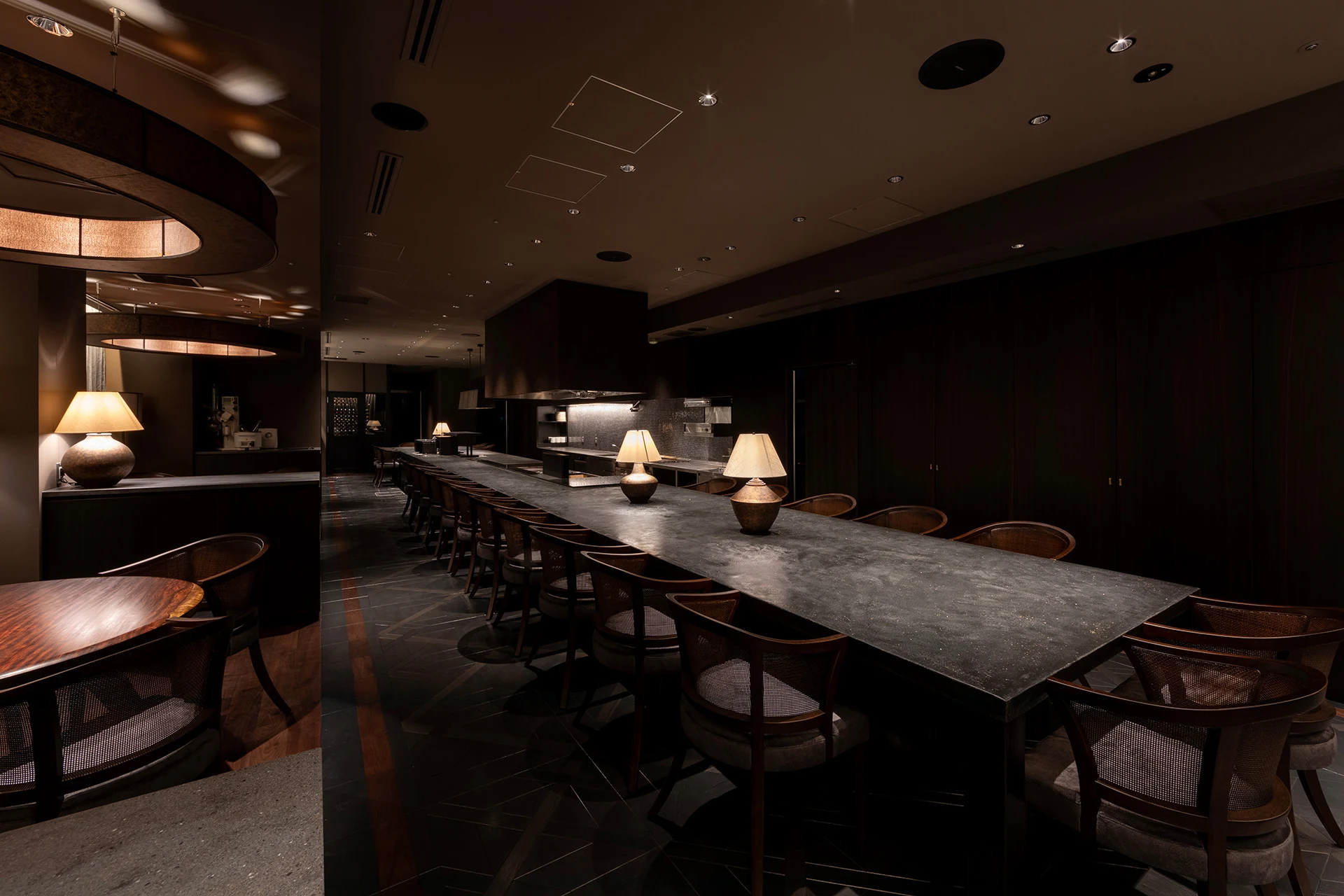
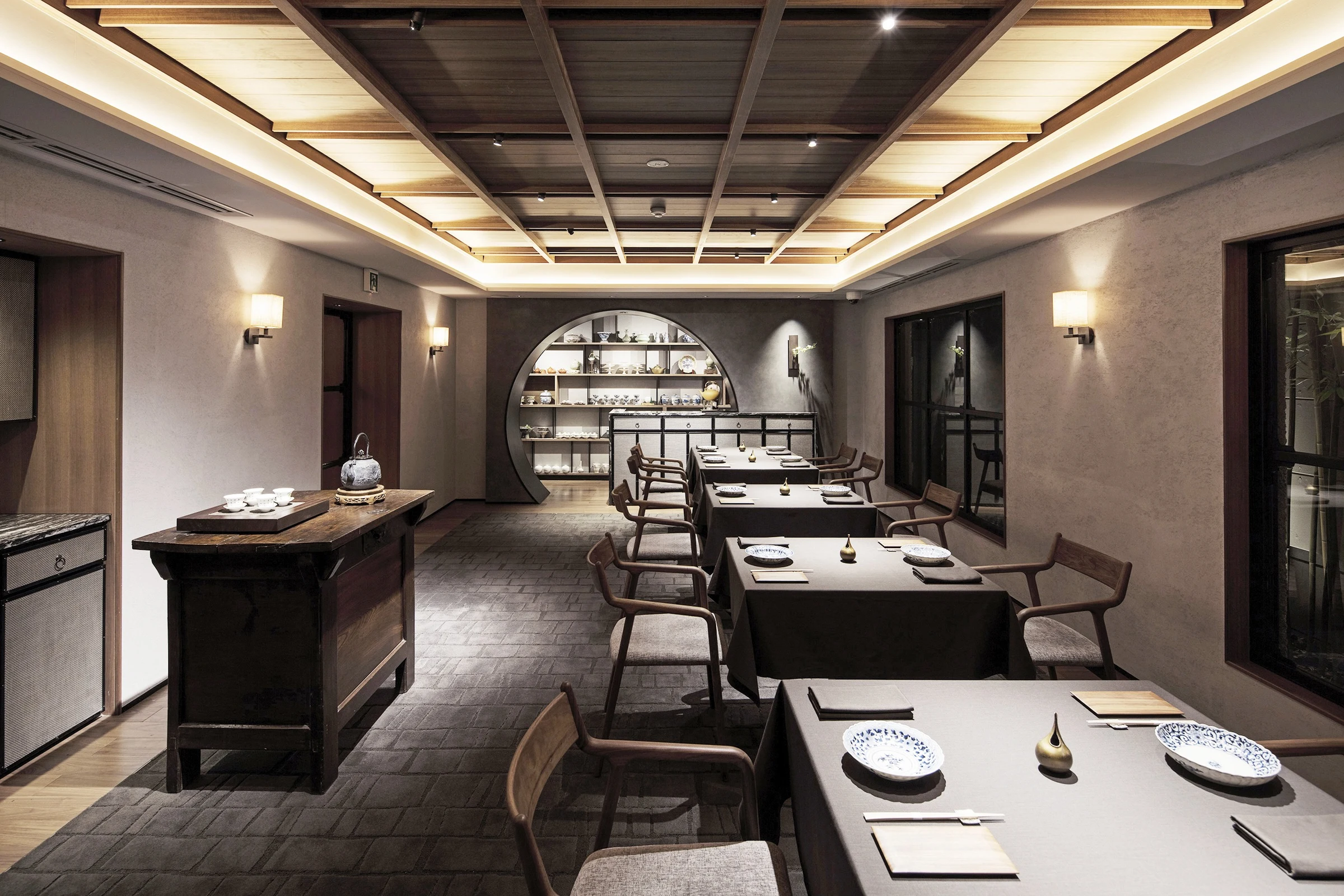
Approach Chiune Tokyo as part of Tokyo’s high-spend dining culture: not a restaurant that should be reduced to spectacle or to easy category language, but a serious dining room where the evening is best judged by the experience as a whole. Its public profile is best understood through confirmed recognition rather than unsupported detail. Tokyo’s serious diners often follow restaurants with a defined point of view, and Chiune has earned that kind of attention.
The confirmed signal here is clear enough without overloading it with unsupported specifics. Opinionated About Dining includes Chiune in its 2026 restaurant coverage, giving the restaurant a current point of recognition beyond local word of mouth. That places it in the conversation for diners who are not paying for novelty alone, but for a restaurant’s ability to hold interest across a full evening.
Chiune in Tokyo, filtered through a precise restaurant point of view
Tokyo’s contemporary dining scene is hard to parse from outside because the same broad language can cover many modes. Some rooms emphasize tradition, some lean toward broader technique, others build a more personal restaurant rhythm. Chiune sits in that serious Tokyo bracket, though the category only goes so far. Its appeal is better framed through focus, restraint, and a clear sense of purpose than through unverified labels.
The restaurant’s identity reads less like a fashionable address than a dining room with a clear internal logic. That matters in Tokyo. The city has no shortage of expensive rooms, but the better ones do not depend on postcode, décor, or imported status language. They persuade diners through the confidence of the meal itself, and Chiune’s current recognition suggests that it belongs in that more selective conversation.
The comparison set helps. Hasegawa Minoru, AO, and l' Equateur all sit in Tokyo’s upper contemporary bracket, each in a different emotional register. Chiune’s case rests on current recognition and the seriousness of the experience rather than on a single convenient label. For a broader map, Our full Tokyo restaurants guide gives the context.
Why the recognition matters more than the label
Broad restaurant labels can be loose taxonomy, but Chiune’s recognition sharpens the picture. Opinionated About Dining’s 2026 coverage is a useful international signal because it places the restaurant within a field of venues followed by diners who care about consistency, personality, and control. For a Tokyo restaurant, that external attention matters most when it supports what serious local dining already demands: focus over noise.
The practical reading is also important. Chiune is not best treated as a casual stop or a broad introduction to everything Tokyo can offer. It belongs in the zone where an evening is judged against the city’s serious restaurants and tasting-led dining rooms. The question is not whether the restaurant is simply “worth it” in the abstract; the better question is whether the diner wants a concentrated Tokyo meal with a point of view rather than a survey of familiar categories.
For visitors building a Tokyo itinerary, Chiune is a focused restaurant choice, not a general Japan introduction. First-time visitors chasing breadth may want to understand several forms of Tokyo dining before committing a prime evening here. Diners who already know the city’s range will see the appeal faster: this is for comparing how Tokyo restaurants can express structure and precision without needing to explain themselves too loudly.
How to place it in a Tokyo dining itinerary
Tokyo rewards specificity. One trip can include a quiet dinner, a modern room, and a later stop elsewhere in the city, but strong itineraries avoid stacking similar high-intensity meals on consecutive nights. Treat Chiune as the evening’s anchor, not a stop between plans. Build the rest of the day around enough space and calm to arrive ready for a meal that asks for attention.
The practical mindset should be disciplined even where details may change. This is not the sort of restaurant to treat as a casual drop-in, a flexible family meal, or an afterthought between other bookings. Confirm reservations, timing, payment expectations, and any room policies directly before you commit. The better approach is to plan it as a serious adult dinner where the experience itself is the main event.
Adjacent planning matters too. If Chiune is dinner’s centerpiece, keep the rest of the day lighter and closer to the city’s cultural rhythm than to another elaborate tasting menu. For hotels, bars, wineries, and experiences around the same trip, use Our full Tokyo hotels guide, Our full Tokyo bars guide, Our full Tokyo wineries guide, and Our full Tokyo experiences guide. Diners comparing creative cooking across Tokyo can also look at Hasegawa Minoru, AO, l' Equateur, and other serious dining rooms in the city. For wider contrast with Japan’s dining range, use the Tokyo guide as the starting point rather than treating Chiune as a one-meal summary of the city.
Questions
Frequently asked
Who works at Chiune?
Made By profiles Satoshi Furuta (Chef) at Chiune.
How expensive is Chiune?
Chiune is listed at a price level of $$$$.
Where is Chiune and what does it serve?
Chiune is in Minato, Tokyo, serving Innovative Japanese-French Fusion Omakase.
The field
How it compares
| Place | Cuisine | Notes | Awards |
|---|---|---|---|
| Chiune | Innovative Japanese-French Fusion Omakase | Minato, $$$$ | · |
| Den | Modern Japanese Kaiseki | Tokyo | Michelin 2 Stars, World's 50 Best |
| Florilège | Modern French-Japanese Plant-Based Fine Dining | Tokyo | Michelin 2 Stars, World's 50 Best |
| Narisawa | Modern Japanese Satoyama Fine Dining | Tokyo | Michelin 2 Stars, World's 50 Best |
| Quintessence | Modern French Fine Dining | Tokyo | Michelin 3 Stars |
| Sazenka | Modern Chinese Fine Dining | Tokyo | Michelin 3 Stars, World's 50 Best |
| Sézanne | Modern French Fine Dining | Tokyo | Michelin 3 Stars, World's 50 Best |
In residence
Similar places
Modern Japanese Kaiseki
Den
Tokyo, Japan
★★ · 50 Best
Modern French-Japanese Plant-Based Fine Dining
Florilège
Tokyo, Japan
★★ · 50 Best
Modern Japanese Satoyama Fine Dining
Narisawa
Tokyo, Japan
★★ · 50 Best
Modern French Fine Dining
Quintessence
Tokyo, Japan
★★★
Modern Chinese Fine Dining
Sazenka
Tokyo, Japan
★★★ · 50 Best
Modern French Fine Dining
Sézanne
Tokyo, Japan
★★★ · 50 Best