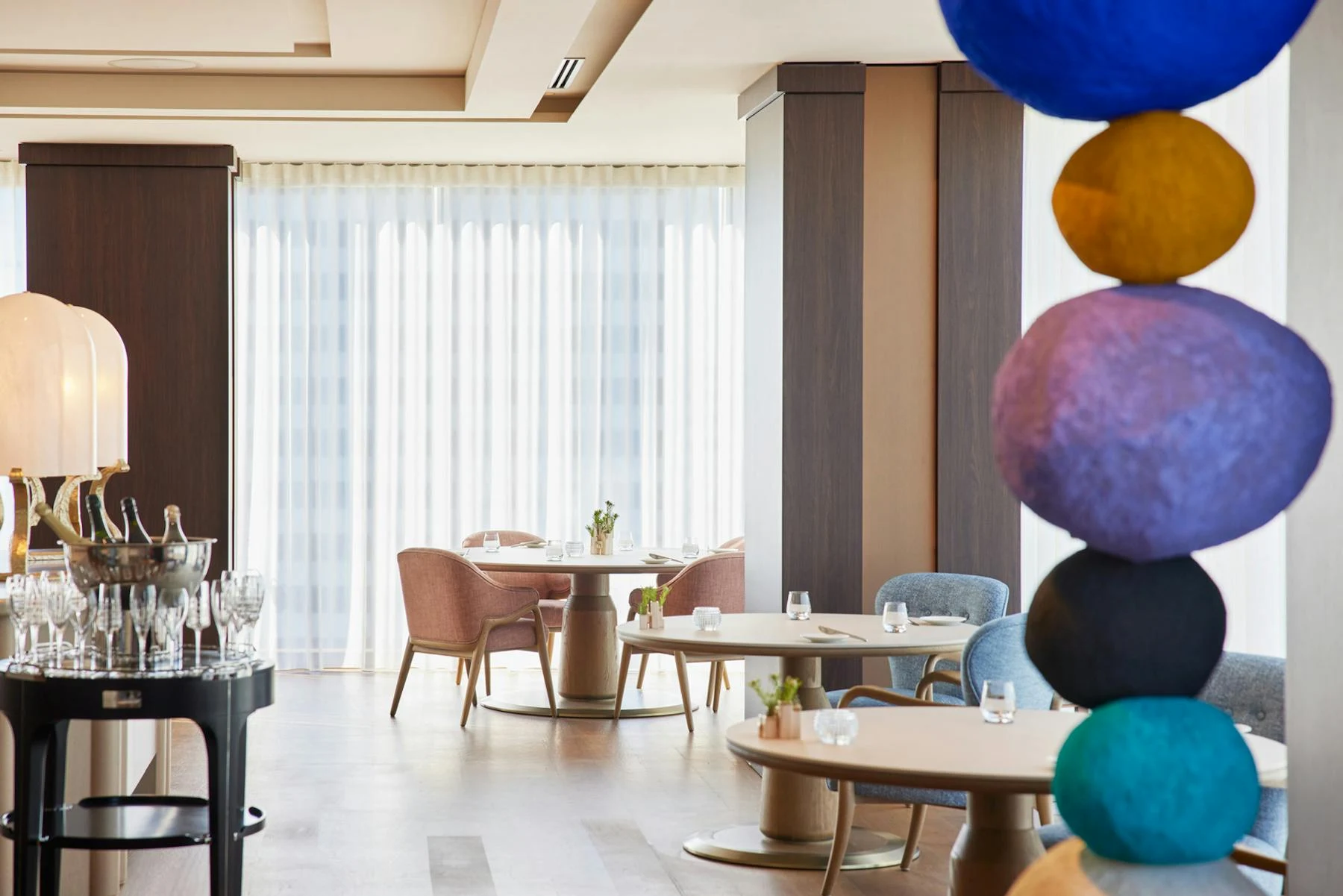
Hasegawa Minoru
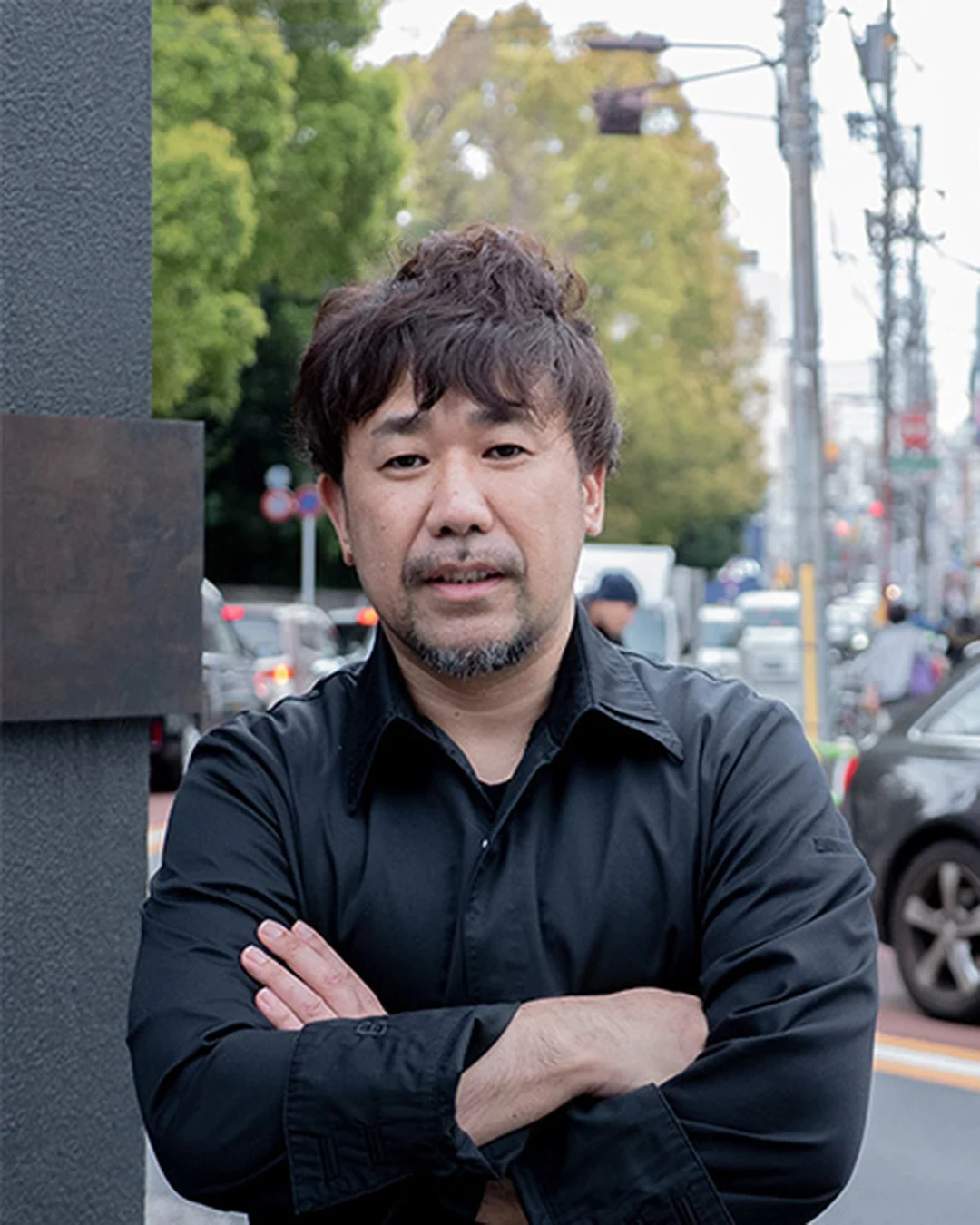
In Residence
Minoru Hasegawa
Chef
- 01CuisineModern Japanese Innovative Omakase
- 02CityTokyo, Japan
- Opinionated About Dining Top Restaurants in Japan Recommended · 2026
- Tabelog 100 #49: 4.2pts · 2025
- Opinionated About Dining Top Restaurants in Japan Ranked #183 · 2025
- Opinionated About Dining Top Restaurants in Japan Ranked #213 · 2024
- Opinionated About Dining Top Restaurants in Japan Ranked #103 · 2023
Minamiazabu moves at a different dining tempo from Ginza or Roppongi. Around Hiroo, the streets feel residential first, expensive second: embassies, low-rise apartment blocks, discreet entrances, and a quiet that makes Tokyo’s small-room restaurants feel less like nightlife than appointments. That setting matters for Hasegawa Minoru because Tokyo’s innovative cuisine is increasingly defined by intimacy, control, few diners, fixed pacing, and close attention to sourcing.
In Tokyo, “innovative” can borrow from French tasting-menu structure or bend toward kaiseki seasonality without calling itself washoku. Stronger rooms treat ingredients as the organizing principle, not garnish to technique. Hasegawa Minoru’s public category is Innovative, but its context is more precise: small-capacity Tokyo dining where provenance, timing, and sequence matter as much as luxury ingredients.
A four-seat format inside Tokyo's ingredient-led dining tier
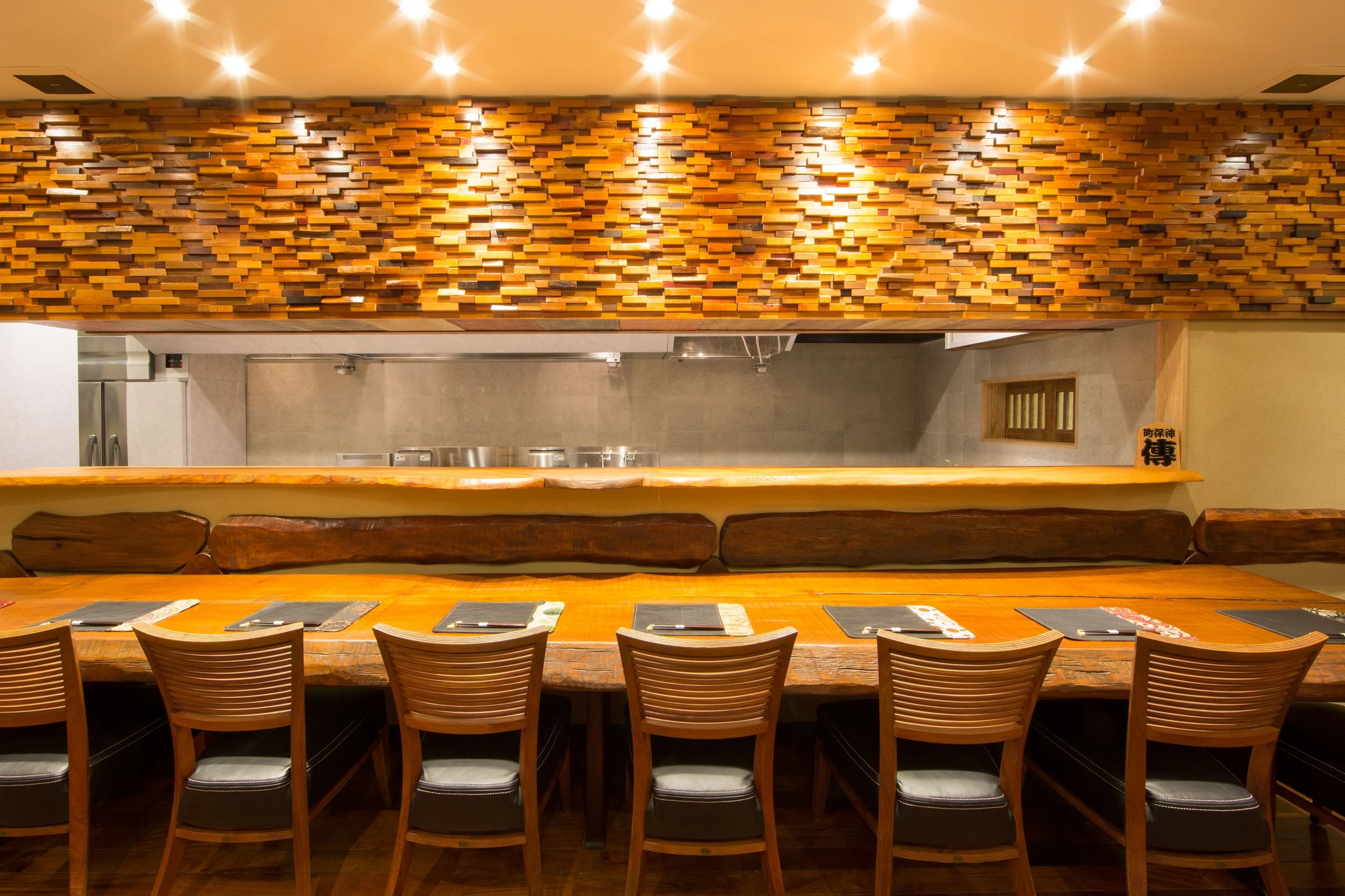
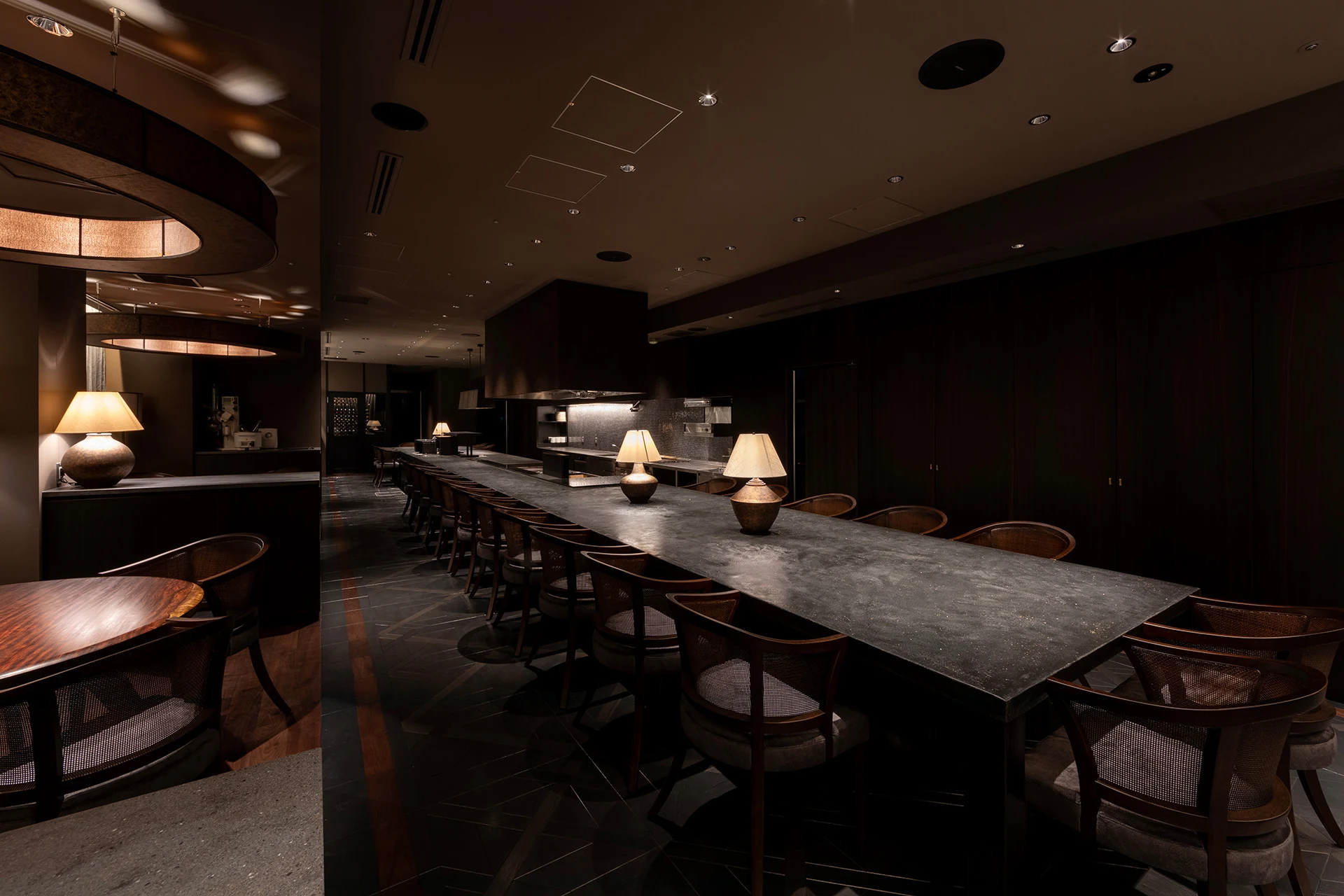
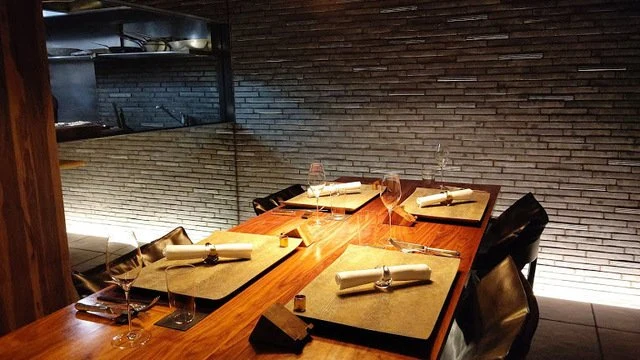
The four-seat count is not a minor operational detail; it changes the proposition. Tokyo has many tasting counters, but a room this small shifts the meal from grand restaurant choreography to a controlled, almost private format. For diners used to larger dégustation rooms, that scale can feel severe. For those who care about rhythm, temperature, and the handoff between kitchen and guest, it is the point.
Ingredient sourcing is the natural lens. Japan’s high-end dining has long prized seasonality, while Tokyo’s newer innovative kitchens widen the vocabulary: regional vegetables, seafood calendars, fermentation, European technique, and luxury produce can share a meal if the kitchen has discipline. The risk is confusion; the stronger approach is subtraction, letting sourcing define the arc rather than forcing every course to announce technique. Hasegawa Minoru’s recognition in Tabelog’s Innovative and Creative Cuisine 100 selection for 2025 suggests Japanese diners read it within that exacting category, not as novelty.
The awards record gives unusual continuity. The Tabelog Award lists Silver recognition in 2019, 2020, 2021, 2022, 2023, 2025, and 2026, with Bronze in 2024. That pattern matters more than one badge because Tabelog’s high-end audience is granular and unforgiving. A 2026 Tabelog score of 4.20 and Silver status place the room among heavily scrutinized Tokyo addresses, while Opinionated About Dining includes it in its 2026 Top Restaurants in Japan Recommended list. Awards do not explain the food, but they clarify expectation: this is not casual creative cooking with a premium bill; it is a small-format restaurant in a demanding national category.
Where it fits among Tokyo's innovative counters
Tokyo’s innovative dining scene is less unified than its sushi or tempura traditions. Some rooms lean wine-driven modern European, others Japanese seasonality through French technique, others a looser creative register. Comparison helps. Chiune and l' Equateur frame the more formal end of the city’s innovative category, where tasting-menu structure and precision matter. AO and Kabi show other ways Tokyo interprets contemporary Japanese ingredients outside classical genre lines. jiü adds another reference point for diners mapping the city’s smaller creative rooms.
Against that group, Hasegawa Minoru is notable for the tension between named-chef identity and a format with little room for personality theater. Chef Minoru Hasegawa is the credential, but the editorial interest is how Tokyo’s ultra-small dining rooms turn sourcing and pacing into the main event. In a larger restaurant, a broad menu can absorb unevenness. In a four-seat room, every decision is exposed: when to introduce richness, when to reset the palate, how to move from Japanese seasonal cues into a more international technique set without blurring the line.
There is also a distinction between scarcity and seriousness. Small capacity creates demand, not authority. The stronger signal is the combination of capacity, sustained Tabelog Award performance, and inclusion in both Tabelog’s Innovative and Creative Cuisine 100 and OAD’s Japan list. Those different audiences and systems make the overlap persuasive. For a traveler building a Tokyo dining itinerary, the restaurant sits in a narrower lane than famous sushi counters or temple-like kaiseki rooms: it is for diners who want contemporary Japanese sourcing interpreted through an innovative format, not a classic genre checkbox.
How to plan it into a Tokyo food itinerary
Treat this as a destination meal, not a flexible add-on. The restaurant operates by reservation, with fixed start times, no phone reservations, and OMAKASE handling bookings. The listed budget is JPY 50,000–59,999 for both lunch and dinner, with a 10% service charge, credit cards accepted, and no electronic money or QR code payments. Private rooms are listed for four people with a JPY 10,000 private-room fee, and the dining room is non-smoking. Parking is unavailable, typical for serious central Tokyo dining and not a drawback if planned around rail or taxi movement.
The location shapes the rest of the day. Minamiazabu and Hiroo suit a quieter itinerary than Shinjuku or Shibuya: galleries, embassy-side walks, coffee, then dinner rather than a fast sequence of bars. Travelers building a wider Tokyo plan can use Our full Tokyo restaurants guide for restaurant mapping, then pair the meal with Our full Tokyo hotels guide, Our full Tokyo bars guide, Our full Tokyo wineries guide, and Our full Tokyo experiences guide depending on how tightly the evening is scheduled.
For broader context beyond Tokyo, Japan’s dining map rewards specificity over generic prestige chasing. Travelers comparing regional formats might look at -Grilled beef Sukiyaki- KAMAKURA TANUKIAN 鎌倉 たぬき庵 in Kamakura,.cafe in Osaka,.know in Kumamoto, (Shoku) Vietnam in Kawasaki, [Curry Senmon Ten] Maruyama Kyoju. in Sapporo, and [ki:] in Kyoto. Outside Japan, innovative cooking carries different assumptions, as at [àbitat], Innovative in San Fermo della Battaglia and Å by T.U.N.G, Innovative in Ho Chi Minh City; those comparisons underline how Tokyo’s version is less genre-breaking for its own sake than ingredient hierarchy, restraint, and service discipline.
The editorial verdict is selective. Hasegawa Minoru is not for diners seeking a broad survey of Tokyo classics or a relaxed à la carte night. It better fits travelers who understand that contemporary Japanese dining often reveals itself through limits: few seats, fixed pacing, high ingredient standards, and a room where small decisions carry weight. In that frame, the restaurant’s sustained recognition and compact format make a clear case.
Questions
Frequently asked
Who works at Hasegawa Minoru?
Made By profiles Minoru Hasegawa (Chef) at Hasegawa Minoru.
How expensive is Hasegawa Minoru?
Hasegawa Minoru is listed at a price level of $$$$.
Where is Hasegawa Minoru and what does it serve?
Hasegawa Minoru is in Minato, Tokyo, serving Modern Japanese Innovative Omakase.
The field
How it compares
| Place | Cuisine | Notes | Awards |
|---|---|---|---|
| Hasegawa Minoru | Modern Japanese Innovative Omakase | Minato, $$$$ | · |
| Den | Modern Japanese Kaiseki | Tokyo | Michelin 2 Stars, World's 50 Best |
| Florilège | Modern French-Japanese Plant-Based Fine Dining | Tokyo | Michelin 2 Stars, World's 50 Best |
| Narisawa | Modern Japanese Satoyama Fine Dining | Tokyo | Michelin 2 Stars, World's 50 Best |
| Quintessence | Modern French Fine Dining | Tokyo | Michelin 3 Stars |
| Sazenka | Modern Chinese Fine Dining | Tokyo | Michelin 3 Stars, World's 50 Best |
| Sézanne | Modern French Fine Dining | Tokyo | Michelin 3 Stars, World's 50 Best |
In residence
Similar places
Modern Japanese Kaiseki
Den
Tokyo, Japan
★★ · 50 Best
Modern French-Japanese Plant-Based Fine Dining
Florilège
Tokyo, Japan
★★ · 50 Best
Modern Japanese Satoyama Fine Dining
Narisawa
Tokyo, Japan
★★ · 50 Best
Modern French Fine Dining
Quintessence
Tokyo, Japan
★★★
Modern Chinese Fine Dining
Sazenka
Tokyo, Japan
★★★ · 50 Best
Modern French Fine Dining
Sézanne
Tokyo, Japan
★★★ · 50 Best