Chori
- 01CuisineArgentine Choripán
- 02CityBuenos Aires, Argentina
The Street Sausage That Built Buenos Aires
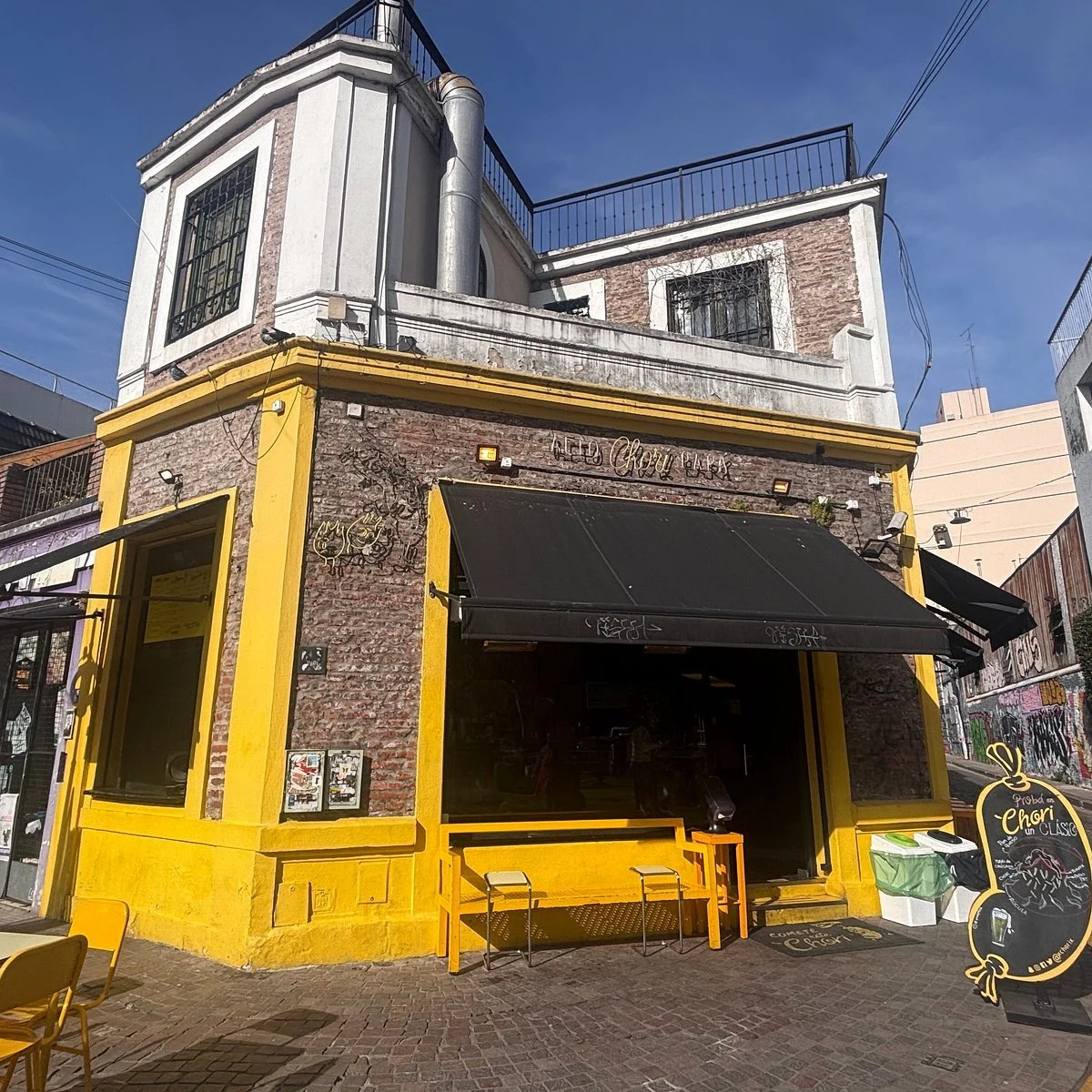
Long before Buenos Aires earned its reputation for ambitious tasting menus and imported wine lists, the choripán held the city together. The formula is elemental: a split link of grilled chorizo pressed into crusty bread, dressed with chimichurri, and eaten standing up or on a kerb. It is the food of football terraces, Sunday parks, and family asados. What Chori has done, from its address on Thames 1653 in Palermo, is treat that formula with the same seriousness that other parts of the neighbourhood reserve for heritage-breed beef. The result is a counter that has become a reference point not just for visitors looking for affordable eating, but for porteños who know that the city's most honest culinary tradition often comes wrapped in paper rather than plated.
Palermo's Culinary Geography
Thames Street runs through one of Buenos Aires's densest concentrations of restaurants, bars, and food producers. The neighbourhood has developed two distinct registers over the past decade: a formal dining tier where places like Aramburu and Trescha push modern Argentinian cuisine toward tasting-menu territory, and a casual tier where the tradition of the grill stays closer to the street. Chori sits firmly in that second register, and benefits from being surrounded by the former. Visitors who are spending their evenings at Don Julio or working through the contemporary Argentinian roster at Crizia and Anafe tend to find Chori during the daylight hours, when a quick, affordable meal between museum visits or market stops makes more sense than a full sit-down lunch. The two registers do not compete so much as they define each other, and understanding both gives a clearer picture of what this city actually eats across the whole day.
The Choripán Tradition in Argentina
The choripán traces its origins to the gaucho tradition of grilling over open fire across the Pampas. Chorizo in the Argentinian context means a fresh pork-and-beef sausage, seasoned with garlic, paprika, and herbs, and cooked slowly over wood or charcoal until the casing blisters and the interior stays juicy. The pan, typically a marraqueta or similar crusty roll, is chosen to hold the sausage without disintegrating under the fat. Chimichurri, the oil-and-herb sauce that functions as Argentina's default condiment, provides acidity and herbaceous lift. The combination is not complicated, but the margin between a version made with care and one assembled without attention is significant. Across Buenos Aires, choripán quality varies considerably: the worst versions come from street carts with pre-cooked sausages and processed bread; the better ones, from counters that source their chorizo directly and bake or select their bread with intention.
The same grilling culture extends into the wine country. Dining options like Azafrán in Mendoza and estate restaurants at places like Cavas Wine Lodge in Alto Agrelo or Entre Cielos in Luján de Cuyo sit at the formal end of that same fire-and-meat continuum. The roadside parrilla tradition also finds expression at Los Talas del Entrerriano in General San Martín, where the asado format is expanded into a full Sunday ritual. Understanding Chori requires some appreciation of how deep the grilling culture runs across the country, from gaucho estancias to Palermo street corners.
Why the Format Travels
Buenos Aires has exported its food culture in selective ways. The parrilla and the asado have a global footprint, and high-end Argentinian beef restaurants operate in London, Miami, and Tokyo. But the choripán has remained largely local, partly because it resists the kind of plating and pricing that makes restaurant concepts scalable, and partly because it depends on a specific bread-and-sausage ratio that is difficult to replicate without sourcing from within the same tradition. That local specificity is part of what makes a counter like Chori a more useful marker of place than a steakhouse with international ambitions. The format tells you something about how Buenos Aires eats between meals, during football matches, at street markets on weekend mornings, and after long nights in bars. It is quotidian in the leading sense: food that keeps the city running rather than food that performs for it.
La Bamba de Areco in San Antonio de Areco, where the gaucho tradition is preserved in a more formal estancia setting, or at Awasi Iguazú in Puerto Iguazú, where regional ingredients from the northeast shape a different kind of Argentinian table. Chori does the same, but its geography is urban and its format is the most portable of all: two hands and five minutes on Thames Street.
Planning a Visit
Chori is located at Thames 1653 in Palermo, a walkable distance from the neighbourhood's main restaurant strip and the Palermo Soho street market area. The format is counter service, prices sit firmly at the accessible end of Buenos Aires's eating spectrum, and no reservations are taken or needed. The busiest periods are weekend lunchtimes, when the queue can stretch outside, and late evenings after the surrounding bars have been open a few hours. Midweek and early afternoon visits move faster.
Questions
Frequently asked
How expensive is Chori?
Chori is listed at a price level of $.
Where is Chori and what does it serve?
Chori is in Palermo, Buenos Aires, serving Argentine Choripán.
The field
How it compares
| Place | Cuisine | Notes | Awards |
|---|---|---|---|
| Chori | Argentine Choripán | Palermo, $ | · |
| Aramburu | Modern Argentine Haute Cuisine | Buenos Aires | Michelin 2 Stars, World's 50 Best |
| Crizia | Contemporary Argentine Seafood | Buenos Aires | Michelin 1 Star, World's 50 Best |
| Don Julio | Argentinian Parrilla Steakhouse | Buenos Aires | Michelin 1 Star, World's 50 Best |
| Elena | Contemporary Argentinian Steakhouse | Buenos Aires | · |
| Mishiguene | Modern Jewish Immigrant Cuisine | Buenos Aires | World's 50 Best |
| Trescha | Modern Argentine Fine Dining | Buenos Aires | Michelin 1 Star, World's 50 Best |
Similar places
Modern Argentine Haute Cuisine
Aramburu
Buenos Aires, Argentina
★★ · 50 Best
Contemporary Argentine Seafood
Crizia
Buenos Aires, Argentina
★ · 50 Best
Argentinian Parrilla Steakhouse
Don Julio
Buenos Aires, Argentina
★ · 50 Best
Contemporary Argentinian Steakhouse
Elena
Buenos Aires, Argentina
Modern Jewish Immigrant Cuisine
Mishiguene
Buenos Aires, Argentina
50 Best
Modern Argentine Fine Dining
Trescha
Buenos Aires, Argentina
★ · 50 Best