Chun Sheng
- 01CuisineHome-style Fujian
- 02CityQuanzhou, China
Seafood chosen before the wok
- Michelin Bib Gourmand · Michelin Guide
- Michelin Bib Gourmand · 2026
- Michelin Bib Gourmand · 2025
- Michelin Bib Gourmand · 2024
Choosing from the tanks
By choosing first, Chun Sheng in Quanzhou builds the meal around selection before cooking. Diners choose seafood and meat first, then ask the servers how the kitchen should handle it, so the decision begins at the counter rather than at the table. That order matters. The bench begins with what is still visible, cold, scaled, jointed, or waiting behind glass, and the method follows the ingredient rather than a printed sequence. Chun Sheng runs home-style Fujian cooking, casual in format, direct in its transaction between guest, server, tank, chiller and wok. Its rhythm is plain but exact: look closely, choose clearly, then let the kitchen respond. The restaurant has local standing over more than two decades, and its Bib Gourmand recognition sits beside that everyday discipline rather than above it, reinforcing the same practical confidence instead of changing the character of the meal. Michelin points to ginger duck stew and fried green lobster in peppered salt, and the terms it uses are the kitchen’s own: tender meat, rich aroma, bouncy texture, crisp flavour.
Ginger duck and peppered salt
Chun Sheng does not work from a fixed menu. The program moves through fresh seafood and meat chosen in the room, then shaped by the kitchen into familiar Fujian preparations. Ginger duck stew carries the slow register here: tender meat, the heat and perfume of ginger, and a broth built for aroma rather than display. Fried green lobster in peppered salt turns on a different gesture, one that asks for bouncy meat and a crisp surface, the salt and pepper staying close to the shellfish instead of covering it. The measurements published for Chun Sheng are not grams or temperatures, but the restaurant gives other numbers that matter: over two decades of local use, 3 Michelin-recognized awards in the record of the house, and 1 current Bib Gourmand for Fujian. Those numbers do not explain the cooking. They frame how long the kitchen has had to repeat it. In a place without menu formality, repetition becomes the method, especially when servers carry part of the craft by steering each selection toward stew, frying, or another home-style treatment.
A room away from the centre
The room sits away from the city centre at 125 Bei Huan Shuang Nei Road, in Jinjiang, and keeps the feel of a local restaurant rather than a destination dining room. The counter of tanks and chillers does some of the speaking. Families choose, servers advise, the kitchen answers, and the pass returns dishes that belong to the table rather than to a sequence. The noise stays conversational, which suits a place where the important decisions happen before the order reaches the stove. There is little ceremony around the wine program, and the restaurant’s strength is not in cellar work. It is in the practical confidence of Chun Sheng, a room that has fed regulars for years with ginger duck stew and green lobster.
Questions
Frequently asked
What kind of restaurant is Chun Sheng?
Chun Sheng is a casual restaurant in Jinjiang serving home-style Fujian cooking.
What is Chun Sheng known for?
The restaurant is known for choosing seafood and meat from tanks and chillers before the kitchen cooks it, rather than working from a fixed menu.
Which dishes are singled out there?
Michelin points to ginger duck stew and fried green lobster in peppered salt.
Does Chun Sheng have any recognition?
Chun Sheng holds a Michelin Bib Gourmand.
The field
How it compares
| Place | Cuisine | Notes | Awards |
|---|---|---|---|
| Chun Sheng | Home-style Fujian | Jinjiang, $$ | · |
| Döllerer | Modern Alpine Cuisine | Golling an der Salzach | Michelin 2 Stars |
| Elkano | Basque Grilled Fish | Getaria | Michelin 1 Star, World's 50 Best |
| Frantzén | Modern Nordic Fusion with Japanese Influences | Stockholm | Michelin 3 Stars, World's 50 Best |
| Luo Ji Mian Xian Hu | Minnan Noodle Shop | Quanzhou | · |
| Restaurant Tim Raue | Asian-German Fine Dining | Berlin | Michelin 2 Stars, World's 50 Best |
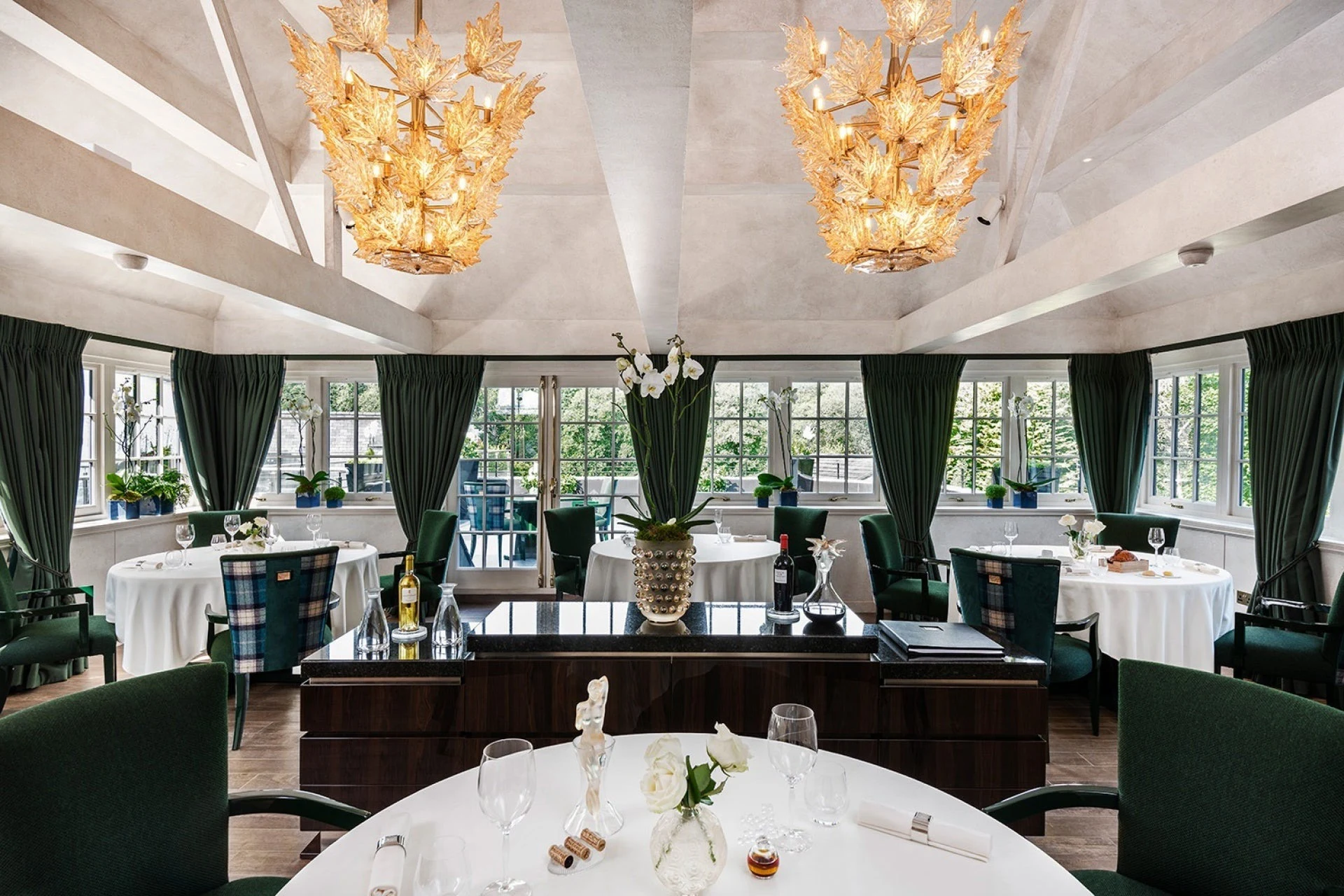
| The Glenturret Lalique Restaurant | Modern Scottish Fine Dining | Crieff | Michelin 2 Stars |
Similar places
Modern Alpine Cuisine
Döllerer
Golling an der Salzach, Austria
★★
Basque Grilled Fish
Elkano
Getaria, Spain
★ · 50 Best
Modern Nordic Fusion with Japanese Influences
Frantzén
Stockholm, Sweden
★★★ · 50 Best
Minnan Noodle Shop
Luo Ji Mian Xian Hu
Quanzhou, China
Asian-German Fine Dining
Restaurant Tim Raue
Berlin, Germany
★★ · 50 Best
Modern Scottish Fine Dining
The Glenturret Lalique Restaurant
Crieff, United Kingdom
★★