Chutney Mary

In Residence
Camellia Panjabi
Chef
- 01CuisineModern Regional Indian
- 02CityLondon, United Kingdom
St James's and the Premium Indian Dining Tier
St James's is not a neighbourhood that rewards casual drop-ins. The stretch of real estate between Pall Mall and Piccadilly is home to gentlemen's clubs, royal warrant holders, and a dining scene that operates on reservations and occasion dressing. Indian restaurants in this postcode face a different competitive set than those in Mayfair or Soho: the expectation is formality without stiffness, cooking that can hold its own alongside the Modern European rooms nearby, and an atmosphere that justifies the address. Chutney Mary is a modern regional Indian restaurant in London at 73 St James's Street.
The restaurant comes from the group behind Amaya and Veeraswamy, two properties with their own distinct personalities. Veeraswamy holds the distinction of being London's oldest surviving Indian restaurant. Amaya built its identity around an open charcoal grill format and a Michelin star. Chutney Mary operates in a third register: broader in menu scope than Amaya's grill-focused format, and more overtly glamorous in its interior than either. Within the group's portfolio, it occupies the role of the full-service flagship.
The Sunday email
Read about the people behind restaurants like Chutney Mary in the Sunday email.
Every Sunday we send a lead story and up to four more about the chefs, winemakers, sommeliers and hoteliers behind the restaurants, bars, wineries and hotels we cover.
Recent stories
Free. One email a week, and you can unsubscribe from any issue.
The Room Itself
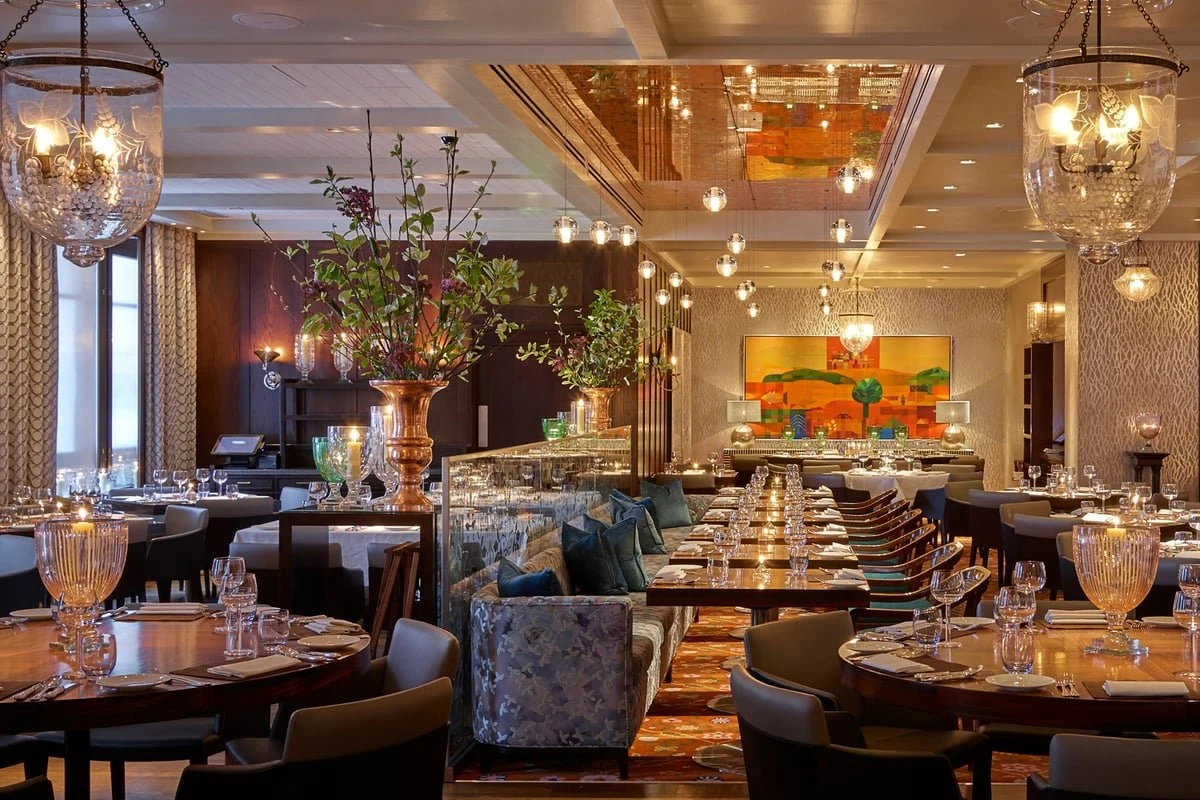
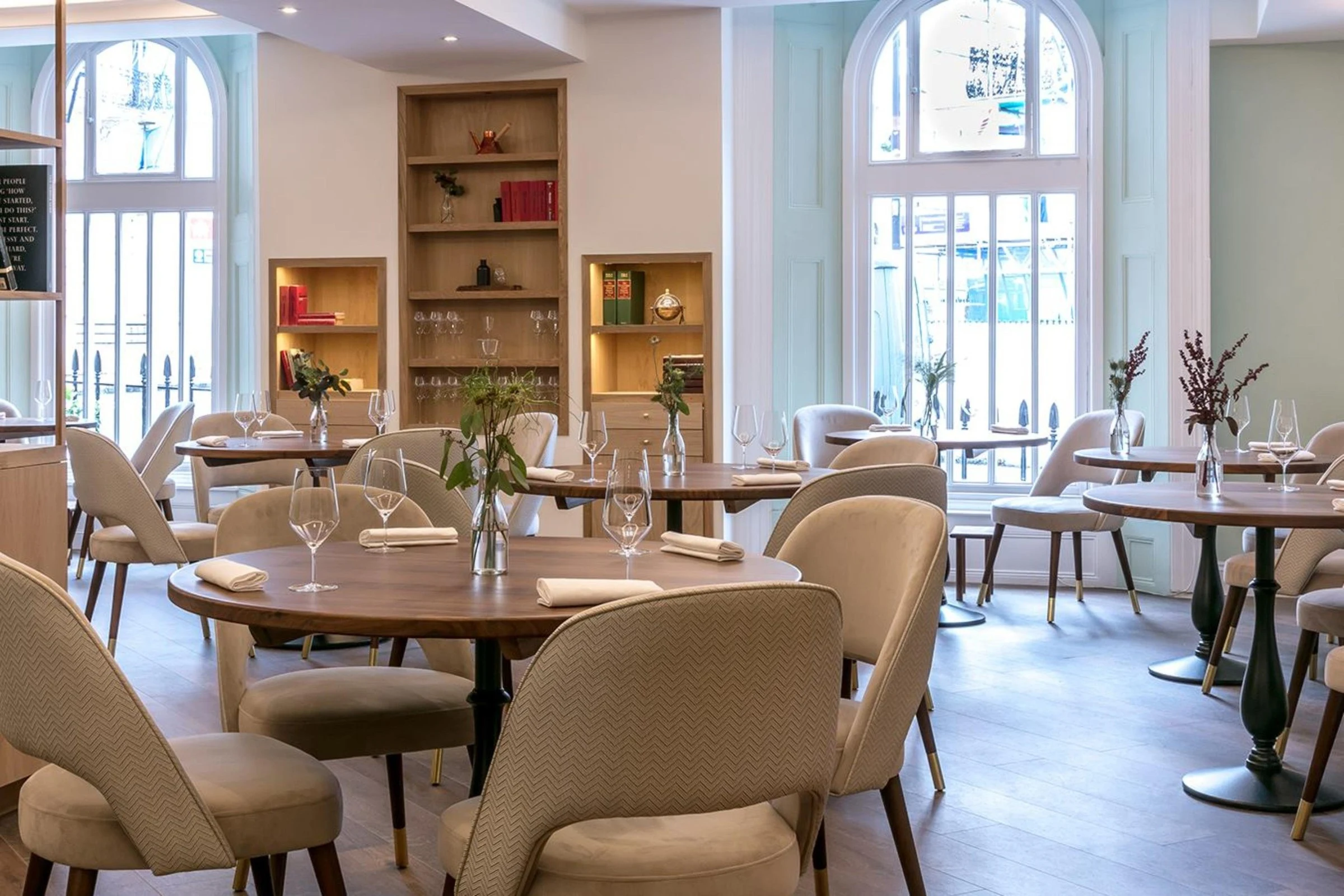
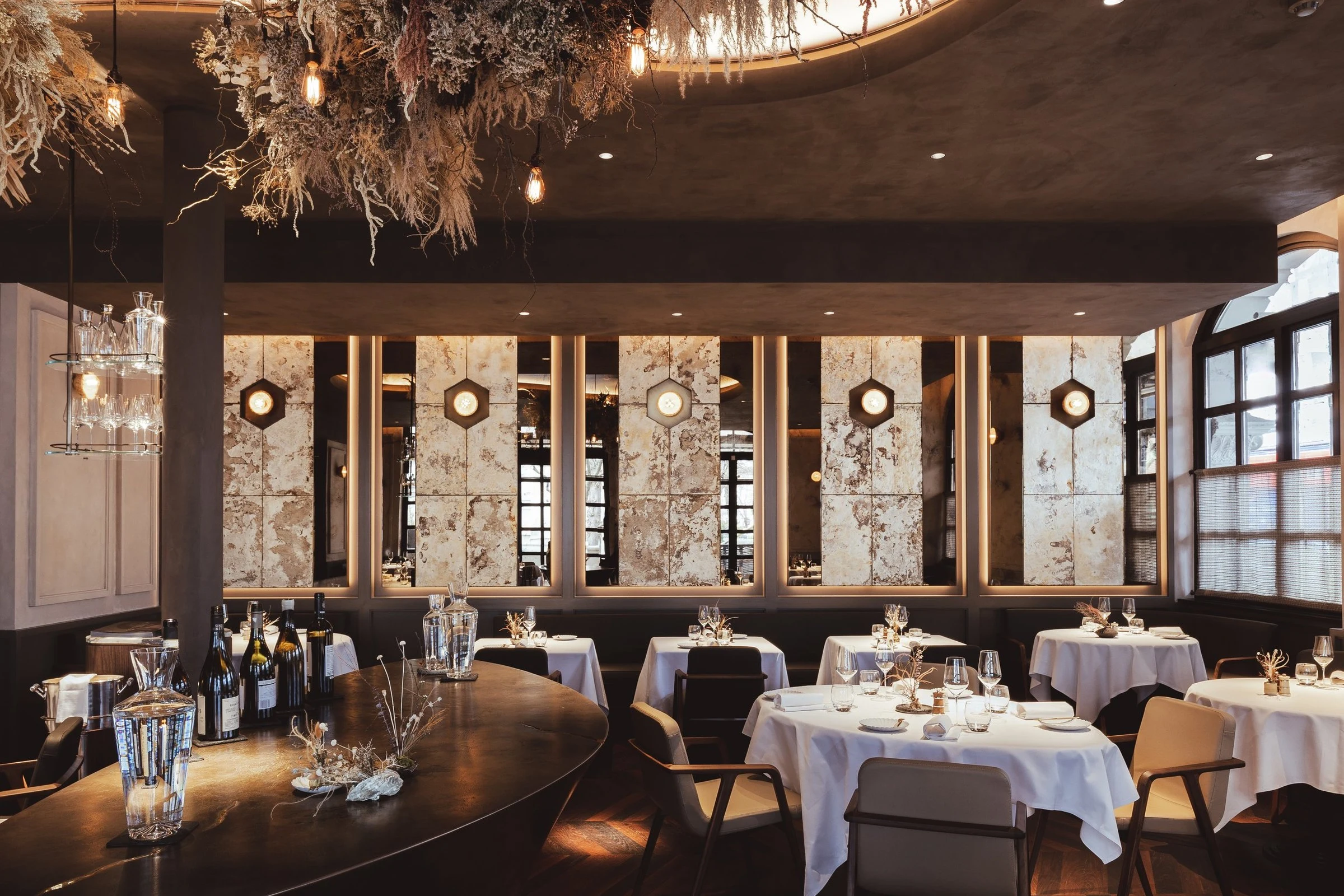
Walk in and the visual register is immediate: gilt, crystal, shimmering lights, framed colonial prints, large artworks, and etched glass across a cavernous interior that is, by London standards, seriously dressed. The design leans into a particular aesthetic, the kind of layered decorative richness associated with late Raj-era interiors, without tipping into pastiche. It reads as a deliberate choice rather than an accident of renovation cycles.
The effect on arrival can feel enveloping. The front-of-house attention is described by critics as intense on entry, which, depending on your preference, reads either as warmly ceremonial or slightly overwhelming. For a celebratory dinner with an occasion attached, it works. For a quiet Tuesday supper, it takes a few minutes to calibrate.
What the room does well is sustain a mood across the meal. Formal Indian dining rooms can sometimes lose atmosphere as service progresses and tables clear, but the scale here, and the density of decoration, holds the environment together through an evening.
What the Menu Covers
The cooking draws primarily from northern India, with Mughal-influenced preparations forming the backbone of the main course list. Slow-cooked dishes include a 'Parsi wedding' duck, a Bengal lamb curry, and a halibut-based Karwan fish curry with a nut-thickened sauce. These are dishes where technique and patience matter more than novelty: the complexity comes from layering spice over time rather than from modernist manipulation.
The small plates cover considerable ground. Baked crab balchao, a Goan preparation, arrives in its baking dish, gently spiced and finished with crispy breadcrumbs. Baked venison samosa and scallops in Mangalorean sauce extend the coastal and game range. The Indian barbecue section runs tandoori Amritsari sea bass alongside Afghani chicken tikka, showing a kitchen that is literate across regional traditions rather than anchored to a single state's repertoire.
Desserts span dark chocolate and Punjabi rum tart, cherry shrikhand, and Persian kulfi moulded into citrus segments and served on silver. The range is wide and grounded in the national tradition rather than resorting to European pastry add-ons, which is more common in Indian fine dining than it should be.
The kitchen's approach to spicing is worth noting: staff are willing to take modification requests back to the kitchen, which matters at this price point. At £££ spend, the expectation is that the meal responds to the diner, not the other way around.
Value at the £££ Mark
Chutney Mary prices at the £££ tier, sitting between the city's more accessible Indian restaurants and the tasting-menu Indian rooms that now occupy a ££££ bracket. Compared to peers like Benares in Mayfair or Trishna in Marylebone, it occupies comparable price territory but delivers a noticeably more theatrical dining environment. Against South Asian tasting-menu formats like Trèsind Studio in Dubai or Opheem in Birmingham, which operate at higher price points and within more constrained menus, Chutney Mary offers greater flexibility and breadth for a lower spend.
The group's Michelin Plate recognition, awarded in both 2024 and 2025, confirms that the cooking meets a consistent technical standard.
For context, the ££££ rooms most directly comparable by neighbourhood and occasion type include Modern European and Modern British addresses in St James's and Mayfair. Against those, Chutney Mary's £££ spend delivers a decoratively richer room and cooking with substantially more regional depth than most of those alternatives can offer on the cuisine front. The Sunday brunch and the Pukka Bar lunch represent the lower-commitment entry points if the full dinner format is more than the occasion requires.
Where It Sits in the London Scene
London's premium Indian dining tier has expanded significantly over the past two decades. The city now has South Asian restaurants operating across every format: neighbourhood bistros like Babur in Forest Hill, cocktail-bar adjacent rooms in Soho, and tasting-menu addresses with multi-year waiting lists. Chutney Mary was among the earlier entrants into the formal, occasion-dining end of this spectrum. Camellia Panjabi's role in that shift, presenting regional Indian cooking in a modern idiom at a time when London's Indian restaurants were largely grouped around a narrower set of reference points, is part of the restaurant's documented history.
What it now represents is a relatively rare format: a full-service, à la carte Indian room with serious decorative investment, a broad regional menu, and a St James's address. That combination is not widely replicated. Ambassadors Clubhouse operates in a different register. The other addresses in the same ownership group each have a more specialised brief. Chutney Mary is the version of this that puts the widest possible menu in a room designed for a proper evening.
Questions
Frequently asked
Who works at Chutney Mary?
Made By profiles Camellia Panjabi (Chef) at Chutney Mary.
How expensive is Chutney Mary?
Chutney Mary is listed at a price level of $$$$.
Where is Chutney Mary and what does it serve?
Chutney Mary is in St. James's, London, serving Modern Regional Indian.
The field
How it compares
| Place | Cuisine | Notes | Awards |
|---|---|---|---|
| Chutney Mary | Modern Regional Indian | St. James's, $$$$ | · |
| CORE by Clare Smyth | Modern British Fine Dining | London | Michelin 3 Stars, 50 Best |
| Ikoyi | Modern West African Fine Dining | London | Michelin 2 Stars, 50 Best |
| Kitchen Table | Modern British Fine Dining | London | Michelin 2 Stars |
| KOL | Modern Mexican Fine Dining | London | Michelin 1 Star, 50 Best |
| Row on 5 | Modern British Fine Dining with Mediterranean & Asian Influences | London | Michelin 2 Stars |
| The Ledbury | Modern British Fine Dining | London | Michelin 3 Stars, 50 Best |
Similar places
Modern British Fine Dining
CORE by Clare Smyth
London, United Kingdom
★★★ · 50 Best
Modern West African Fine Dining
Ikoyi
London, United Kingdom
★★ · 50 Best
Modern British Fine Dining
Kitchen Table
London, United Kingdom
★★
Modern Mexican Fine Dining
KOL
London, United Kingdom
★ · 50 Best
Modern British Fine Dining with Mediterranean & Asian Influences
Row on 5
London, United Kingdom
★★
Modern British Fine Dining
The Ledbury
London, United Kingdom
★★★ · 50 Best

The Sunday email
Read about the people behind restaurants like Chutney Mary in the Sunday email.
Every Sunday we send a lead story and up to four more about the chefs, winemakers, sommeliers and hoteliers behind the restaurants, bars, wineries and hotels we cover.
Recent stories
Free. One email a week, and you can unsubscribe from any issue.