The Places · France
Libourne
Made By profiles 11 places in Libourne, spanning winery — each tied to the people and producers behind it.
01.Winery
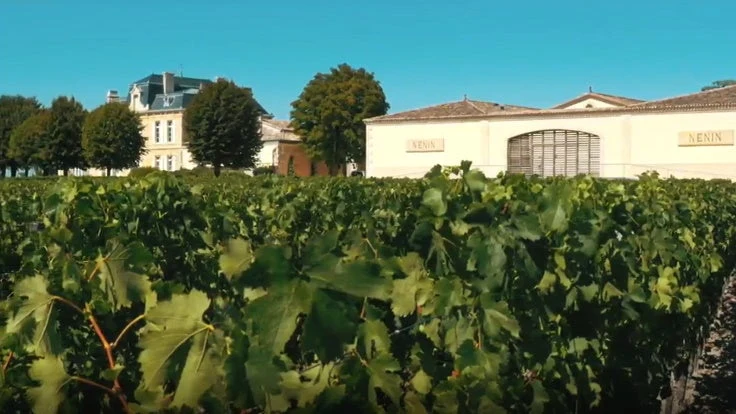
Château Nénin
Libourne, France
● 1 artisanView →02.Winery
Domaine de Gachet
Libourne, France
Domaine de Gachet belongs to the quieter, traditional side of Libourne wine culture: a family-run Right Bank estate focused on Lalande-de-Pomerol reds rather than visitor-center spectacle. Its interest lies in Merlot and Cabernet Franc shaped for structure, age, and earthy development, with a 2016 Gold medal at the Concours International de Lyon adding a useful quality signal.
● 1 artisanView →03.Winery
Château Latour à Pomerol
Libourne, France
Château Latour à Pomerol belongs to the quieter, terroir-led side of Right Bank Bordeaux: a small Pomerol estate shaped by Merlot, Cabernet Franc, clay, gravel, and long bottle age rather than hospitality theatre. Its appeal is strongest for drinkers who want the appellation’s density and maturity curve with a serious historical footprint near Libourne.
● 1 artisanView →04.Winery
Château Quinault L'Enclos
Libourne, France
Château Quinault L’Enclos gives Libourne a rare city-vineyard expression of Saint-Émilion: enclosed, quiet, gravelly, and shaped under Château Cheval Blanc stewardship. The interest here is terroir rather than spectacle, with Merlot, Cabernet Franc, and Cabernet Sauvignon translating a warm urban microclimate into a polished Right Bank red with fresh acidity and measured structure.
● 1 artisanView →05.Winery
Clos Toulifaut
Libourne, France
Clos Toulifaut is a small-production Pomerol estate in Libourne, focused on still red Bordeaux built around Merlot. Its appeal sits in terroir rather than visitor theatre: clay, gravel and iron-rich soils, a cellar-led format, and an annual production of about 900 cases shape a quiet collector’s address in the appellation.
● 1 artisanView →06.Winery
Domaine des Gourdins
Libourne, France
Domaine des Gourdins is a small Saint-Émilion AOC estate on the Libourne edge, built around a 1.8-hectare vineyard planted to Merlot and Cabernet Franc. The appeal is technical rather than theatrical: independent vinification at Château La Cabanne in Pomerol, a focused still-red program, and a quiet appointment-only format for drinkers who prefer working-cellar context over polished wine-tour choreography.
● 1 artisanView →07.Winery
Château Haut-Maillet
Libourne, France
Château Haut-Maillet is a small Pomerol AOC estate in Libourne, focused on classic still red Bordeaux from Merlot and Cabernet Franc. The draw is not spectacle but a quiet, appointment-led vineyard visit built around right-bank terroir, private tasting, and a historic estate setting.
● 1 artisanView →08.Winery
Château Bonalgue
Libourne, France
Château Bonalgue is a small, family-run Pomerol estate near Libourne, rooted in an 1815 château and a Merlot-led Right Bank vocabulary. The appeal is not spectacle but scale: vineyard, cellar, parkland and sensory-led tastings that make the gravel, clay and Cabernet Franc accents legible without turning the visit into a lecture.
● 1 artisanView →09.Winery
Château Lagrange à Pomerol
Libourne, France
A compact Pomerol estate in Libourne, Château Lagrange à Pomerol works in the appellation’s Merlot-led register rather than Bordeaux’s more classification-driven hierarchy. Its 9-hectare vineyard on heavy clay, Jean-Pierre Moueix ownership, and supple dark-fruit-and-truffle profile make it a useful lens on why Pomerol remains driven by soil, scale, and reputation rather than formal ranking.
● 1 artisanView →10.Winery
Château Fayat
Libourne, France
Château Fayat brings a contemporary cellar mind-set to Pomerol’s right-bank clay, gravel, sand, and silt. The 14-hectare estate north of Libourne focuses on still red wine from Merlot and Cabernet Franc, with low-temperature fermentation, extended maceration, and a small-production frame that suits drinkers interested in terroir expression rather than château theatre.
● 1 artisanView →11.Winery
Château Taillefer
Libourne, France
Château Taillefer gives Libourne visitors a disciplined Pomerol lens: Merlot-led reds from iron-rich soils, a 12-hectare estate, and a family line tied to the property since 1923. The appeal is not spectacle but terroir literacy, with production details, critic recognition, and a quiet château setting doing the work.
● 1 artisanView →