Ciya Sofrasi
In Residence
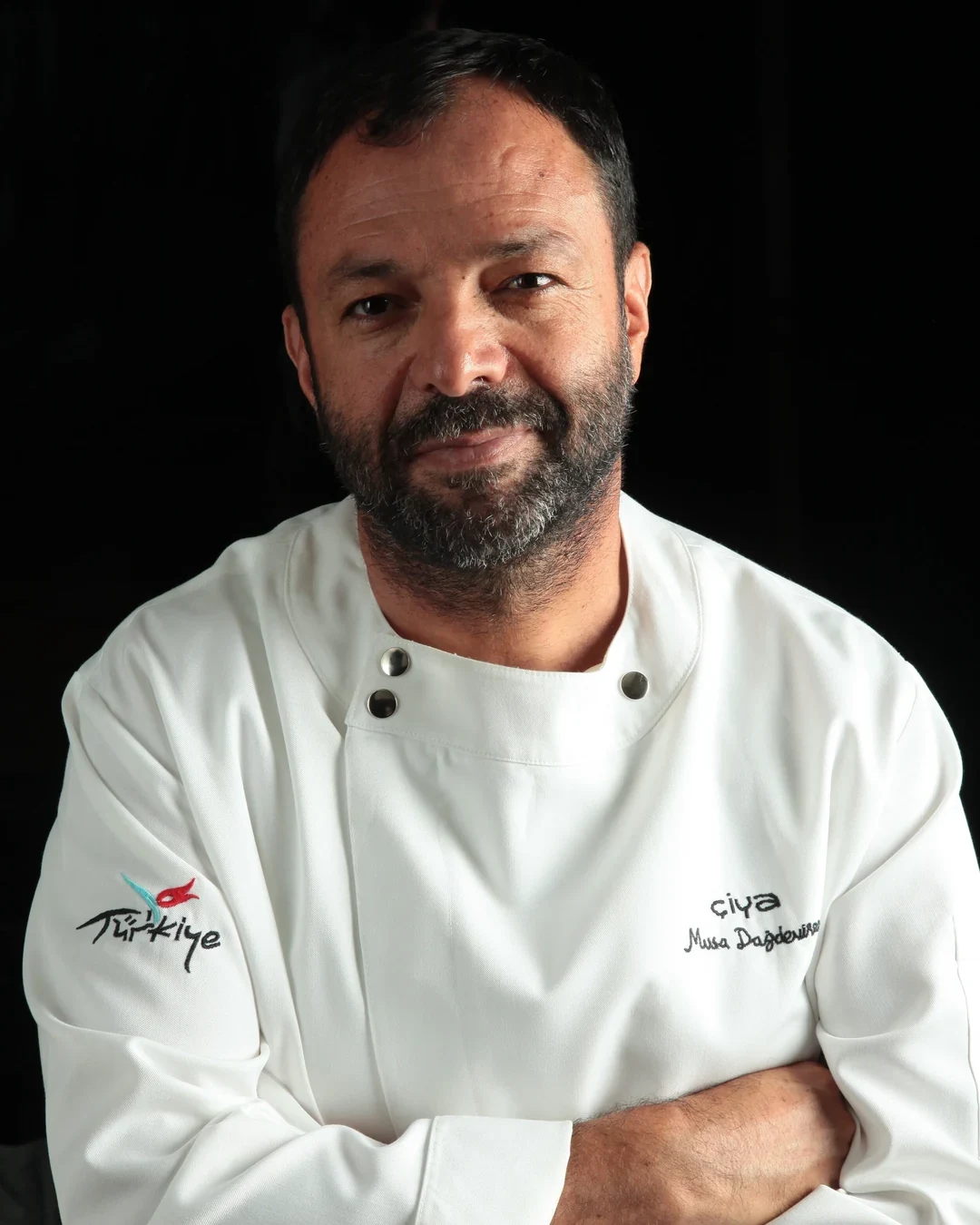
Musa Dagdeviren
Chef
- 01CuisineTraditional Anatolian Turkish
- 02CityIstanbul, Turkey
From the people index
Recommended by
2 trusted voices point here.

- Opinionated About Dining Casual in Europe Recommended · 2026
- Opinionated About Dining Casual in Europe Ranked #194 · 2025
- Chef's Table Featured on Chef's Table · 2025
- Opinionated About Dining Casual in Europe Ranked #181 · 2024
- Opinionated About Dining Casual in Europe Highly Recommended · 2023
Kadıköy and the Lokanta Tradition
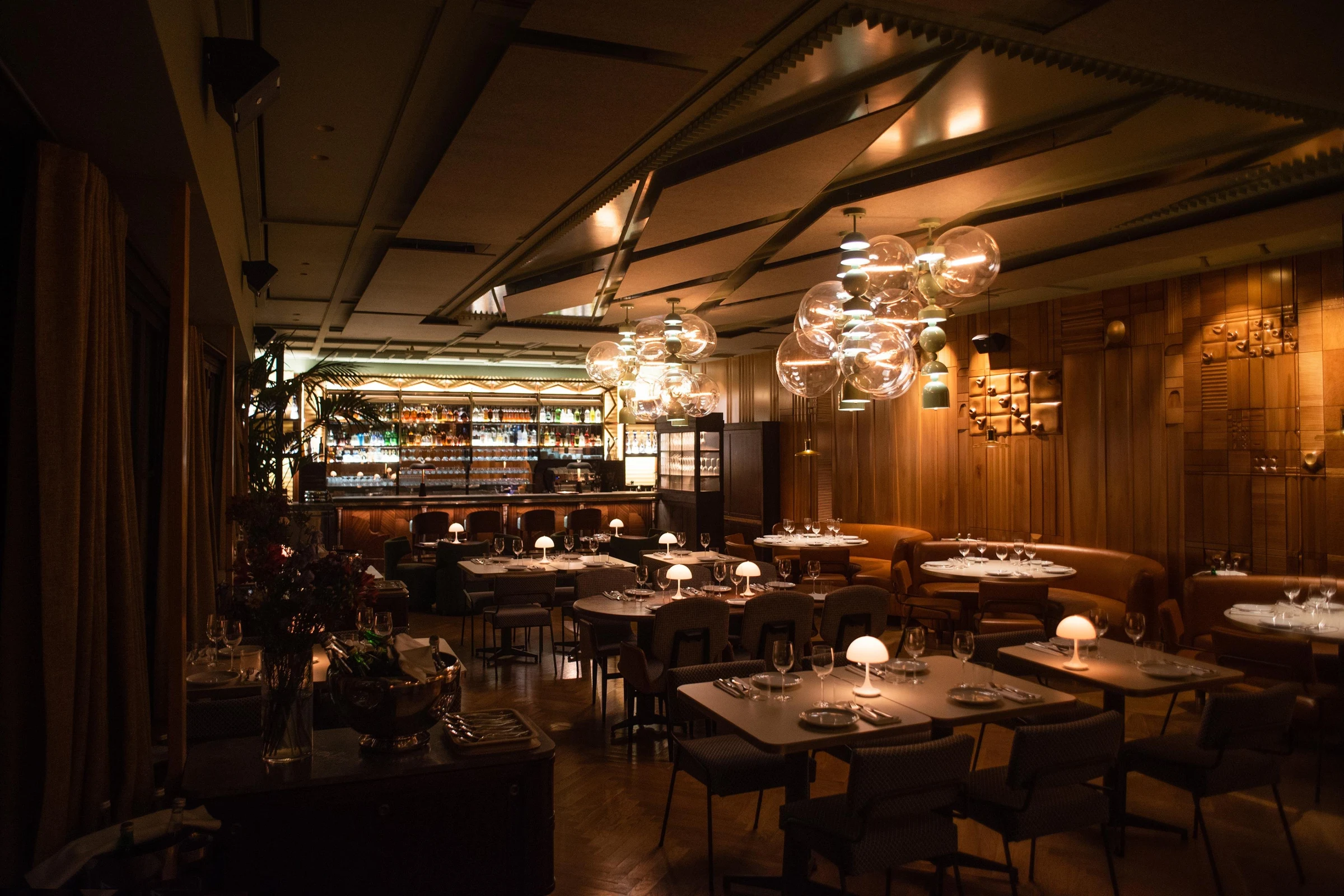
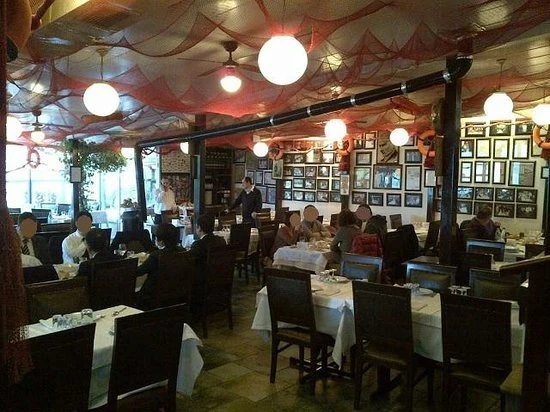
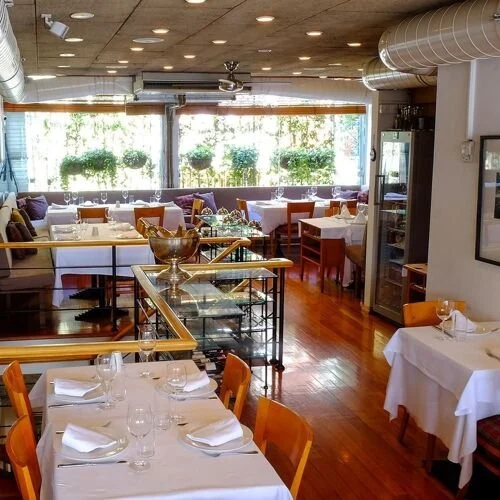
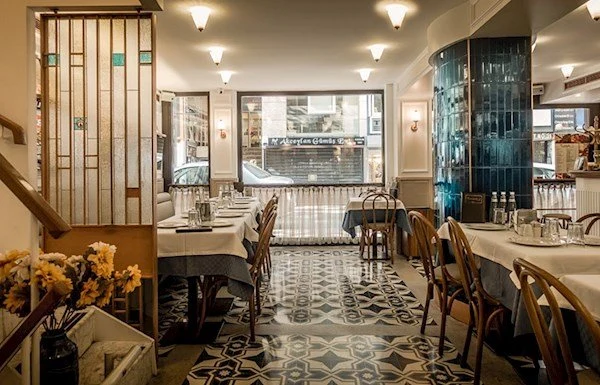
The lokanta, a tradesman's canteen built around a counter of pre-cooked dishes, priced by portion, eaten quickly, is one of Turkey's most durable food formats. For most of its history, the lokanta served proximity and economy: whatever the cook sourced that morning, whatever the neighbourhood expected. Çiya Sofrası, operating out of Güneşlibahçe Sokak in Kadıköy's market district on Istanbul's Asian side, works inside that same format but has redirected its logic entirely. Here, the buffet reflects a program built from recipes gathered across Anatolia, the Black Sea coast, and the southeast of the country. It is the product of systematic fieldwork, recipes gathered from villages across Anatolia, the Black Sea coast, and the southeast of the country, many of them disappearing from active use.
The result sits at an unusual intersection. Formally, it reads like any other busy lunch spot in a market neighbourhood: trays of food behind glass, diners eating at shared tables, a pace that doesn't ask you to linger. Editorially, it operates closer to a living archive than a restaurant. That tension is what gives the place its character.
The Lunch Shift: When the Buffet is at Its Depth
Distinction between daytime and evening service at Çiya Sofrası is more substantial than at most Istanbul restaurants, and it matters for how you plan your visit. Lunch, running from the 11:30 am opening through the afternoon, is when the lokanta format is fully engaged. The buffet is at maximum rotation, dishes replenished, a wide spread of Anatolian preparations across proteins, legumes, and vegetables. The market surroundings amplify this: Kadıköy's covered bazaar spills produce and noise into the street outside, and the rhythm of the room is set by traders, commuters, and regulars moving through quickly.
This is the version of Çiya that aligns with its Opinionated About Dining ranking, placed at #194 in the Casual Europe category for 2025, up from #181 in 2024. That description fits the lunch hour at Çiya precisely. The room does not perform seriousness. The food carries it.
The regional breadth of the menu is the point. Dishes from southeastern provinces sit alongside Black Sea preparations and Central Anatolian recipes that rarely appear on Istanbul menus at all. For a city where modern Turkish dining has largely moved in the direction of fine dining reinterpretation, Çiya's commitment to direct, research-led traditional cooking occupies a different position in the conversation entirely.
Evening Service: A Different Register
The Friday and Saturday evening extension to 10:30 pm (versus 10 pm the rest of the week) signals that the kitchen takes evening trade seriously, but the character of the room shifts. The market empties, the pace slows, and the buffet format gives way to a quieter mode of service. Evening visits suit those who want to spend more time with the menu rather than move through it at lunch pace. The tradeoff is that some preparations will have sold out by late afternoon, arriving after 8 pm means working with what remains from the day's rotation.
For practical purposes: if the full breadth of the regional program matters to you, the early-to-mid afternoon slot on a weekday captures the menu at its widest. If the Kadıköy neighbourhood atmosphere is part of the appeal, the ferry crossing from Eminönü or Beşiktaş, the market before dinner, an early evening arrival on a weekend works well without the midday density.
Chef Musa Dağdeviren and the Research Mandate
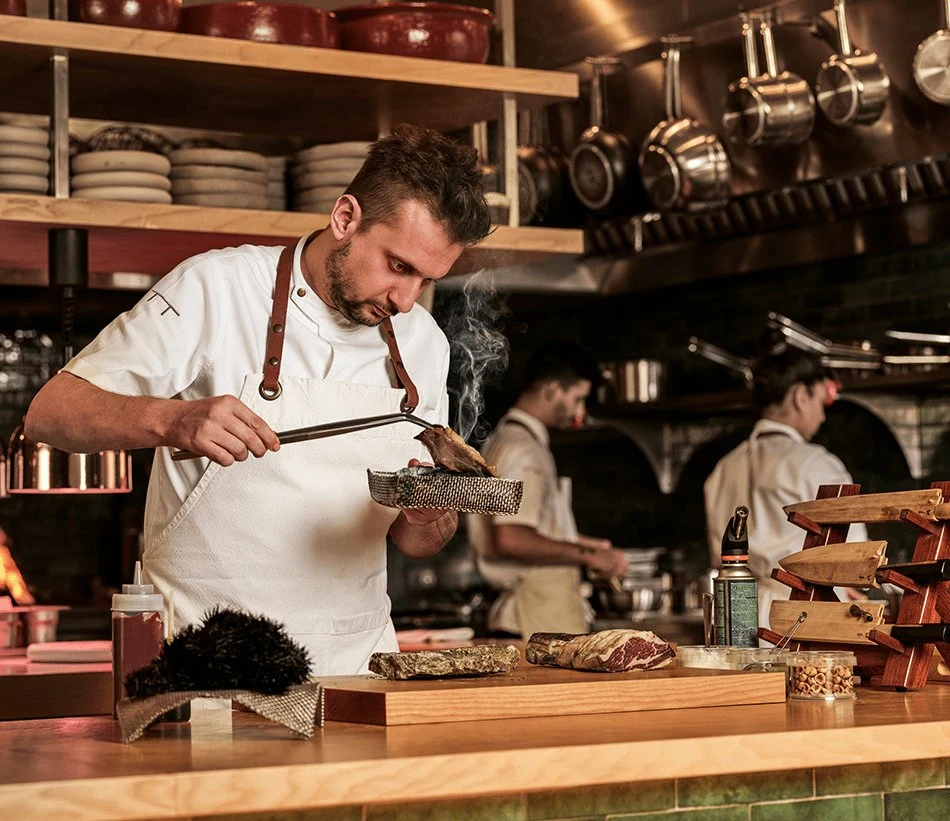
Chef Musa Dağdeviren's role in the restaurant's identity is worth contextualising carefully. His name appears on the Netflix Chef's Table series (Volume 5, Episode 2), which gave the restaurant significant international exposure, and his approach, travelling the country to document recipes at risk of being lost, positions him closer to a food anthropologist than a conventional restaurant chef. The comparison matters because it explains why the menu changes in the way it does: this is not seasonal reinterpretation in the modernist sense, but a reflection of ongoing fieldwork.
In Istanbul's premium dining context, this places Çiya in a different competitive set from the Michelin-starred modern Turkish tier. It is not competing with Arkestra or Nicole for the same diner. It is competing for the attention of someone who wants to understand what Turkish cooking actually contains before encountering its fine-dining translations. That is a credible and distinct position to occupy.
Kadıköy as a Dining Neighbourhood
The Asian side of Istanbul has developed a dining character that differs from the historic peninsula and Beyoğlu. Kadıköy draws a younger, more local crowd than the tourist-heavy Sultanahmet corridor, and its food scene reflects that: more casual, more neighbourhood-specific, with a range that runs from market lokantas to the kind of casual Turkish restaurants that attract serious local diners. For visitors making the ferry crossing, the neighbourhood rewards time rather than efficiency, the market itself, the side streets, and the mix of food formats give Kadıköy its texture.
Çiya Sofrası fits within this character while sitting above most of its immediate neighbours in terms of the seriousness of its research program. The market address is not incidental: sourcing proximity is part of how the kitchen operates.
Planning Your Visit
Çiya Sofrası is open seven days a week, from 11:30 am to 10 pm Monday through Thursday and Sunday, and to 10:30 pm on Friday and Saturday. The restaurant is located on Güneşlibahçe Sokak in Kadıköy, a short walk from the Kadıköy ferry terminal and direct to reach by ferry from the European side. Arrival and queue management follow the counter-service model. Budget visits for 60 to 90 minutes at lunch; evening visits can extend naturally given the slower pace.
Adana Ocakbaşı, Ali Ocakbaşı, and Aheste each represent distinct Istanbul dining traditions. Alaf and 29 sit at the more formal end. For the traditional Anatolian cooking tradition as it appears elsewhere in Turkey, Aravan Evi in Ürgüp, 7 Mehmet in Antalya, and Agora Pansiyon in Milas each engage with regional Turkish recipes at different scales and formats. Narımor in Izmir, Kitchen by Osman Sezener in Bodrum, and Ahãma in Göcek extend the Aegean and Mediterranean register. For Turkish cooking beyond Turkey's borders, dede in Baltimore and Adil Müftüoğlu in Izmir offer further reference points.
Questions
Frequently asked
Who works at Ciya Sofrasi?
Made By profiles Musa Dagdeviren (Chef) at Ciya Sofrasi.
How expensive is Ciya Sofrasi?
Ciya Sofrasi is listed at a price level of $$.
Where is Ciya Sofrasi and what does it serve?
Ciya Sofrasi is in Caferaga, Istanbul, serving Traditional Anatolian Turkish.
The field
How it compares
| Place | Cuisine | Notes | Awards |
|---|---|---|---|
| Ciya Sofrasi | Traditional Anatolian Turkish | Caferaga, $$ | · |
| Arkestra | Modern European with Global Influences | Istanbul | Michelin 1 Star |
| Balıkçı Kahraman | Traditional Turkish Seafood Grill | Istanbul | · |
| Kıyı | Classic Turkish Seafood | Istanbul | · |
| Turk Fatih Tutak | Modern Turkish Fine Dining | Istanbul | Michelin 2 Stars, World's 50 Best |