Collelungo
- 01CityCastellina in Chianti, Italy
- Falstaff Winery - Listed · 2026
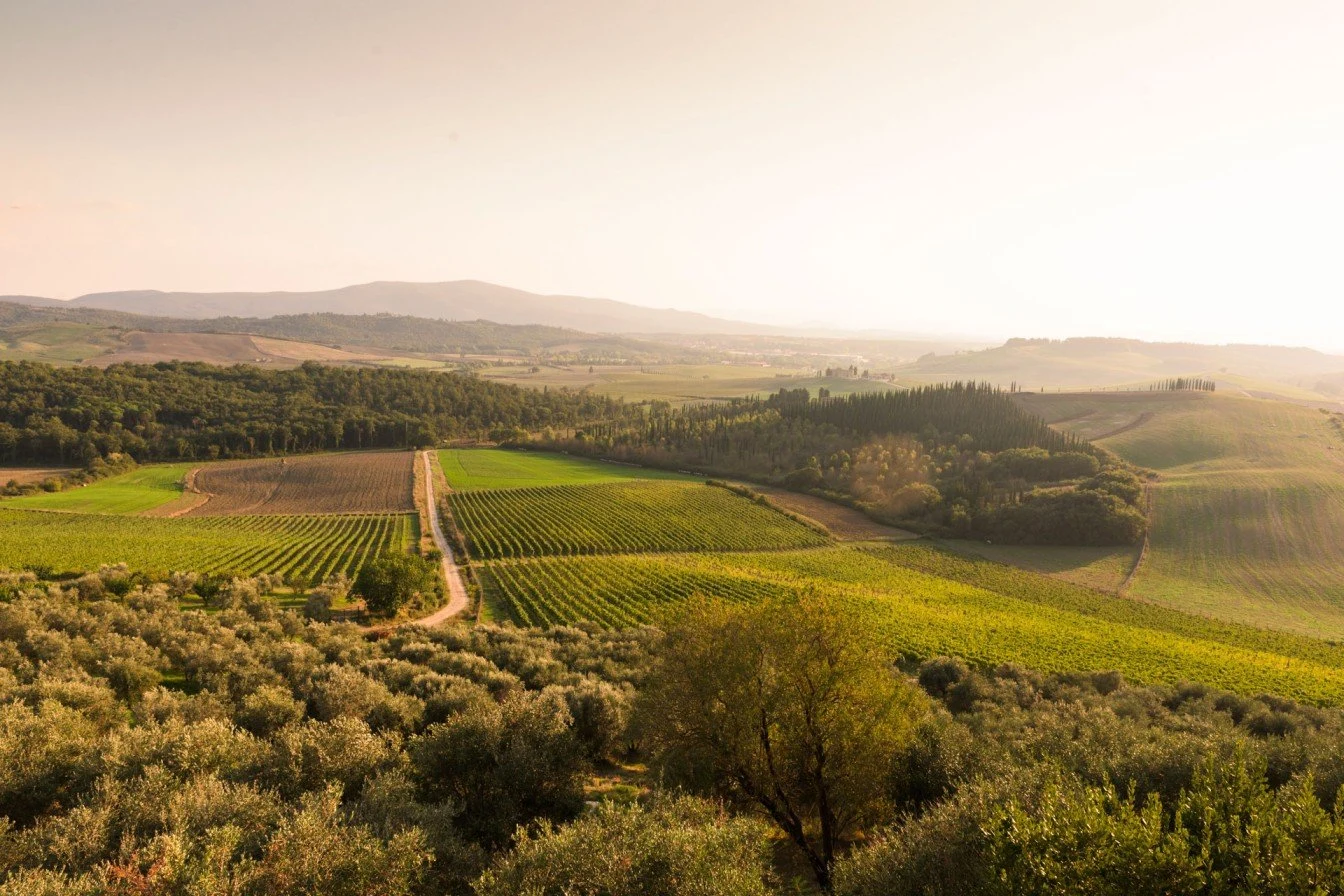
The approach to a Chianti agriturismo changes the tempo before a glass is poured. The road folds through vineyards, olive groves, and low farm buildings; the sound level drops; the visual grammar becomes stone, field, cypress, and ridge. In Castellina in Chianti, that setting is not decorative background. It is the operating system of the local wine culture, where hospitality often grows out of agricultural land rather than being added to it later.
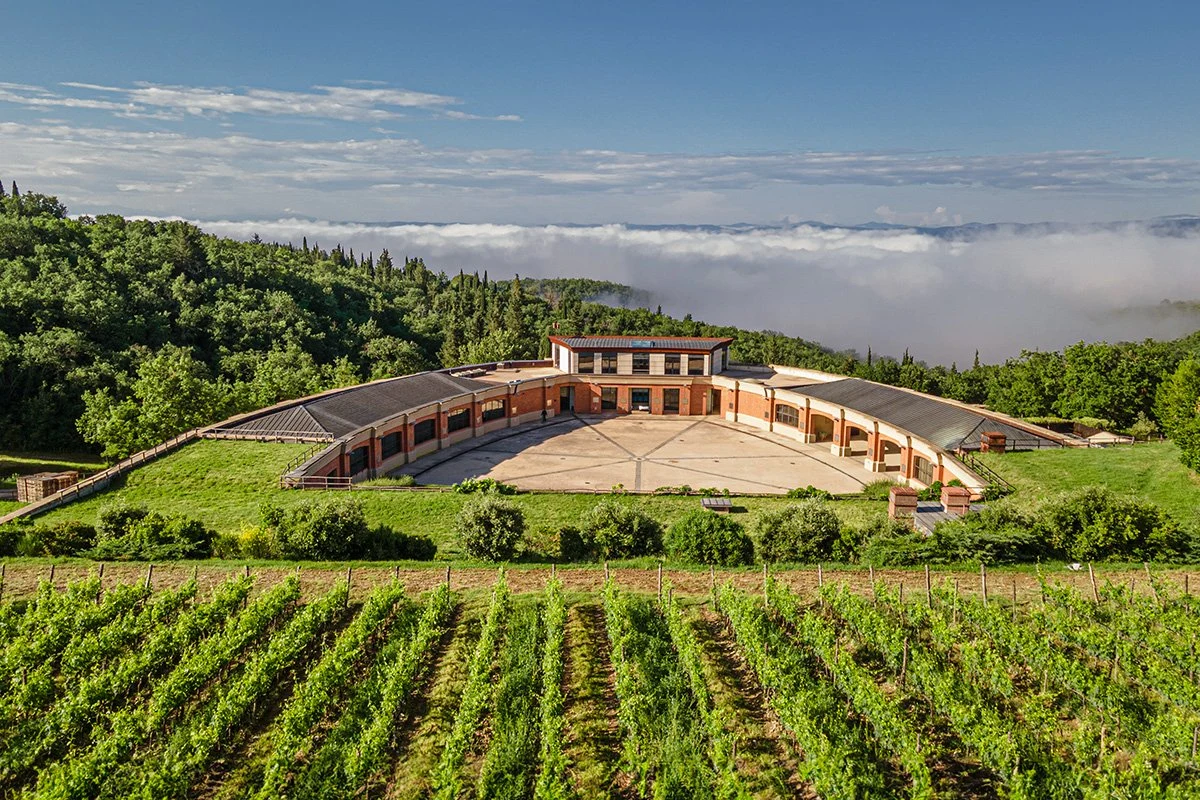
Collelungo sits inside that tradition as an agriturismo winery estate, a format that matters in Tuscany because it keeps lodging, vineyard life, and local wine in the same frame. The estate’s character is rustic and quiet, with restored farm-building apartments and countryside views over vineyards and olive groves. The point is not resort theatre. It is proximity: to the vines, to the rhythms of a working agricultural property, and to a denomination whose identity rests heavily on Sangiovese.
Chianti Classico seen from the farm rather than the tasting bar
Chianti Classico is one of Italy’s more regulated and recognizable wine traditions, but the experience changes when it is encountered through an agriturismo. Standalone tasting rooms tend to compress the region into a flight. Farm estates stretch it back out again: vines, accommodation, olive groves, and common spaces make the denomination feel less abstract. Collelungo belongs to that slower category, where the stay and the wine are part of the same rural economy.
The appellation context gives the estate its critical frame. Chianti Classico DOCG requires Sangiovese to make up at least 80 percent of the blend, with approved native or international varieties allowed for the balance. Standard Chianti Classico follows a minimum aging period of 11 months, while Riserva requires 24 months, including bottle aging. Those rules are not mere bureaucracy; they shape the region’s flavor architecture by keeping Sangiovese at the center and forcing time into the production cycle.
Castellina in Chianti adds another layer. The commune sits within the Chianti Classico heartland between Florence and Siena, where elevation, diurnal shifts, and limestone-derived soils are central to the way Sangiovese ripens. Galestro and alberese, the two soil types most often associated with the zone, help explain why local reds can carry firmness and acidity rather than simple warmth. At Collelungo, the broader regional message is clear: this is wine tourism rooted in place before polish.
Where the land does the explaining
The estate’s strongest editorial case is terroir expression, not trophy accumulation. Chianti Classico’s reputation depends on a balance of sun and restraint: warm afternoons give Sangiovese ripeness, while cooler nights help preserve acidity. Castellina’s higher-elevation profile often pushes wines toward structure and aromatic lift rather than immediate softness. Even without a named winemaker or published cellar program, the location places the estate inside a disciplined regional language.
That matters for travelers choosing between Tuscan wine formats. A polished appointment at a formal cellar can be useful for collectors who want verticals, technical cellar detail, and tightly managed service. An agriturismo estate answers a different question: what does Chianti feel like when wine is part of the accommodation rather than a standalone excursion? Collelungo’s on-site wine culture, vineyard setting, and small-scale countryside atmosphere make it better suited to travelers who want time in the landscape, not only a tasting slot.
The portfolio focus is Chianti Classico, with the estate positioned around the Sangiovese-led red tradition that defines the denomination. The wider format also includes still red, white, and rosé styles, but the regional center of gravity remains red wine from the Classico zone. Food-pairing programming is not the point here; the stronger read is agricultural immersion, with estate tasting and vineyard-visit elements in a quiet, rural setting.
A planning note for wine-country pacing
Small countryside wineries in Chianti reward slower planning than city bars or restaurants. Collelungo operates by appointment, which suits the format: this is not a high-volume walk-in model, and the small-capacity feel is part of the appeal. The estate is casual rather than formal, with outdoor seating and countryside common areas that fit romantic stays, small group outings, solo exploration, and wine education. Payment flexibility includes card and cash options, but the main practical point is timing: build the visit around the rhythms of the property rather than treating it as a quick stop between villages.
For readers mapping a broader stay, the city guides help separate wine, dining, sleep, and cultural planning: Our full Castellina in Chianti wineries guide, Our full Castellina in Chianti restaurants guide, Our full Castellina in Chianti hotels guide, Our full Castellina in Chianti bars guide, and Our full Castellina in Chianti experiences guide. For a wider winery reading list, see Azienda Agricola Casavecchia alla Piazza, Azienda Agricola San Donatino, Belguardo, Casale dello Sparviero, Casina di Cornia, 3GP SRL in Treviso, 47 Anno Domini in Trebaseleghe, A Mano Wine in Noci, »der Steiner« Hans Steiner in Podersdorf am See, and & Handwein in Mannheim.
Questions
Frequently asked
How expensive is Collelungo?
Collelungo is listed at a price level of $$$.
The field
How it compares
| Place | Notes |
|---|---|
| Collelungo | Castellina in Chianti, $$$ |
| Concadoro | Castellina in Chianti |
| Mazzei (Castello di Fonterutoli) | Castellina in Chianti |
| Rocca delle Macìe - Famiglia Zingarelli | Castellina in Chianti |
| Tenuta di Bibbiano | Castellina in Chianti |
| Tenuta Villa Trasqua | Castellina in Chianti |
| Tregole | Castellina in Chianti |