Colutta Wines
- 01CityManzano, Italy

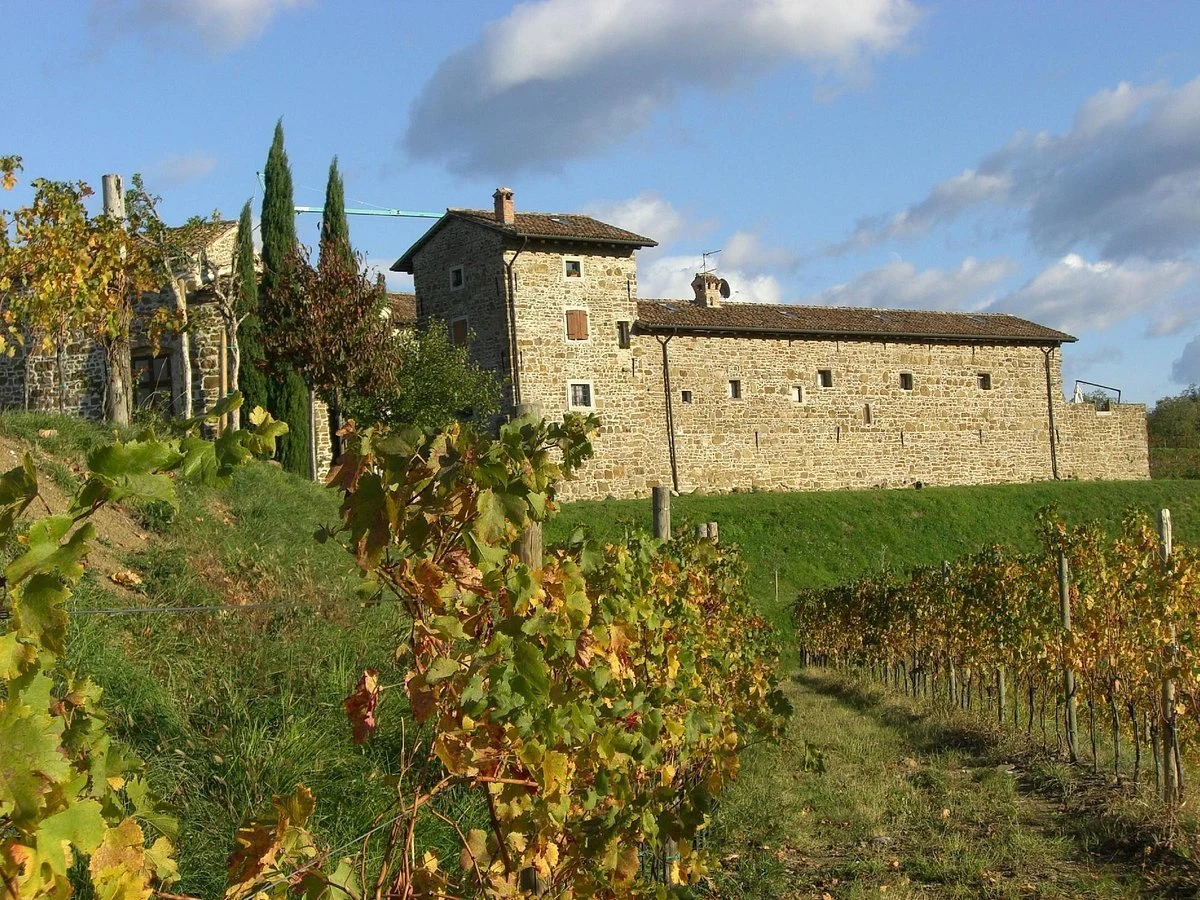
Colutta Wines in Manzano is best framed as a historic Friulian wine estate rather than a generic tasting room. Its appeal comes less from any single isolated feature than from the way the whole property reads as an estate, with hospitality, architecture, cellar heritage, and wine production all sitting in the same frame. The setting centers on a restored 17th–18th century villa, where exposed stone walls and beams, traditional cellar spaces, and modern vinification areas create a classic, rustic yet refined atmosphere. For visitors considering it, the useful lens is therefore not simply “a place to taste wine,” but a venue where the experience is shaped by the physical character of Manzano, by the restored villa, and by the visible connection between historic spaces and contemporary winemaking.
A historic Friulian estate setting
The most reliable way to describe Colutta Wines is through its estate character. In Manzano, the venue’s identity is tied to a restored villa and wine spaces, with the architecture carrying much of the experience: stone, beams, cellar rooms, and vinification areas all contribute to a sense of place. Those elements matter because they give the visit a stronger anchor than a neutral tasting counter or a purely modern hospitality room. The estate reads as recognizably Friulian through its materials and proportions, with the restored 17th–18th century villa providing a historic framework that helps set the tone before any formal tasting or cellar visit is even considered.
For planning purposes, treat Colutta Wines as a Manzano wine estate with a $$ price level and a historic Friulian atmosphere. That framing is especially helpful for setting expectations: the draw is not described as extravagant or showy, but as grounded, traditional, and polished enough to feel refined. The moderate price level sits naturally with that identity, supporting the idea of a wine-focused estate visit rather than a luxury spectacle. Visitors who respond to architecture, local context, and the feeling of being inside an active wine environment will likely find the setting easier to understand and appreciate when viewed through this estate-first perspective.
A restored villa with a winery backbone
The details point to a venue where heritage and vinification sit together. The restored 17th–18th century villa gives Colutta Wines its historic frame, while traditional cellars and modern vinification spaces keep the setting connected to wine production rather than pure hospitality. That combination is central to the venue’s character: the villa supplies age, texture, and a sense of continuity, while the winery spaces prevent the experience from feeling like a decorative historic property detached from its purpose. In practice, the estate’s identity comes from this overlap, where restored architectural features and working wine areas reinforce one another.
The overall mood is classic and rustic yet refined: exposed stone walls, beams, and cellar architecture in Manzano. The rustic side is carried by the visible materials and cellar character, which give the place weight and physical texture. The refined side comes from the restoration and the way those older elements sit alongside modern vinification spaces, creating a setting that feels composed rather than rough. That makes the estate most relevant for visitors interested in atmosphere, local wine context, and a historic Friulian setting. It is not best understood as a generic stop with wine added on, but as a place where the building, the cellar environment, and the winemaking backbone are part of the same experience.
Who the estate suits, and how to frame a visit
Colutta Wines suits visitors looking for a Manzano wine-estate experience with a historic villa backdrop and a moderate $$ price level. It is particularly well suited to people who value the setting around the wine as much as the tasting itself: the sense of arriving at a restored property, the impression created by stone and beams, and the connection to cellar and vinification spaces. The experience should be framed around atmosphere and estate identity rather than around novelty or spectacle. In that sense, the visit is most appealing when expectations are aligned with the venue’s strengths: historic architecture, winery context, and a Friulian mood that is both grounded and carefully maintained.
The grounded draw is the estate setting itself: restored villa, cellar character, modern vinification spaces, and a rustic yet refined Friulian atmosphere. Those are the points that give Colutta Wines its clearest shape on a venue page and help distinguish it from a more anonymous tasting room. The villa adds history, the cellars add depth, the vinification spaces add a working winery dimension, and the materials give the setting its tactile character. Taken together, they make Colutta Wines a Manzano estate to consider when the goal is a wine visit rooted in place, architecture, and the quiet appeal of a restored historic setting.
Questions
Frequently asked
How expensive is Colutta Wines?
Colutta Wines is listed at a price level of $$.
The field
How it compares
| Place | Notes | Awards |
|---|---|---|
| Colutta Wines | Colli Orientali del Friuli, $$ | · |
| Cantina Ronchi di Manzano | Manzano | · |
| Cencing | Manzano | · |
| Château d'Yquem | Sauternes | World's 50 Best |
| Colutta | Manzano | · |
| Le Vigne di Zamo' | Manzano | · |
| Ronchi di Sant'Egidio | Manzano | · |