Comte de Thun
- 01CityFrausseilles, France

- Falstaff Winery - Listed · 2026
Approaching Comte de Thun in Frausseilles means entering a quieter wine-country setting: a historic château on the Cordais plateau, with a scenic countryside atmosphere and a restrained, romantic sense of place. The appeal is not a crowded or theatrical experience, but a calm visit centered on serious red wines for aging and detailed, educational tastings. It is the kind of venue where the first impression comes as much from the surroundings as from the wine itself: the feeling of being in a rural landscape, the slower pace suggested by the château backdrop, and the sense that the tasting is meant to be considered rather than rushed.
For travelers looking for a hidden-gem stop in Frausseilles, Comte de Thun is best understood through its setting and tone. The château backdrop gives the visit a classic, elegant character, while the rural plateau location keeps the mood rustic and unhurried. Those two qualities sit together neatly: there is polish in the idea of a historic château, but the wider countryside setting keeps the experience grounded, quiet, and away from anything that feels overproduced. Specific production details, grape varieties, service formats, and access policies should be confirmed directly before planning a visit, especially for guests building a day around a tasting or trying to coordinate it with other time-sensitive plans.
A historic château setting on the Cordais plateau
Comte de Thun’s strongest identity is atmospheric: a historic château setting on the Cordais plateau with quiet, scenic countryside around it. That makes it a natural choice for visitors who value place as much as the glass itself. The setting gives the tasting a frame before any wine is poured, inviting guests to slow down and read the visit as part of a broader wine-country landscape rather than as a quick stop. For some travelers, that sense of place will be the main draw: the combination of history, rural calm, and an environment that feels removed from busier circuits.
The focus is on serious red wines for aging, presented in a way that supports careful tasting and explanation. Rather than relying on spectacle, the experience is grounded in context, patience, and the pleasure of understanding wines in a calm rural setting. That emphasis matters because wines intended for aging often reward a slower, more attentive style of tasting, where structure, development, and future potential can be discussed as part of the experience. In this context, “educational” does not need to mean formal or stiff; it suggests a visit where the wine is given room to be explained, and where guests are encouraged to pay attention to what is in the glass instead of being distracted by performance.
Because only limited practical details are here, visitors should avoid assuming specific hours, tour languages, seating arrangements, parking, accessibility features, food service, or a particular tasting format. The confirmed price is $7 per person. That price is the one practical anchor available, but it should not be treated as a substitute for confirming the rest of the visit. Anyone planning around transportation, group size, mobility needs, timing, or expectations for a more structured tour should check directly in advance. The overall impression is clear, but the operational details are not fully described here, so careful confirmation is part of planning well.
The tasting mood suits people who want context, not theatre
Comte de Thun is a good fit for guests who want an educational tasting in a scenic, classic environment. The countryside atmosphere, historic château setting, and emphasis on red wines for aging give the visit a serious but welcoming profile. It is best approached with the mindset of someone who wants to listen, taste carefully, and understand the wine in relation to its setting. Travelers looking for loud energy, elaborate staging, or a highly social tasting room may find the tone more understated than expected. Those who prefer a quieter exchange, however, are likely to appreciate the restraint.
The romantic quality here is also subtle rather than showy. It comes from the historic setting, the plateau landscape, and the sense of taking time with wines that are presented as serious and age-worthy. That makes Comte de Thun especially appealing for visitors who enjoy wine experiences with a measured pace and a strong sense of location. The visit is less about checking off a list of amenities and more about entering a particular atmosphere: scenic, rural, composed, and oriented toward explanation. In that way, it functions as a counterpoint to more commercial or entertainment-driven wine stops, without needing to claim anything beyond its own quiet strengths.
For a wider Frausseilles stay, treat Comte de Thun as a wine-focused anchor and compare it with other dining or travel options in Frausseilles generically, confirming current details before booking. The essentials are simple: Comte de Thun is in Frausseilles, the setting is historic and scenic, the tasting approach is detailed and educational, and the listed price is $7 per person. Plan around those known points, leave flexibility for the details that need direct confirmation, and expect an experience defined by calm surroundings, château character, and a thoughtful focus on red wines for aging.
Questions
Frequently asked
How expensive is Comte de Thun?
Comte de Thun is listed at a price level of $$.
The field
How it compares
| Place | Notes | Awards |
|---|---|---|
| Comte de Thun | Plateau Cordais, $$ | · |
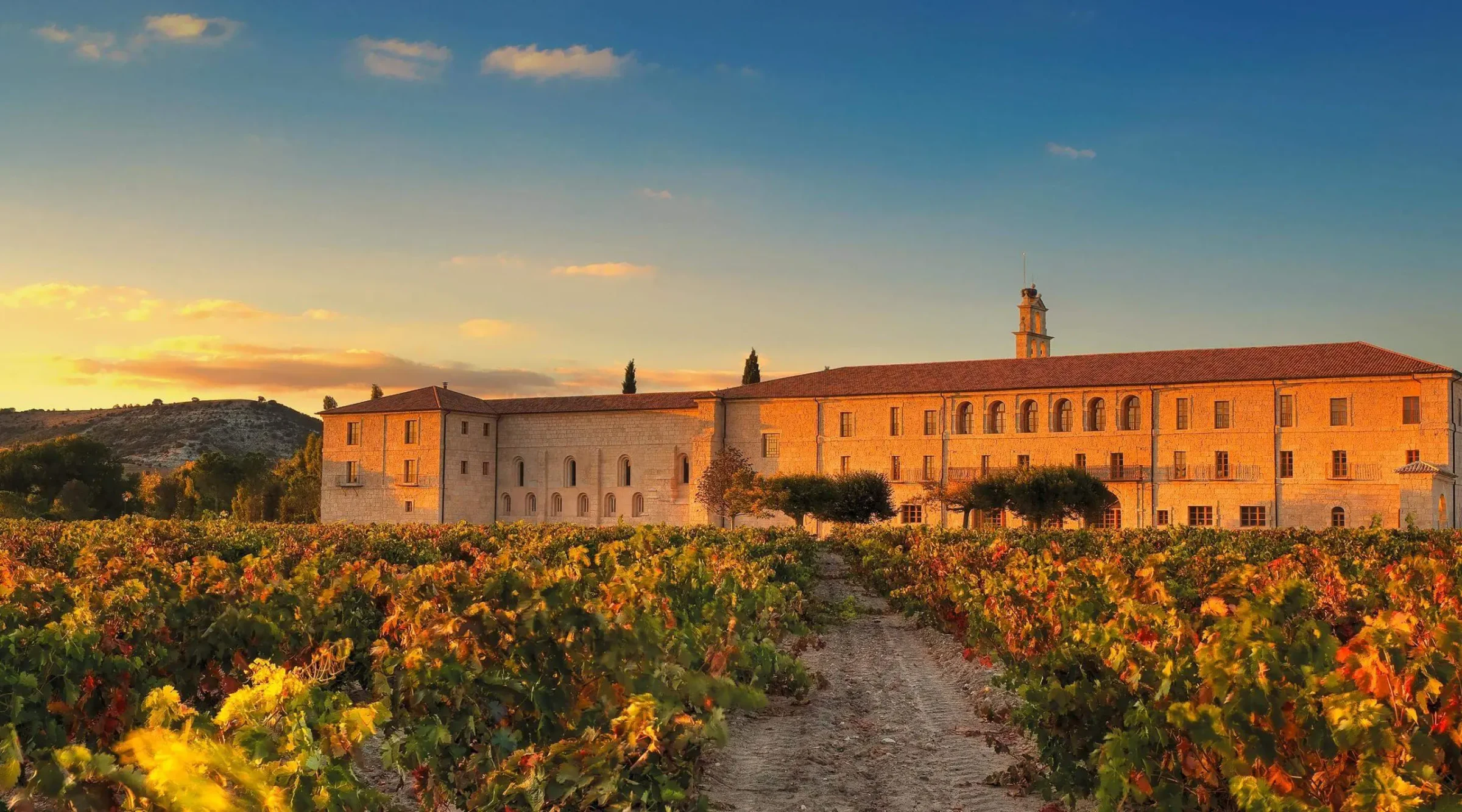
| Abadía Retuerta | Sardón de Duero | World's 50 Best |
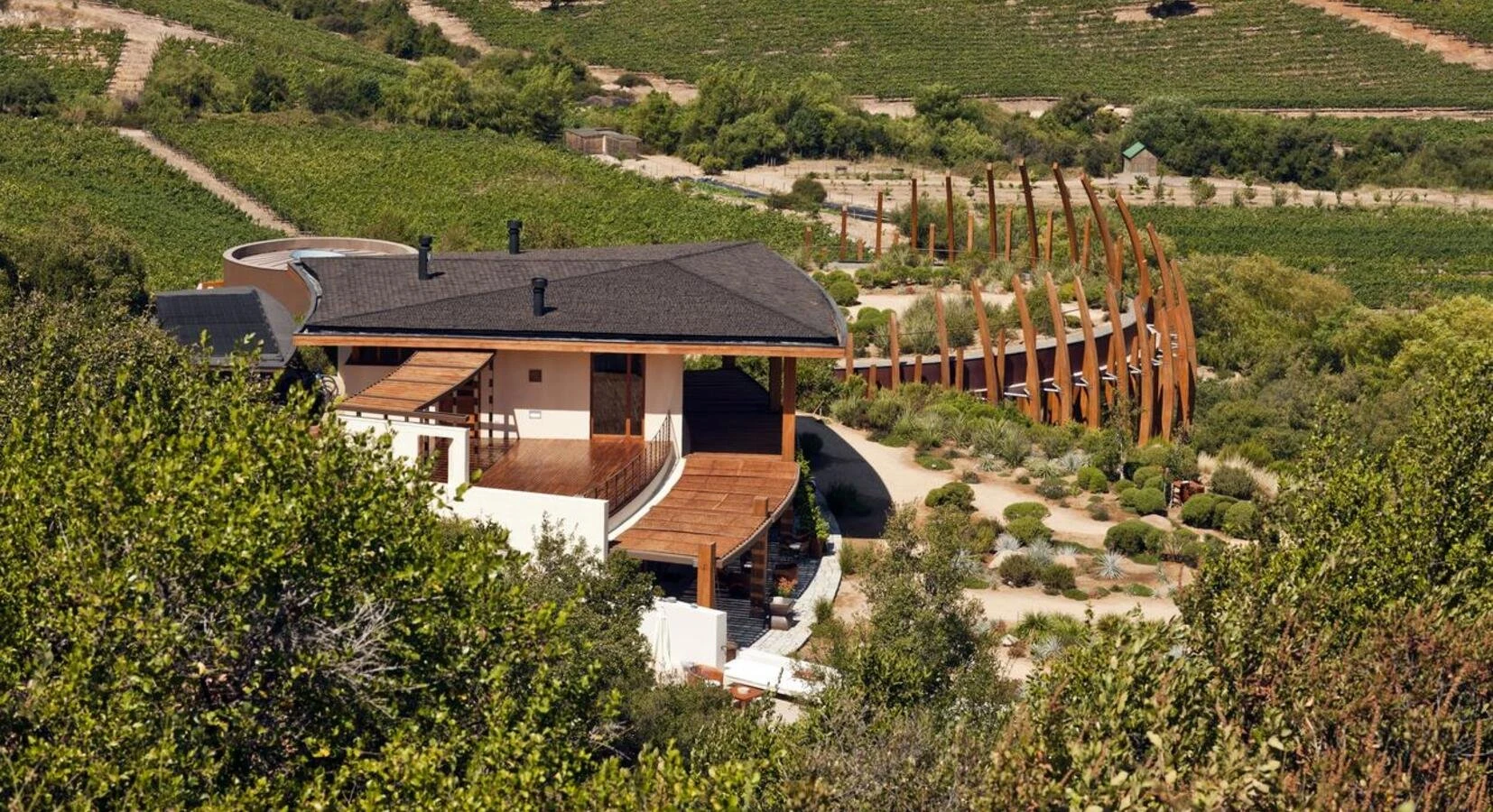
| Clos Apalta (Casa Lapostolle) | Santa Cruz | World's 50 Best |
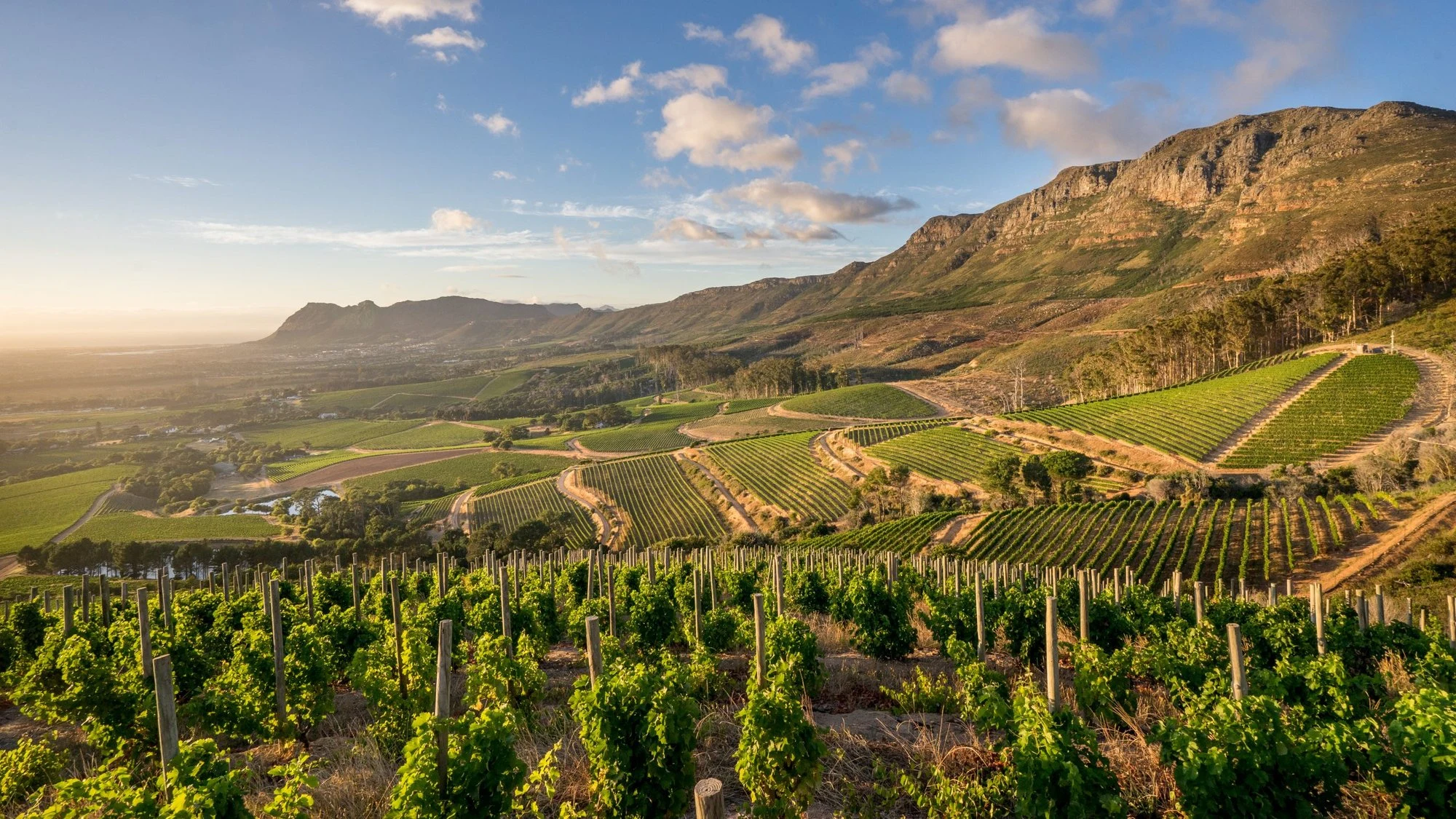
| Klein Constantia | Cape Town | World's 50 Best |
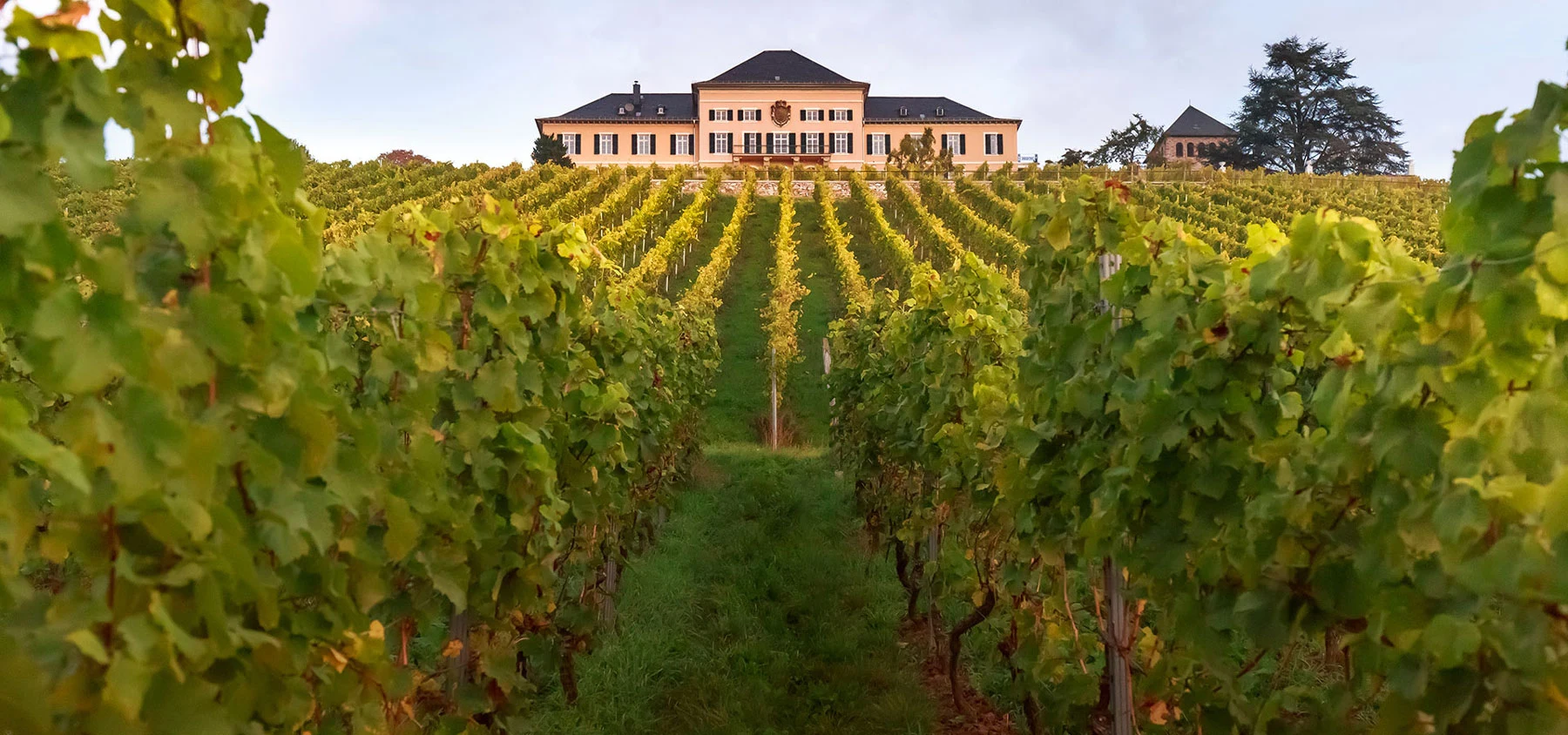
| Schloss Johannisberg | Geisenheim-Johannisberg | World's 50 Best |
| Viña Montes | Santa Cruz | World's 50 Best |
| Weingut Egon Müller | Wiltingen | · |