Coombeshead Farm
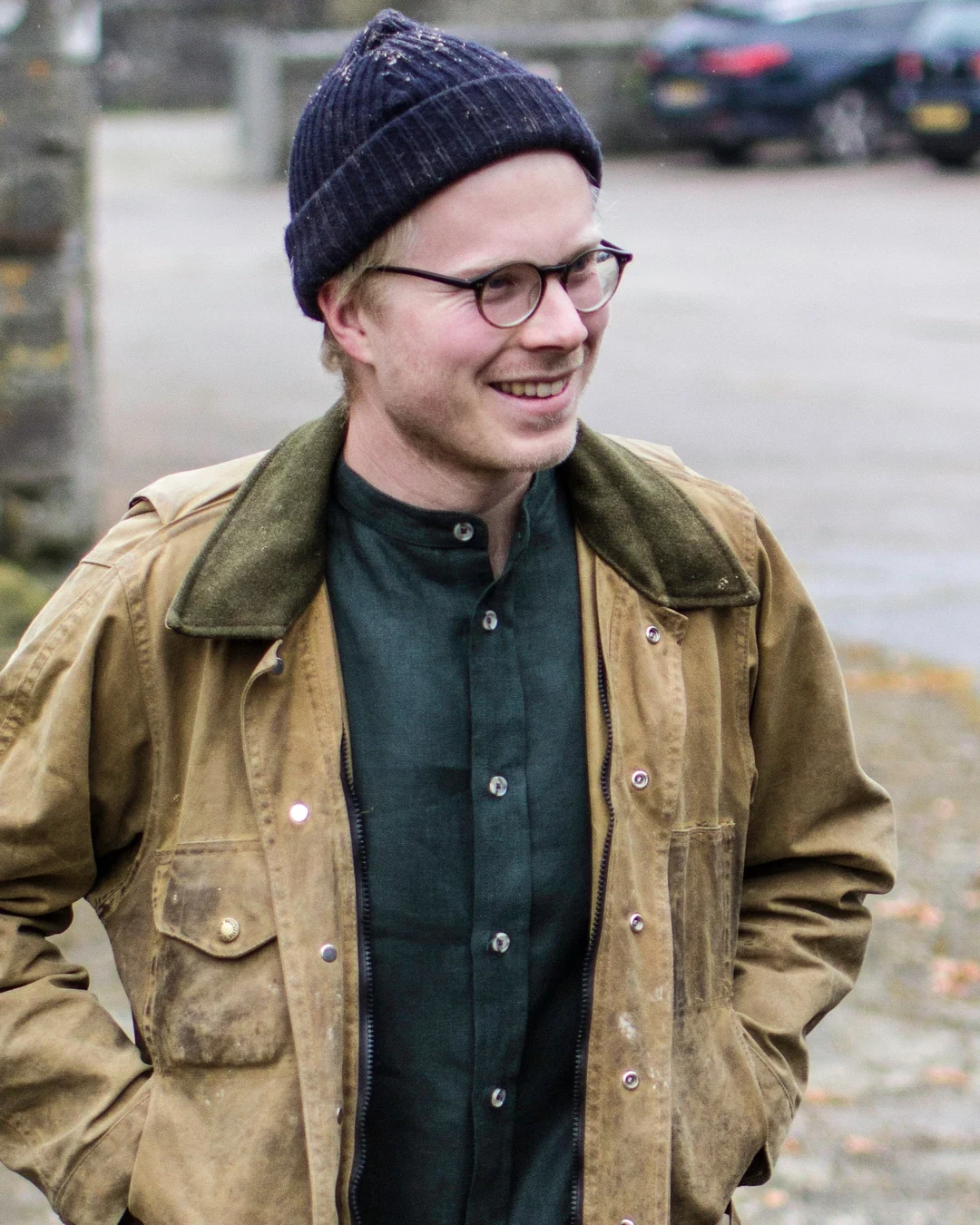
In Residence
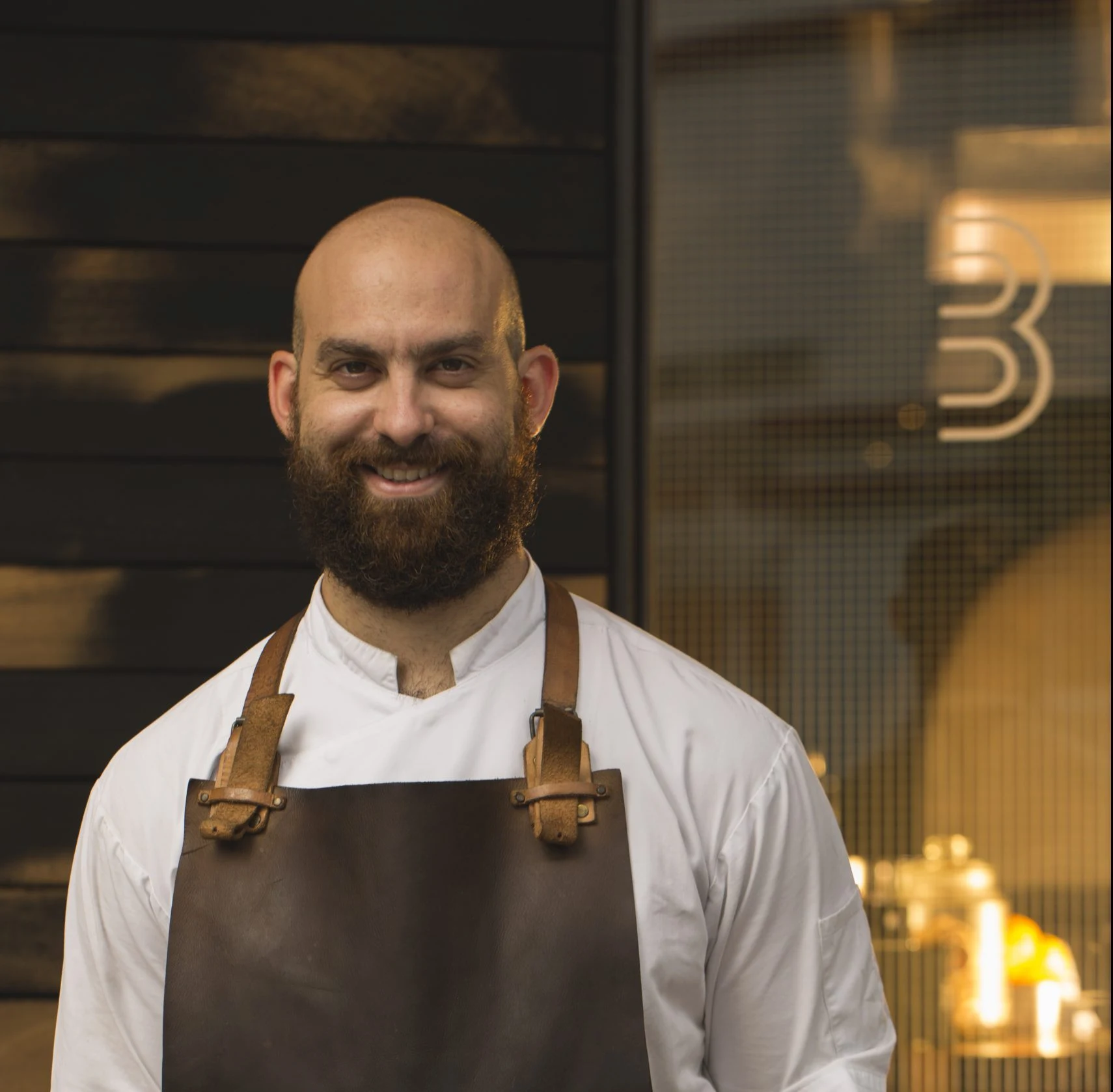
Tom Adams
Chef
- 01CuisineFarm-to-Table British
- 02CityLewannick, United Kingdom
From the people index
Recommended by
2 trusted voices point here.
- Michelin Plate · 2026
- Opinionated About Dining Top Restaurants in Europe Recommended · 2026
- Michelin Plate · 2025
- Opinionated About Dining Top Restaurants in Europe Ranked #338 · 2025
- The Good Food Guide GFG Very Good · 2025
- Opinionated About Dining Top Restaurants in Europe Ranked #374 · 2024
- Opinionated About Dining Top New Restaurants in Europe Highly Recommended · 2023
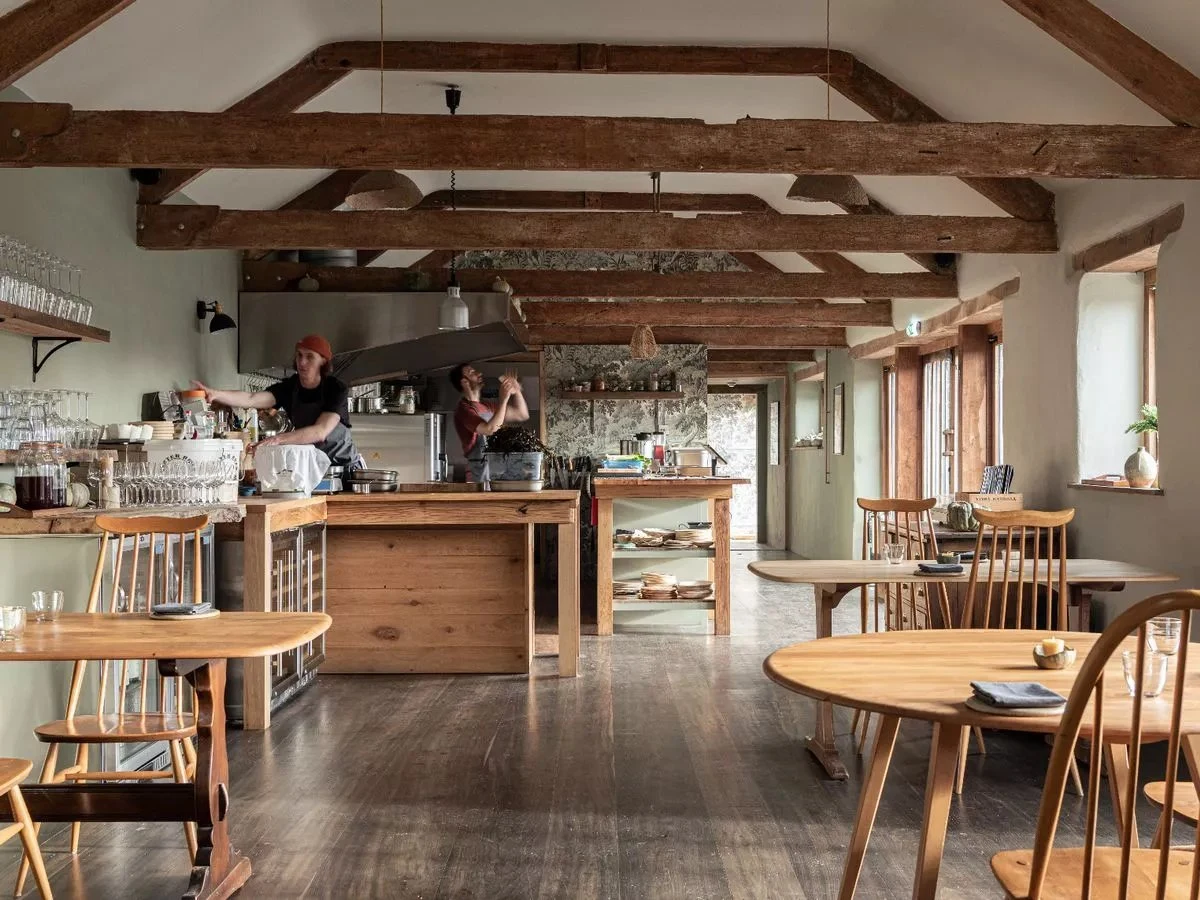
Coombeshead Farm is a restaurant in Lewannick, Cornwall, serving Farm-to-Table British cooking at about £95 per person. The lane that leads to Coombeshead Farm, Lewannick, PL15 7QQ, does not suggest a restaurant is coming. Hedgerows give way to open meadow, chickens cross without urgency, and the smell of wild garlic carries on the air long before any building appears. This is not atmosphere manufactured for effect. The farm covers 66 acres of meadows and woodland in Cornwall, and the dining room exists because the land produces enough to warrant one.
That distinction matters when placing Coombeshead Farm within a broader movement in British cooking. Over the past two decades, the most interesting development in the country's food culture has not happened inside city-centre fine dining rooms. It has happened in converted barns, pub annexes, and working farms, where chefs began treating provenance as the starting point rather than the garnish. Coombeshead Farm Cornwall sits firmly inside that tradition.Hand and Flowers in Marlow and hide and fox in Saltwood, The format here strips away the apparatus of conventional restaurant dining and replaces it with something more honest: a wood fire, animal skins over the chairs, artisan pottery, antique cutlery, and a menu that changes according to what the farm is producing.
The Gastropub Revolution, Taken Further
The gastropub revolution of the 1990s and early 2000s made a simple argument: serious cooking does not require a formal room. Coombeshead Farm takes that argument further, suggesting it does not even require a restaurant. What it requires is land, knowledge of that land, and the technical discipline to present what the land produces with precision. Tom Adams, the owner and driving force, is constantly reassessing what livestock to keep and what to grow based on what the soils can support. The menu is the output of those decisions, not a separate creative exercise.
The four-course evening menu, priced at £65, reflects that logic. Proceedings begin with bread, sourdough that has accumulated a reputation among visitors as one of the most consistently satisfying things served anywhere in the south-west, accompanied by farmhouse butter of a notably yellow hue. From there, a starter might bring a mangalitza pork terrine or a preparation of just-picked vegetables. Main courses have included a substantial leg of guinea fowl with stewed tomato and string beans, dressed with salad leaves from the farm. Dessert, in one documented instance, ran to a frangipane tart of haskap berries with clotted cream: the kind of thing that tastes specifically of where it was made. The cooking techniques throughout lean on curing, pickling, and grilling over fire, methods that preserve and intensify rather than disguise.
For wine, the approach is self-directed: guests browse the cellar and select for themselves. It is an unusual format that suits the wider informality of the experience without tipping into casualness.
Recognition and Where It Sits Among Peers
Coombeshead Farm holds a Michelin Plate for 2025, a designation that signals quality cooking without the full star apparatus. On the Opinionated About Dining ranking of Leading Restaurants in Europe, the farm came in at #338 in 2025, an improvement from #374 in 2024, with a Highly Recommended listing for new restaurants in 2023. That ranking underlines the point: the farm earns its position through consistency and clarity of purpose, not through the trappings of high-end dining.
Gidleigh Park in Chagford to tasting-menu restaurants of national standing. Nationally, the farm occupies a different niche from London-anchored fine dining addresses like The Ledbury or Midsummer House in Cambridge, and a different niche from rural destination restaurants with larger kitchen brigades such as L'Enclume in Cartmel or Moor Hall in Aughton. Coombeshead's competitive set is smaller and more specific: farms-as-restaurants, where the operational logic of the place determines what ends up on the plate.
The Overnight Stay and Why It Changes Everything
The accommodation at Coombeshead Farm is, practically speaking, the principal product. Bedrooms carry a farmhouse character that matches the dining room: no manufactured luxury, but considered comfort. The real argument for staying is the morning. Breakfast at Coombeshead has been cited as a reason to visit in its own right, drawing on the same farm-sourced larder that supplies the evening kitchen. For guests arriving from a distance, the overnight format also removes the drive calculation and opens up the possibility of wandering the 66 acres in the late afternoon, which the farm encourages explicitly.
This model, dining embedded in a place you can sleep and walk through, is one that sits apart from the day-trip restaurant experience. It is closer in structure to Le Manoir aux Quat' Saisons in Great Milton, though the aesthetic register is entirely different. Where Le Manoir operates in the French country-house tradition, Coombeshead Farm operates in something harder to classify: an English working farm that happens to cook and host at a standard that warrants a two-hour drive from Bristol or Exeter.
Planning Your Visit
Coombeshead Farm is located in Lewannick, near Launceston in Cornwall. The nearest significant town is Launceston, and the farm is most practically reached by car. The four-course evening menu is priced at £95 per person. Booking ahead is advisable, particularly for the overnight rooms, which function as the primary draw. The farm's Google rating of 4.8 across 201 reviews is consistent with its recognition: the experience lands reliably rather than impressively on occasion.
Questions
Frequently asked
Who works at Coombeshead Farm?
Made By profiles Tom Adams (Chef) at Coombeshead Farm.
How expensive is Coombeshead Farm?
Coombeshead Farm is listed at a price level of $$$.
Where is Coombeshead Farm and what does it serve?
Coombeshead Farm is in Lewannick, Lewannick, serving Farm-to-Table British.
The field
How it compares
| Place | Cuisine | Notes | Awards |
|---|---|---|---|
| Coombeshead Farm | Farm-to-Table British | Lewannick, $$$ | · |
| Cocina Hermanos Torres | Modern Spanish Fine Dining | Barcelona | Michelin 3 Stars, World's 50 Best |
| DSTAgE | Avant-Garde Spanish Tasting Menus | Madrid | Michelin 2 Stars |
| Pierre Gagnaire | Avant-Garde French Fine Dining | Paris | Michelin 3 Stars, World's 50 Best |
| Quince | Modern French Fine Dining | San Francisco | Michelin 3 Stars, World's 50 Best |
| The French Laundry | French-Californian Fine Dining | Yountville | Michelin 3 Stars, World's 50 Best |
| The Modern | Contemporary American Fine Dining | New York City | Michelin 2 Stars |
In residence
Similar places
Modern Spanish Fine Dining
Cocina Hermanos Torres
Barcelona, Spain
★★★ · 50 Best
Avant-Garde Spanish Tasting Menus
DSTAgE
Madrid, Spain
★★
Avant-Garde French Fine Dining
Pierre Gagnaire
Paris, France
★★★ · 50 Best
Modern French Fine Dining
Quince
San Francisco, United States
★★★ · 50 Best
French-Californian Fine Dining
The French Laundry
Yountville, United States
★★★ · 50 Best
Contemporary American Fine Dining
The Modern
New York City, United States
★★