Corte Mamaor
- 01CityValeggio Sul Mincio, Italy
- Falstaff Winery - Listed · 2026
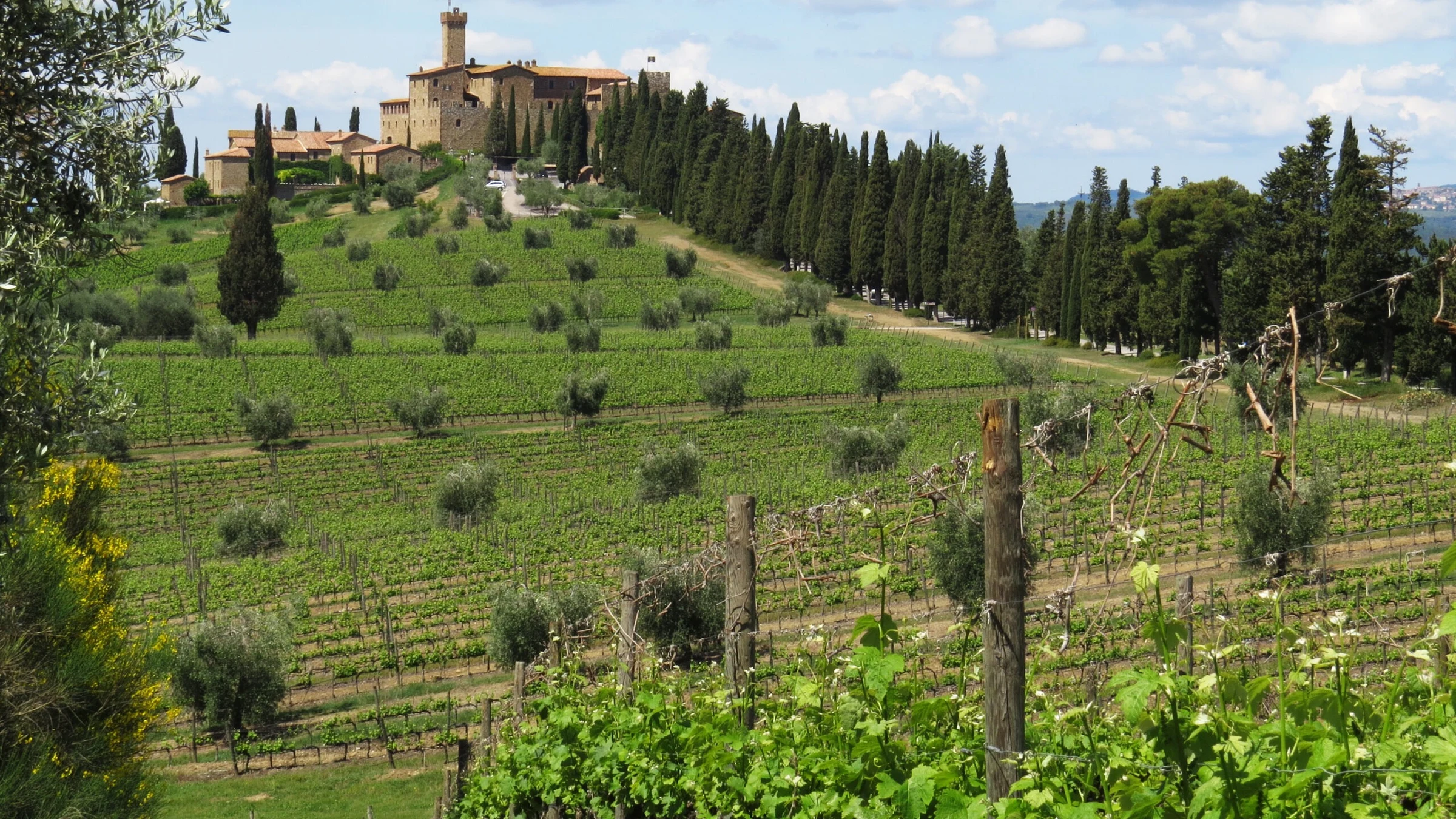
Approaching wine in Valeggio sul Mincio means reading the land before reading a label. The Custoza hills are low, glacial, and open to the tempering influence of Lake Garda; vineyards sit in a softer register than the steeper, more dramatic Italian wine regions. Corte Mamaor belongs to that register. Its setting is rustic and quiet rather than polished for spectacle, with the countryside doing much of the editorial work: morainic soils, native white grapes, and the old Lake Garda red varieties explain the wines more clearly than a tasting-room script ever could.
This part of Veneto is too often treated as a stopover between Verona, Lake Garda, and the Mincio villages. That misses the point. Custoza DOC, established in 1971, is one of Italy’s earlier white-wine denominations, built around blends rather than single-varietal branding. Bardolino DOC, created in 1968, carries the red-wine side of the same Garda-adjacent logic: lighter color, savoury structure, and a grape base led by Corvina, Corvinone, and Rondinella. Corte Mamaor is interesting because it works across both traditions from Valeggio sul Mincio, which gives the visit a more complete view of the area than a white-only or red-only stop.
Morainic hills, Lake Garda air, and wines built on local grammar
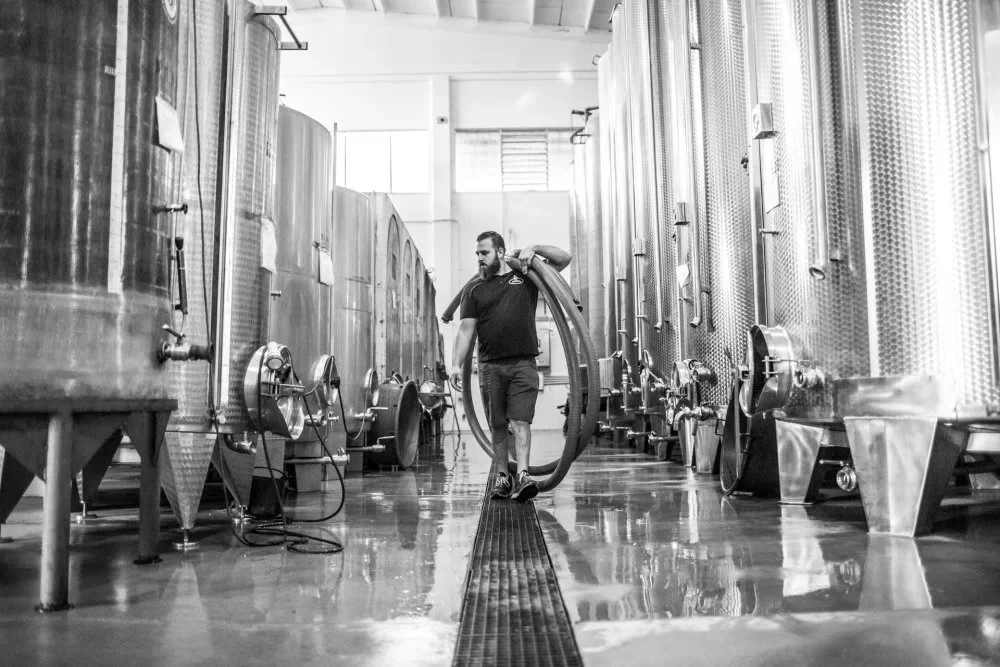
The estate story begins in 1951 with Luigi, grandfather of the current owners, when the family production was still tied to cereals, fruit, and private wine customers. That timeline matters because Veneto’s small agricultural estates often evolved this way: mixed farming first, commercial wine identity later. Today the family line continues through Nicolò and Riccardo, the third generation, but the more useful detail is not biography. It is continuity. The vineyard work described here, gentle pruning, manual shoot selection, hand-picking, controlled-temperature fermentation, minimal racking, and longer lees ageing, places the estate in the artisanal lane of Custoza rather than the high-volume lake-tourism lane.
The white side is anchored by Custoza DOC, traditionally a blend of Garganega, Trebbianello, Trebbiano, and Bianca Fernanda. That blended structure is central to the denomination’s identity. Garganega brings the Veneto frame, Trebbianello and Trebbiano add regional breadth, and Bianca Fernanda links the wine to local biotypes rather than international shorthand. Corte Mamaor’s portfolio also includes Veneto Garganega IGT, Garda DOC Cabernet Sauvignon, sparkling white and rosé wines, and Bardolino DOC, the red that ties the estate back to the southeast Lake Garda corridor.
Site’s altitude is given as 150 meters above sea level, modest enough to keep the wines in a fresh, accessible idiom, but high enough for the morainic slopes to matter. These glacial soils, typically sandy and gravelly, drain well and suit a style where structure should come from balance rather than weight. That is the reason Custoza can feel more serious than its casual reputation suggests. It is not a wine of grand gestures; it is a wine of proportion, and estates that respect the blend can show why the denomination has lasted.
Enosi, Bardolino, and the estate's renewed visual language
In 2024, Corte Mamaor restyled its labels and packaging, renaming the core white and red lines Enosi Bianco and Enosi Rosso. The name comes from “Enosis,” the Greek word for union, and the idea fits the local context without needing to overstate it. Custoza itself is a union wine: several grapes, glacial soils, lake air, and family agriculture folded into one bottle. The hare on the new labels gives the estate a natural emblem rather than a luxury code, which feels right for a winery whose appeal sits closer to rural Veneto than to international cellar-door theatre.
The Bardolino matters because it changes the rhythm of a visit. In a region often introduced through whites, a properly framed Bardolino reminds drinkers that Lake Garda’s red tradition is not trying to imitate Valpolicella’s scale or density. Corvina, Corvinone, and Rondinella can produce a red with a lighter profile and a savoury line, especially when the winemaking protects delicacy instead of forcing concentration. That makes Bardolino a useful counterpoint to the Custoza blend: the same broad geography, a different register of freshness.
The estate’s membership in the Consorzio Tutela Vino Custoza DOC is a meaningful trust signal because consortia shape how denominations defend identity over time. There are no major award claims to lean on here, and that is not a weakness if the reader understands the category. Small wineries in Custoza are often judged through farming, hospitality, and denominational fluency rather than medals. Corte Mamaor’s public recognition is local and experience-led, including a 5-star Winedering guest review from October 2025 that praised the organization of the visit, the owner’s knowledge, the wines, and the local cured meats and cheeses served alongside them.
How to place it within a Valeggio sul Mincio wine day
Smarter way to use Corte Mamaor is as a terroir stop, not as a trophy stop. It suits travelers who want to understand why Custoza is blended, why Bardolino stays lighter, and how family estates near Lake Garda translate agricultural inheritance into visitor-facing wine tourism. The experience is guided, small-format, and tied to regional food accompaniments, which gives enough structure for first-time Custoza drinkers without turning the visit into a lecture.
For a broader Valeggio sul Mincio wine route, keep the itinerary local before widening the map. Nearby winery reading can start with Corte Fornello, Corte Gardoni, Le Muraglie, and Seiterre Viticoltori dal 1877, then expand through our full Valeggio Sul Mincio wineries guide. City planning can be paired with our full Valeggio Sul Mincio restaurants guide, our full Valeggio Sul Mincio hotels guide, our full Valeggio Sul Mincio bars guide, and our full Valeggio Sul Mincio experiences guide.
Readers building a wider European winery file can also compare regional formats through 3GP SRL in Treviso, 47 Anno Domini in Trebaseleghe, A Mano Wine in Noci, a6mani in Fragagnano, »der Steiner« Hans Steiner in Podersdorf am See, and & Handwein in Mannheim. The useful lens is format: family scale, denomination identity, and how much a visit teaches about place rather than simply pouring through a lineup.
Questions
Frequently asked
How expensive is Corte Mamaor?
Corte Mamaor is listed at a price level of $$.
The field
How it compares
| Place | Notes | Awards |
|---|---|---|
| Corte Mamaor | Valeggio sul Mincio, $$ | · |
| Castello Banfi | Montalcino | World's 50 Best |
| Château Rieussec | Fargues | · |
| Corte Fornello | Valeggio Sul Mincio | · |
| Corte Gardoni | Valeggio Sul Mincio | · |
| Le Muraglie | Valeggio Sul Mincio | · |
| Seiterre Viticoltori dal 1877 | Valeggio Sul Mincio | · |