- Falstaff Winery - Listed · 2026
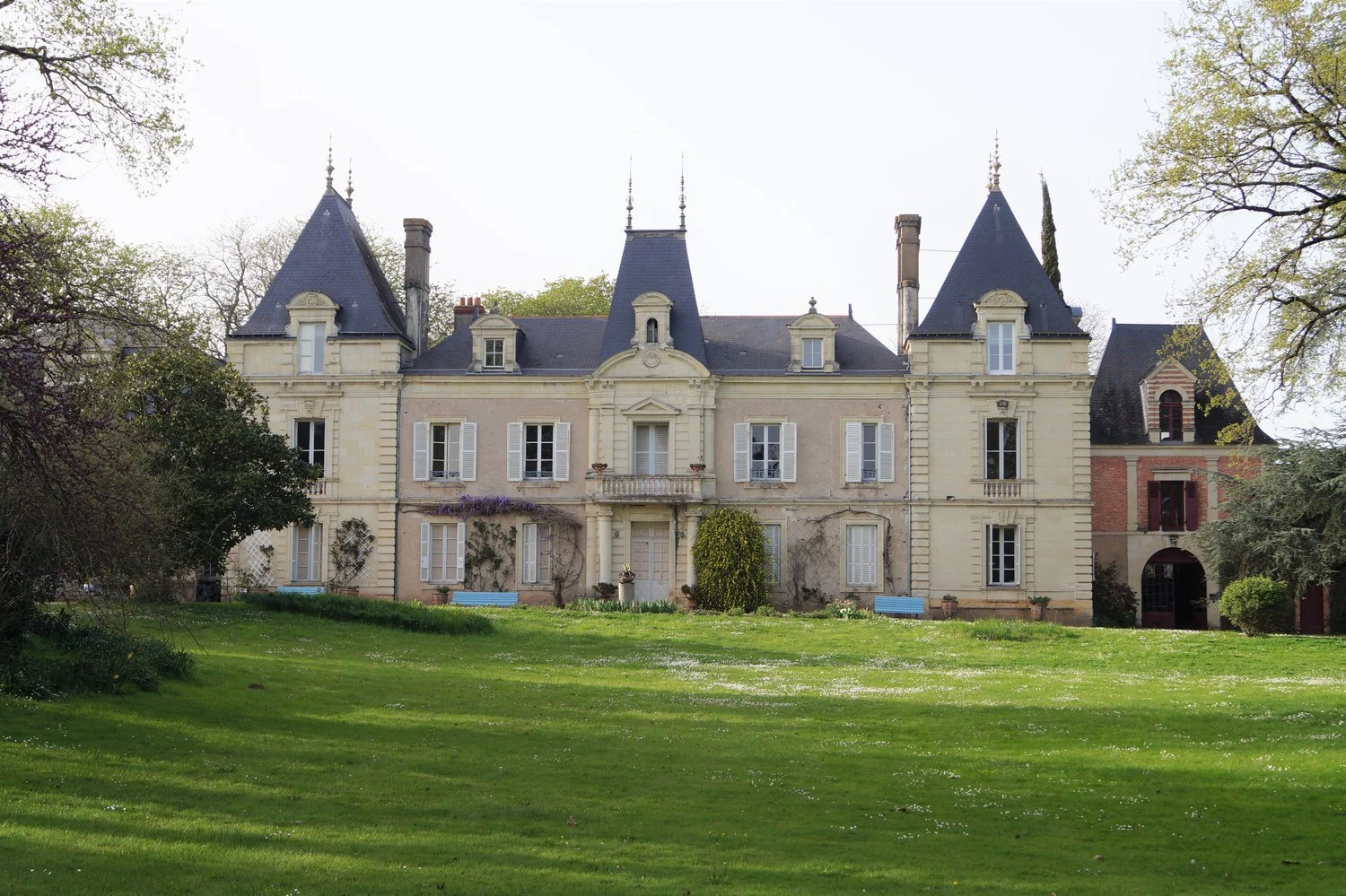
The approach to Coulée de Serrant is defined by slope, stone and river light rather than cellar-door polish. In Savennières, the estate’s steep, sun-exposed vineyard slopes above the river, old monastery and château create a classic Loire Valley atmosphere before any wine is discussed. The mood is quiet, serious and agricultural, closer to a historic vineyard setting than a polished entertainment address. It is the sort of first impression that comes from terrain and age: the incline of the land, the presence of old buildings and the feeling that the vineyard is the primary host.
That matters because the experience is best understood as a place for serious wine appreciation. Coulée de Serrant is not presented here as a dining room or casual bar; the picture is of a tranquil estate vineyard where the landscape, history and sense of place carry the visit. Its listed price level is $$$, so plan for a premium stop rather than a quick low-cost detour. The value is therefore less about casual convenience and more about the chance to spend time with a site whose atmosphere is already strongly defined.
Steep slopes and historic buildings make the argument here
The central story is setting. Coulée de Serrant sits in Savennières, with steep, sun-exposed slopes over the river and historic estate architecture shaping the atmosphere. The old monastery and château give the place a contemplative character, and the vineyard landscape keeps the focus on the land rather than on spectacle. Those elements work together without needing much embellishment: river light, exposed slopes and old stone create the argument for visiting before any further hospitality detail is added.
For visitors, that means the appeal is grounded in patience and attention. The draw is not a long list of amenities, entertainment features or dining services, but the chance to encounter a serious Loire Valley vineyard in a calm, historically resonant setting. It rewards people who are comfortable letting the site speak quietly, who notice how geography and architecture shape the experience, and who are not looking for a venue to behave like a general-purpose leisure stop.
Treat Coulée de Serrant as a premium Savennières wine-estate visit and confirm practical details directly before making plans. That is especially important because the most reliable framing here is the estate itself: its vineyard, its setting and its restrained sense of place.
The atmosphere is restrained rather than showy
Coulée de Serrant’s character is classic, tranquil and almost spiritual. The estate setting encourages slow attention: slopes, river light, old stone and a sense of continuity. It is better suited to visitors who want to understand a serious vineyard landscape than to those looking for a high-energy hospitality scene. Nothing in the picture suggests a place built around noise, display or rapid turnover; its appeal lies in quiet concentration.
The dress-code note is best read as guidance on mood rather than formal clothing: this is a historic Loire Valley estate vineyard focused on wine appreciation, not nightlife or entertainment. The appropriate approach is respectful, comfortable and understated. In practical terms, that means arriving with the expectation of restraint, listening to the setting and keeping attention on the vineyard character rather than on the social performance of a more glamorous address.
The estate is better read within the wider Savennières conversation than as a generic attraction. Other dining or drinking options in Savennières can be considered separately, but Coulée de Serrant itself is most clearly framed as a premium vineyard stop centered on place, history and wine seriousness. That distinction helps set expectations: this is not trying to replace a meal, bar or evening out, but to offer a focused encounter with an important-feeling landscape.
A visit for serious wine attention, not spectacle
Experience, as verified, is quiet and focused on wine rather than entertainment. The setting carries much of the drama: vineyard slopes, river, historic buildings and the discipline of a place where the landscape remains central. It suits travelers who value atmosphere and context over a heavily programmed visit. The drama is therefore measured rather than theatrical, coming from the accumulated presence of site, history and vineyard work rather than from added effects.
Expect a premium rather than lavish register. The price level is marked $$$, and the tone is not built around dining claims, lounge culture or broad entertainment. That restraint is part of the point. Coulée de Serrant asks for attention to a historic Savennières estate landscape and the seriousness associated with wine appreciation there. Visitors should understand the premium character as aligned with focus and setting, not with the kind of opulence that depends on many visible extras.
Travellers building a wider Loire Valley itinerary can use Coulée de Serrant as a contemplative Savennières anchor, then plan other meals, lodging or activities separately. The central luxury here is not scale or spectacle, but concentration: a steep, historic vineyard setting over the river, shaped by old stone and a calm sense of place. Approached that way, the estate makes most sense as a pause for attention within a broader journey, a place where the landscape itself provides the memorable structure of the visit.
Questions
Frequently asked
Who works at Coulée de Serrant?
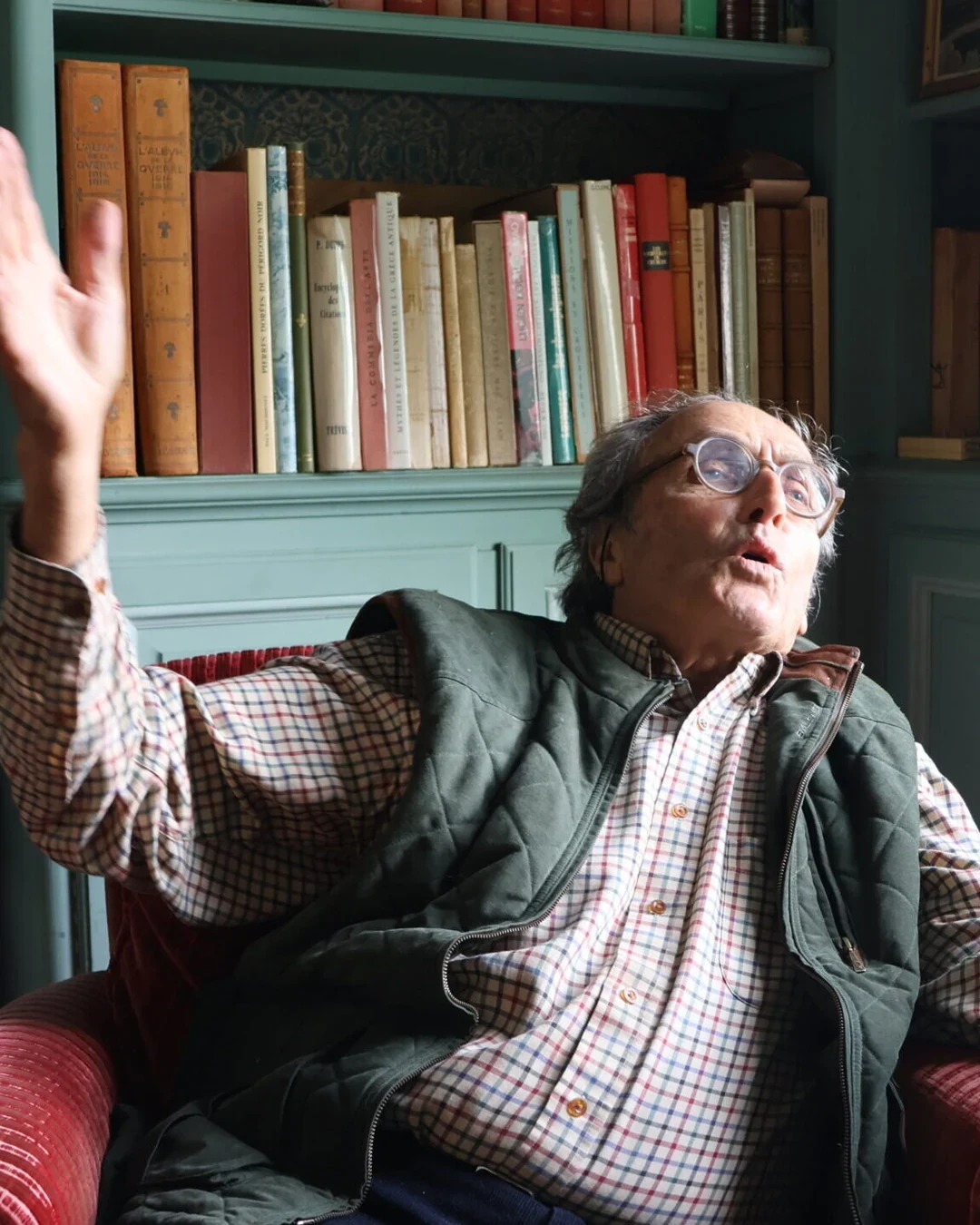
Made By profiles Nicolas Joly (Winemaker) at Coulée de Serrant.
How expensive is Coulée de Serrant?
Coulée de Serrant is listed at a price level of $$$.
The field
How it compares
| Place | Notes | Awards |
|---|---|---|
| Coulée de Serrant | Savennières, $$$ | · |
| Biondi-Santi Tenuta Greppo | Montalcino | · |
| Domaine du Closel | Savennières | · |
| Herdade do Esporão | Reguengos de Monsaraz | World's 50 Best |
| Le Domaine aux Moines | Savennières | · |
| Quinta do Crasto | Sabrosa | World's 50 Best |
| Thibaud Boudignon | Savennières | · |