Cucina
- 01CuisineTuscan Italian Trattoria & Pizzeria
- 02CityFlorence, Italy
- Wine Spectator · Tier 1
- Michelin Plate · 2026
- Opinionated About Dining Casual in Europe Recommended · 2026
- Pearl Recommended Restaurant · 2025
- Wine Spectator Award of Excellence · 2025
- Michelin Plate · 2025
- Opinionated About Dining Casual in Europe · 2025
- Michelin Plate · 2024
The Room Before the Plate
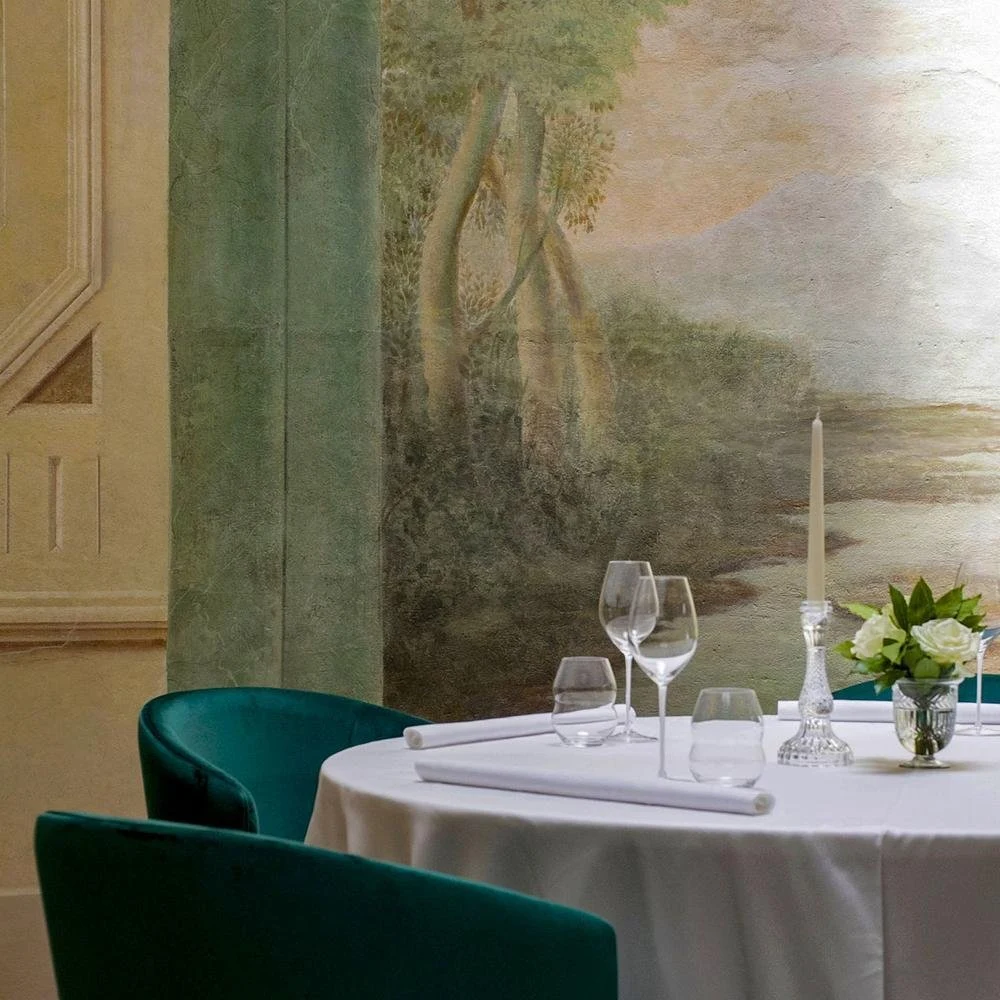
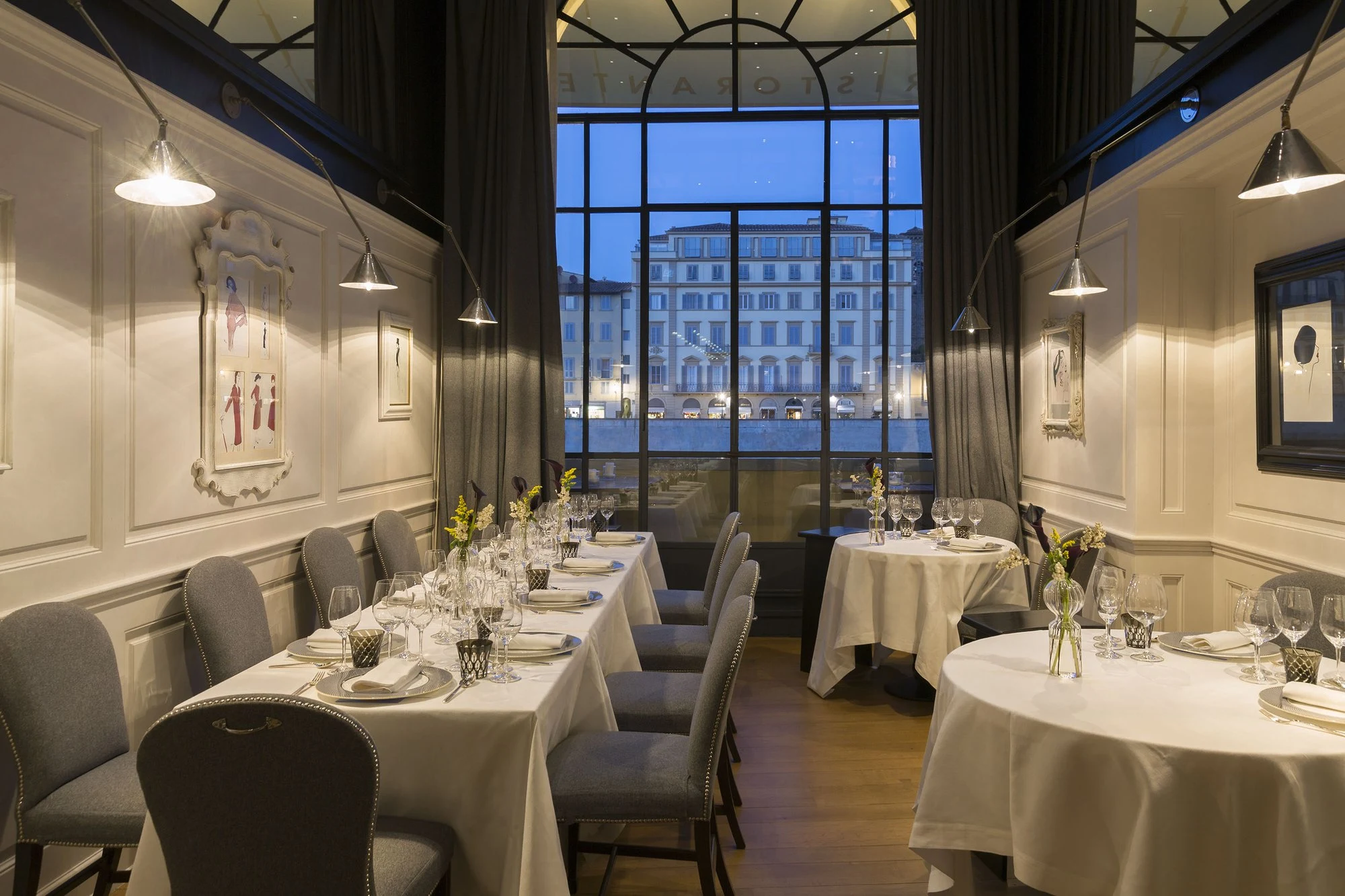
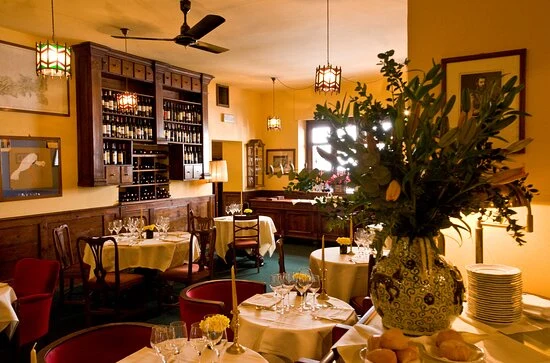
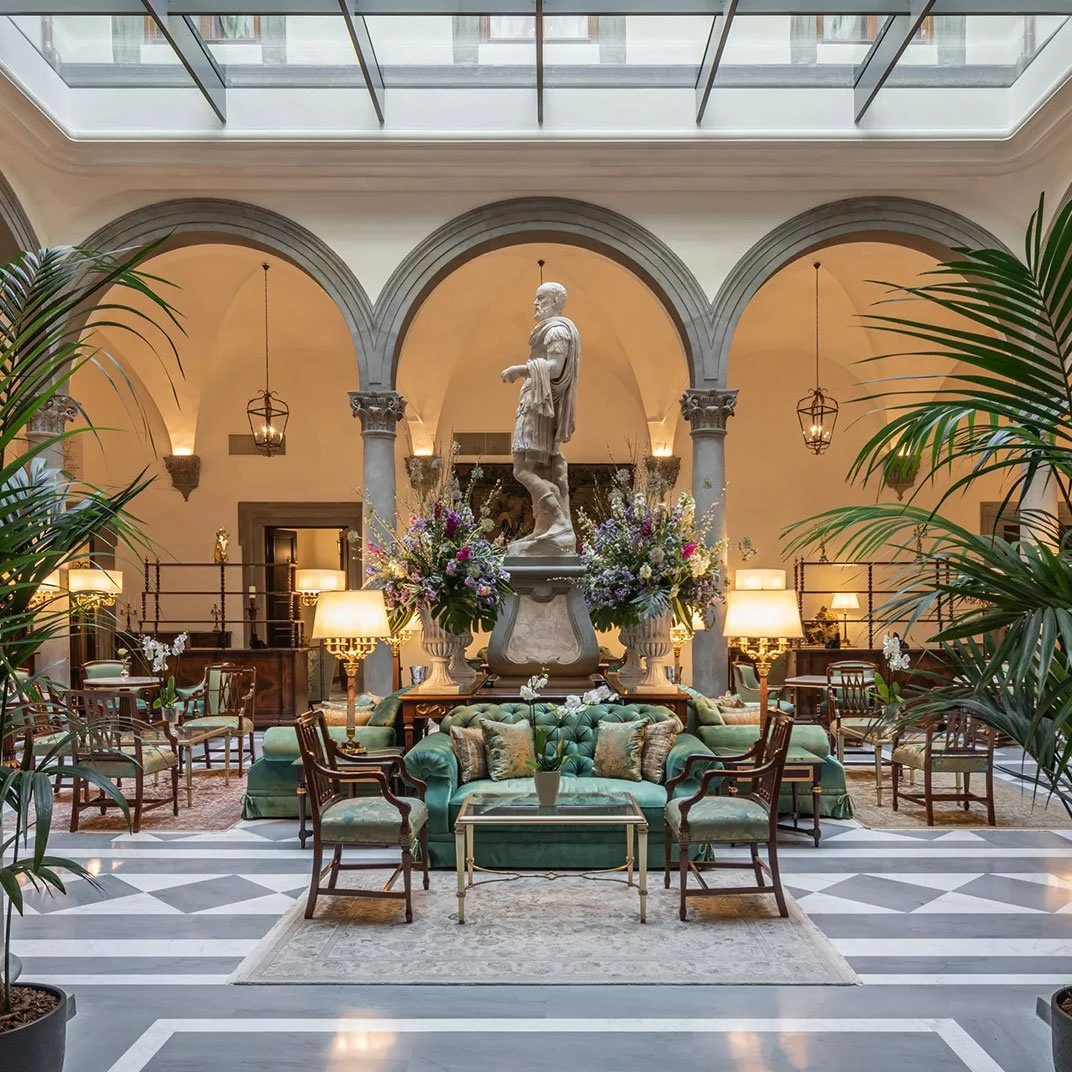
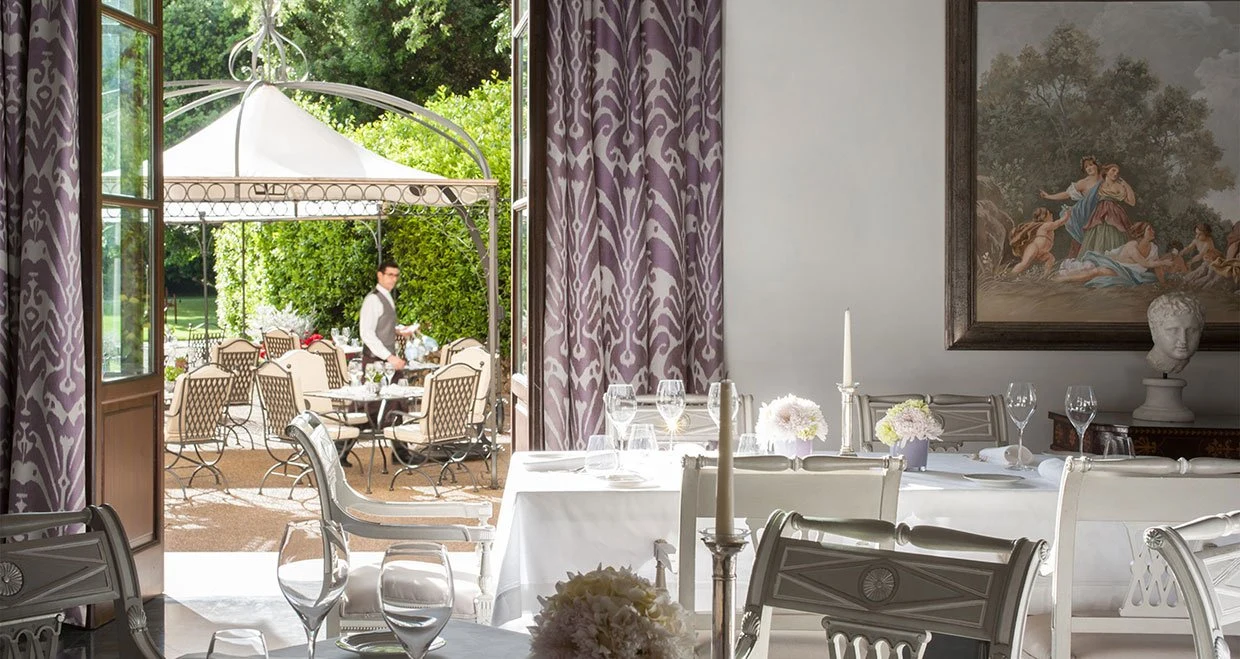
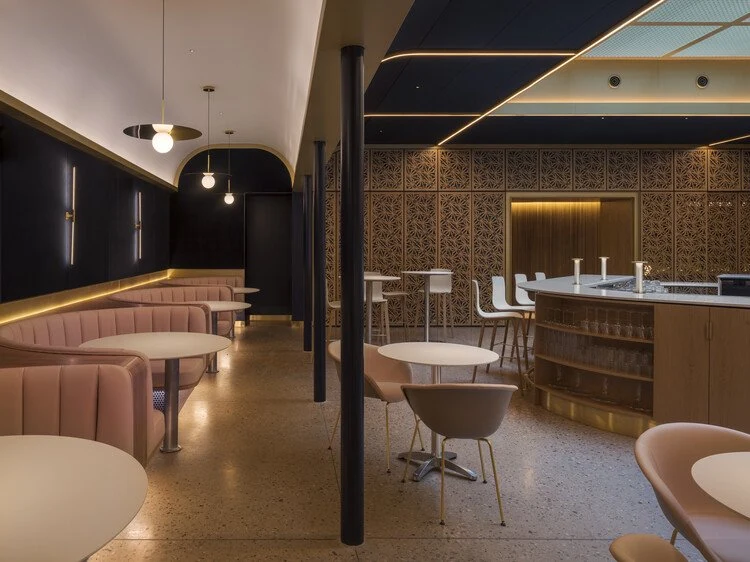
In Florence's upper Oltrarno, on a quiet stretch of Via Giano della Bella, a certain type of restaurant has carved out its own niche: owner-designed, produce-led, deliberately removed from the city's tourist circuit. Cucina belongs to that cohort. The dining room was conceived by the owners themselves, and it reads that way, cookery books arranged across shelves and surfaces, a wood-fired oven radiating heat at the centre of the kitchen's logic, and a general atmosphere that sits closer to a well-stocked private kitchen than a formal restaurant. The informality is intentional and structural, not just a matter of décor.
Florence's fine dining tier, anchored by the likes of Cibrèo and the three-Michelin-starred Enoteca Pinchiorri, operates at a considerable remove from what Cucina is doing. The city's mid-range is more interesting than it's often given credit for, and Cucina is among the reasons why.
Market Logic and the Daily Menu
Across Italy's better casual restaurants, the daily-changing menu has become a meaningful quality signal. When a kitchen commits to writing a new card each morning based on what arrived from the market, it removes the option of coasting on a fixed repertoire. At Cucina, that discipline shapes everything: the menu reflects the Mercato Centrale's seasonal rotation, the wood-fired oven handles much of the heavy lifting for both meat and vegetables, and the resulting dishes carry the kind of concentrated flavour that comes from produce cooked quickly at high heat rather than elaborated over many stages.
This approach places Cucina in conversation with a broader Tuscan tradition that predates contemporary farm-to-table rhetoric by several centuries. Florentine cooking has always been vegetable-forward in ways that more meat-centric Italian regional cuisines are not, the city's bean dishes, bitter greens, and seasonal fungi have long served as the backbone of its cucina povera lineage. Cucina operates within that tradition while owner-chef Marc Albino applies enough structural awareness to keep the cooking sharp rather than rustic. The Michelin Plate awarded in both 2024 and 2025 reflects consistent execution rather than novelty, which is exactly the kind of recognition this format warrants.
Where Cucina Sits in the Florence Mid-Market
Florence's Michelin-recognised mid-market has a particular character. Unlike Milan, where contemporary Italian cooking, represented at the leading by venues like Enrico Bartolini, tends toward technical ambition, or Modena, where Osteria Francescana rewrites the national archive entirely, Florence's strongest mid-range restaurants tend to be anchored by locality and restraint. Cucina fits that pattern.
Compared to Da Burde and Osteria delle Tre Panche, which also occupy the Michelin Plate and OAD casual recognition tier, Cucina's distinguishing feature is the daily market dependency rather than a fixed regional canon. The kitchen does not offer a greatest-hits menu of Florentine classics held in amber; it offers whatever Tuscany is producing that week, cooked over fire. That creates a different guest contract: you come for the season, not the dish.
OAD's casual list specifically rewards restaurants where the cooking quality outpaces the format's modesty, which is a reasonable description of what Cucina is attempting. Within the broader Tuscan region, comparable produce-first commitments appear at Caino in Montemerano and L'Asinello in Castelnuovo Berardenga, though both operate at higher price points and formality levels. Within Florence specifically, Podere 39 and Trattoria 13 Gobbi represent adjacent positions in the casual-but-serious category.
The Wine Program
A 1,850-bottle inventory managed by a named Wine Director is an unusual degree of infrastructure for a restaurant in the €€ price bracket. Tanner Scarr's list is priced in the mid-tier wine range, meaning it carries bottles across a broad span rather than concentrating at the high end. With 90 selections available, the depth-to-breadth ratio suggests a curated rather than encyclopaedic approach, enough range to support the daily-changing food menu without overwhelming a room that pitches itself as deliberately informal.
Italian regional coverage is noted as a strength, which tracks logically with the kitchen's Tuscan produce focus. A Sangiovese-weighted list serving wood-fired Chianina or seasonal mushroom preparations is a coherent pairing logic, not a coincidence. A corkage fee of $25 applies for those bringing their own bottle, which gives regulars flexibility without undermining the list's relevance.
Cucina Inside Italy's Wider Produce-First Conversation
The commitment to daily market sourcing connects Cucina to a movement visible across Italy's casual tier. At the far end of the spectrum, Atelier Moessmer Norbert Niederkofler in Brunico and Piazza Duomo in Alba apply the same indigenous-product logic at Michelin multi-star level. Dal Pescatore in Runate and Le Calandre in Rubano show how deeply regional specificity can anchor a long-running kitchen. Cucina operates well below those price tiers but shares the underlying premise: that a kitchen's relationship with its supply chain is the primary creative decision, and everything else, technique, format, atmosphere, follows from it.
What distinguishes the Cucina approach is the absence of explicit narrative around it. There is no sourcing story printed on the menu, no origin notes appended to each dish. The market dependency is structural, not branded. That reticence is itself a Florentine quality: the city has always been suspicious of culinary showmanship in the mid-range, preferring to let the plate speak without commentary.
Planning Your Visit
Cucina is located at Via Giano della Bella 3rosso in the 50124 postcode, in the Oltrarno quarter south of the Arno. The restaurant serves dinner, with pricing for a typical two-course meal in the €40 to 65 range, placing it comfortably in the mid-market bracket. Given the daily-changing menu format, late spring through early autumn is a strong time to visit, when Tuscan markets are at their most varied. The wood-fired oven format also performs differently in cooler months, when roasted root vegetables and slow-cooked meat preparations take on more prominence. Booking in advance is recommended. Wine is available from Tanner Scarr's 1,850-bottle list, with a corkage option at $25 for those choosing to bring their own.
Questions
Frequently asked
How expensive is Cucina?
Cucina is listed at a price level of $$$.
Where is Cucina and what does it serve?
Cucina is in Giardino Torrigiani, Florence, serving Tuscan Italian Trattoria & Pizzeria.
The field
How it compares
| Place | Cuisine | Notes | Awards |
|---|---|---|---|
| Cucina | Tuscan Italian Trattoria & Pizzeria | Giardino Torrigiani, $$$ | · |
| Atto di Vito Mollica | Modern Italian Fine Dining with Seafood Focus | Florence | Michelin 1 Star |
| Borgo San Jacopo | Michelin-starred Modern Tuscan & Italian Fine Dining | Florence | · |
| Cibrèo Trattoria | Traditional Tuscan Trattoria | Florence | · |
| Enoteca Pinchiorri | Contemporary Italian Fine Dining | Florence | Michelin 3 Stars, World's 50 Best |
| Gucci Osteria da Massimo Bottura | Contemporary Italian with Japanese and Mexican Influences | Florence | Michelin 1 Star |
| Il Palagio | Modern Tuscan Fine Dining | Florence | Michelin 1 Star |
Similar places
Modern Italian Fine Dining with Seafood Focus
Atto di Vito Mollica
Florence, Italy
★
Michelin-starred Modern Tuscan & Italian Fine Dining
Borgo San Jacopo
Florence, Italy
Traditional Tuscan Trattoria
Cibrèo Trattoria
Florence, Italy
Contemporary Italian Fine Dining
Enoteca Pinchiorri
Florence, Italy
★★★ · 50 Best
Contemporary Italian with Japanese and Mexican Influences
Gucci Osteria da Massimo Bottura
Florence, Italy
★
Modern Tuscan Fine Dining
Il Palagio
Florence, Italy
★