Da Lucio
In Residence
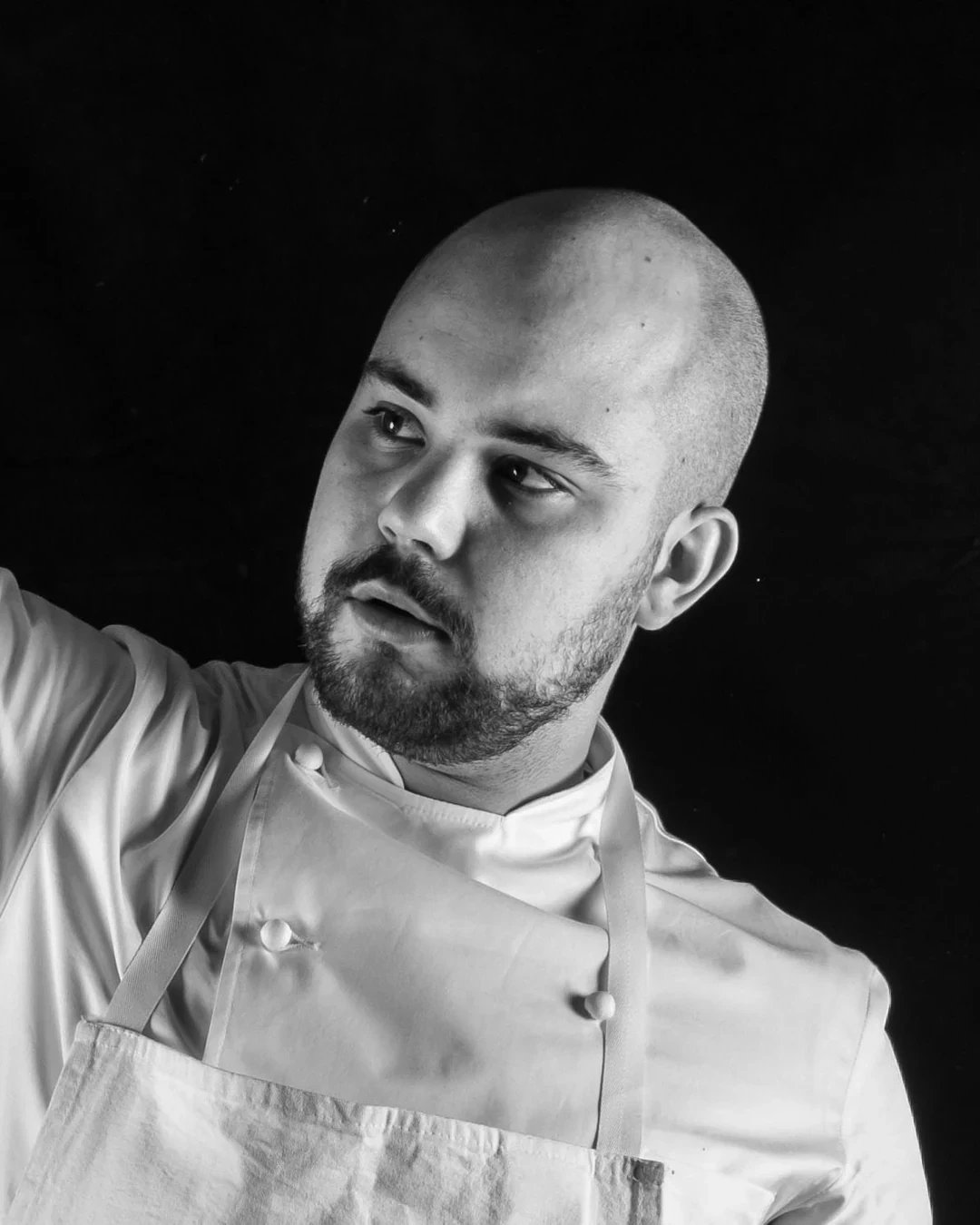
Jacopo Ticchi
Chef
- 01CuisineModern Italian Seafood
- 02CityRimini, Italy
- 03RecognitionOne Michelin Star
- 1 Michelin Star · Michelin Guide
- Opinionated About Dining Top Restaurants in Europe Ranked #110 · 2026
- Michelin 1 Star · 2026
- Michelin Plate · 2025
- Forbes 10 Coolest Restaurants · 2025
- Opinionated About Dining Top Restaurants in Europe Ranked #124 · 2025
- The Best Chef Two Knives · 2025
- Michelin Plate · 2024
- Opinionated About Dining Top Restaurants in Europe Ranked #223 · 2024
- Opinionated About Dining Top New Restaurants in Europe Recommended · 2023
A Jetty, a Kitchen, and the Adriatic at Every Turn
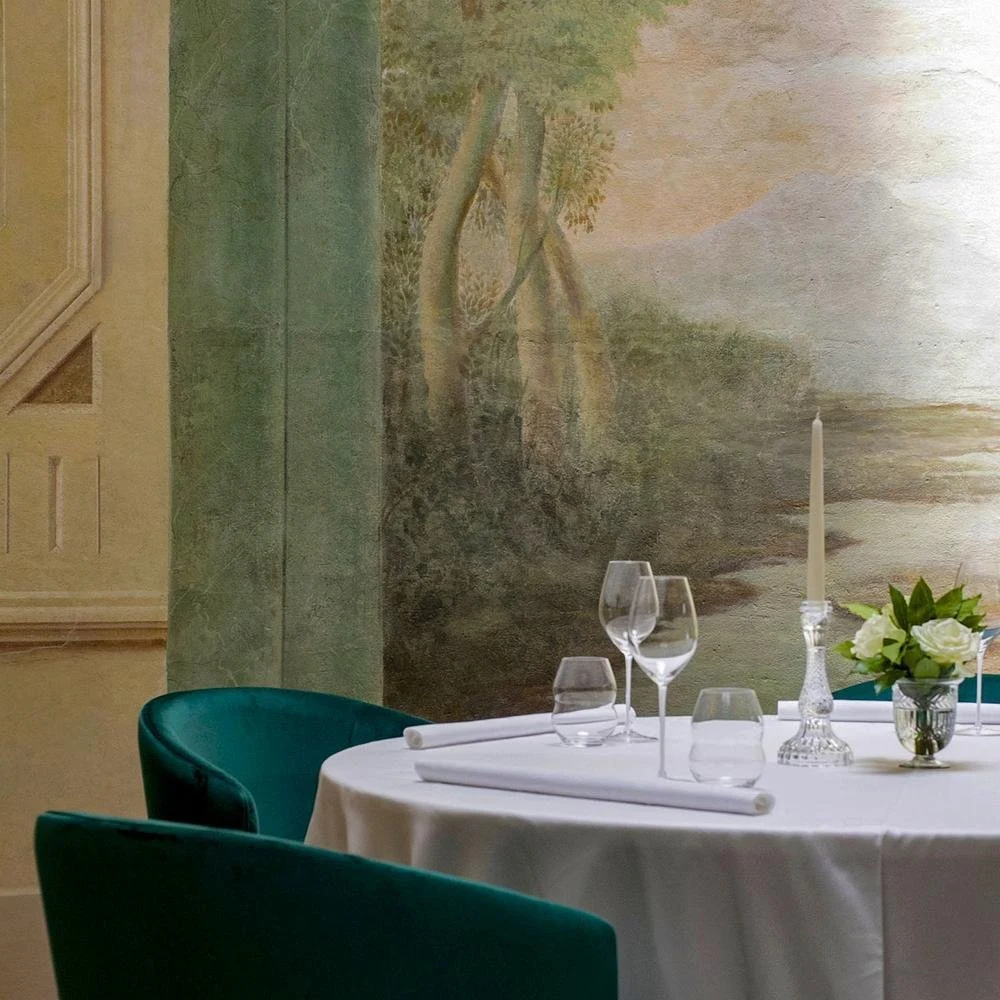
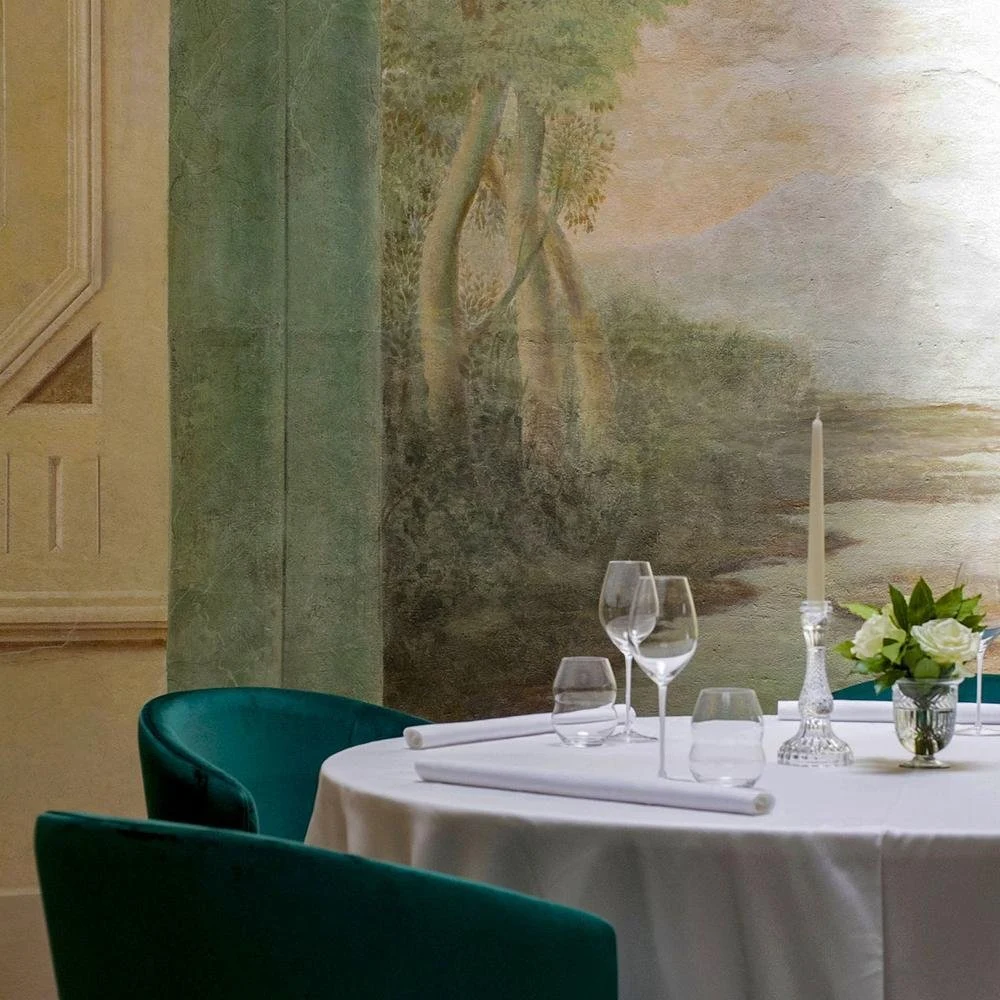
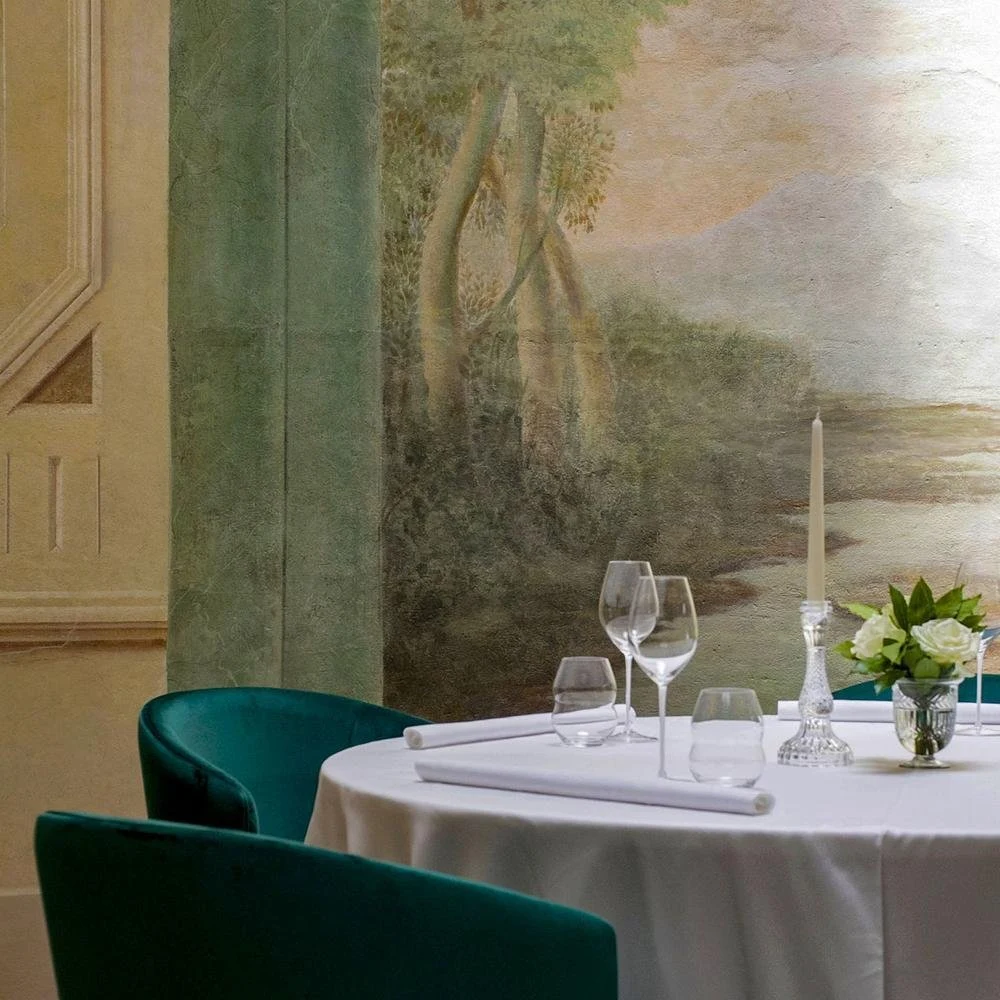
The approach to Da Lucio sets a clear premise. You arrive at Rimini's working docks, not the resort strip, not a pedestrianised piazza, and walk to the end of a jetty with water visible on both sides. The open-view kitchen greets you at the entrance before the dining room opens into a long, narrow space where the sea remains a constant presence through the windows. This is a room shaped by its site, and the cooking that follows makes the setting legible rather than merely decorative.
Rimini is not typically the city that comes to mind when the conversation turns to serious Italian seafood. The Adriatic coast has its trattorias and its brodetto traditions, but the critical attention, the rankings, the Michelin commentary, has historically tracked inland toward Emilia-Romagna's richer, land-based canon or down to Campania's coastline. Da Lucio represents a different proposition: a contemporary seafood restaurant that draws from the immediate ecosystem of the northern Adriatic and applies techniques more commonly associated with high-end Japanese fish handling than with Italian coastal cooking. Ranked #124 in Opinionated About Dining's European list in 2025, it has attracted the kind of sustained critical recognition that places it well outside the regional bracket and into a European conversation.
The Logic of Aging: Why the Raw Bar Here Is Not What You Expect
Raw preparation at most European seafood restaurants means freshness as the primary virtue: fish pulled from ice, sliced to order, dressed lightly. Da Lucio operates from a different premise. Nearly all the fish served here, including what appears on the raw plates, has been aged first. The process draws water out of the flesh, concentrating flavour and altering texture in ways that fresh-only service cannot replicate. This is the same principle that has driven interest in dry-aged fish at a handful of forward-looking seafood restaurants across Europe, but it remains uncommon enough in Italian coastal cooking to constitute a genuine point of distinction.
When fish arrives raw at the table here, it carries a depth and density that changes the eating experience considerably. The raw preparations are not a concession to trend or a conventional crudo section appended to the menu; they are the logical outcome of the same aging philosophy that governs everything else on the plate. In this sense, the raw bar at Da Lucio functions as a showcase for what controlled maturation does to Adriatic species: the flavour is more concentrated, the texture firmer and more defined, the experience closer to what premium aged fish services in Tokyo or Copenhagen produce than to a standard Italian antipasto.
For context, comparable approaches to aging and raw service at the serious end of Mediterranean seafood can be found at places like Estimar in Barcelona and Desde 1911 in Madrid, both of which treat raw fish as a technical discipline rather than a default format. Da Lucio is operating in that same register, applied to the specific species and seasonality of the upper Adriatic.
Wood Fire, the Whole Fish, and Rimini's Adriatic Identity
Beyond the raw plates, the kitchen works primarily with two heat sources: a grill and a wood-fired oven. Both direct the cook's attention toward the fish itself rather than toward sauce-building or elaborate garnish. The commitment to using the whole animal, from head to tail, is consistent with a broader shift in serious European fish cooking toward waste reduction as both an ethical and a flavour argument. Cuts that a conventional restaurant would discard often carry the most intense concentration of the sea.
The Adriatic supplies a different species profile than the Mediterranean further south. Smaller, oilier fish are more prominent in the northern Adriatic; the water is shallower and the fishing traditions are distinct from those of Campania or Sicily. A kitchen that ages its catch and then applies dry heat is working with those regional characteristics rather than against them, amplifying what the local ecosystem produces rather than masking it. This is not fusion or reinvention for its own sake; it is a reasoned technical approach applied to a specific place and its waters.
Where Da Lucio Sits in Rimini's Dining Scene
Rimini's restaurant scene covers a wider range than its beach resort reputation suggests. At the accessible end, Dallo Zio handles direct Adriatic seafood at the €€ level, and Osteria de Börg anchors the Romagnan tradition at the € tier. Creative cooking at €€€ appears at Abocar Due Cucine and i-Fame. Guido covers the Piemontese and seafood overlap at the same price point.
Da Lucio at €€€ sits at the top of the local price bracket, but its competitive reference point is not primarily local. The Opinionated About Dining ranking places it in a European conversation alongside restaurants from Rome, Milan, and the Spanish coast. Within Italy, the comparison set would include fish-focused restaurants at a similar technical level: Quattro Passi in Marina del Cantone on the Amalfi Coast, or the broader Italian fine dining spectrum that includes Osteria Francescana in Modena, Enoteca Pinchiorri in Florence, Enrico Bartolini in Milan, and Dal Pescatore in Runate. The technical ambition at Da Lucio aligns with that tier, even if the setting and the price point remain more accessible than most of those names. For a comparable approach to ingredient-led cooking from a hyper-regional perspective, Atelier Moessmer Norbert Niederkofler in Brunico draws a useful parallel from the Alpine end of the Italian spectrum.
Recognition and What It Signals
The Michelin Plate for 2024 and 2025 indicates consistent quality without a starred designation. In Michelin's current framework, the Plate marks restaurants worth seeking out that have not yet reached the star threshold; it is not a consolation category but a signal that the kitchen is cooking at a level above the general restaurant population. The more telling data point is the Opinionated About Dining ranking, which aggregates serious food traveller opinion and tends to surface technically ambitious cooking that Michelin's starred tier has not yet reached. A jump from #223 in Europe in 2024 to #124 in 2025 is a meaningful trajectory, not a minor adjustment. The 2023 recognition as a Leading New Restaurant in Europe on the same list adds the context that this is a young restaurant building a track record rather than coasting on an established name.
The Google rating of 4.7 across 1,402 reviews suggests the recognition extends beyond specialist food critics to a broader dining public, which is relevant at the €€€ price point: this is not a restaurant whose ambition alienates general guests.
Planning Your Visit
Da Lucio is at Viale Ortigara 80, in the port area of Rimini rather than along the tourist seafront. The restaurant is closed on Tuesdays. Lunch service runs on Monday, Thursday, Friday, Saturday, and Sunday, with sittings from 12:30; the Sunday and Saturday lunch service extends slightly longer, to 2:30 pm. Evening service from 7:30 pm runs Wednesday through Monday. Given the trajectory of its critical recognition, reservations should be made in advance, particularly for weekend evenings and Sunday lunch. Chef Jacopo Ticchi leads the kitchen.
Questions
Frequently asked
What recognition does Da Lucio hold?
Da Lucio holds 1 Michelin star.
Who works at Da Lucio?
Made By profiles Jacopo Ticchi (Chef) at Da Lucio.
How expensive is Da Lucio?
Da Lucio is listed at a price level of $$$.
Where is Da Lucio and what does it serve?
Da Lucio is in Rimini docks, Rimini, serving Modern Italian Seafood.
The field
How it compares
| Place | Awards | Cuisine | Notes |
|---|---|---|---|
| Da Lucio | Michelin 1 Star | Modern Italian Seafood | Rimini docks, $$$ |
| Abocar Due Cucine | Michelin 1 Star | Modern Italian-Argentinian Fine Dining | Rimini |
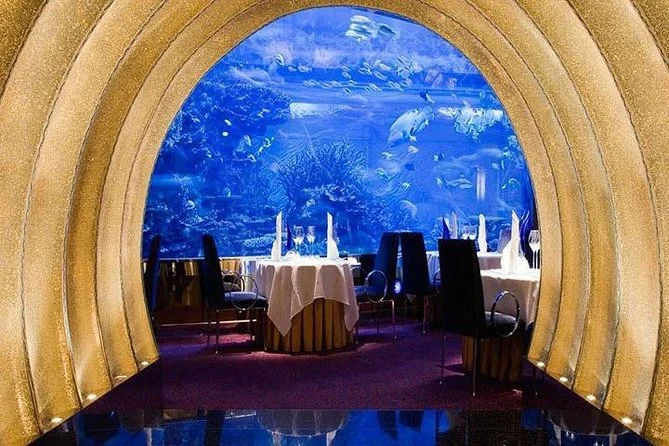
| Al Mahara | World's 50 Best | Modern Italian Seafood | Dubai |
| Lunasia | Michelin 1 Star | Modern Italian Seafood | Viareggio |
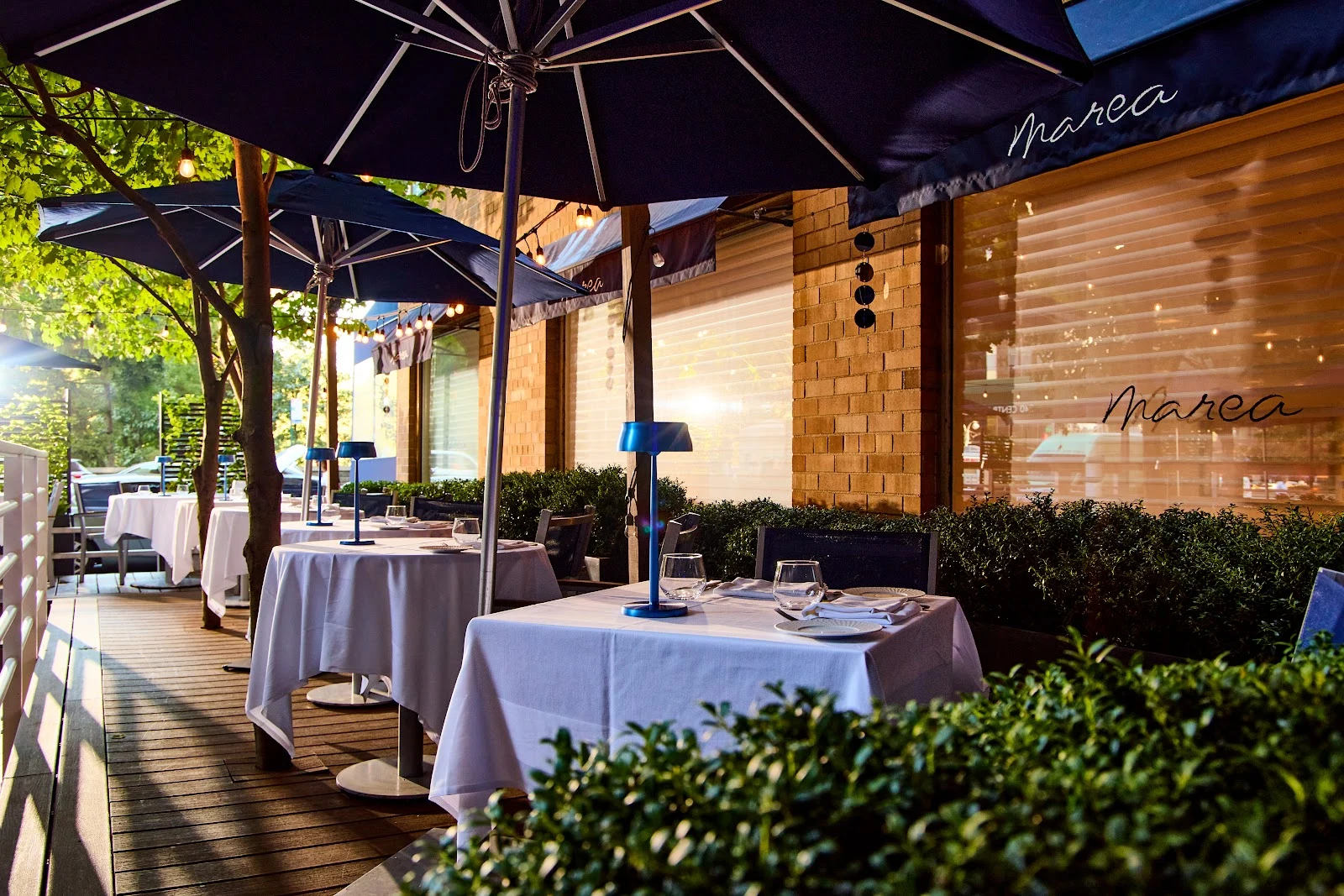
| Marea | · | Modern Italian Seafood | New York City |
| San Martino | Michelin 1 Star | Modern Italian Seafood | Scorzè |
| Taverna del Capitano | Michelin 1 Star | Modern Italian Seafood | Marina del Cantone |
In residence
Similar places
Modern Italian-Argentinian Fine Dining
Abocar Due Cucine
Rimini, Italy
★
Modern Italian Seafood
Al Mahara
Dubai, United Arab Emirates
50 Best
Modern Italian Seafood
Lunasia
Viareggio, Italy
★
Modern Italian Seafood
Marea
New York City, United States
Modern Italian Seafood
San Martino
Scorzè, Italy
★
Modern Italian Seafood
Taverna del Capitano
Marina del Cantone, Italy
★