Textured Chenin from old bush vines
- Pearl 2 Star Prestige · 2025
Texture before flourish
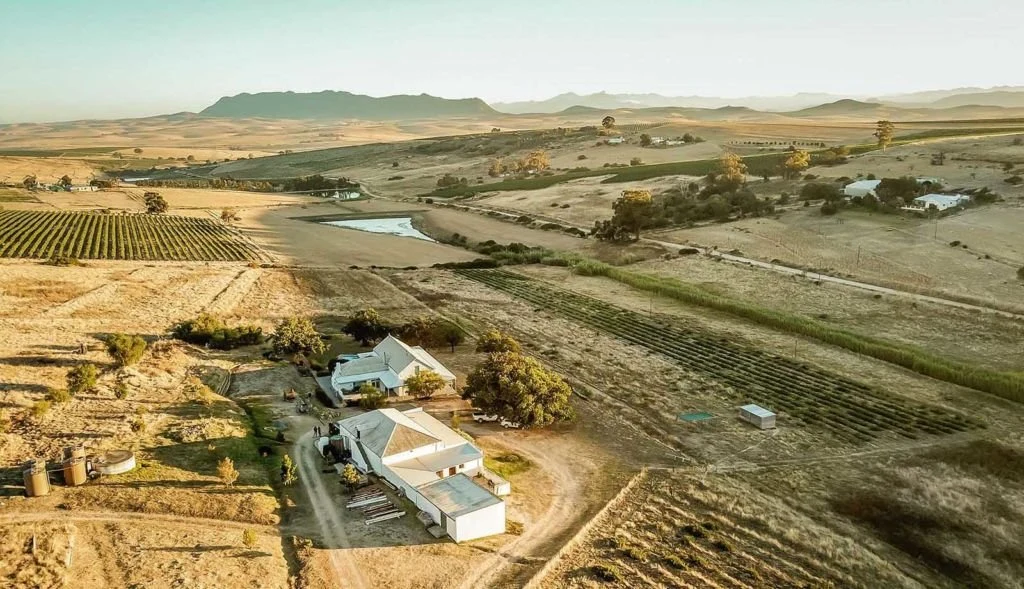
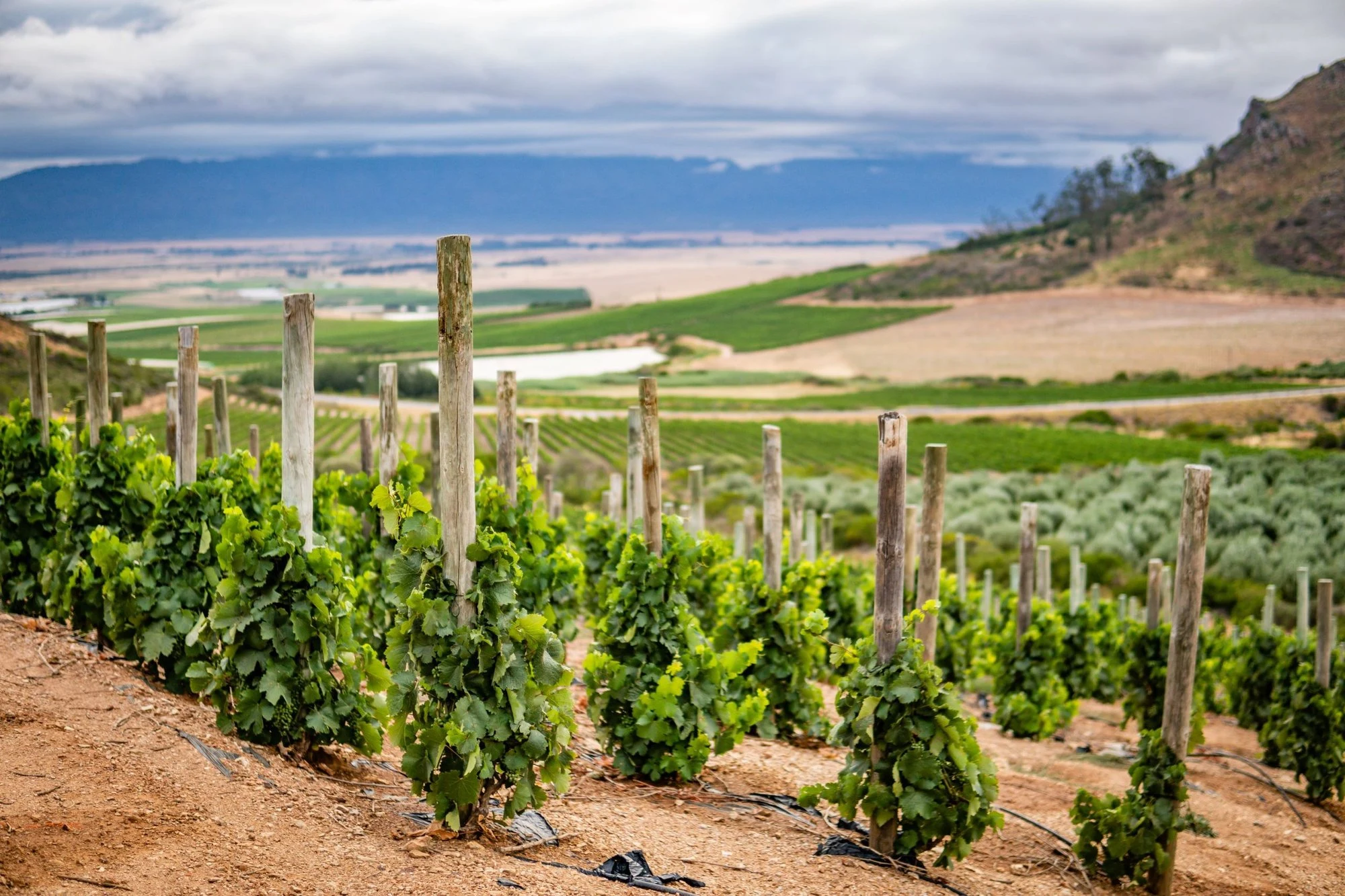
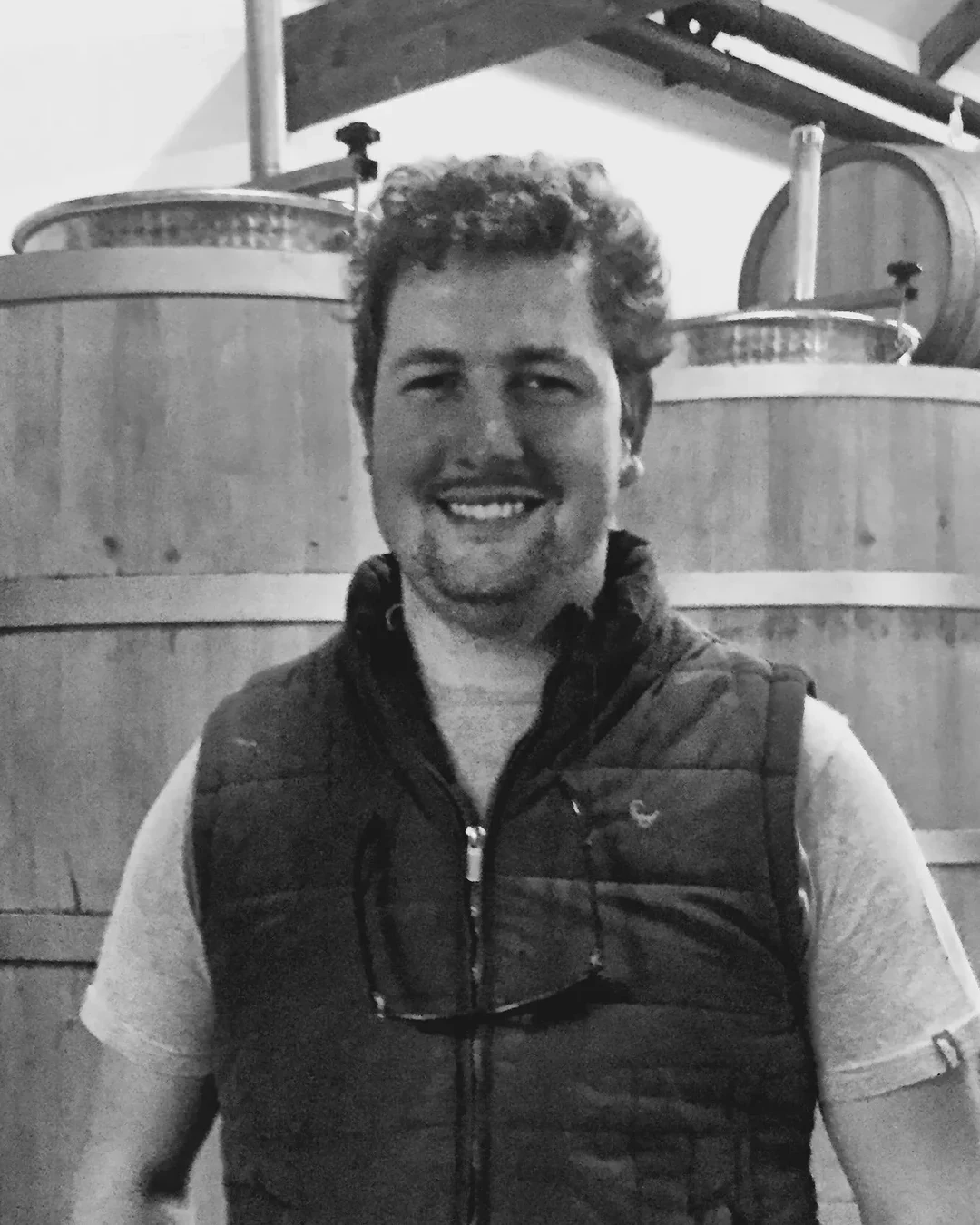
Nadia Sadie tastes for texture as winemaker at David & Nadia (Sadie Family) in Paardeberg, where Swartland fruit is asked to keep its shape rather than perform. Her working vocabulary is spare: “Balanced, textured, elegant.” In the cellar, those words land as decisions about restraint, mouthfeel, and finish, not as decoration around the wine. The place sits on a rustic farm on Paardeberg mountain, with old bush vines rooted in decomposed granite, schist, and iron-rich clay soils. The fruit comes from dry-farmed Swartland vineyards, and the farming is organic in philosophy, a discipline that suits a cellar built around freshness rather than force. Nadia’s role here is current and direct. She is tied to the daily work of the project, where continuity matters: Chenin Blanc, Grenache, Pinotage, Semillon, Roussanne, Clairette Blanche, Syrah, Carignan, and Cinsault all pass through a program that prizes control over display.
Old bush vines and textured Chenin
The strongest read on the house comes through Chenin Blanc and Grenache, especially the textured white wines for which the project is known. Hoë-Steen Chenin Blanc and Skaliekop Chenin Blanc sit close to Nadia’s signature, named wines that give the cellar’s language a fixed point. The method published around the place is not a catalogue of vessels, temperatures, or élevage, so the more useful precision is in the material itself: old, dry-farmed Swartland vineyards, diverse granite, schist, and clay soils, and a small-scale cellar working with still white and still red wines. The craft here is not framed as intervention. It is a sequence of choices made to keep balance visible in the glass, to let texture carry weight without heaviness, and to hold elegance as a structural quality rather than a polished surface.
The cellar in the Paardeberg quiet
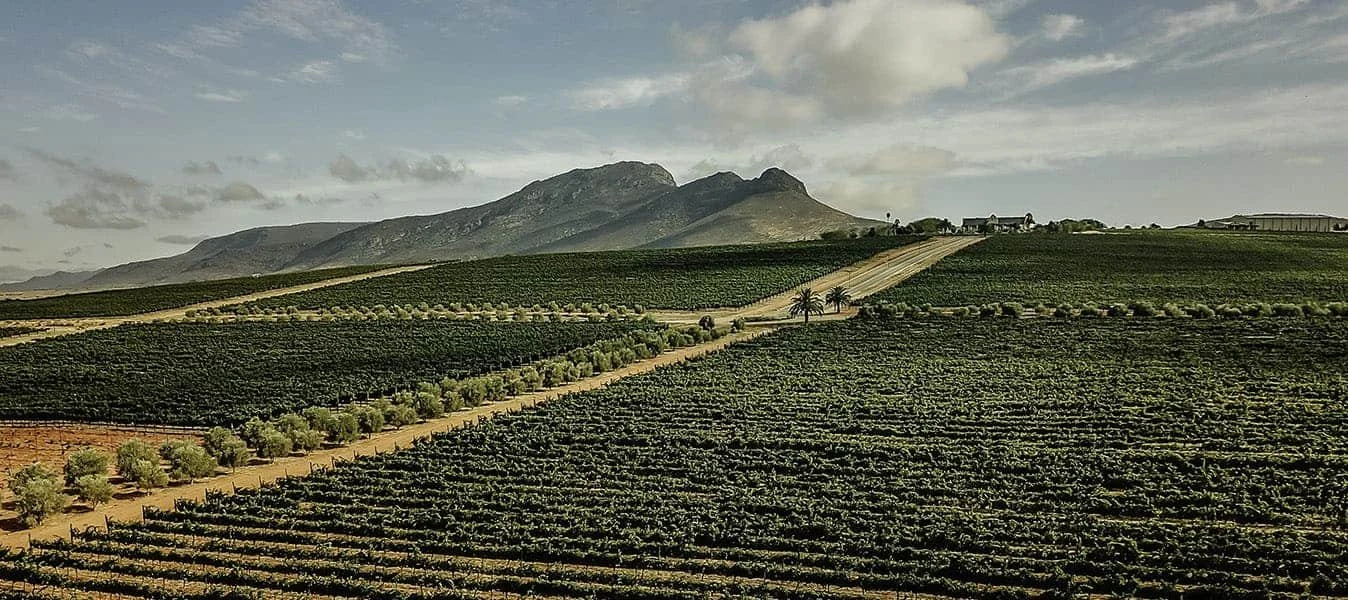
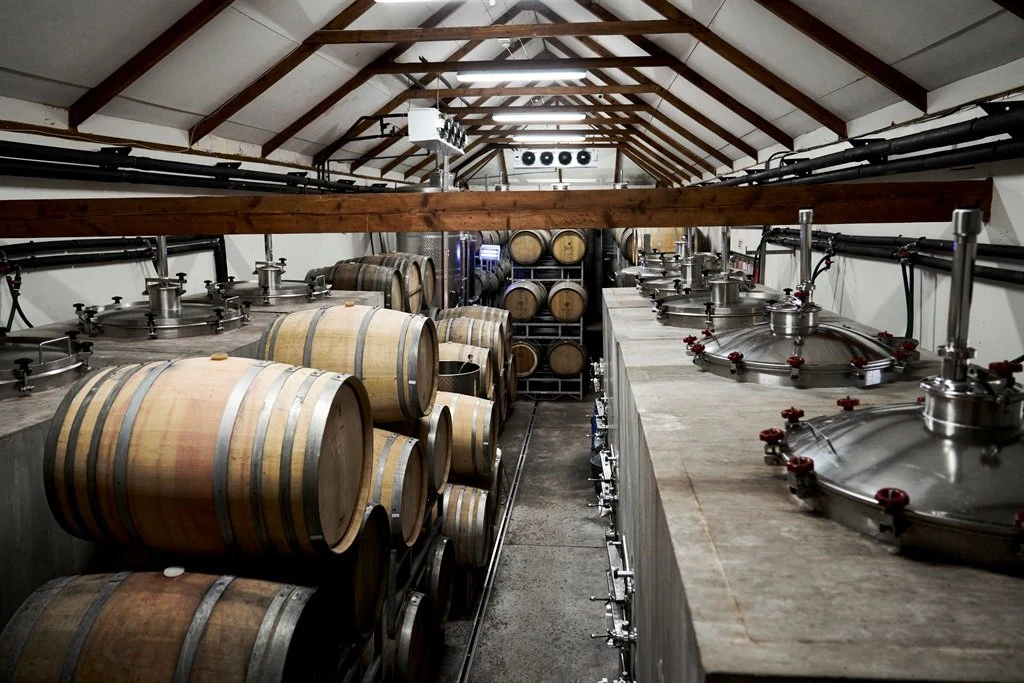
The room around the wines is quiet, rustic, and close to the farm rather than staged apart from it, so the tasting feels held by the same ground that shaped the bottles. Paardeberg gives the work a dry, mineral grammar: decomposed granite underfoot, schist in the wider Swartland vocabulary, iron-rich clay where the vines take a different hold. Those details are not decoration around the visit, but the language the room keeps returning to, slowly and without show. The tasting experience is cellar-led, intimate in scale, and shaped by the same restraint as the wines, with attention kept on texture, line, and measure. Nothing in the setting asks to compete with the glass, or to turn the farm into a performance. The mountain, the bush vines, and the stillness do enough. In that kind of room, Chenin Blanc can show its line, Grenache can keep its lift, and Nadia Sadie’s three words remain useful long after the pour: balanced, textured, elegant.
Questions
Frequently asked
Who is the winemaker at David & Nadia (Sadie Family)?
Nadia Sadie is the winemaker at David & Nadia (Sadie Family) in Paardeberg.
What is the winery known for?
The winery is known for textured Chenin Blanc and Grenache, with Hoë-Steen Chenin Blanc and Skaliekop Chenin Blanc named as key wines.
What kind of setting does the tasting take place in?
The tasting is cellar-led and intimate in scale, in a rustic farm setting on Paardeberg mountain.
What are the vineyards and soils like?
The fruit comes from dry-farmed Swartland vineyards, with old bush vines rooted in decomposed granite, schist, and iron-rich clay soils.
How do bookings work?
Visits are by appointment only.
The field
How it compares
| Place | Notes |
|---|---|
| David & Nadia (Sadie Family) | Paardeberg, $$$ |
| Huis van Chevallerie | Swartland |
| Intellego Wines | Swartland |
| Kloovenburg Wine & Olive Estate | Swartland |
| Org de Rac Organic Wines | Swartland |
| Sadie Family Wines | Swartland |
| Wildehurst Wine | Swartland |