- Macarfi 7.4 Food Rating · 2026
- 50 Top Pizza Europe #16 · 2026
- 50 Top Pizza World Best Pizza #76 · 2025
Wood, Dough, and the Smell of Conviction
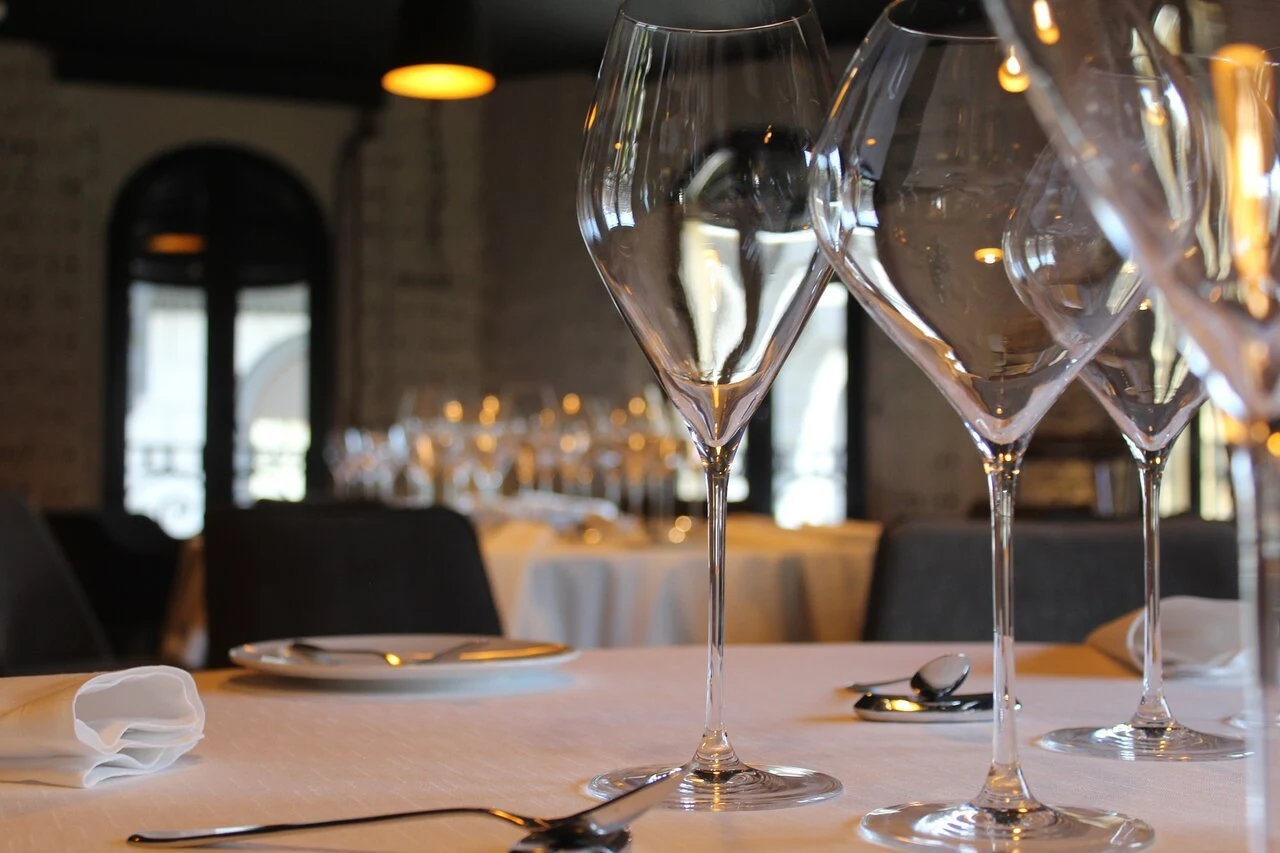
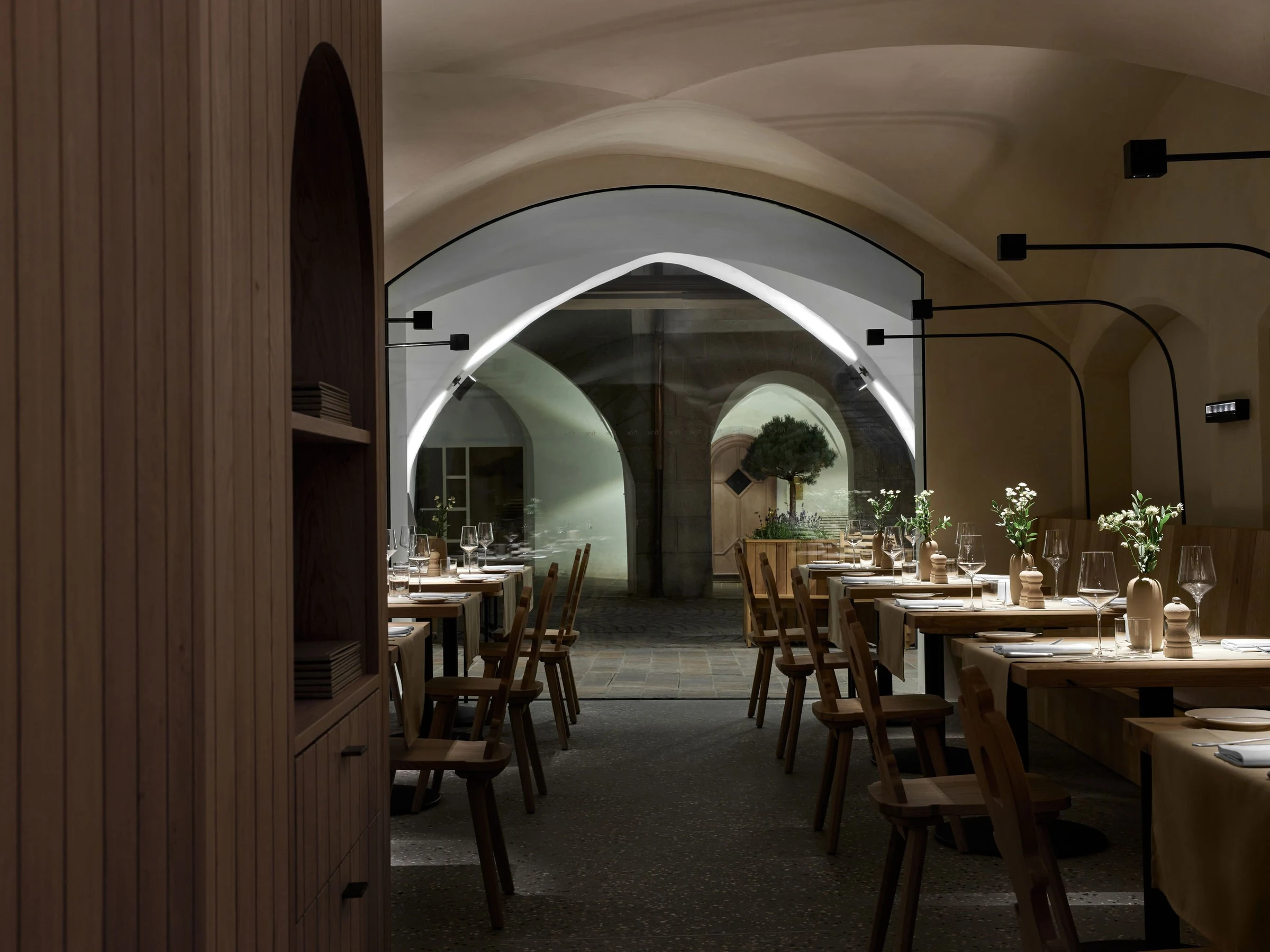
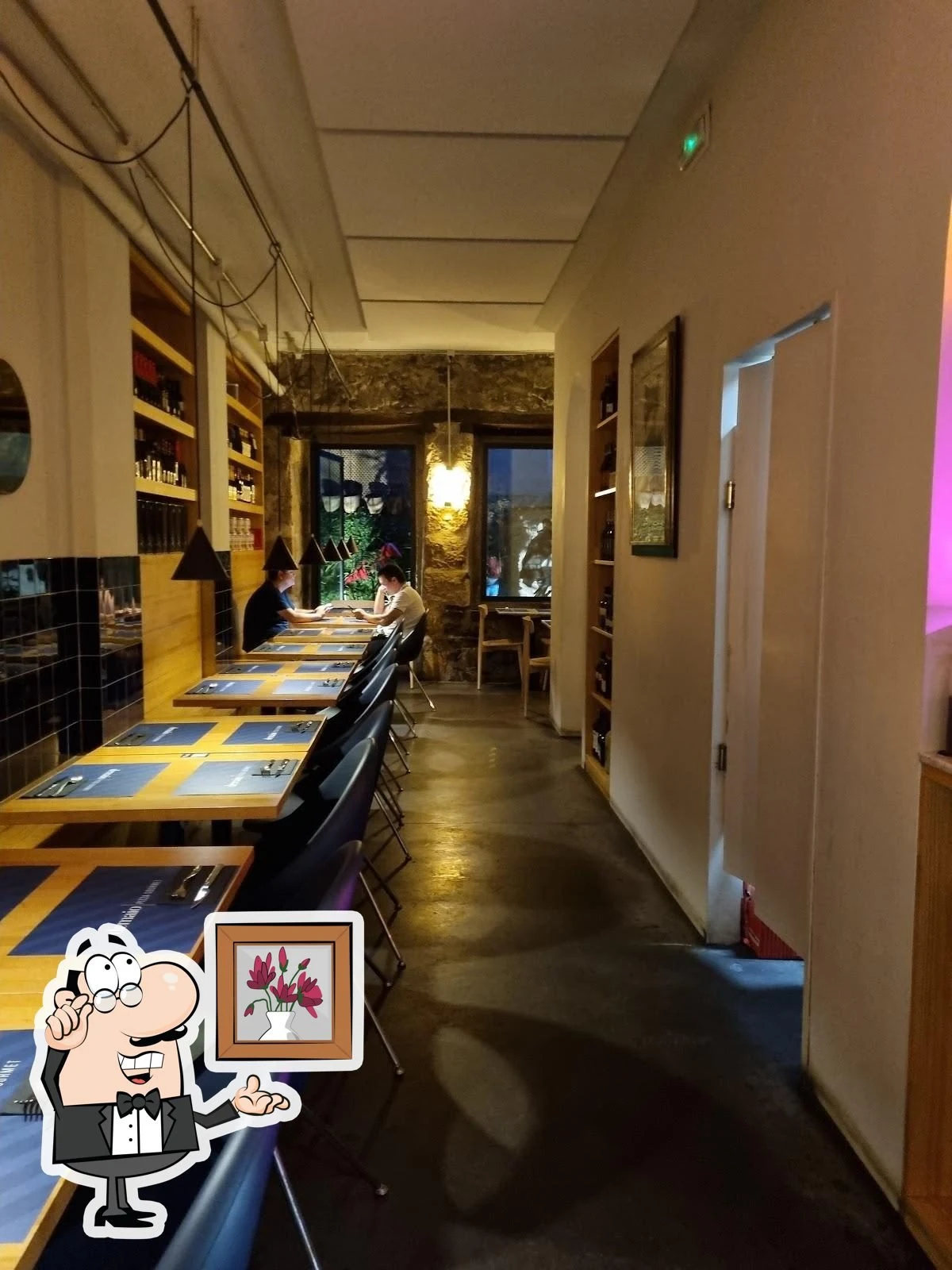
There is a particular sensory signature to a serious wood-fired pizzeria that no gas oven replicates: the dry heat that hits you at the door, the faint char layered under something sweeter from fermenting dough, and the low crackle of burning wood underneath the ambient noise of a room in full service. At Demaio, a restaurant in Bilbao's Ibaiondo district, those signals arrive early. The room communicates intent before anything reaches the table.
Bilbao is a city that holds its food scene to a high standard. The demand here is not abstract, it is expressed in a dining public that has grown up eating pintxos of genuine complexity, and in a restaurant ecosystem that includes Nerua Guggenheim Bilbao, Mina, Zarate, Ola Martín Berasategui, and Aitor Rauleaga, several of which hold Michelin recognition. Into that environment, a Calabrian-origin pizza project could easily read as an outlier. Instead, Demaio reads as a natural fit, a kitchen that takes craft seriously in a city that notices when a kitchen does not.
What Long Fermentation Actually Means in Practice
Pizza culture outside Italy has spent the last decade sorting itself into tiers. At one end sits the fast-casual format optimised for throughput; at the other, a smaller group of operations where fermentation time, flour selection, hydration levels, and oven temperature are treated as the primary variables in the finished product. Demaio belongs firmly to that second group.
Long-fermented doughs are not a marketing detail here, they are the foundation from which everything else follows. Extended fermentation develops flavour compounds that short-process doughs cannot produce, and it changes the structural behaviour of the crust under high heat, creating the balance between char, chew, and open crumb that distinguishes a considered Neapolitan base from one that simply looks like one. The wood-fired oven is the other essential variable: it generates the extreme surface temperatures required to cook a Neapolitan-style pizza in under two minutes, producing the leopard spotting and blistered cornicione that are not decorative but diagnostic.
Demaio offers two formats. The Contemporary Neapolitan follows the high-heat, fast-bake logic described above. The Roman pizza in a pan operates on a different principle, a thicker, airier base cooked at lower temperatures for longer, with a crisp undercarriage and a softer interior. That the kitchen runs both formats competently is a signal of range, since the two doughs require different handling, different hydration, and different timing.
Ingredients as Geography
The sourcing logic at Demaio places the project in an interesting position between Italian tradition and Basque-Country geography. Anchovies and tuna from the Cantabrian Sea bring a regional specificity that has no Italian equivalent but makes immediate sense in this latitude: the Cantabrian is one of the better-stocked seas in Europe for fatty, full-flavoured anchovies, and using them on a pizza is a deliberate choice to anchor the product in its location rather than import ingredients from further afield.
Alongside that regional sourcing, the kitchen uses Fior di Latte from Agerola, a town in the hills above the Amalfi Coast whose dairy tradition produces a stretched-curd cheese with more structure and less water than standard mozzarella, and artichokes from Navarra, a growing region with a documented reputation for thistle-family vegetables of genuine flavour depth. These are not generic premium ingredients listed to signal ambition; they are specific choices that reflect a kitchen paying attention to provenance at the ingredient level.
Two pizzas that illustrate the range are La Costa Vasca, which draws directly on the Cantabrian sourcing, and La Edición Limitada, a rotating limited-edition option that changes with season and supply. Both sit within a menu designed to show what the format can carry when the base is built correctly.
The Italian Wine List in a Basque Room
The drinks programme at Demaio runs toward Italian wines drawn from across the peninsula's regions, with a small selection of craft beers alongside. The wine list is deliberately proportioned rather than exhaustive, a focused selection that pairs to the food rather than functioning as a separate showcase. In a city with a serious natural and regional wine culture of its own, keeping an Italian-focused list alongside Basque-country food sourcing is a clear statement of identity rather than an oversight.
For visitors already familiar with Bilbao's broader drinking scene, the wine direction here represents a different register from the Txakoli and Rioja that dominate most local lists.
Where Demaio Sits in the Bilbao Dining Picture
Spain's most decorated restaurant projects, Arzak in San Sebastián, Azurmendi in Larrabetzu, El Celler de Can Roca in Girona, Aponiente in El Puerto de Santa María, Cocina Hermanos Torres in Barcelona, or DiverXO in Madrid, operate in a register of formal tasting menus, deep-pocketed sourcing, and extended dining occasions. Demaio operates in a different mode: specific craft, accessible format, and a clearly articulated product identity. It is not competing in the Michelin bracket occupied by the Bilbao addresses above; it is doing something else, and doing it with the kind of focus that makes the comparison irrelevant.
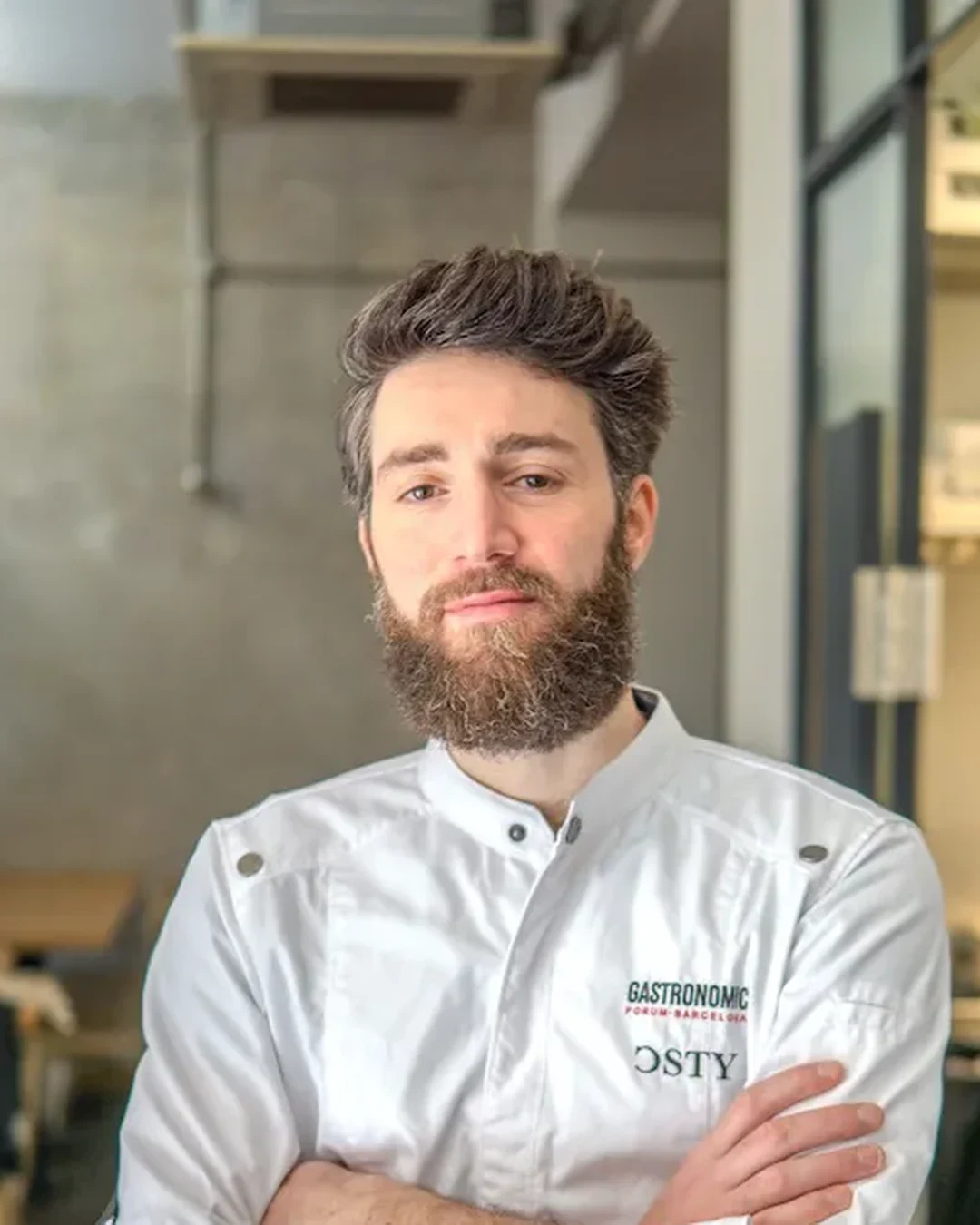
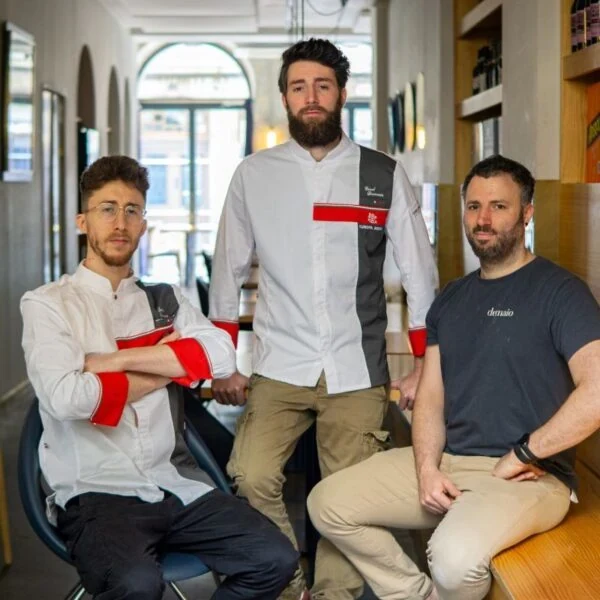
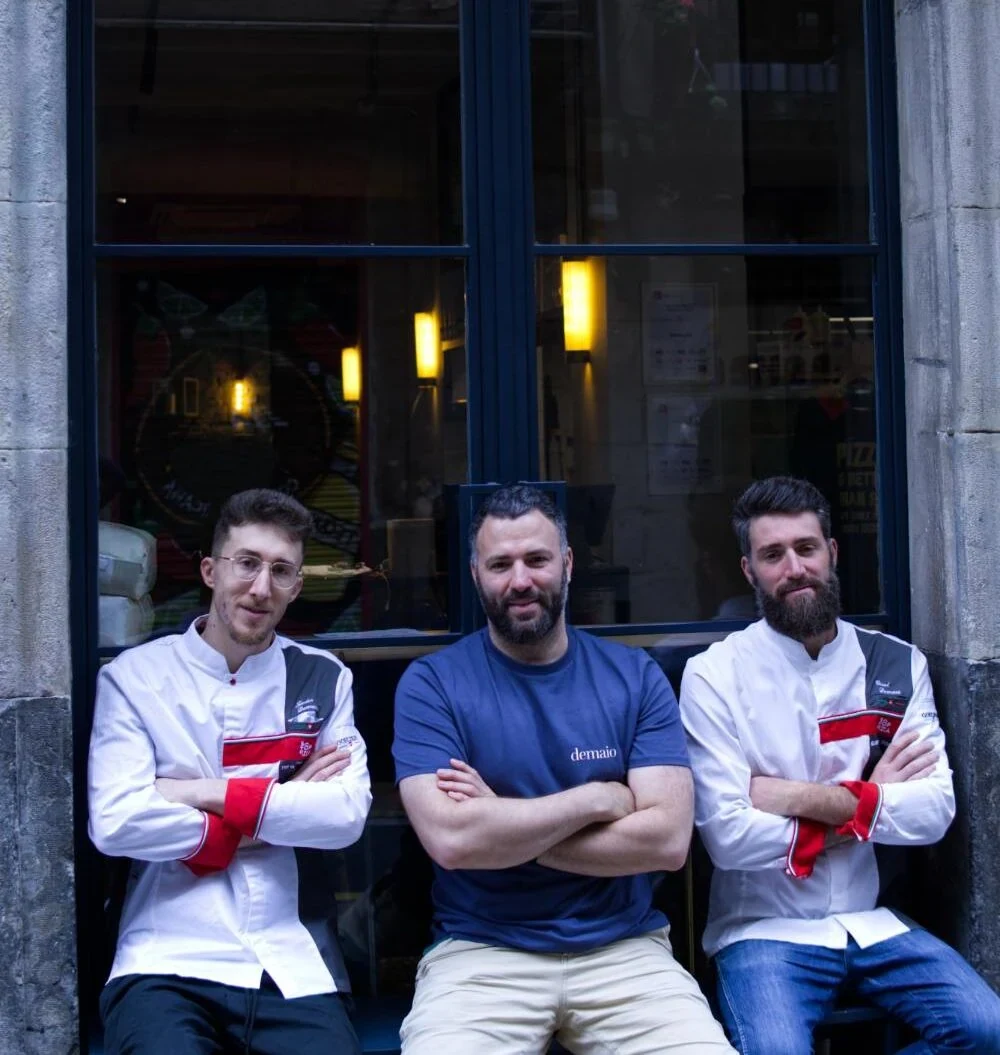
The Demaio brothers, Jader, Gioel, and Mattias, come from Calabrian origins, the southernmost part of mainland Italy, a region whose food traditions are intensely local and whose immigrant communities have built significant culinary reputations in cities across Europe and South America. That lineage informs the project's seriousness without being its defining story. What matters at the table is the dough, the oven, and the sourcing, three variables the kitchen controls and executes at a level that earns its place in a demanding food city.
Demaio is at San Frantzisko Kalea, 10, in the Ibaiondo district of Bilbao.
Questions
Frequently asked
Who works at Demaio?
Made By profiles Gioel Demaio (Chef), Jader Demaio (Chef) and Mattias Demaio (Chef) at Demaio.
How expensive is Demaio?
Demaio is listed at a price level of $$.
Where is Demaio and what does it serve?
Demaio is in San Francisco, Bilbao, serving Neapolitan & Roman Pizza Gourmet.
The field
How it compares
| Place | Cuisine | Notes | Awards |
|---|---|---|---|
| Demaio | Neapolitan & Roman Pizza Gourmet | San Francisco, $$ | · |
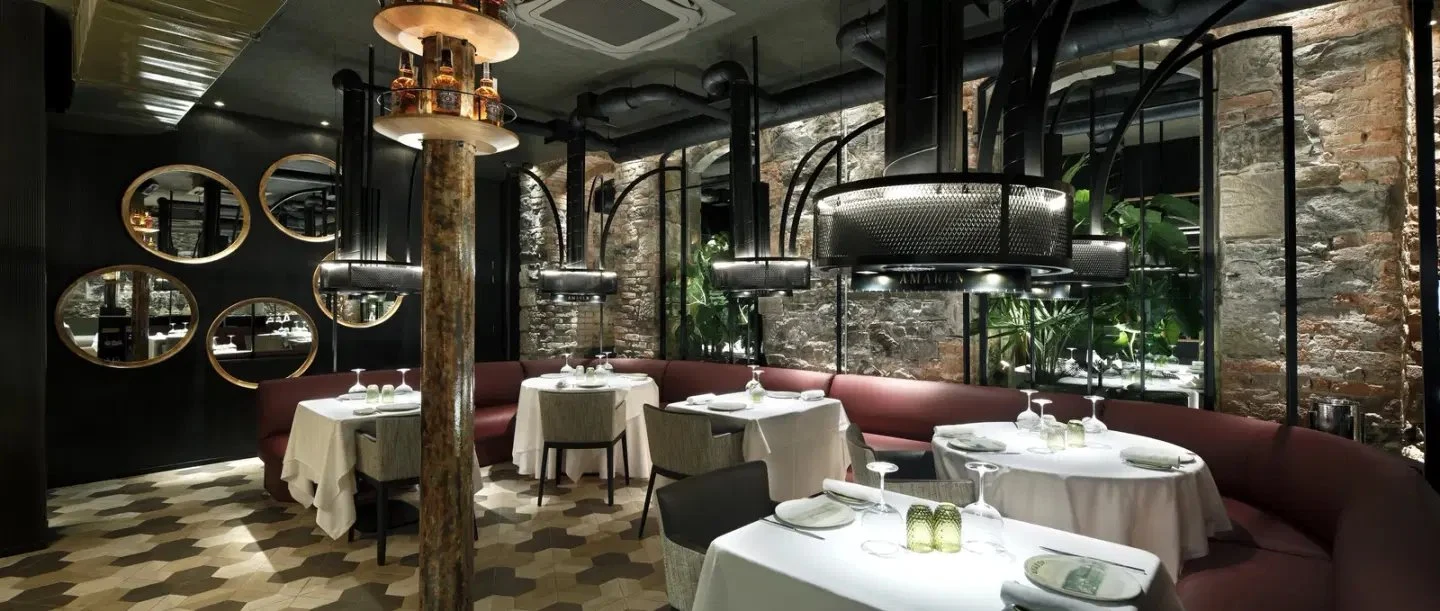
| Amaren | Basque Grilled Beef & Txuleton | Bilbao | · |
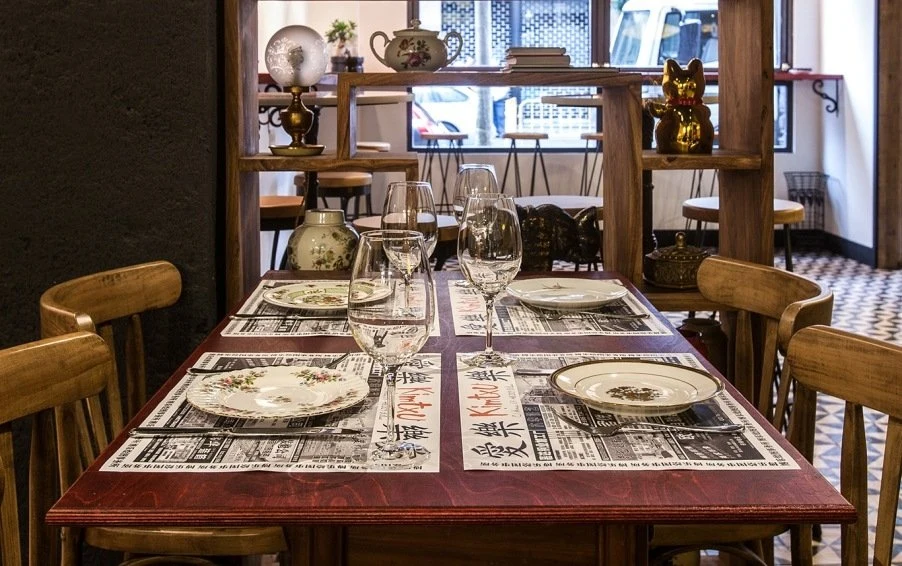
| Kimtxu | Basque-Asian Fusion | Bilbao | · |
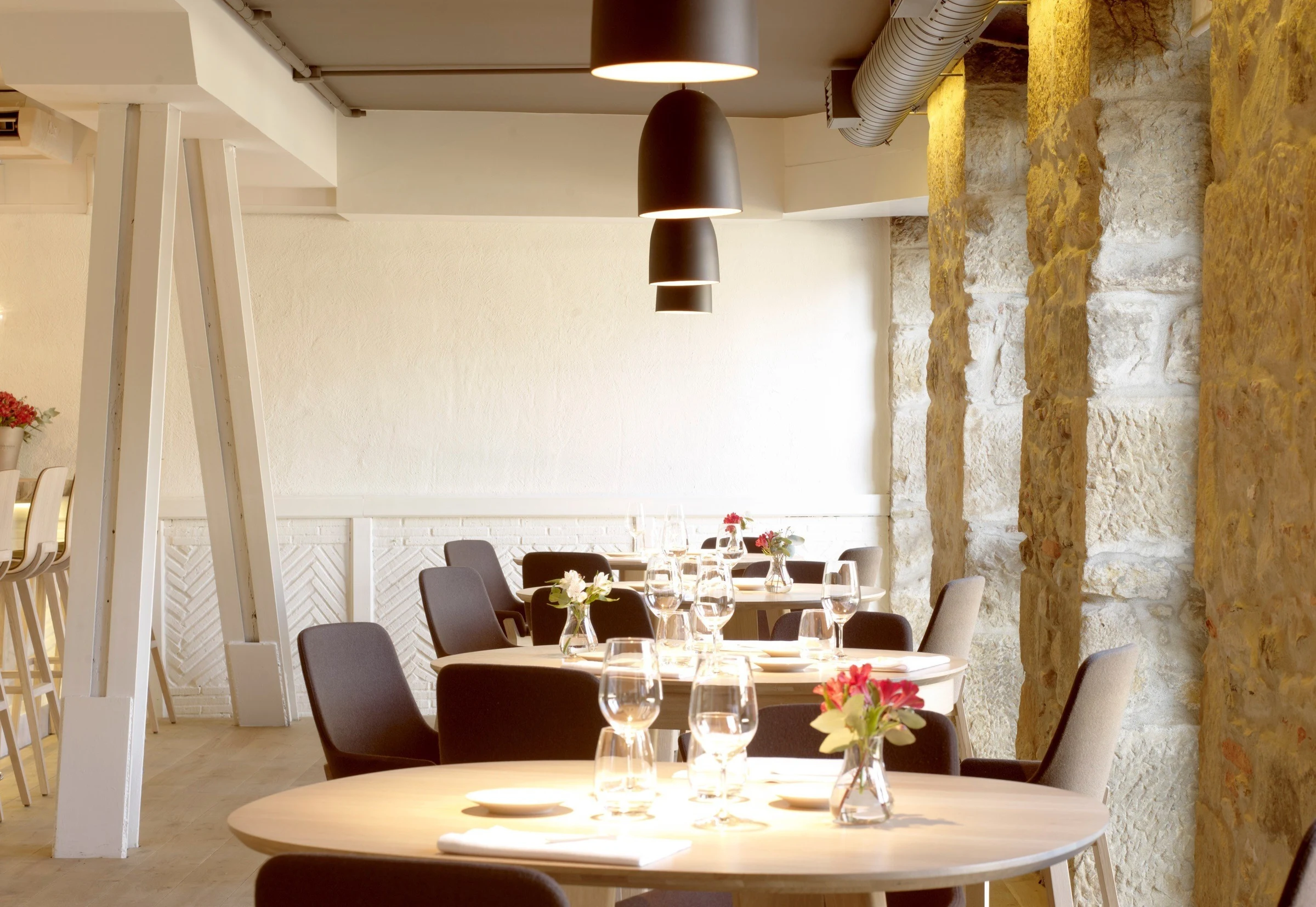
| Mina | Modern Basque Fine Dining | Bilbao | Michelin 1 Star |
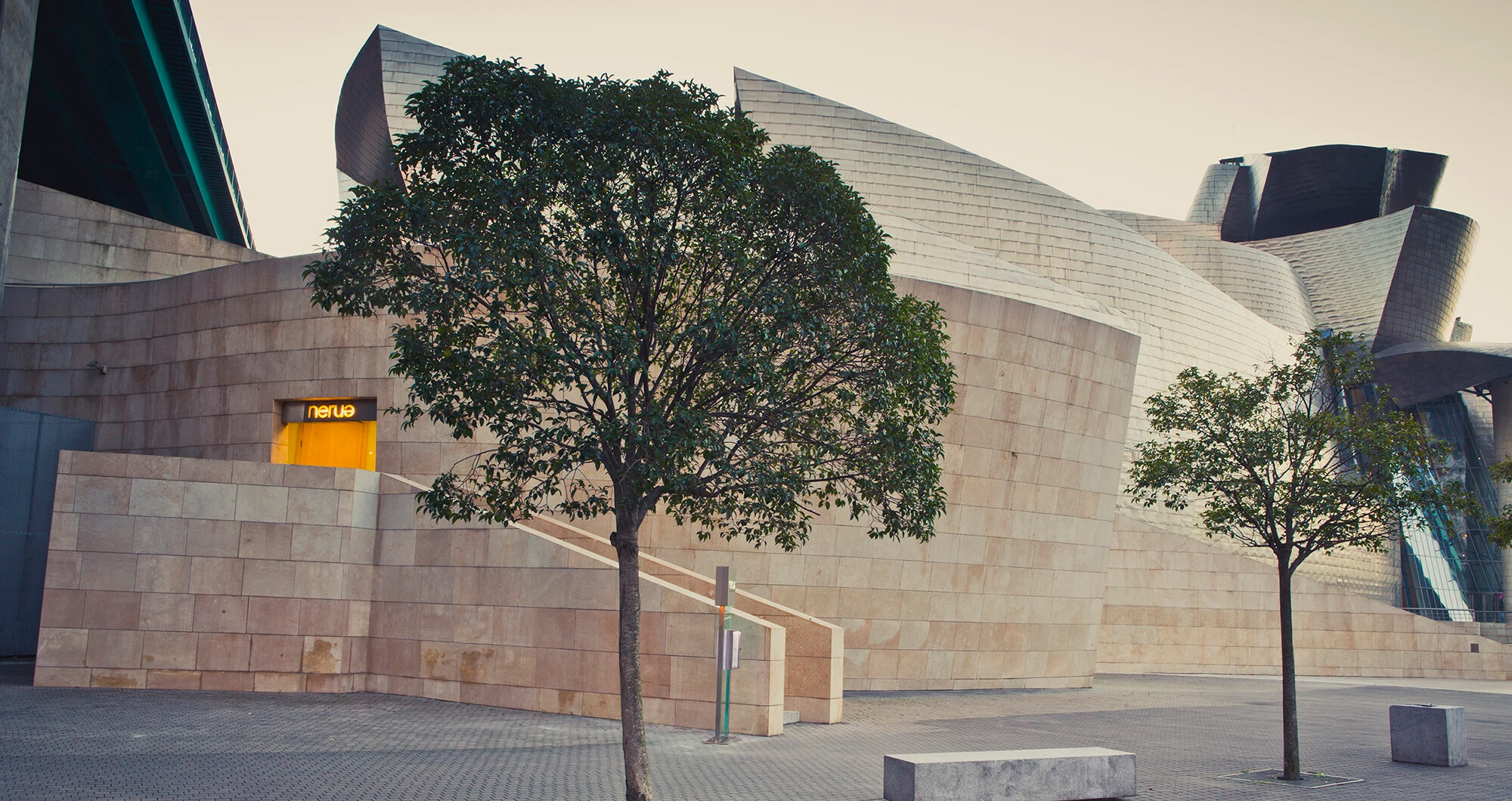
| Nerua Guggenheim Bilbao | Modern Basque Fine Dining | Bilbao | Michelin 1 Star, World's 50 Best |
| Ola Martín Berasategui | Modern Basque Haute Cuisine | Bilbao | Michelin 1 Star |
| Zarate | Modern Basque Seafood | Bilbao | Michelin 1 Star |
In residence
Similar places
Basque Grilled Beef & Txuleton
Amaren
Bilbao, Spain
Basque-Asian Fusion
Kimtxu
Bilbao, Spain
Modern Basque Fine Dining
Mina
Bilbao, Spain
★
Modern Basque Fine Dining
Nerua Guggenheim Bilbao
Bilbao, Spain
★ · 50 Best
Modern Basque Haute Cuisine
Ola Martín Berasategui
Bilbao, Spain
★
Modern Basque Seafood
Zarate
Bilbao, Spain
★