Demetra Vini
- 01CityVerona, Italy

- Falstaff Winery - Listed · 2026
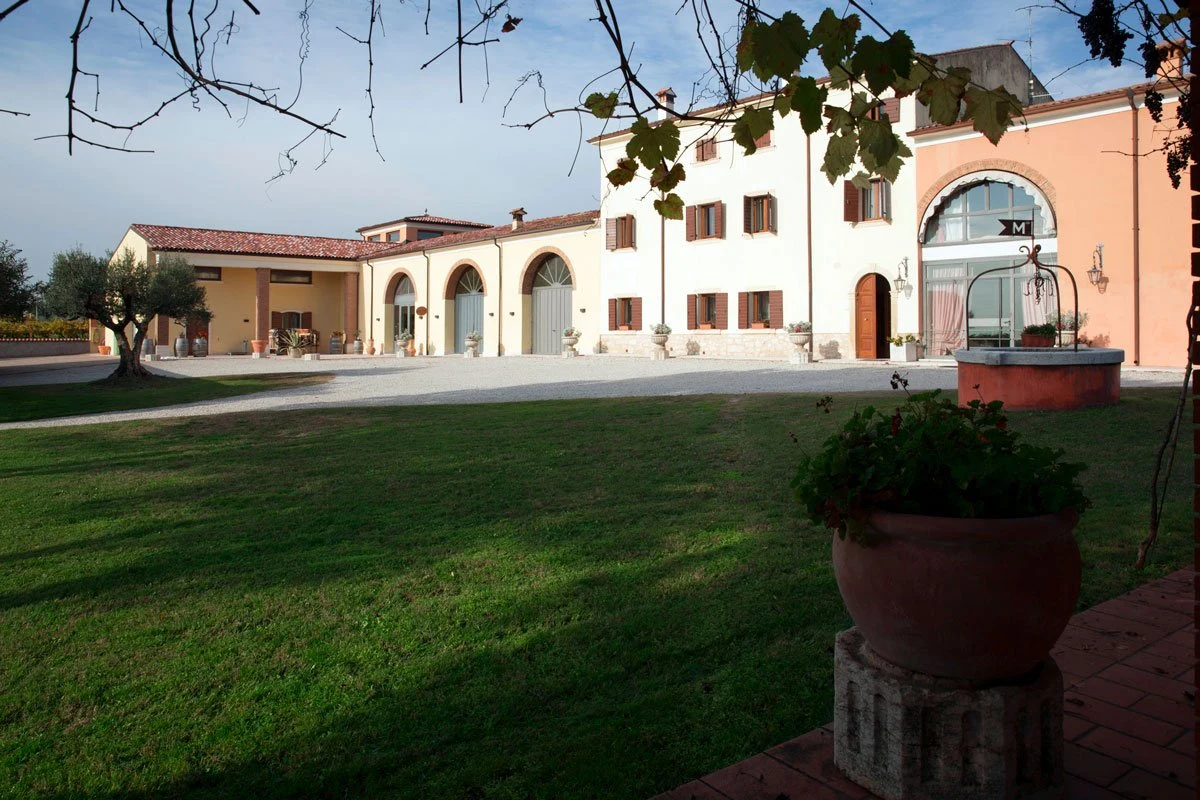
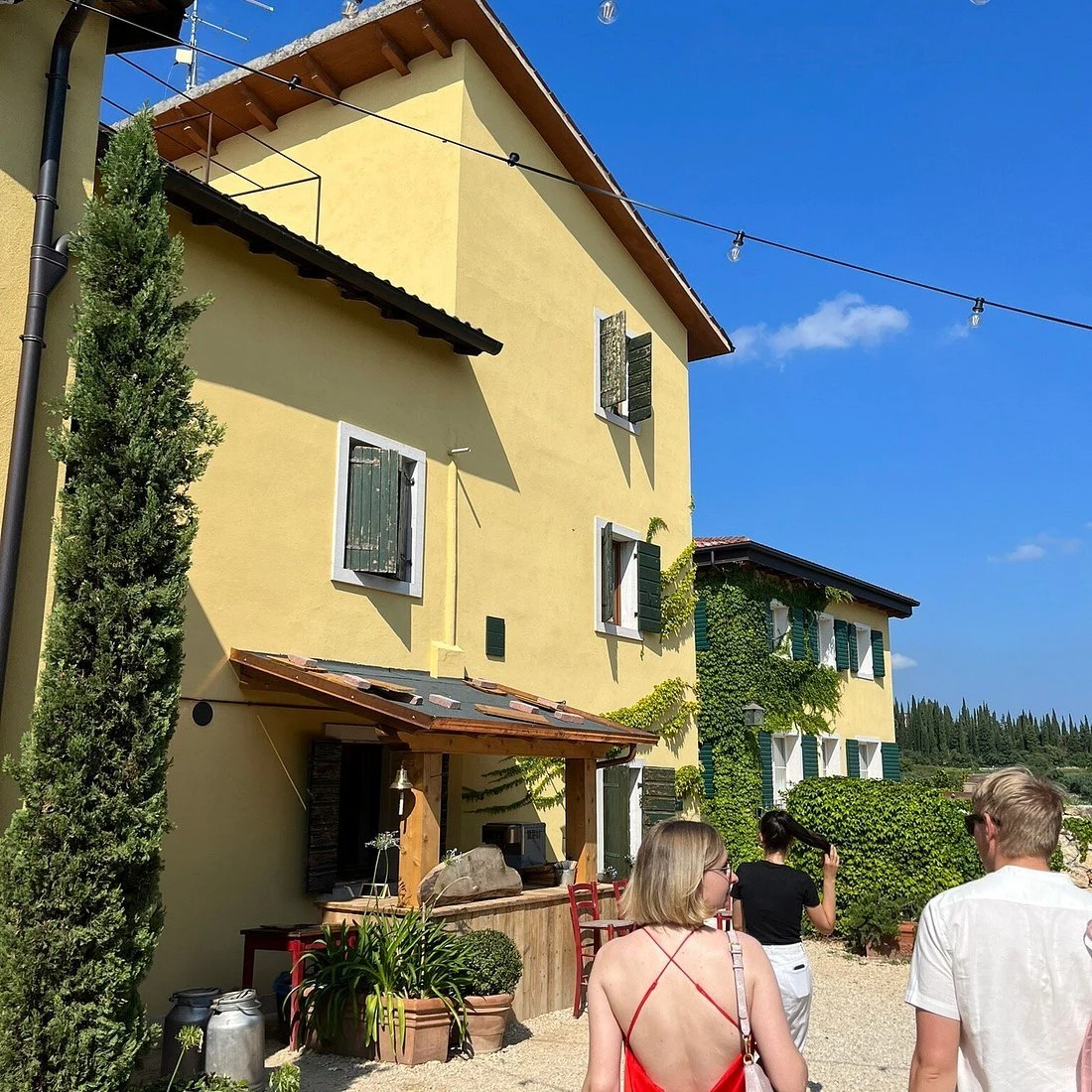
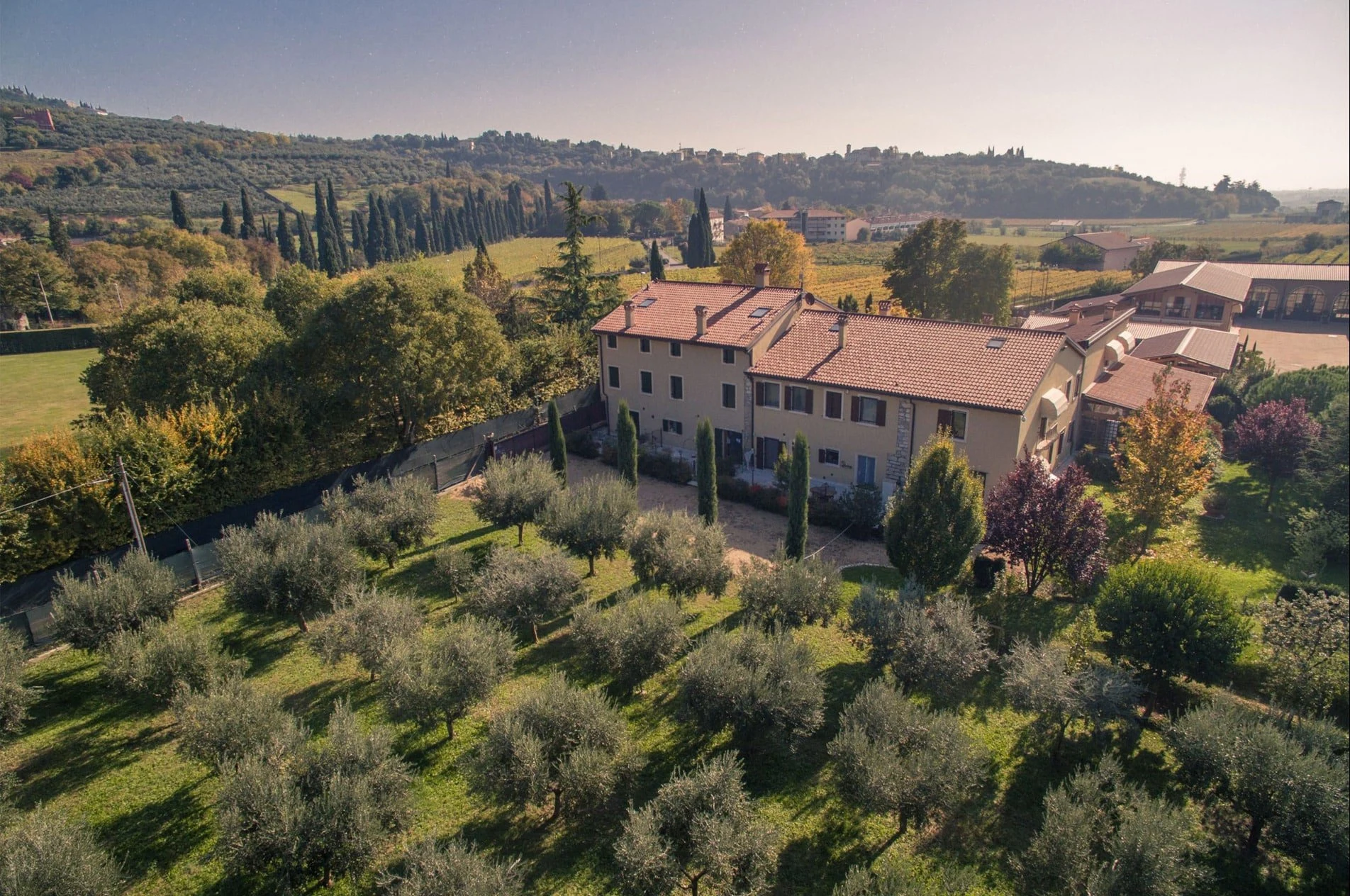
On the hills above Verona, Demetra Vini is presented as a small, authentic winery setting rather than a highly polished destination venue. The picture is simple and deliberately understated: a scenic hillside vineyard at 350 meters above sea level, with olive trees and vines growing in harmony across the same rural landscape. The mood is quiet and rustic, making the place read as a modest, place-led stop within Verona’s broader wine landscape rather than a venue built around spectacle or formal hospitality.
Because the public details are limited, this guide does not treat Demetra Vini as a venue with a confirmed cuisine, formal tasting format, specific wine style, production scale, award history, or hospitality program. That absence of detail matters, because it keeps the profile grounded in what is actually known rather than in assumptions about what a winery visit might include. What can be stated with confidence is the setting: small, scenic, agricultural, and rooted in the hillside character around Verona.
A 350-meter hillside winery setting
Demetra Vini’s clearest identity is its landscape. The winery setting is described around a vineyard at 350 meters above sea level, where vines and olive trees share the same hillside environment. That combination gives the venue its strongest editorial signal: this is a quiet rural stop defined more by place and atmosphere than by a long list of confirmed amenities. The elevation detail is useful because it helps frame the experience as one connected to the slopes above the city, not simply to a generic countryside address.
The price level is listed as $, which places Demetra Vini at the accessible end of the guide’s scale. In the absence of confirmed menus, tasting structures, or hospitality packages, that price marker should be read in a general way rather than as a promise of any particular format. It supports the broader impression of a modest, approachable winery setting, while still leaving the practical details to be checked directly with the venue.
The hillside details are central to the appeal. A small winery surrounded by vines and olive trees offers a different kind of Verona experience from busier urban dining rooms or more formal hospitality settings. The draw is the quiet, rustic scenery and the sense of being close to the agricultural landscape. For some visitors, that simplicity may be exactly the point: the value lies in the setting itself, in the slower pace suggested by the hills, and in the visual texture of vines and olive trees sharing the same terrain.
A quiet counterpoint to Verona's broader wine and dining scene
Verona has many ways to build a food-and-wine itinerary, from city dining to countryside stops. Demetra Vini fits the quieter side of that map. It is best understood as a small winery setting with scenic hillside character rather than as a venue whose profile rests on awards, elaborate service, or a detailed public menu. That distinction keeps expectations in the right place: this is not being positioned here as a restaurant alternative or a fully documented tasting destination, but as a simple rural address with a clear sense of landscape.
That restraint is useful context. With limited confirmed details, the safest way to approach Demetra Vini is as a rustic, low-key Verona winery visit where the atmosphere and landscape are the primary known strengths. Travelers looking for a highly structured tasting, a confirmed food program, or specific hospitality services should verify those details with the venue before going. Doing so is especially important because the strongest available information points to setting rather than service mechanics, and the experience may depend on arrangements that are not publicly detailed.
For readers mapping Verona more broadly, this is part of the city’s wine-side itinerary rather than a substitute for its dining or hotel scene. Compare it with other dining and wine options in Verona generically, or keep the focus on Demetra Vini itself when the priority is a small hillside setting. Its place in an itinerary is therefore best kept precise: not a catch-all solution for every food-and-wine need, but a quiet marker of the rural character that surrounds the city.
Who this works for
Demetra Vini works well for visitors who value quiet scenery, rustic atmosphere, and a small winery setting. The appeal is not a specific dish, chef, award, grape blend, or tasting-menu format. It is the combination of hillside elevation, vines, olive trees, and a peaceful Verona backdrop. Readers who are drawn to understated places, and who are comfortable with a profile built around atmosphere rather than extensive public detail, are the most natural match.
This makes it a natural fit for travelers seeking a low-key countryside detour, a simple wine-focused stop, or a scenic pause away from busier parts of the city. It is also well suited to those who appreciate the idea of a winery as part of a working rural landscape, not only as a polished visitor experience. Demetra Vini’s role is narrow but clear: a small, authentic Verona winery setting where the landscape does much of the talking.
Questions
Frequently asked
How expensive is Demetra Vini?
Demetra Vini is listed at a price level of $.
The field
How it compares
| Place | Notes |
|---|---|
| Demetra Vini | Quinzano, $ |
| Antiche Terre Venete | Verona |
| Azienda Agricola Marco Mosconi | Verona |
| Cantina Giovanni Ederle | Verona |
| Capurso | Verona |
| La Giuva | Verona |
| Monte Cillario | Verona |