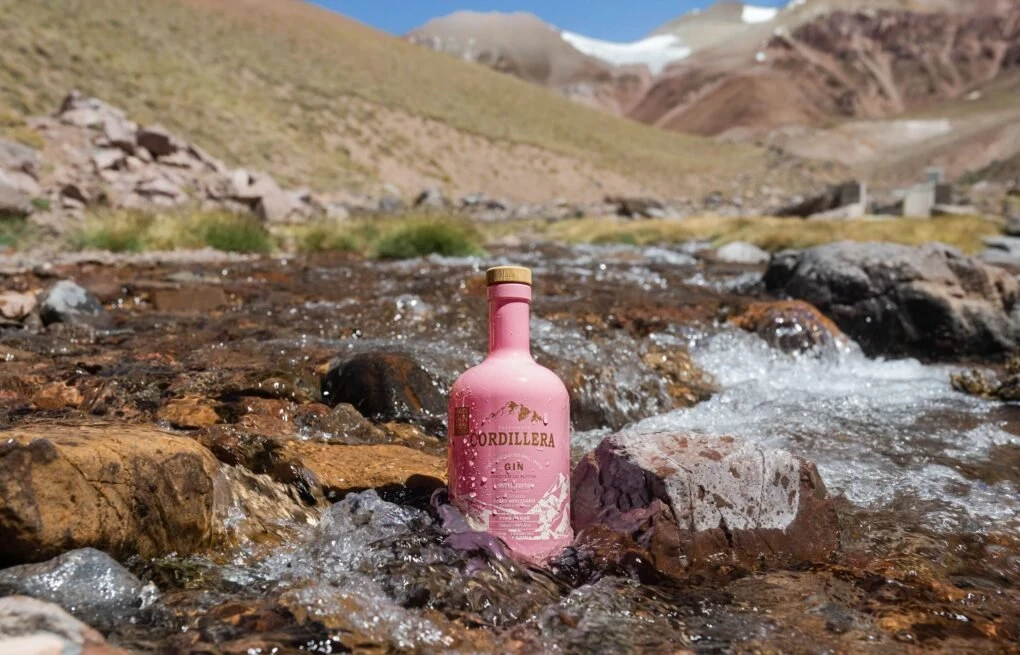
Destilería Cordillera in Puerto Rico is an artisanal craft distillery known for small-batch maceration and steam distillation in a 100% copper alembic still. Signature expressions include the award-winning Cordillera Pink Gin and a carefully distilled traditional Cordillera dry expression, both defined by bright botanical aromatics, silky mid-palate texture and a clean, lingering citrus-peel finish. The distillery’s unique selling proposition is its marriage of old-world copper-pot distillation with experimental botanical blends, a formula that earned Cordillera Pink Gin gold at the World Gin Awards. Expect fragrant juniper layers, floral notes and saline-mineral undertones that translate beautifully in a simple tonic or a citrus-forward coupe.
Puerto Rico's relationship with spirits production is long and commercially dominant, built almost entirely on the island's rum industry, which generates more volume than any comparable Caribbean territory. Against that backdrop, a venue carrying the name of the island's central mountain range signals something deliberate: a turn away from the coastal lowland sugar economy toward the cooler, wetter interior, where terroir-driven production is at least conceptually possible. Destilería Cordillera, operating in San Juan and holding the 2025 Pearl 1 Star Prestige award, is a winery in Puerto Rico.
San Juan's dining and drinking scene has split visibly in recent years between the high-volume tourist corridor along Condado and Isla Verde and a more locally rooted category of operators in Santurce, Miramar, and Old San Juan's quieter blocks. The venues drawing serious attention from regional food and spirits media tend to fall in the latter group, prioritizing sourcing, technique, and context over throughput. Destilería Cordillera sits in that second category, where the production story and the place story are inseparable. For a broader map of where this fits among San Juan's serious dining and drinking addresses, see our full San Juan restaurants guide.
Terroir as a framework belongs most naturally to wine, where the concept has been codified over centuries by producers in Burgundy, Alsace, and the Rhône. Consider what houses like Albert Boxler in Niedermorschwihr or Aldo Conterno in Monforte d'Alba have built over generations: a language for how specific geology, elevation, and microclimate translate into a finished product. That same logic, applied to spirits, is newer and more contested, but it is the framework that the most ambitious distilleries globally are reaching for.
Puerto Rico's Cordillera Central, the mountainous spine running through the island's interior, offers meaningfully different growing conditions from the coastal zones: higher elevation, different rainfall patterns, and agricultural microclimates that produce distinct sugarcane varieties. Where lowland industrial rum production draws on consistent, scalable commodity inputs, a Cordillera-framed operation implies at minimum an interest in place-specific raw materials, even if the full supply chain is not always vertically integrated. This is the same tension that producers in California's Paso Robles, such as Adelaida Vineyards, or Oregon's Willamette Valley, like Adelsheim Vineyard in Newberg, have worked through on the wine side: what does it mean to claim a specific geography as the source of a product's character?
For Destilería Cordillera, the name itself is the first editorial statement.
The Pearl 1 Star Prestige designation in 2025 places Destilería Cordillera alongside a category of venues where production rigor and hospitality intelligence are weighted equally. This is not the tier of casual rum bars or tourist-facing tasting rooms. It is the tier where operators are expected to hold a coherent production philosophy, communicate it clearly to guests, and back it with spirits that justify the framing.
Internationally, the distilleries earning this kind of recognition tend to share certain traits regardless of category. They reference specific geography or raw material sourcing. They limit output to maintain quality control. And they treat the bar or tasting experience as a form of translation, turning production detail into something a guest can taste and understand. Producers like Amrut in Bengaluru have made exactly this argument for Indian single malt whisky, using local grain and a specific climate aging dynamic to claim a distinct terroir identity. Aberlour in Aberlour does it through Speyside geography and a long relationship with a specific water source. The logic, applied to Puerto Rican spirits, requires the same discipline.
Within San Juan's drinking scene, venues operating at this level are relatively few. The city has strong cocktail culture but a smaller cohort of production-focused destinations where the spirit itself, rather than the mixology around it, is the primary text. Destilería Cordillera occupies that production-forward position, which makes it a different kind of stop on a serious visit to the island's spirits culture.
Given the available data, specific operational details including address, hours, seat count, and booking format are not confirmed in the record. Guests planning a visit should confirm availability in advance and allow time for a proper tasting progression.
For comparison, consider how allocation-model wineries like Accendo Cellars in St. Helena or Alpha Omega Winery in Rutherford manage access: the experience is structured, the visit is purposeful, and the product context is integral to what makes it worth attending. A prestige-tier distillery in San Juan operates on similar logic, even if the production category is different.
Puerto Rico's spirits identity has historically been export-driven, shaped by global rum brands rather than by the kind of site-specific, small-batch philosophy that has transformed wine regions in California's Central Coast or the Rhône Valley. Venues like Alban Vineyards in Arroyo Grande or Andrew Murray Vineyards in Los Olivos represent what happens when producers commit to a specific varietal and geographic argument over decades. The island's emerging craft spirits tier, of which Destilería Cordillera is a part, is attempting a compressed version of that arc.
Internationally, there are useful parallels in territories where a dominant industrial production tradition is being countered by smaller, geography-conscious operators. Achaia Clauss in Patras navigated the tension between historical production scale and quality reputation in Greek wine. All Saints Estate in Rutherglen has maintained site-specific fortified wine production inside a region defined by muscular volume. Angove Family Winemakers in Renmark has built an organic and sustainability argument inside a volume-producing Murray Darling context. The pattern, in each case, is the same: a producer choosing depth over scale and using geographic specificity as the primary differentiator.
For Destilería Cordillera, the Cordillera Central framing is that geographic bet. The 2025 Pearl 1 Star Prestige recognition suggests it is being received seriously by the people best positioned to evaluate it. Whether the production model continues to develop in ways that deepen that terroir claim, or whether San Juan's broader spirits scene evolves to give it more company at this tier, are the questions worth watching over the next several years.
Guests researching San Juan's serious spirits and dining addresses should treat Destilería Cordillera as a stop in the production-focused tier. Advance contact through the venue's own channels is the appropriate approach for confirming current hours, format, and availability. Given the Pearl 1 Star Prestige recognition in 2025, demand is unlikely to be casual, and the experience is better suited to a dedicated slot in an itinerary than to a spontaneous late evening. Alexander Valley Vineyards in Geyserville offers a useful model for how estate-level spirits and wine destinations communicate their visit format; the principle of arriving informed and arriving with purpose applies equally here. For the full context of San Juan's food and drink scene around this address, the EP Club San Juan city guide maps the relevant comparable set.
Destilería Cordillera operates in the production-focused tier of San Juan's spirits scene, distinguished by its Pearl 1 Star Prestige designation in 2025. That credential signals a venue where the production environment and hospitality are integrated rather than separated, meaning the working distillery is part of what guests encounter. Expect a setting shaped by process and craft rather than conventional bar aesthetics.
Destilería Cordillera has received recognition including: Pearl 1 Star Prestige (2025).
Specific menu items and current offerings are confirmed through the distillery directly, given Puerto Rico's spirits identity has historically been export-driven and dominated by large-scale rum production. Destilería Cordillera's Pearl 1 Star Prestige (2025) positions it within a category defined by production rigor, which typically means spirits that reflect site-specific sourcing or technique rather than category defaults. Confirming the current pour list before visiting is advisable.
The Pearl 1 Star Prestige awarded in 2025 marks Destilería Cordillera as the most formally recognized production-focused spirits address in San Juan. What distinguishes it within Puerto Rico's broader spirits geography is the application of a terroir argument — treating Caribbean raw materials and local conditions as production variables — in a market otherwise shaped by volume rum output. That positioning makes it the reference point for serious spirits work on the island.