Deux Frères
- 01CityZurich, South Africa
- Falstaff Winery - Listed · 2026
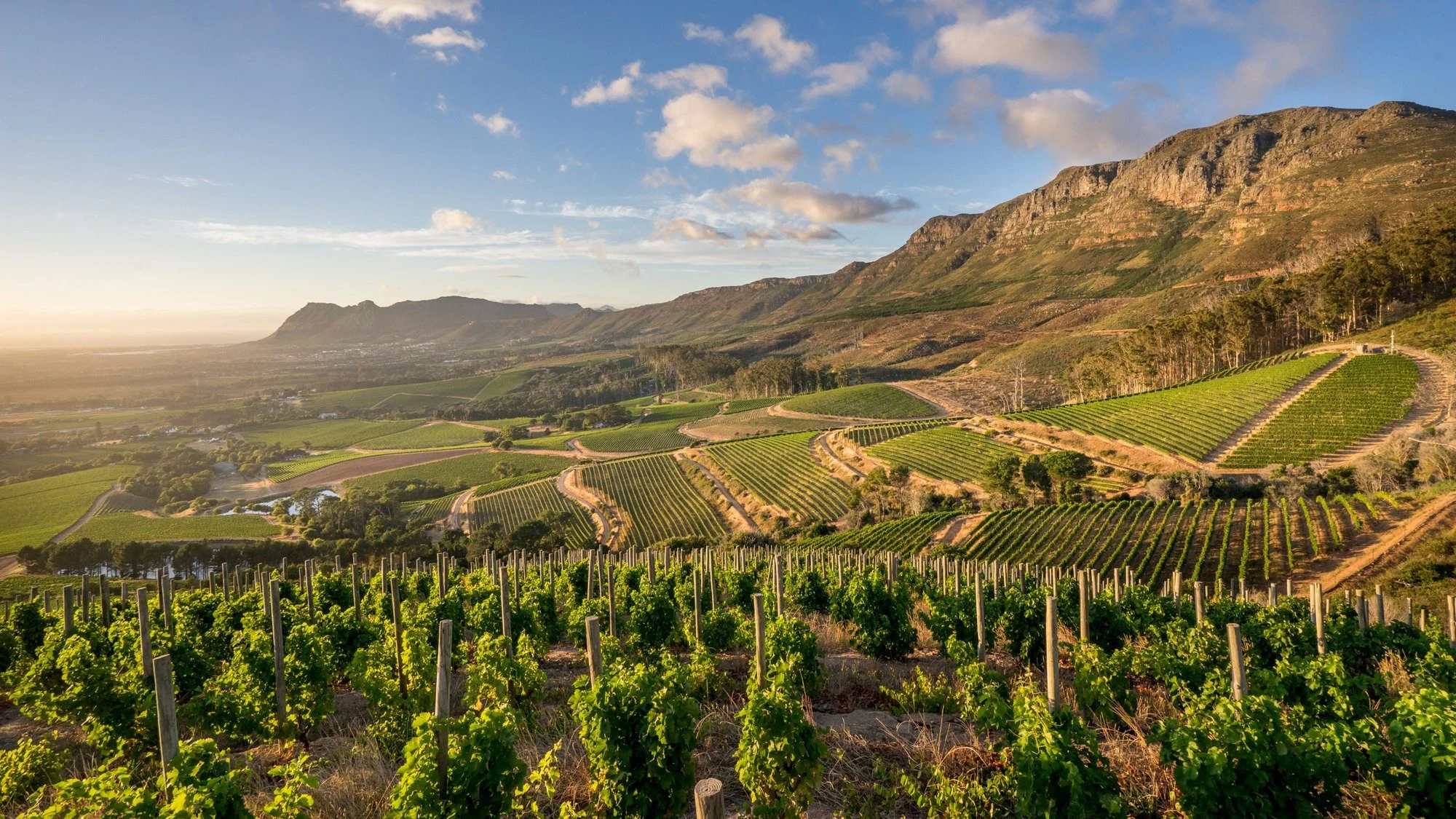
Approach the Stellenbosch wine-farm format at Deux Frères as a study in scale. The setting is vineyard-led rather than urban tasting-room led, with a compact estate atmosphere, conversational noise level and a rustic, low-key register that suits visitors who want the land in the frame rather than a polished hospitality machine. In a region often associated with large cellar doors and estate restaurants, the smaller-property format changes the rhythm: less procession, more direct tasting-room contact, and a clearer line between what is grown, made, poured and sold from the farm.
The wine emphasis is narrow by design. Rosé anchors the listed wine focus, while gin broadens the tasting experience beyond a conventional still-wine stop. That split says something about contemporary Cape wine tourism: smaller estates increasingly work across adjacent categories, using cellar-door time to introduce visitors to products that travel beyond the tasting bench. Deux Frères also lists shipping availability and direct product sales, which makes the estate less dependent on the old model of visitors tasting, buying a few bottles and leaving the rest to memory.
Small-estate Stellenbosch, read through rosé and gin
Stellenbosch is usually discussed through Cabernet Sauvignon, Bordeaux blends and the long shadow of South African red wine prestige. Deux Frères occupies a different lane. Its public identity centers on a boutique winery-distillery estate in the Stellenbosch wine region, with rosé and gin forming the clearest tasting signals. That matters because rosé, in this setting, is not just a summer accessory; it is a way for a small property to express fruit, freshness and immediacy without competing directly with the region’s heavier red-wine narrative.
The estate’s size is part of the editorial point. It is described as Stellenbosch’s smallest winegrowing property, a distinction that changes how the visit should be understood. Large estates can impress through architecture, restaurant programs and deep vintage libraries. A smaller property has to win through focus: a tight product range, estate-ground context, a tasting format that does not feel industrial, and a clear sense of what belongs to the site. The listed production scale is small, and the capacity tier follows the same logic.
The terroir frame is also unusually legible. The broader Simonsberg and Stellenbosch context is defined by mountain influence, varied soils and the cooling patterns that help balance Cape fruit ripeness. For a rosé-focused visit, that balance matters. The useful question is not whether the glass performs like a trophy red, but whether the estate can translate vineyard freshness into a style that feels tied to place rather than generic lifestyle drinking. Gin adds another layer: botanicals and distillation move the experience away from strict varietal orthodoxy, but the farm setting keeps the tasting grounded in place.
The experience favors quiet attention over cellar-door spectacle
Listed atmosphere is cozy and rustic, but the practical implication is more important than the adjective. This is a small-format visit suited to wine education, group outings and special-occasion tasting, not a high-volume estate circuit built around walk-through traffic. The noise level is conversational, outdoor seating is not listed, and food pairing is not part of the stated format. Readers planning around lunch, chef-led pairings or broad restaurant infrastructure should treat the stop as a tasting-led estate experience rather than a full-day dining anchor.
Appointment-only structure reinforces that smaller rhythm. It narrows the audience to visitors who plan deliberately and gives the estate more control over pacing. For travelers used to the Cape Winelands’ more open cellar-door culture, that distinction is useful. A pre-arranged tasting can be more rewarding when the point is context, product clarity and estate contact; it is less useful for a spontaneous route with shifting timing. Casual dress is listed, which fits the farm-estate tone and avoids the false formality that sometimes clings to premium wine travel.
Ownership and production signal is also direct: Stephan Du Toit is identified as owner and winemaker. That dual role is a meaningful credential at small scale because it compresses decision-making between vineyard, cellar and visitor experience. The estate also lists an organic production philosophy, a sourcing signal that aligns with the lower-intervention language often attached to boutique wine farms. The claim should be read as a production-positioning marker rather than a substitute for detailed certification language.
For a wider Zurich editorial map, this page sits inside Our full Zurich wineries guide, with nearby category planning in Our full Zurich restaurants guide, Our full Zurich hotels guide, Our full Zurich bars guide and Our full Zurich experiences guide. Wine-focused readers can also compare how other pages frame producer identity across regions, from Guerdon Champagne and 4G Wines in Kapstadt to A. A. Badenhorst Family Wines in Paardeberg, Aaldering Estate in Stellenbosch, Alheit Vineyards in Hermanus, Allée Bleue in Groot Drakenstein, Allesverloren in Riebeeck West, Anthonij Rupert in Franschhoek, »der Steiner« Hans Steiner in Podersdorf am See and & Handwein in Mannheim.
Who should make the detour
The right visitor is not chasing a medal list or a grand restaurant attached to a cellar door. The better fit is someone interested in how a small Stellenbosch estate builds a tasting around rosé, gin, direct sales and vineyard setting, with enough structure for wine education and enough informality for a group outing. The price level sits in the accessible middle tier, but the experience is defined less by spend than by format discipline: make the appointment, arrive with time to taste rather than rush, and treat the visit as a focused estate stop rather than a broad hospitality complex.
Questions
Frequently asked
How expensive is Deux Frères?
Deux Frères is listed at a price level of $$.
The field
How it compares
| Place | Notes | Awards |
|---|---|---|
| Deux Frères | Stellenbosch, $$ | · |
| Domaine Comte Georges de Vogüé | Chambolle-Musigny | · |
| Domaine Georges Mugneret-Gibourg | Vosne-Romanée | · |
| Domäne Wachau | Dürnstein | World's 50 Best |
| Harlan Estate | Napa | · |
| Klein Constantia | Cape Town | World's 50 Best |
| Quinta do Crasto | Sabrosa | World's 50 Best |