DIALOGUE
- 01CuisineFrench Bistro
- 02CityTokyo, Japan
Seasonal pacing, French bistro restraint
- Michelin Bib Gourmand · Michelin Guide
- Michelin Bib Gourmand · 2026
- Michelin Bib Gourmand · 2024
Seasonal pacing in a residential bistro
The menu turns on sequence before volume. DIALOGUE opened on May 22, 2013, in Higashi Kitazawa, a residential pocket of Setagaya, Tokyo, chosen so the place could become familiar to the people who live there. The house was built by a chef and a sommelier who have kept up a friendly rivalry since their apprenticeship days, and the room still runs on that division of labour rather than on a single authorship. Neither is named publicly. What can be read from the table is the discipline: familiar French standards, a wine list given equal footing, and a bistro whose character is looser, quieter, and built for conversation.
A bistro menu built for choosing
The kitchen works in a traditional French bistro register, with lunch set as prix fixe and dinner moving à la carte. That structure matters. A fixed daytime progression gives the bench a frame, while the evening menu lets guests assemble their own rhythm from a broader list of French standards. The restaurant is known for generous portions, fresh fish carpaccio, and seasonal plates that have included firefly squid and bamboo shoots. The method is not published as a technical manifesto, but the architecture is legible from the table: familiar dishes, enough breadth to create discussion, and enough wine attention for the sommelier’s side of the house to shape the meal without turning it formal. Michelin gave DIALOGUE Bib Gourmand recognition in the 2026 MICHELIN Guide Japan, naming the value and quality of the cooking rather than adding ceremony to it. The house also carries a curated wine program, which suits the room’s scale. Wine here is not a cellar shown for its own sake; it is part of the pass between kitchen, glass, and conversation.
Eighteen seats and a quieter pass
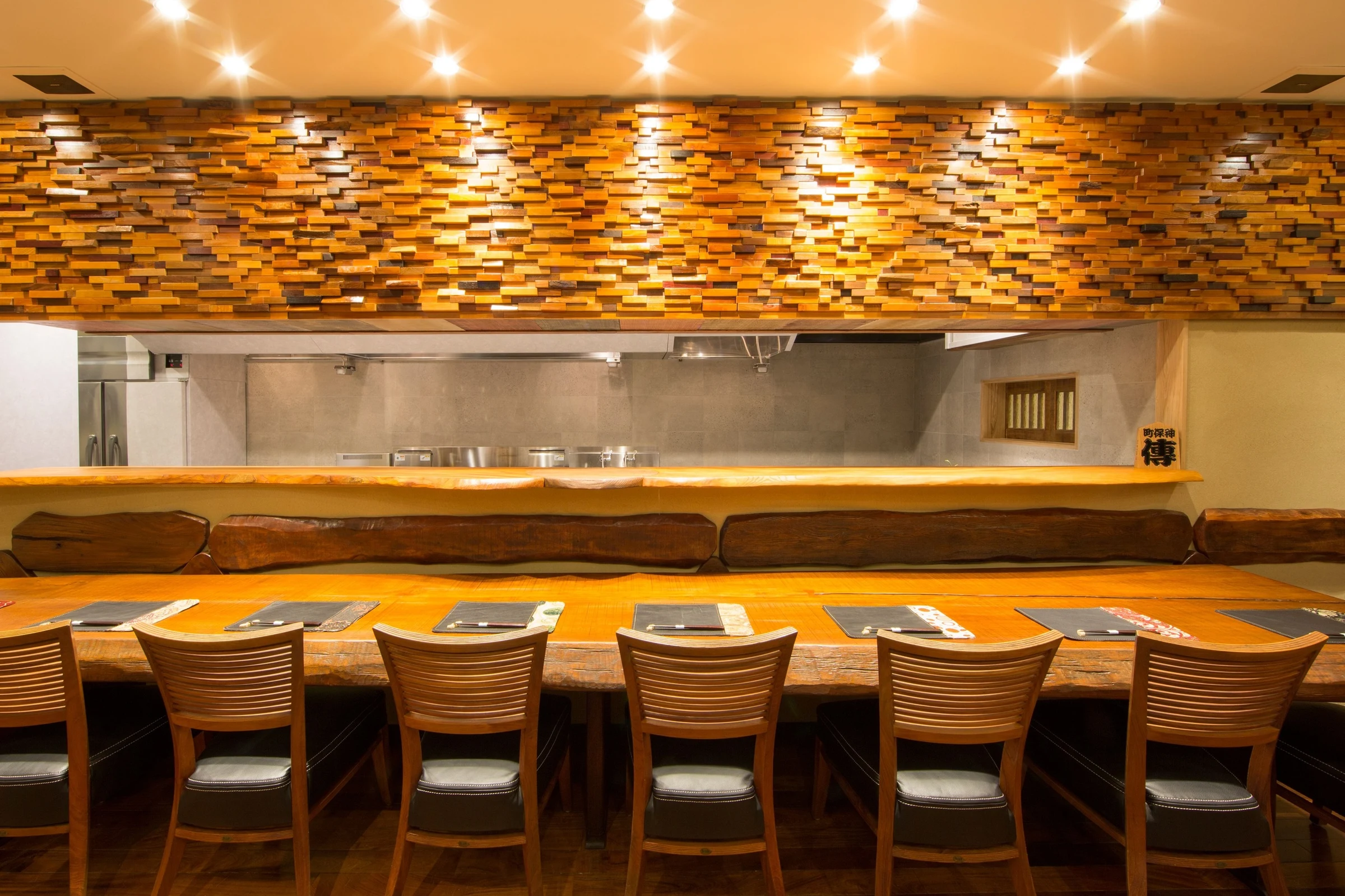
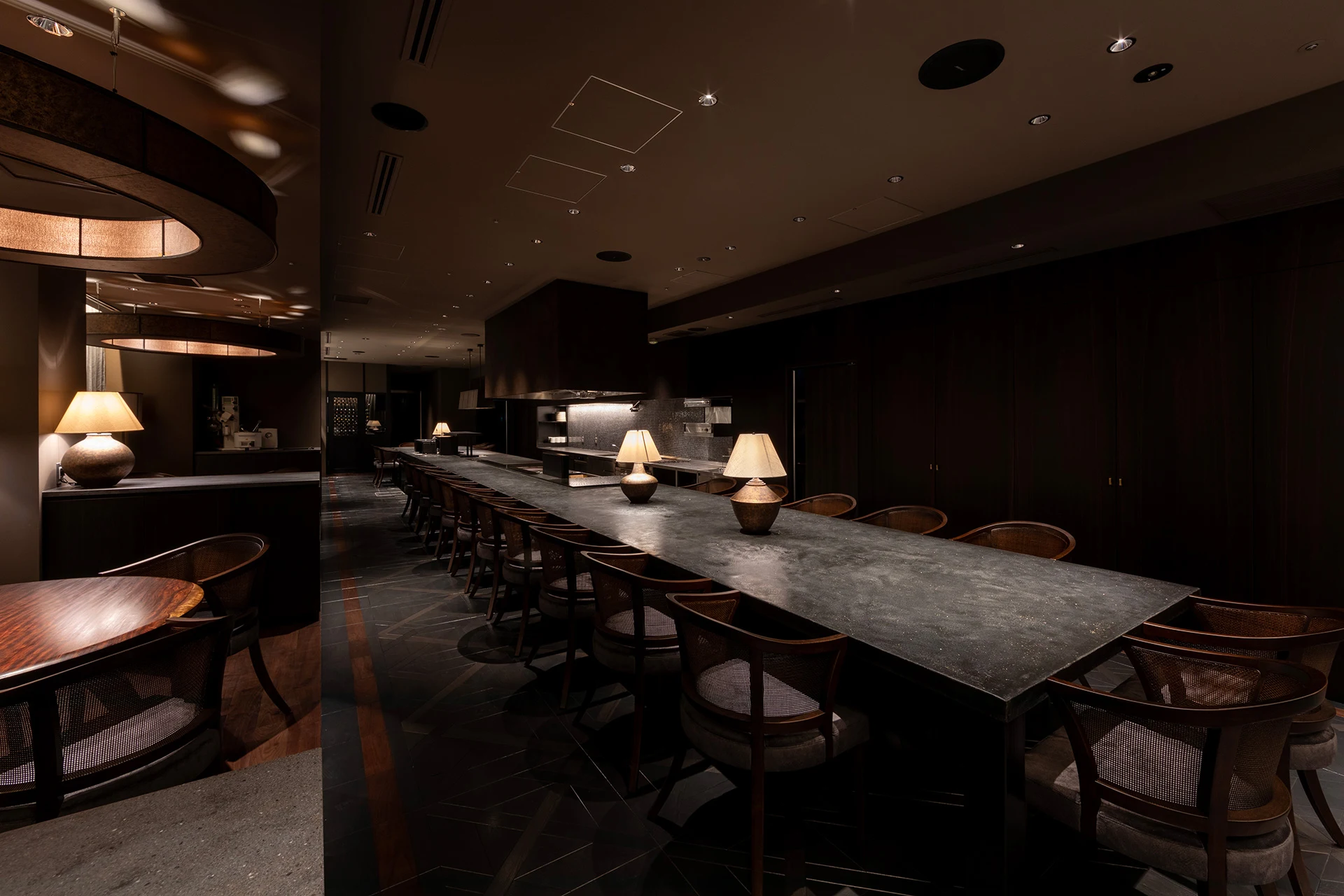
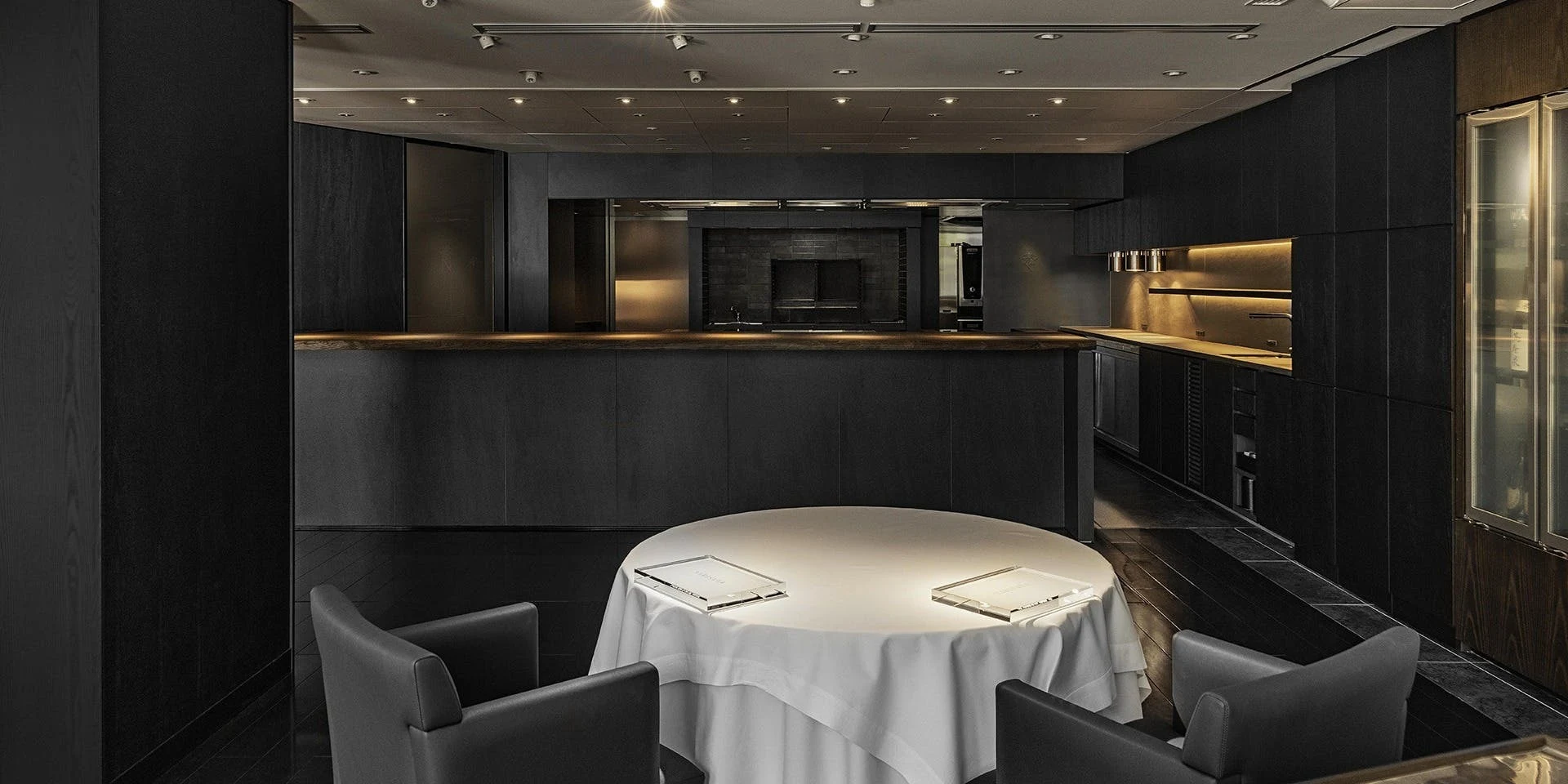
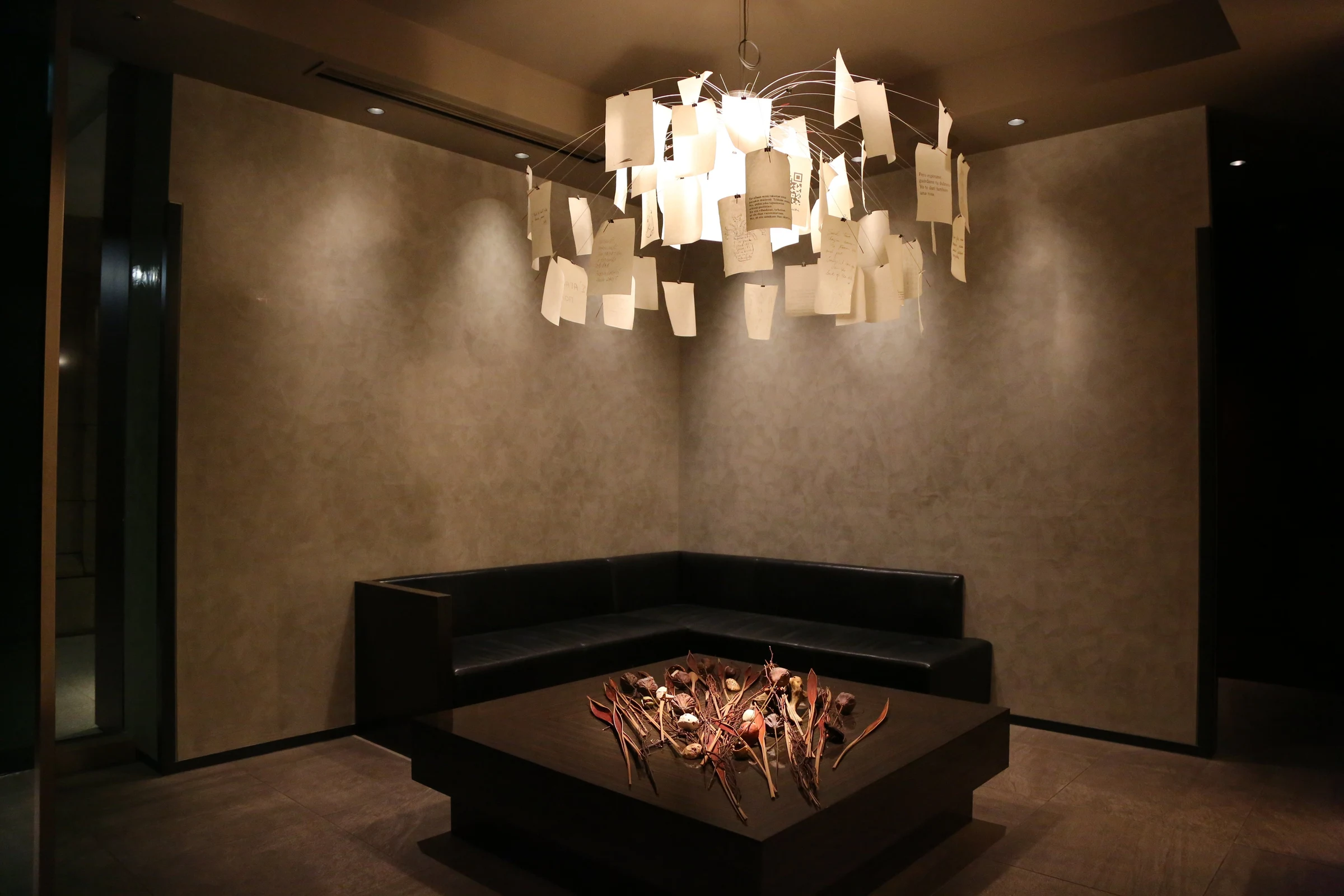
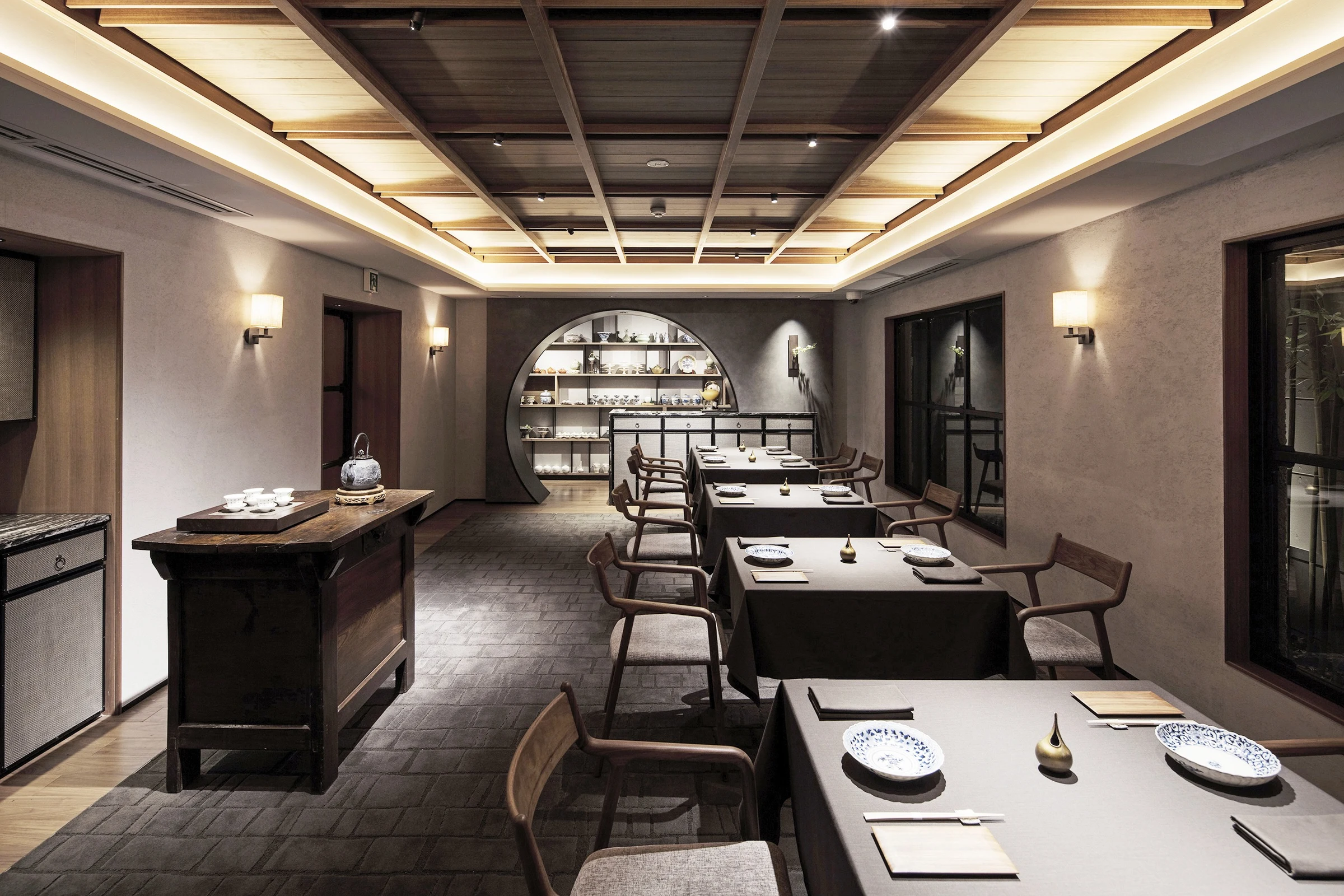
The room holds 18 table seats, with sofa seating worked into a stylish, relaxing space. There is no counter at present, so the attention lands differently: not on a line of guests watching hands at the bench, but on small tables carrying plates, bottles, and the low movement of service. Higashi Kitazawa gives the restaurant its tempo. The surrounding streets are residential, close to Shimokitazawa but removed from its louder current, and the restaurant uses that distance well. The room reads as a hideout without forcing secrecy. Noise stays conversational. The intimacy is practical, not decorative: a small room, French standards, a wine-focused service pattern, and enough space for a table to linger over choices.
The local measure
DIALOGUE’s durability rests in the fit between the format and the neighborhood. It does not need the posture of a grand dining room to make its case; the work sits in the repetition of service, the steady presence of French bistro dishes, and the chef and sommelier rivalry that shaped the founding idea. Fresh fish carpaccio remains one of DIALOGUE’s clearest gestures.
Questions
Frequently asked
What kind of restaurant is DIALOGUE?
DIALOGUE is a French bistro in Higashi Kitazawa, Tokyo. It runs on a small-room format with 18 table seats and a wine-led service style.
Who is behind the kitchen and wine program?
The restaurant was built by a chef and a sommelier who had known each other since their apprenticeship days. Their work is still divided along those lines, although neither person is named publicly.
What is DIALOGUE known for on the menu?
It is known for familiar French standards, generous portions, fresh fish carpaccio, and seasonal plates that have included firefly squid and bamboo shoots. Lunch is prix fixe and dinner is à la carte.
What recognition does DIALOGUE hold?
DIALOGUE received Bib Gourmand recognition in the 2026 MICHELIN Guide Japan.
How does booking work there?
Reservations are recommended, and booking is handled directly.
The field
How it compares
| Place | Cuisine | Notes | Awards |
|---|---|---|---|
| DIALOGUE | French Bistro | Setagaya, $$$ | · |
| Den | Modern Japanese Kaiseki | Tokyo | Michelin 2 Stars, World's 50 Best |
| Florilège | Modern French-Japanese Plant-Based Fine Dining | Tokyo | Michelin 2 Stars, World's 50 Best |
| Narisawa | Modern Japanese Satoyama Fine Dining | Tokyo | Michelin 2 Stars, World's 50 Best |
| Quintessence | Modern French Fine Dining | Tokyo | Michelin 3 Stars |
| Sazenka | Modern Chinese Fine Dining | Tokyo | Michelin 3 Stars, World's 50 Best |
| Sézanne | Modern French Fine Dining | Tokyo | Michelin 3 Stars, World's 50 Best |
Similar places
Modern Japanese Kaiseki
Den
Tokyo, Japan
★★ · 50 Best
Modern French-Japanese Plant-Based Fine Dining
Florilège
Tokyo, Japan
★★ · 50 Best
Modern Japanese Satoyama Fine Dining
Narisawa
Tokyo, Japan
★★ · 50 Best
Modern French Fine Dining
Quintessence
Tokyo, Japan
★★★
Modern Chinese Fine Dining
Sazenka
Tokyo, Japan
★★★ · 50 Best
Modern French Fine Dining
Sézanne
Tokyo, Japan
★★★ · 50 Best