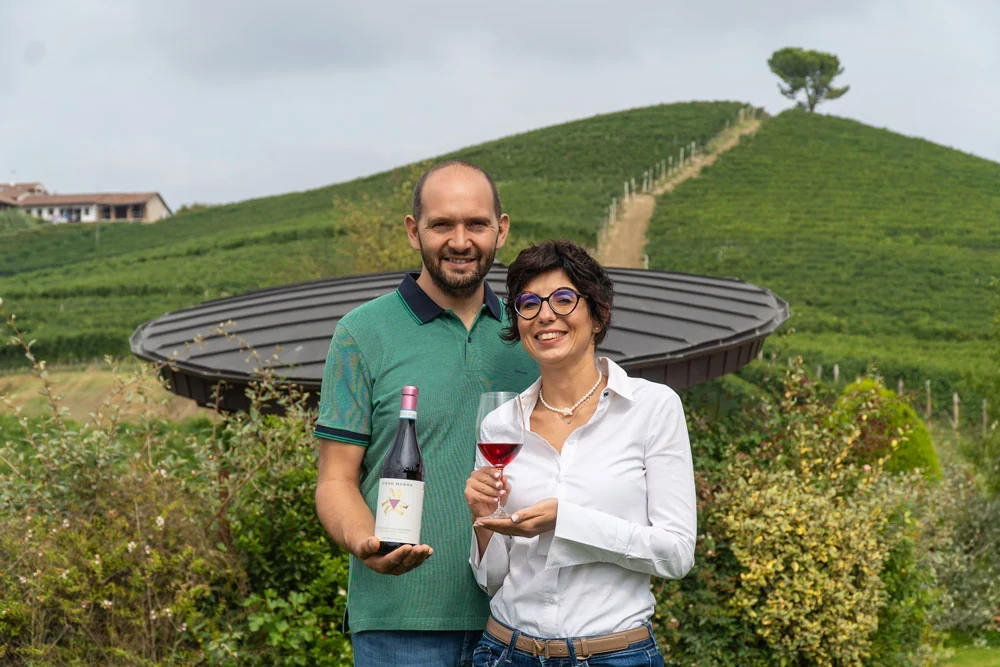
Diego Morra, owner and winemaker at Diego Morra in Verduno, works Nebbiolo, Pelaverga, and Chardonnay from family Langhe vineyards.
The choice of grape still begins in the vineyard: Nebbiolo for Barolo, Pelaverga for Verduno, Chardonnay where the season allows. Diego Morra, owner and winemaker at Diego Morra in Verduno, keeps those decisions close to the cellar that carries his name. Since 2006, he has held both roles at the estate, a structure that leaves little distance between the broad direction of the house and the smaller cellar choices that shape each wine. The family farmhouse became the working winery, and the project has stayed bound to the hills around Verduno rather than to expansion for its own sake.
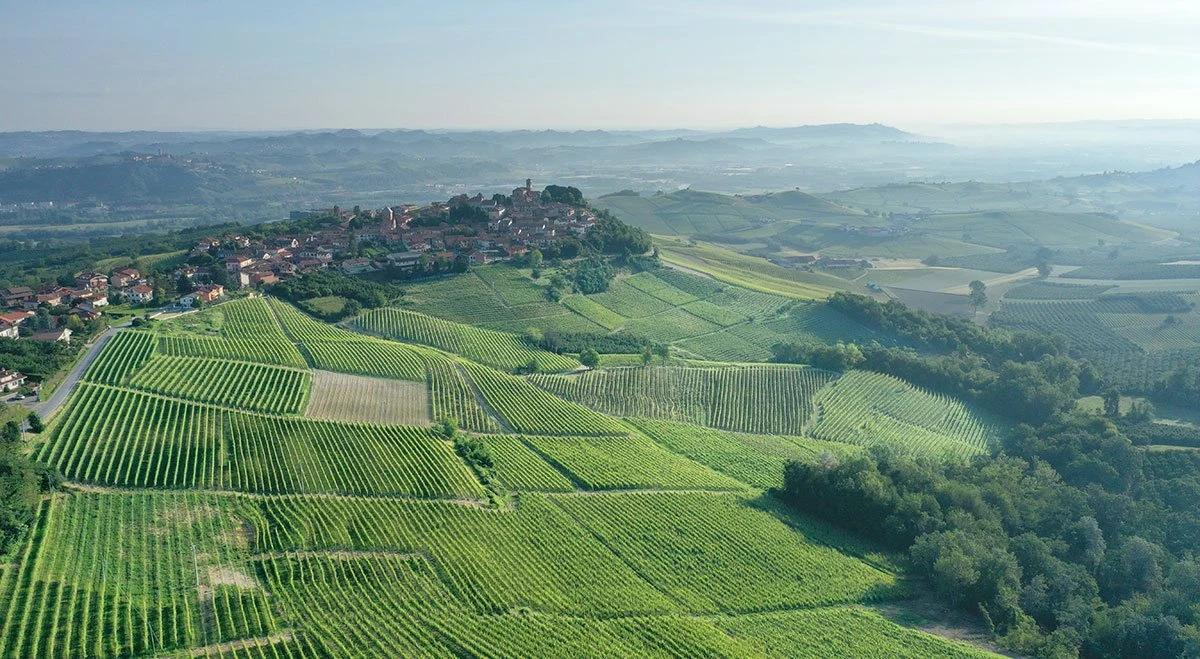
That continuity matters in a place where the same variety changes register from slope to slope. The estate works across Verduno, La Morra, and Roddi d’Alba, with vineyards spanning 30 hectares and a program centered on Barolo DOCG, Langhe DOC, and Verduno Pelaverga DOC. Morra’s lineage is stated through the property itself: family land, a house name, and a winemaker whose responsibility covers both the business and the wine. No earlier apprenticeship is published by the estate; the traceable line here is the one from the Morra family’s farmhouse to the present cellar.
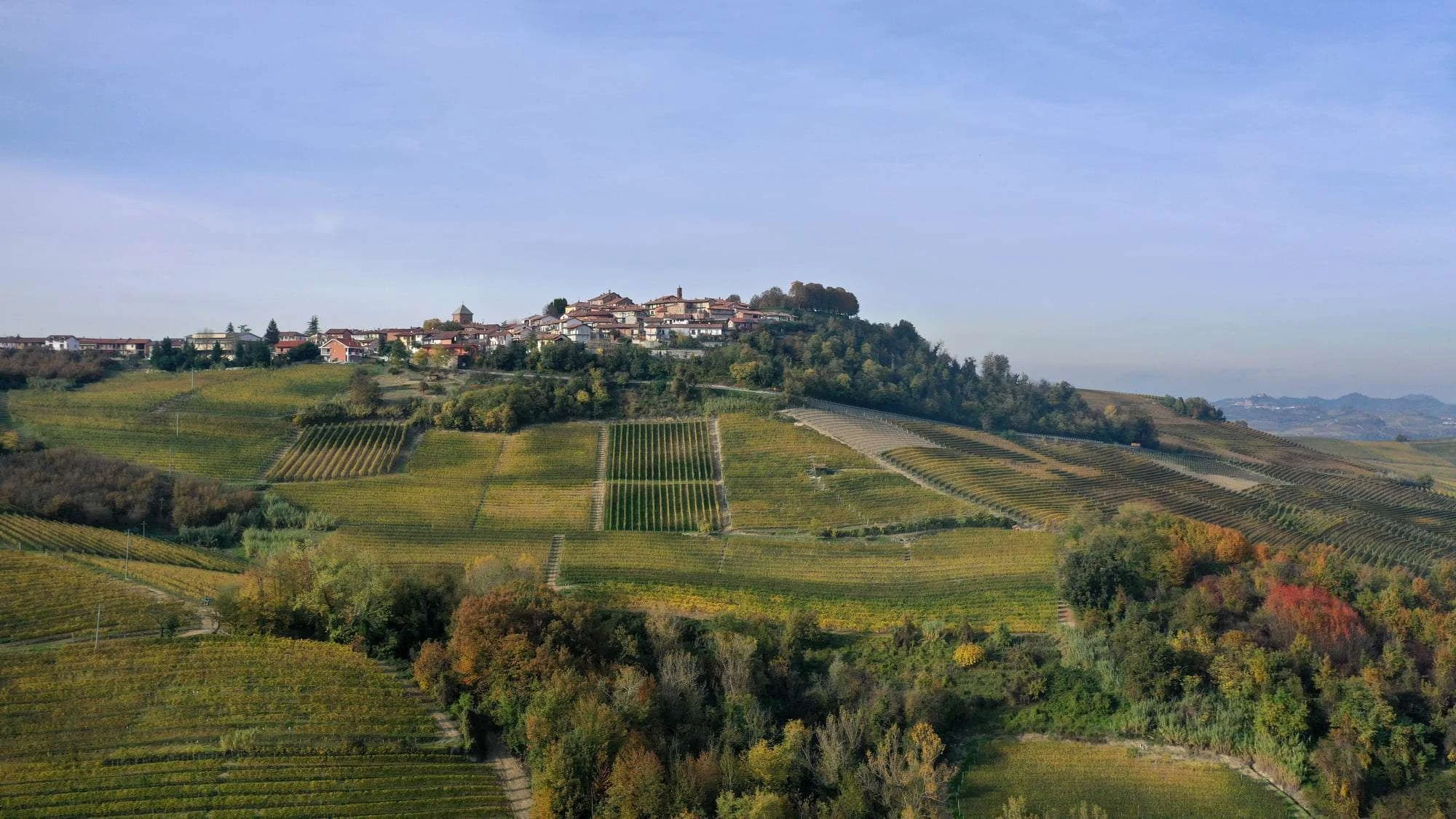
The cellar works from a Barolo grammar built around named places. Monvigliero comes from 4 hectares on the hill behind the cantina, a site the estate presents through exposure and Verduno’s lifted profile. San Lorenzo di Verduno gives another register of Nebbiolo, while Barolo del Comune di Verduno gathers the village mark into a single bottling. Zinzasco takes its name from the trail linking family holdings between Verduno and La Morra, with sandy soils and the Tanaro river shaping the wine’s line.
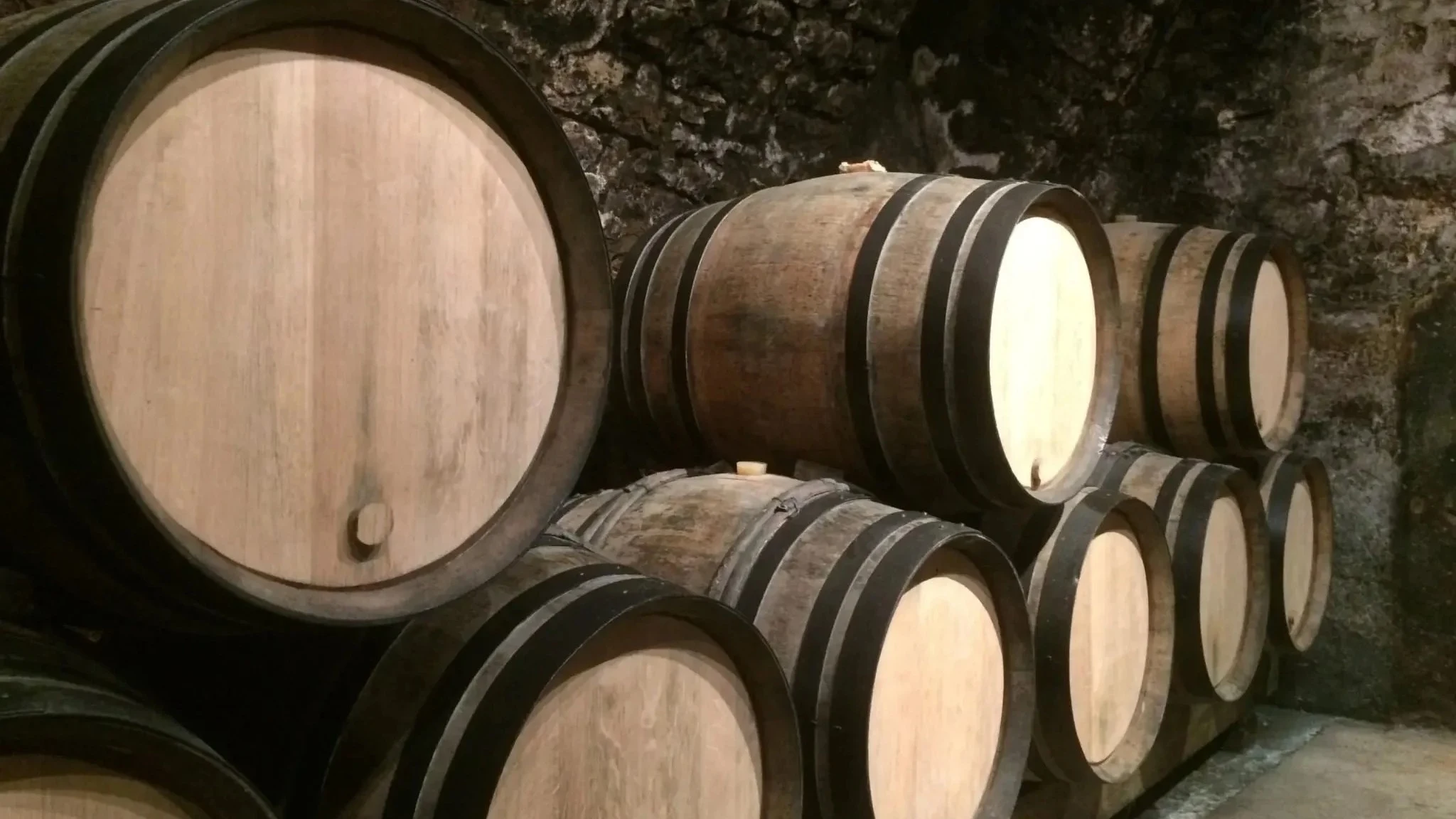
The farming follows a principle the estate calls integrated struggle, with no herbicides or pesticides and with attention to biodiversity in the rows. It is a practical philosophy rather than a label for the back of the bottle: right grape, right place, repeated across parcels. Nebbiolo remains the discipline, but the work also includes Verduno Pelaverga, Barbera, Dolcetto, Chardonnay, and rosato. The Langhe Chardonnay is made in a classic reductive style, with partial malolactic fermentation and time on lees in stainless steel, a different kind of restraint from the long patience asked by Barolo.
The house sits as a hilltop cascina, with the vineyards around Verduno and further plots in La Morra and Roddi d’Alba pulling the work outward from the cellar. In the tasting room, the conversation stays close to the vineyard names because the wines ask for that kind of reading. Monvigliero, San Lorenzo, Zinzasco: they are not decorative names, but the map by which the estate explains its own method.
The room has the pace of a family-run Langhe winery, conversational rather than staged, with the cellar and the vines doing most of the instruction. The craft here is not hidden, but it is not performed as theatre. Morra’s hand appears in the sequence of choices, from the refusal of herbicides and pesticides to the separation of crus and the decision to keep Verduno Pelaverga beside Barolo rather than behind it. If the estate’s next chapter is visible anywhere, it is in that same bench-side repetition: Nebbiolo from Monvigliero, San Lorenzo, Zinzasco, and del Comune di Verduno returning to the cellar each harvest.
Verduno, Piedmont, Italien
Verduno