Diemersfontein Wine & Country Estate
- 01CityWellington, South Africa
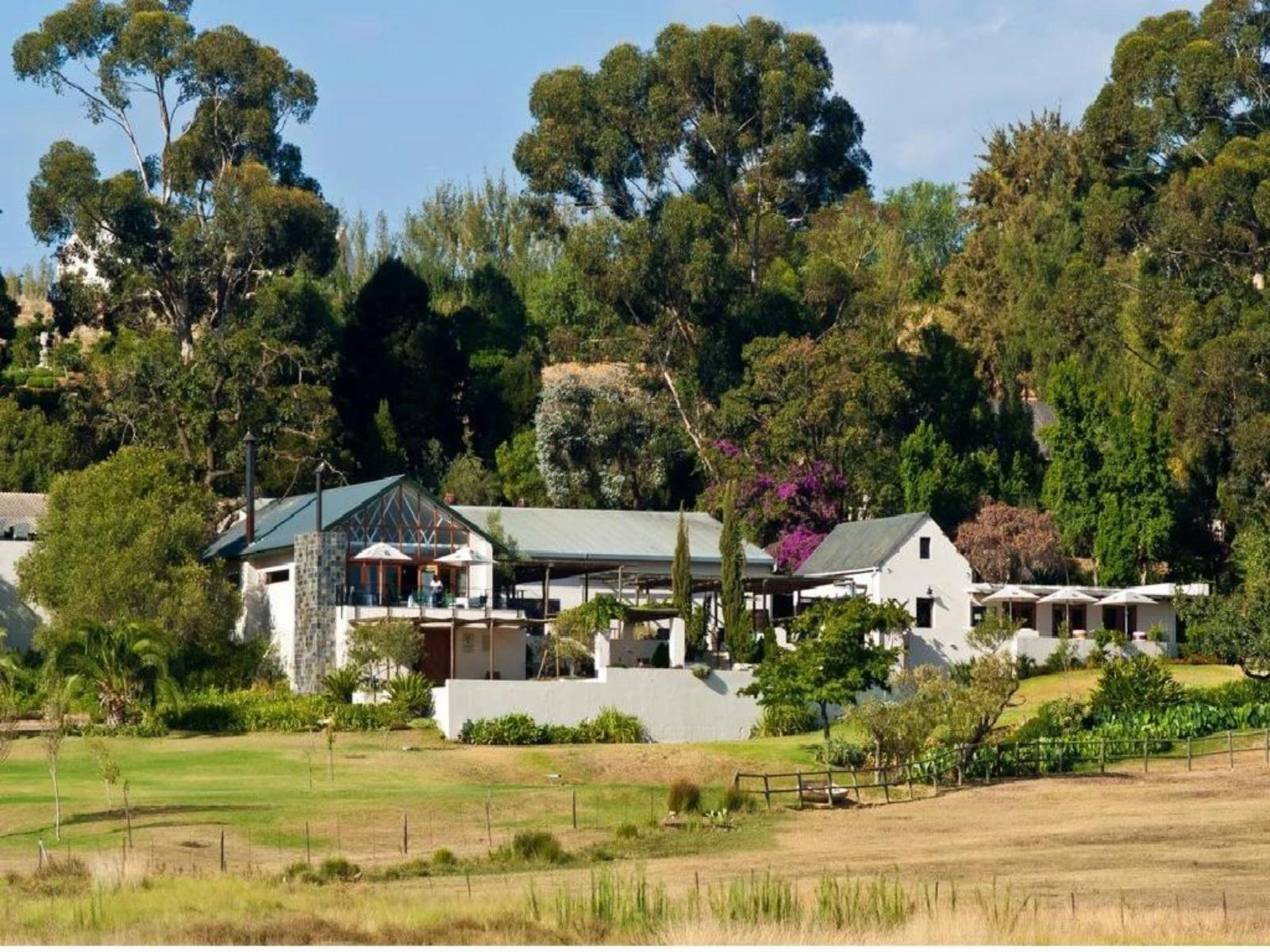
- Falstaff Winery - Listed · 2026
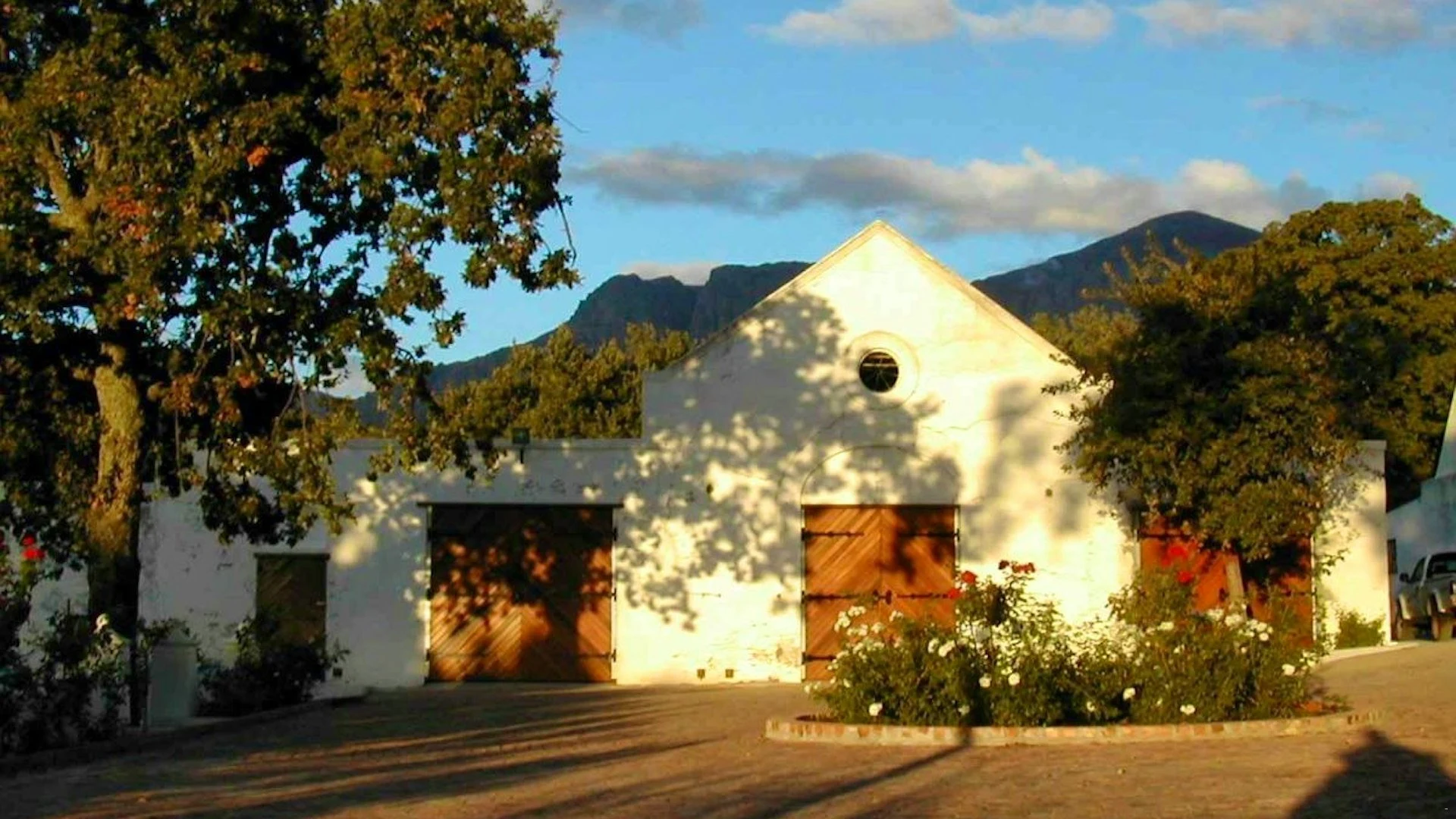
Approaching a Wellington wine estate is less theatrical arrival than scale: vine rows, garden edges, mountain lines, and the slower rhythm of a working farm. Diemersfontein Wine & Country Estate fits that Cape Winelands grammar, but its difference sits in the glass. Wellington has long been a practical farming town as well as a tasting destination, so the wines read as part of a valley economy, not a stage set built only for visitors.
The estate belongs to the South African wine-tourism branch where production, hospitality, and family ownership overlap. Opened in 1947 and run as a third-generation family estate, it has the continuity that gives a tasting room more weight than a simple portfolio pour. The format is broad: tasting room, restaurant, guesthouse, gardens, event spaces, and a working wine-farm setting. That breadth can dilute estates; here, it is better read as a Wellington valley hub with Pinotage at its centre.
Wellington terroir through a Pinotage lens
Pinotage is often treated internationally as South Africa’s calling card, but its reputation spans serious structure, ripe fruit, and the divisive coffee-chocolate style that became commercially powerful in the 2000s. Diemersfontein is tied directly to that last strand as the home of the original Coffee Pinotage. That is the central editorial fact: this is not a producer simply adding Pinotage to a wider Cape portfolio, but an estate whose identity is bound to a particular expression of the grape.
The range gives that identity width. Pinotage sits alongside Chenin Blanc, Sauvignon Blanc, Cabernet Sauvignon, and Malbec, with still red, white, and rosé wines forming the broader frame. In Wellington, where heat, valley exposure, and mountain influence shape ripeness and freshness, that mix makes sense. The reds carry the region’s agricultural confidence; the whites stop the tasting becoming a single-variety exercise. The estate-grown emphasis matters because visitors taste not only a brand but a site through multiple grapes.
The Coffee Pinotage will be the reference point for many visitors, but the smarter approach is to treat it as one chapter in a larger Wellington tasting. Its importance is historical and stylistic: it shows how one producer helped make a specific Pinotage profile legible to a wider audience. For travellers who usually drink Cabernet-led Cape reds or Chenin from better-known districts, this is a useful correction. Wellington’s wine culture is less polished in reputation than some neighbours, yet can be more direct in showing the connection between farm, cellar, and guest experience.
A farm estate where hospitality is part of the wine argument
Cape Winelands have increasingly split between design-forward estates and older farm properties layering tasting, food, lodging, weddings, and cellar-door retail. Diemersfontein sits in the second camp. The atmosphere is informal and elegant in the old country-estate sense: gardens, vineyard views, conversation-level tasting, and enough space for groups without turning the experience into a production line. Outdoor seating and garden-facing areas support its appeal for families, celebrations, and slower group tastings.
That hospitality structure is why the estate works beyond a quick pour. A guesthouse with 30 en-suite rooms, a restaurant, on-site parking, wine education formats, guided and walk-in tasting options, and event facilities give it the practical depth of a full countryside stop. The setting is not trying to mimic a small urban tasting bar; it is a farm visit with infrastructure for lunch, a tasting, a group outing, or an overnight stay.
Music and social upliftment add another layer, helping the estate avoid becoming just another scenic cellar door. Its history includes a long-running association with music, including employee choir activity and support for emerging talent. Thokozani, linked to the estate’s broader story, adds a social empowerment dimension that has become part of how the property presents itself within South African wine. These details are not decorative; they place the estate inside a national conversation about who benefits from wine tourism and how farm hospitality can carry cultural meaning beyond the tasting counter.
How to read it within a Wellington itinerary
For a Wellington wine day, this is a strong anchor when the brief is Pinotage, family-estate scale, and a setting that can absorb mixed groups. It also suits travellers building a wider Cape wine itinerary and wanting a stop that differs from sharper restaurant-led estates elsewhere. The cellar-door proposition is open-allocation rather than scarcity-driven, so the value lies less in chasing rare bottles than in understanding a South African variety through a producer closely associated with one of its most recognisable modern styles.
Readers mapping the area can place it within the wider Wellington wine circuit through Our full Wellington wineries guide, with nearby editorial context from Our full Wellington restaurants guide, Our full Wellington hotels guide, Our full Wellington bars guide, and Our full Wellington experiences guide. For other Wellington wine references, see Bosman Family Vineyards, Diemersfontein, Doolhof Wine Estate, Jacaranda Wine Estate, and Mont du Toit.
For broader wine travel planning, compare the category rather than the estates directly: Cape producers such as 4G Wines in Kapstadt, A. A. Badenhorst Family Wines in Paardeberg, and Aaldering Estate in Stellenbosch show how varied South African wine tourism becomes once visitors move beyond a single valley. Internationally, the contrast with smaller European entries such as »der Steiner« Hans Steiner in Podersdorf am See and & Handwein in Mannheim underlines the point: Diemersfontein is built around estate scale, hospitality breadth, and a recognisable Pinotage signature, not minimalist cellar-door intimacy.
The verdict is clear: choose it for a Wellington visit when the priority is terroir expressed through Pinotage, with a large working estate around the tasting. Travellers seeking a tightly technical, cellar-only appointment may prefer a narrower format elsewhere; those wanting wine, gardens, food, and a sense of the valley in one stop will understand the appeal quickly.
Questions
Frequently asked
How expensive is Diemersfontein Wine & Country Estate?
Diemersfontein Wine & Country Estate is listed at a price level of $$$.
The field
How it compares
| Place | Notes | Awards |
|---|---|---|
| Diemersfontein Wine & Country Estate | Wellington Wine Valley, $$$ | · |
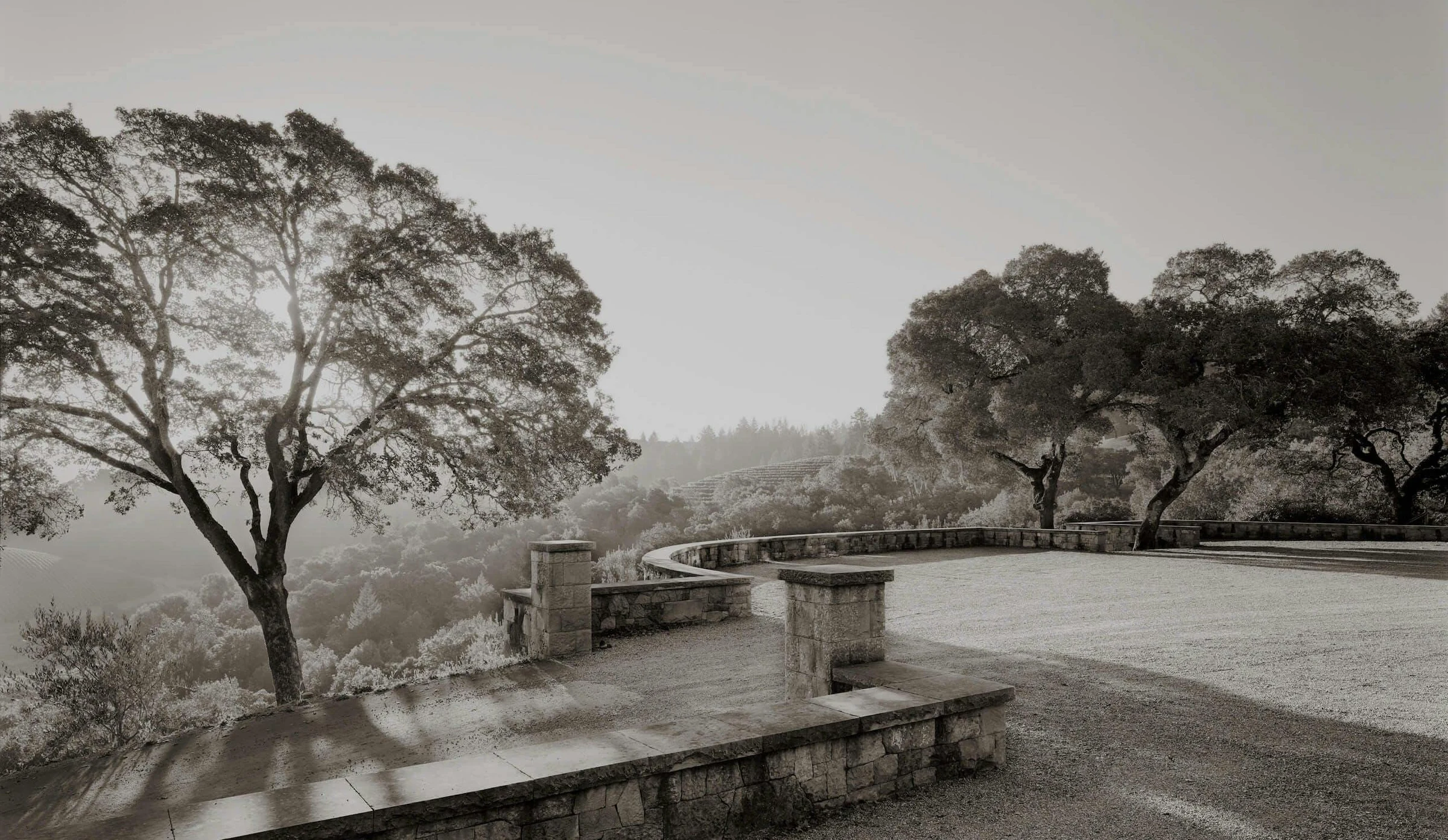
| BOND Winery | Napa | · |
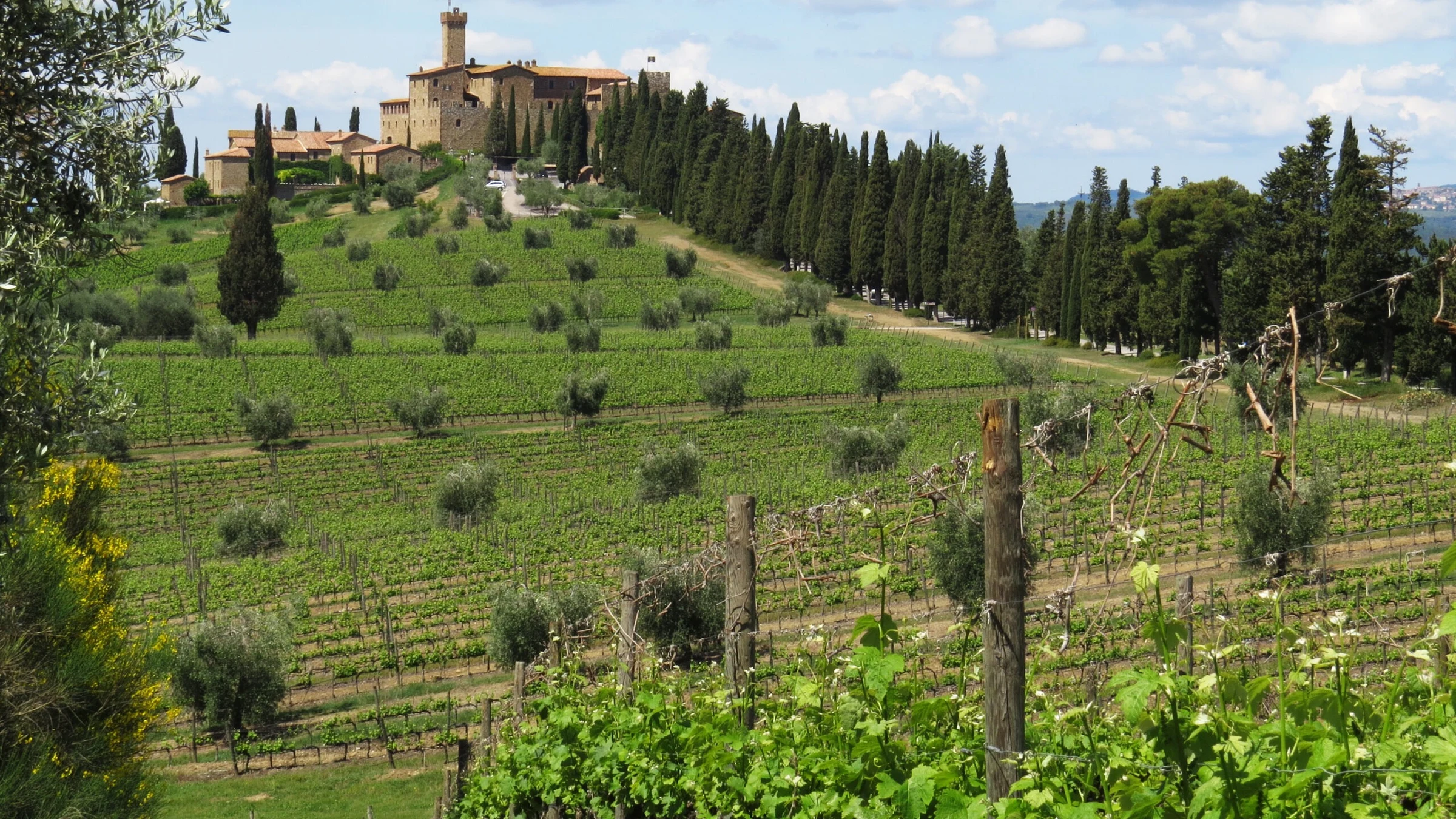
| Castello Banfi | Montalcino | World's 50 Best |
| Doolhof Wine Estate | Wellington | · |
| Jacaranda Wine Estate | Wellington | · |
| Mont du Toit | Wellington | · |
| Nabygelegen Private Cellar | Wellington | · |