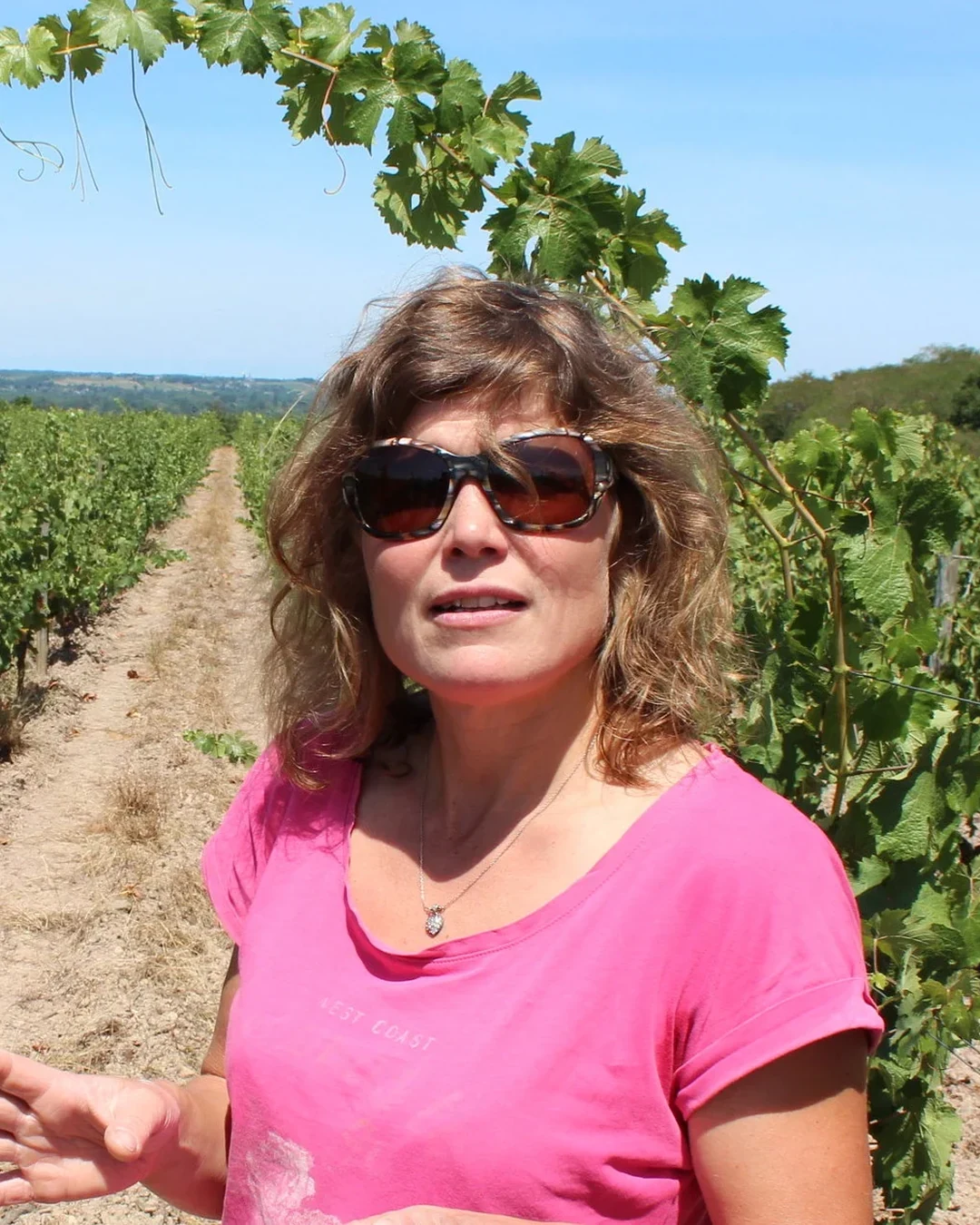
Liv Vincendeau, winemaker at Domäne Vincendeau in Rochefort Sur Loire, works organic Chenin from schist hillsides above the Loire.
The cellar work returns to the same decisions each vintage. Liv Vincendeau, winemaker at Domäne Vincendeau in Rochefort Sur Loire, keeps that repetition close to the vineyard and the vat. German by nationality, she came to the Loire in 2000 to study winemaking, then built a small estate from an old farmhouse and a parcel above the town. The house remains owner-operated, with Vincendeau working as both owner and winemaker rather than as a stylist passing through another person’s fruit.
Her post has held since 2014, long enough for continuity to become part of the wine’s structure. The estate sits in Anjou, above the Loire, on the corniche angevine, where steep schistous hillsides put Chenin Blanc at the center of the work and leave room for Grolleau Noir, Cabernet Franc, and Gamay. Vincendeau’s own line is spare, “I love Champagne and I admire the wines.” At this address, that reads less like a declaration than a measure of taste: pressure, line, finish, and the patience to let a wine earn them.
Domäne Vincendeau converted its vineyard to organic practice from the outset, and the cellar follows with low-intervention choices rather than cosmetic ones. Vincendeau works with estate-grown fruit, native yeast fermentation, and very little sulfur. The Chenin Blanc parcels carry vine ages from 10 to 80 years, a wide span for one grape to speak through, especially on schist soils that hold heat through the day and release it after dusk.
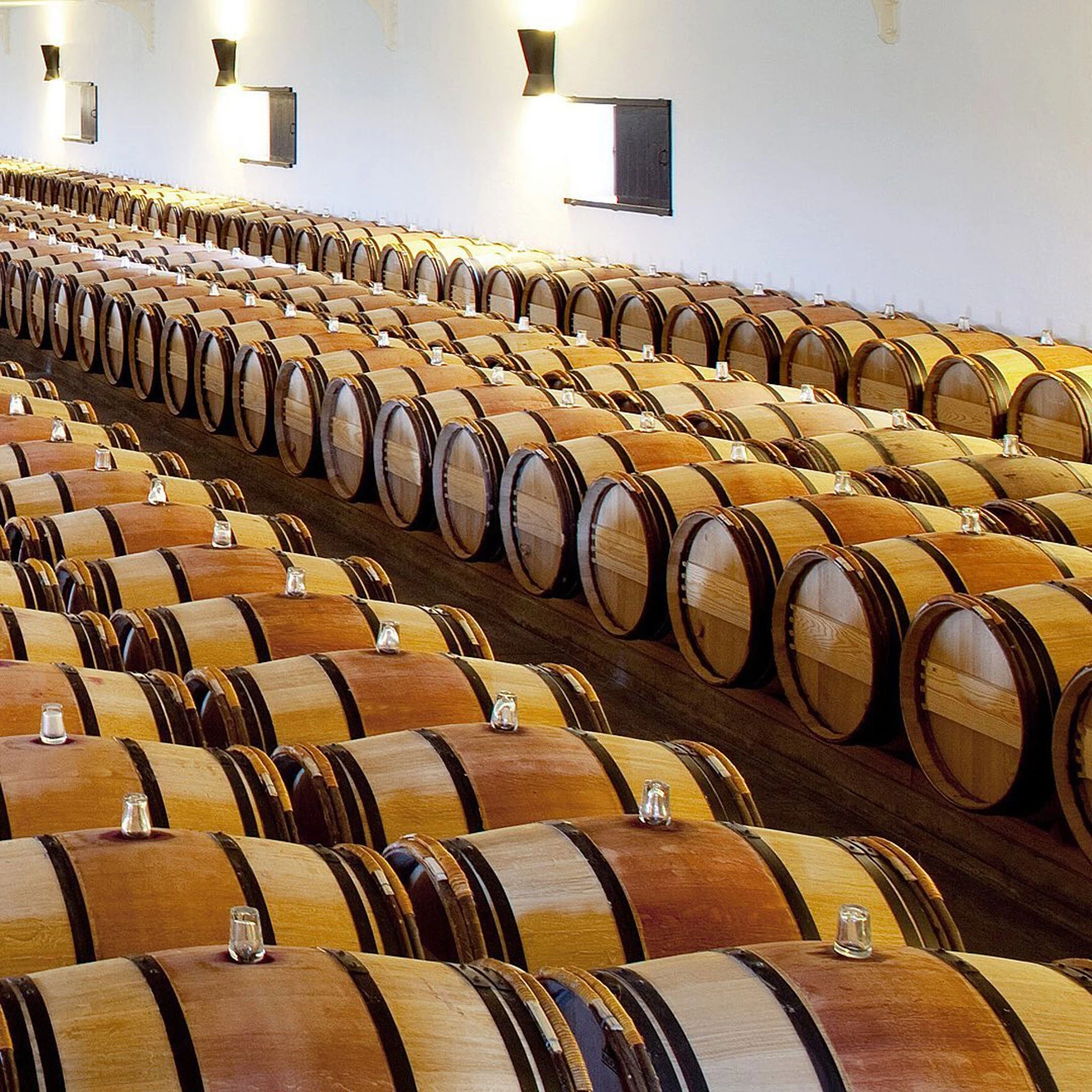
The vessels shift with the wine. Fermentations can take place in large oak vats of 400L, not for ornament, but for a slower, steadier exchange during the making. Aging moves through large oak vats, small oak barrels, and sandstone eggs according to cuvée and variety. Cabernet Franc may be divided among sandstone eggs, 400L barrels, and small oak vats before blending, a method that keeps fruit and structure in conversation without forcing extraction. Most wines age for 8 months, while Les Quartiers may stay 2 years or more. The point is not uniformity. It is judgment at the bench.
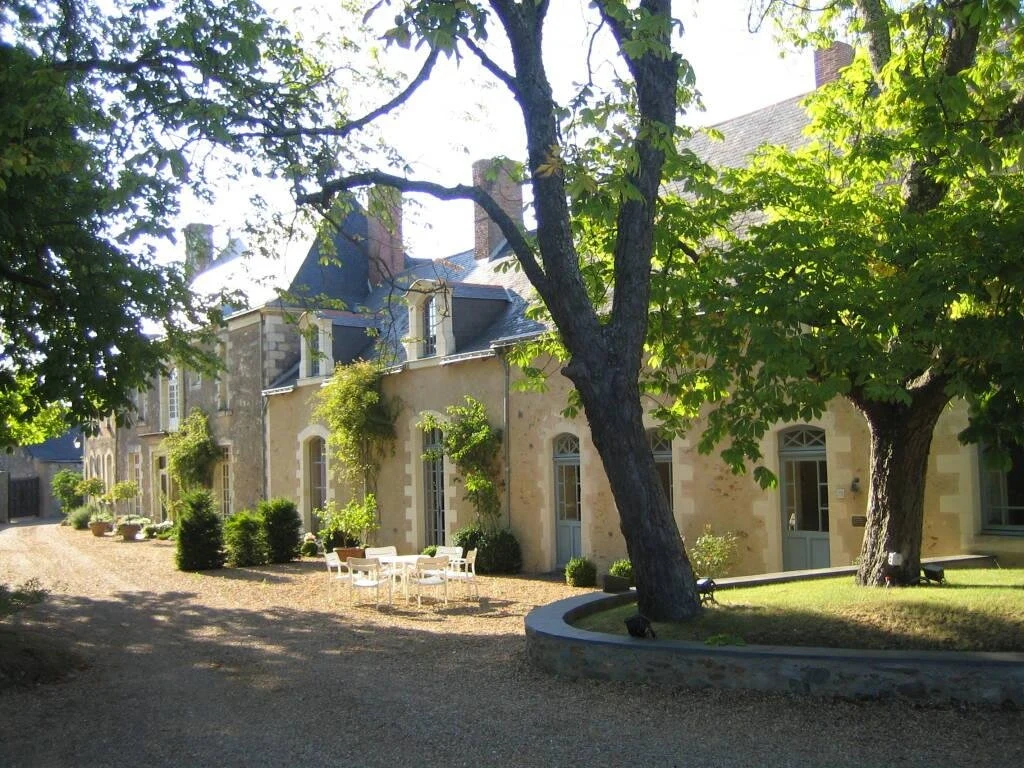
The domaine keeps the scale of the old farmhouse that anchors it. The cellar has the feel of a working hamlet rather than a polished tasting room, with the Loire nearby and the vineyards lifting above Rochefort-sur-Loire on rocky ground. This is not a place built around distance from the work. The vines, the cellar, and the person responsible for both remain close enough for a tasting to feel bench-side, even when the subject is soil, yeast, or the shape of a vintage.
In the glass, the range moves through Loire Gold 2020, Rosa 2020, Zeitlos 2018, and Le Raguenet 2018, with Chenin Blanc as the fixed point and the other varieties widening the register. If the next move is not announced, the craft gives enough to follow: the same hillside, the same cellar, and Liv Vincendeau returning to Loire Gold 2020.
Rochefort sur Loire, Center-Val de Loire, Frankreich
Les Lombardières / corniche angevine