Chef in Residence
Alex Moreau
Winemaker

Sixth-generation Burgundy domaine holding parcels in Chassagne-Montrachet, Montrachet grand cru, and Saint-Aubin. Alex Moreau in cellar.
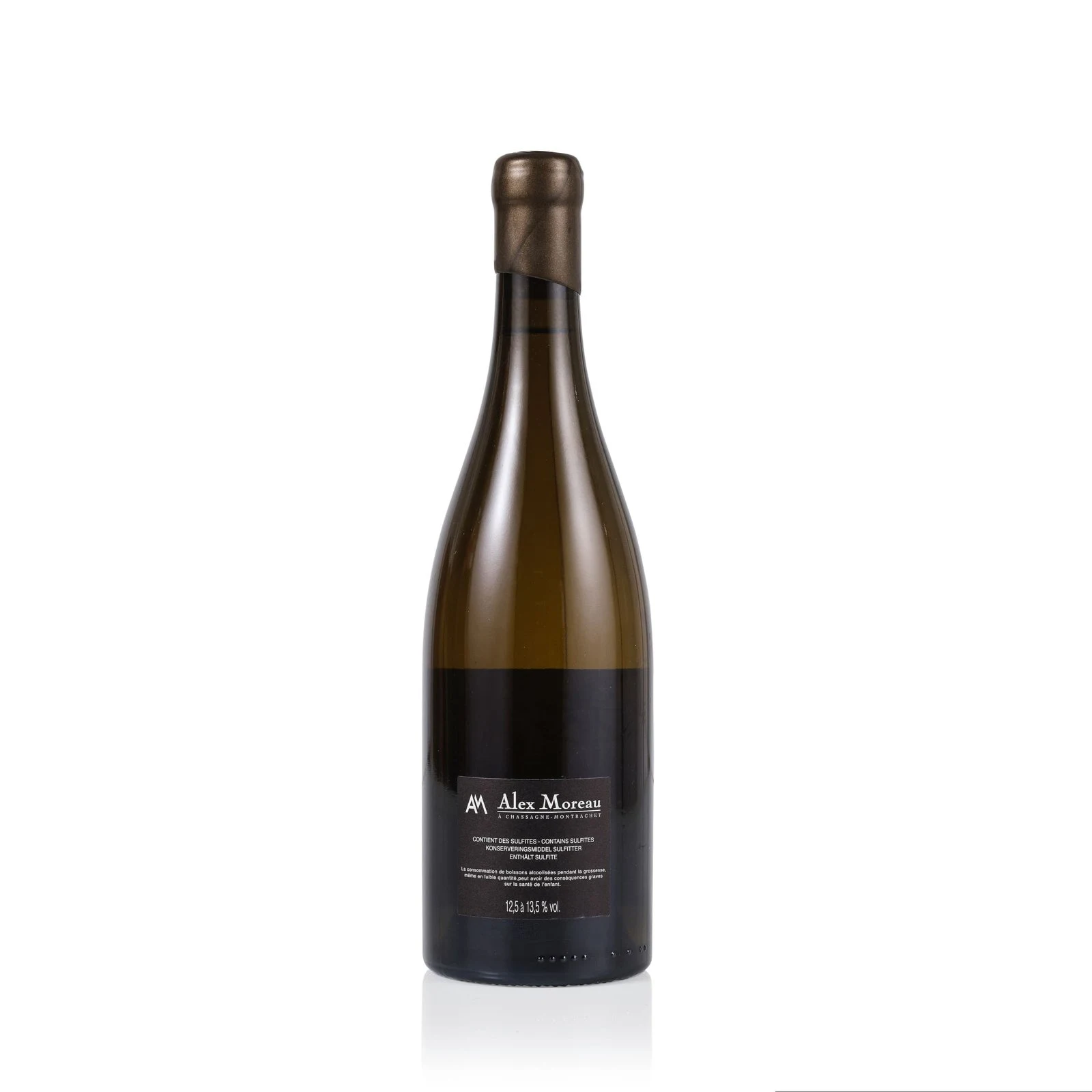
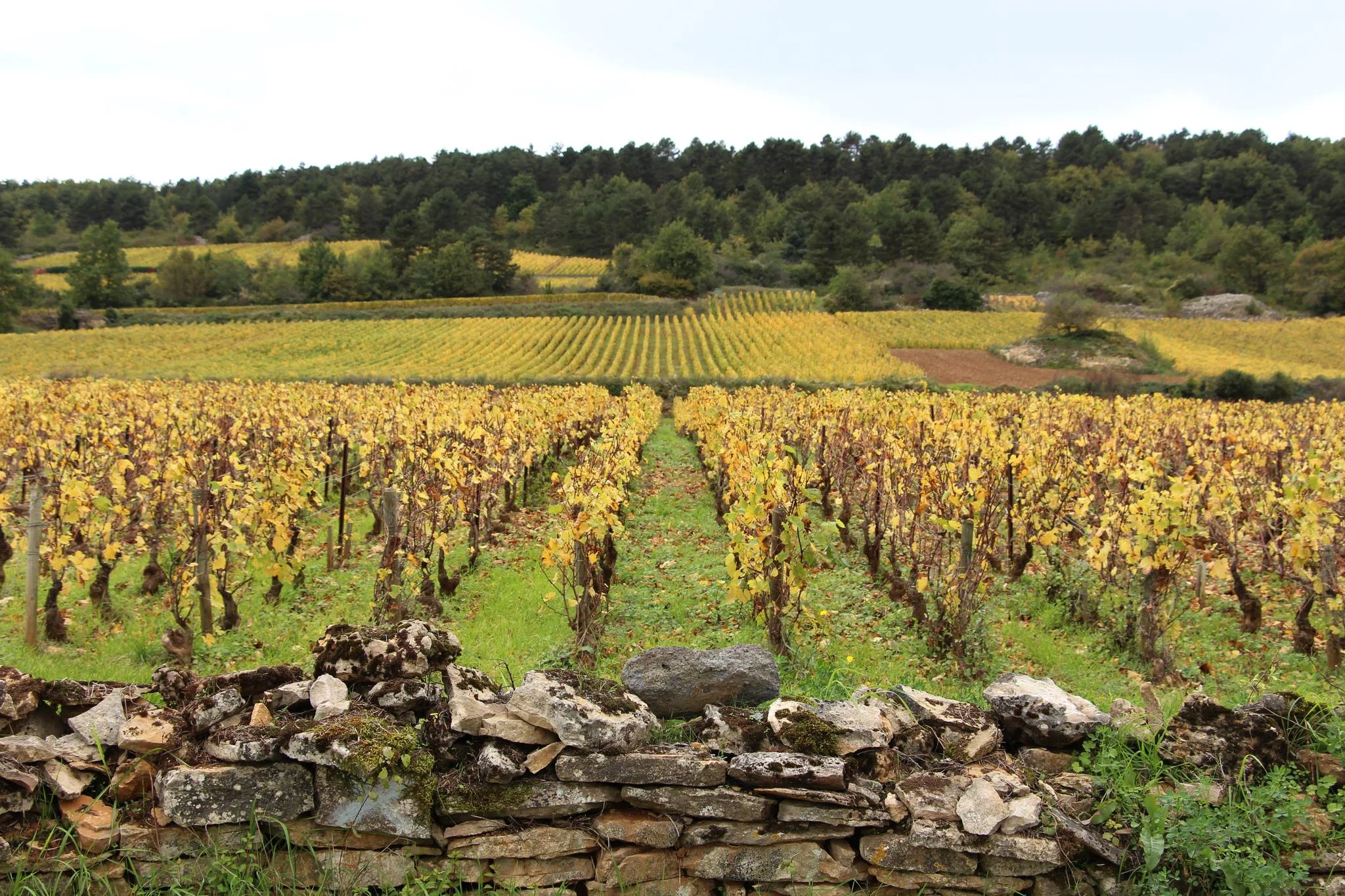
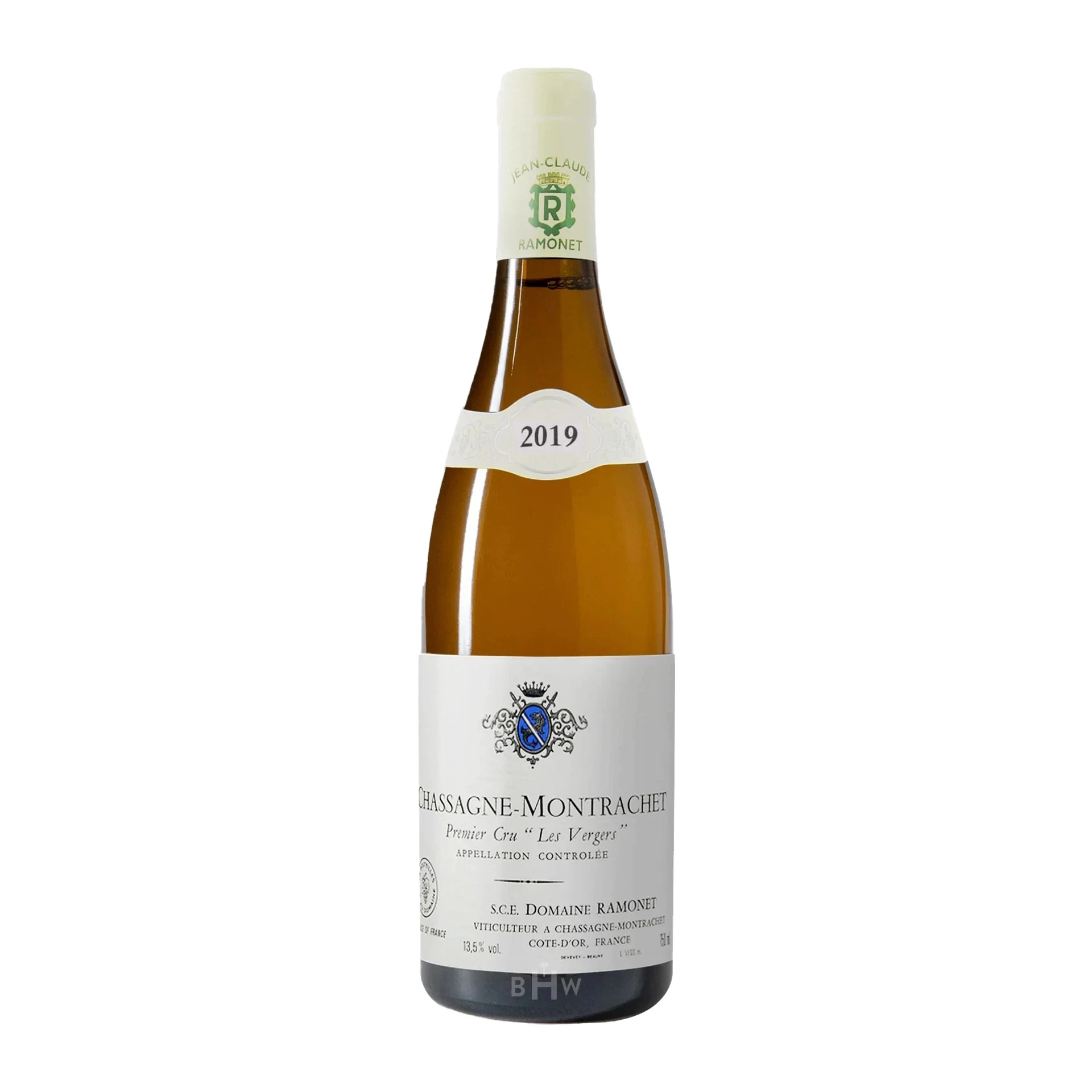
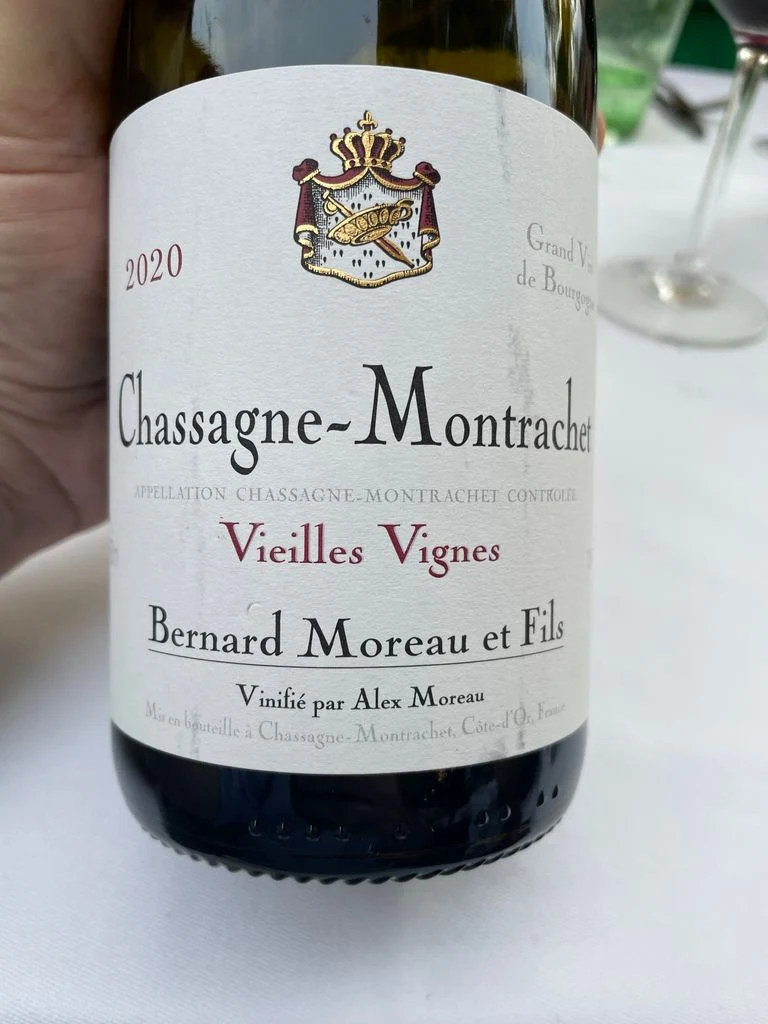
The Burgundy négociant-éleveur tradition that dominated the Côte d'Or through the nineteenth and early twentieth centuries has now largely ceded the region's reputation to domaine-bottled production, but the lineage of family-held estates working their own parcels extends back further than most maps acknowledge. Domaine Bernard Moreau in Chassagne-Montrachet sits inside that long line of family continuity: the estate traces its working history to 1809, making it one of the oldest continuously operated domaines in the commune. Alex Moreau currently runs the cellar, representing the fourth generation of the family on the estate's holdings across Chassagne-Montrachet, Montrachet, and Saint-Aubin appellations. The domaine's structure reflects the typical Burgundy smallholder pattern, a patchwork of parcels accumulated through inheritance and marriage alliances over two centuries, worked entirely from estate-owned fruit, and bottled under the family name. Chassagne-Montrachet sits at the southern end of the Côte de Beaune, where the limestone ridge that defines Burgundy's premier and grand cru architecture begins its descent toward the Saône valley. The commune's reputation rests on white Chardonnay from hillside parcels, though red Pinot Noir from the flatter southern sectors accounts for roughly half the appellation's production. The grand cru Montrachet itself, split between Chassagne and Puligny, anchors the appellation's prestige, with premier cru sites such as Les Caillerets, Les Ruchottes, and Morgeot forming the second tier. Domaine Bernard Moreau holds parcels across this hierarchy: village-level Chassagne-Montrachet blanc and rouge, premier cru holdings in Morgeot and Les Fairendes, and a small parcel in the grand cru Montrachet itself. The estate also works holdings in the adjacent Saint-Aubin appellation, where altitude and exposure produce a leaner, more mineral-driven Chardonnay profile than the richer Chassagne style. The Moreau family lineage is entangled with several other prominent Chassagne families, the Pillots, the Ramonets, the Caills, through marriages and vineyard divisions that date to the pre-phylloxera era. Bernard Moreau, the estate's namesake, took over the domaine in the mid-twentieth century and expanded the holdings through acquisitions in the 1960s and 1970s, a period when many Burgundy estates consolidated their holdings as négociant power waned. His son, also named Bernard, succeeded him in the 1980s and ran the cellar until the early 2000s, when Alex Moreau assumed full control in 2020. This succession pattern, father to son across three generations within living memory, is typical of the Burgundy estate structure, where working knowledge of specific parcels accumulates across decades and where cellar decisions reflect multi-generational memory of how individual vineyards behave in drought years, wet years, and cool years. Alex Moreau's cellar practice sits inside the modern Chassagne mainstream: hand-harvesting across all parcels, whole-cluster pressing for whites, indigenous yeast fermentation in barrel, and a relatively low new-oak regime. The estate's white wines are fermented in 228-liter Burgundy pièces, with new oak percentages held to 20 to 30 percent for premier cru bottlings and 30 to 40 percent for the Montrachet grand cru. Reds are vinified in open-leading cuves with manual pigeage and spend less time in new oak than the whites, typically 15 to 25 percent new wood depending on the vintage. Élevage runs twelve to fifteen months for village wines and fifteen to eighteen months for premier and grand cru bottlings, with a light fining using bentonite or egg whites but no filtration at bottling. This oak and aging protocol places the estate closer to the restrained Ramonet style than to the richer, more reductive approach associated with domaines such as Jean-Noël Gagnard or the higher-toast oak regimes of some New World-influenced producers who entered Chassagne in the 1990s. The estate's holdings in Montrachet itself amount to less than 0.20 hectares, a single row within the grand cru, inherited through the Moreau family's marriage ties to another Chassagne lineage. Production from this parcel runs fewer than 100 cases per vintage, and the wine is allocated almost entirely to long-standing négociant and private clients rather than distributed through open retail channels. The Montrachet bottling is the estate's prestige cuvée and commands secondary-market pricing in line with other small-holder Montrachet producers, typically two to three times the release price of a premier cru Chassagne from the same cellar. The estate's premier cru Morgeot bottling, by contrast, is produced in larger volume (approximately 400 to 600 cases per vintage depending on the year) and represents the estate's most widely distributed wine in European and US markets. Morgeot is a large premier cru climat that spans more than 150 hectares and includes multiple sub-parcels with distinct soil profiles; the Moreau family's Morgeot holdings sit in the mid-slope sector where the limestone subsoil is closest to the surface and where the Chardonnay profile typically shows more minerality and less fruit-forward richness than parcels lower on the slope. The Saint-Aubin holdings are newer additions to the estate's portfolio, acquired in the 1980s when land prices in the adjacent appellation were a fraction of Chassagne values. Saint-Aubin sits at higher elevation and on cooler exposures than Chassagne, and the appellation's premier cru sites, Les Frionnes, En Remilly, Murgers des Dents de Chien, produce white wines with higher acidity and more pronounced minerality than the Chassagne profile. The estate's Saint-Aubin premier cru bottling is priced at roughly 60 to 70 percent of the Chassagne premier cru Morgeot, reflecting the appellation's lower prestige in the Burgundy hierarchy, but the quality difference is narrower than the price gap suggests. For buyers seeking the limestone-driven Chardonnay profile that defines the Côte de Beaune without the Chassagne or Puligny price premium, Saint-Aubin from estates such as Domaine Bernard Moreau, Hubert Lamy, or Marc Colin represents the best value inside the southern Côte de Beaune. Domaine Bernard Moreau's production volume sits at approximately 4,000 to 5,000 cases per year across all cuvées, making it a mid-sized estate by Chassagne standards. Larger domaines such as Ramonet or Vincent Dancer produce roughly twice that volume, while smaller family holdings such as Fernand et Laurent Pillot or Benoît Moreau produce fewer than 3,000 cases. The estate's distribution is split between traditional European négociant channels (approximately 40 percent of total production), direct sales to French restaurants and private clients (30 percent), and export markets in the US, UK, Japan, and northern Europe (30 percent). The estate does not operate a tasting room open to walk-in visitors, and cellar visits are by appointment only, typically arranged through importing distributors or trade contacts rather than through direct consumer outreach. This access structure is standard for working Burgundy domaines of this scale: the estate's primary commercial relationship is with the trade rather than with end consumers, and the allocation of limited-production cuvées such as the Montrachet or the premier cru Caillerets follows long-standing client relationships rather than open retail availability. The estate's peer set within Chassagne includes domaines with similar holdings structures and similar family-succession lineages: Domaine Paul Pillot, Domaine Fontaine-Gagnard, Domaine Marc Morey, and Domaine Michel Niellon all work parcels across the same premier cru and village-level sites, all bottle under their own labels, and all operate at comparable production volumes. The stylistic range within this peer set is narrower than the range across Burgundy as a whole, all work inside the restrained-oak, indigenous-yeast, minimal-intervention framework that defines modern Chassagne, but small differences in oak regime, lees-stirring frequency, and bottling timing produce distinct profiles. Domaine Bernard Moreau sits toward the mineral-driven, lower-oak end of the spectrum, closer to Ramonet's austere profile than to the richer, more fruit-forward style of Fontaine-Gagnard or the higher-toast oak of some Niellon bottlings. For sommeliers building a Chassagne section on a Burgundy-focused list, the estate's premier cru Morgeot and the Saint-Aubin premier cru bottlings offer classic expressions of the commune's limestone-driven Chardonnay at pricing well below the grand cru tier. The estate's recognition in the trade press has been steady rather than meteoric. Burghound (Allen Meadows) scores for the estate's premier cru whites typically fall in the 89 to 92 range, with the Montrachet grand cru scoring in the mid-90s in strong vintages. Vinous (Neal Martin and subsequently Josh Raynolds) has covered the estate intermittently, with similar scoring patterns. The estate does not appear in the top tier of Burgundy allocations that drive secondary-market speculation, it is not in the Leroy / DRC / Rousseau / Roumier tier, nor in the second tier of cult producers such as Coche-Dury or Leflaive, but it sits comfortably inside the upper-middle rank of Chassagne producers whose wines are sought by trade buyers for restaurant lists and by collectors building Burgundy cellars with an eye toward drinking windows rather than investment returns. The estate's continuity across four generations positions it inside the longer Burgundy transmission that stretches back to the post-phylloxera replanting era and, in some parcels, to pre-phylloxera rootstock selections. The 1809 founding date places the estate's origins in the Napoleonic period, when Burgundy's ecclesiastical holdings were being subdivided and sold to private families following the French Revolution. The Moreau family's accumulation of parcels across Chassagne and Saint-Aubin over the subsequent two centuries reflects the typical Burgundy pattern of inheritance division and marriage consolidation, producing a holdings map that makes no geographic sense, parcels scattered across multiple climats, worked from a single cellar in the village center, but that reflects the social and legal history of land transmission in the region. For trade buyers and collectors who value lineage and continuity over stylistic innovation, this depth of family history is itself a trust signal: the estate is not a recent entry into the appellation, not a négociant label launched in the 1990s, and not a financial vehicle for outside capital. It is a working family domaine with two centuries of unbroken operation on the same parcels.
Chassagne-Montrachet, Bourgogne-Franche-Comté, Frankreich
Chassagne-Montrachet