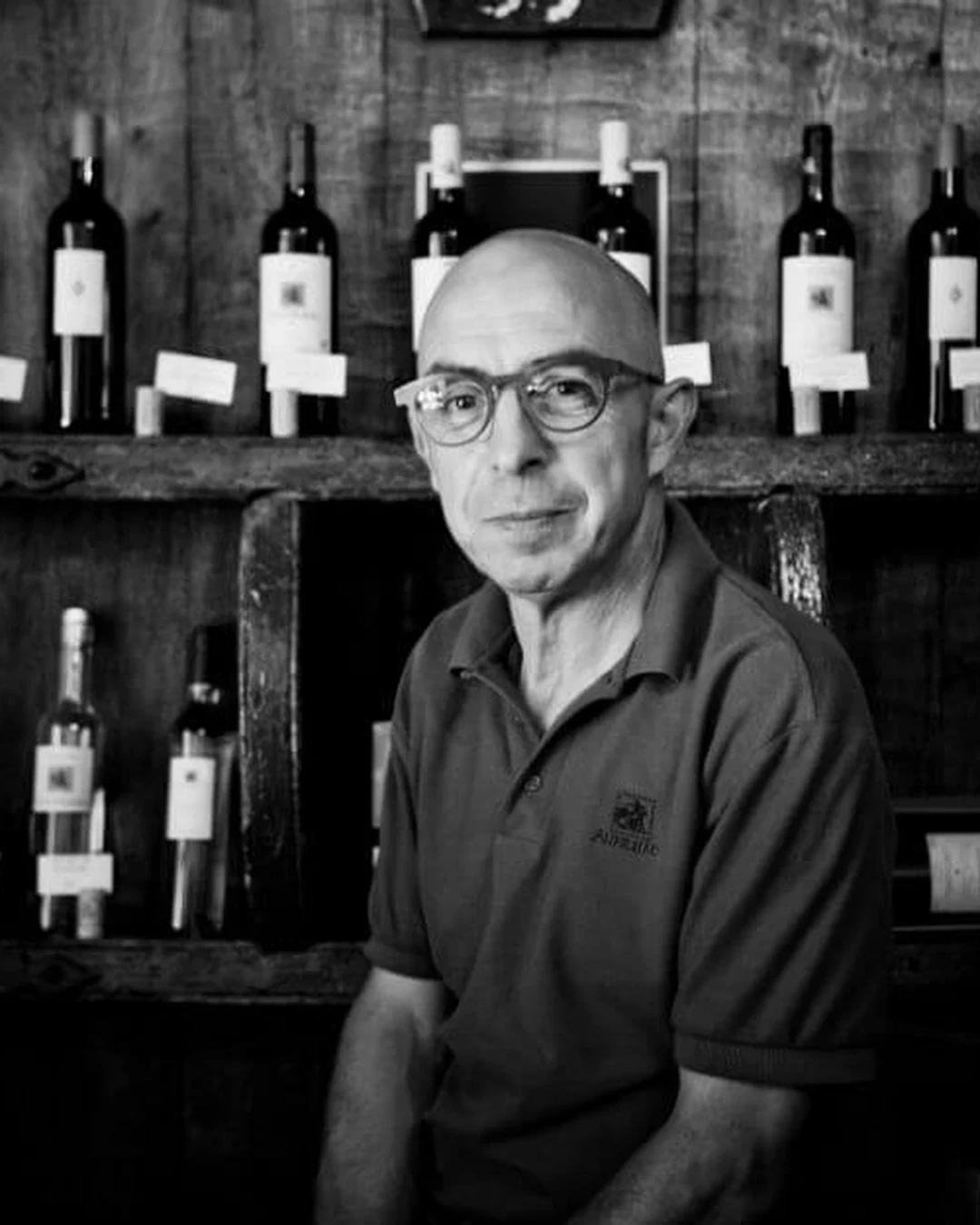
Sylvain Fadat, winemaker at Domaine D’Aupilhac in Montpeyroux, farms biodynamically and keeps Carignan close to the cellar there.
Carignan stays at the center of the work as Sylvain Fadat, winemaker at Domaine D’Aupilhac in Montpeyroux, lets the vineyard set the pace. He founded the estate in 1989, after the Fadat family had already worked this ground for generations, and he has kept the method close to the vines: farm first, intervene lightly, let the fruit arrive without being pushed into shape. His own line is plain enough to stand as cellar law: “We believe that work in the vineyards has far more influence on a wine's quality than what we do in the cellar.”
The estate is family-run, with Désirée Fadat working alongside him, and its name comes from Aupilhac, the lieu-dit that gives the house its axis. The place sits in Montpeyroux, at the foot of the Larzac plateau, where hillside exposure and altitude hold freshness in fruit that could otherwise lean too far into weight. Fadat’s discipline has been to keep that lift. The house farms organically and biodynamically, with certification since 2014, and the work reads as continuity rather than conversion: the hand in the vineyard, the restrained cellar, the long view of a wine meant to age without losing its first tension.
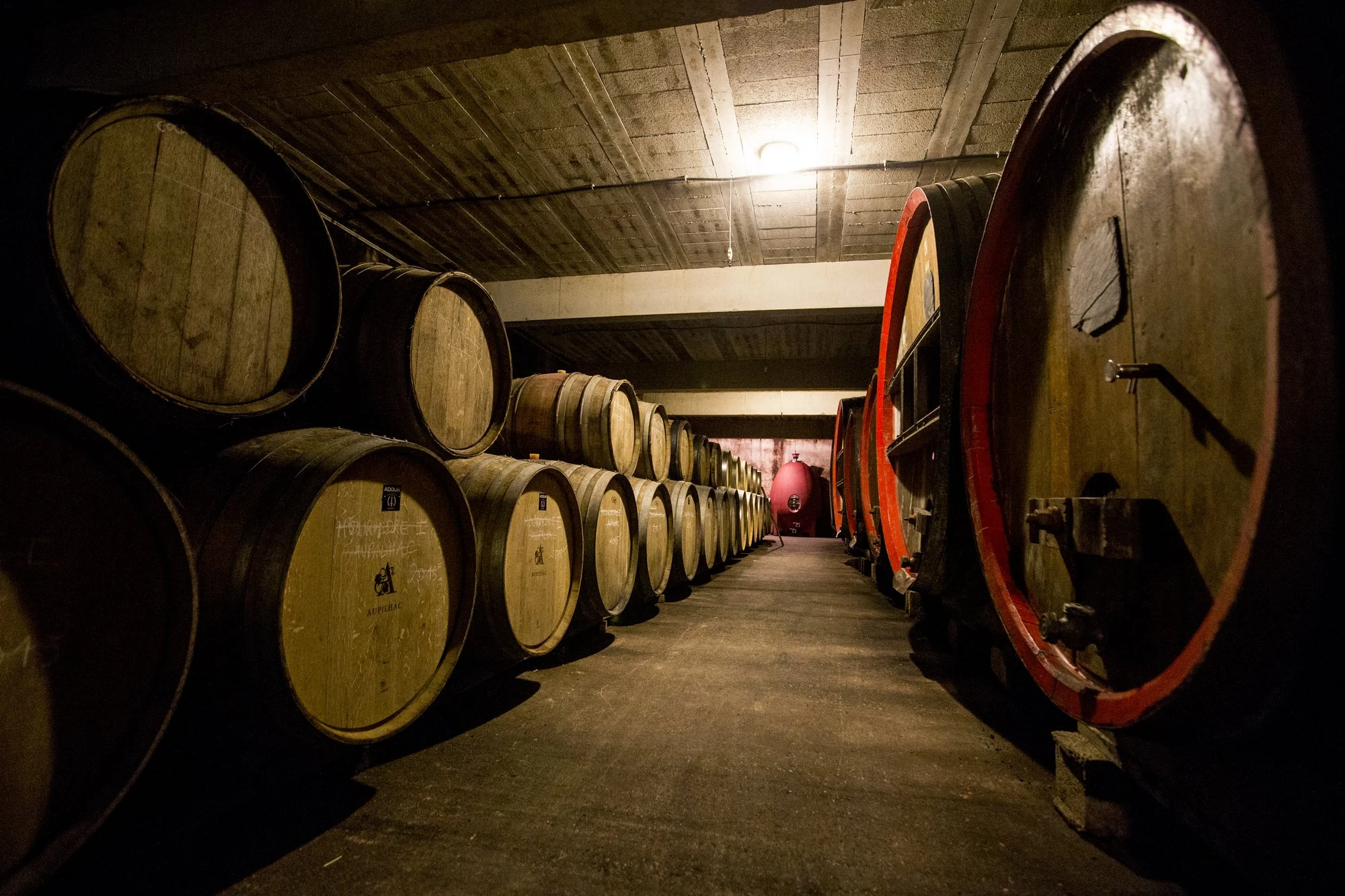
The cellar does not ask for spectacle. The juice ferments with native yeast, then the wine spends more than a year ageing in neutral casks, a sequence that keeps the method legible without making it the subject. Domaine D’Aupilhac produces around 11,000 cases annually, a scale that still leaves the estate in the register of family decisions rather than industrial habit. Grenache, Mourvèdre and Syrah carry much of the Montpeyroux AOC work, while Carignan remains the grape most closely tied to Fadat’s identity.
Les Cocalières gives the clearest view of the estate’s higher-altitude argument. In the 2018 vintage, the wine is described through freshness, red fruit, spice and scrubland notes, all terms that belong to the slope as much as to the vat. The point is not to erase the Mediterranean character of the fruit, but to keep it drawn tight enough for time. Fadat’s cellar choices follow that logic: native fermentation, neutral wood, patience. The wine is not polished into ease. It is allowed to keep its edges.
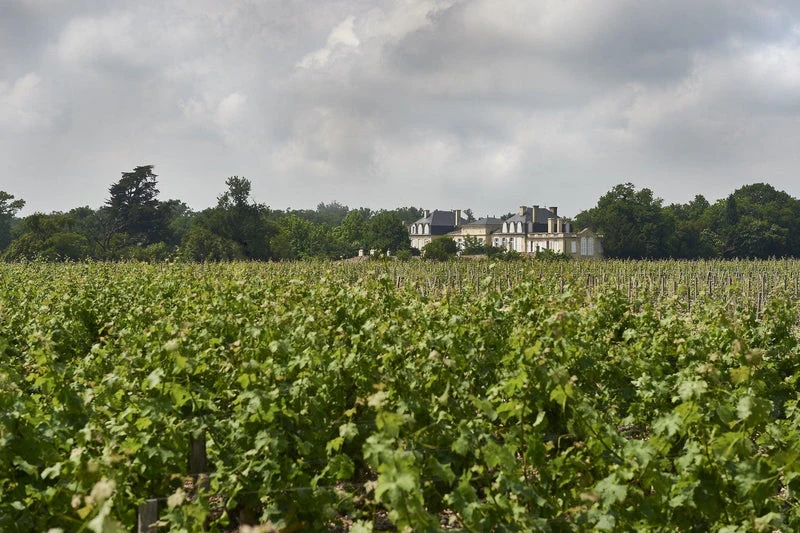
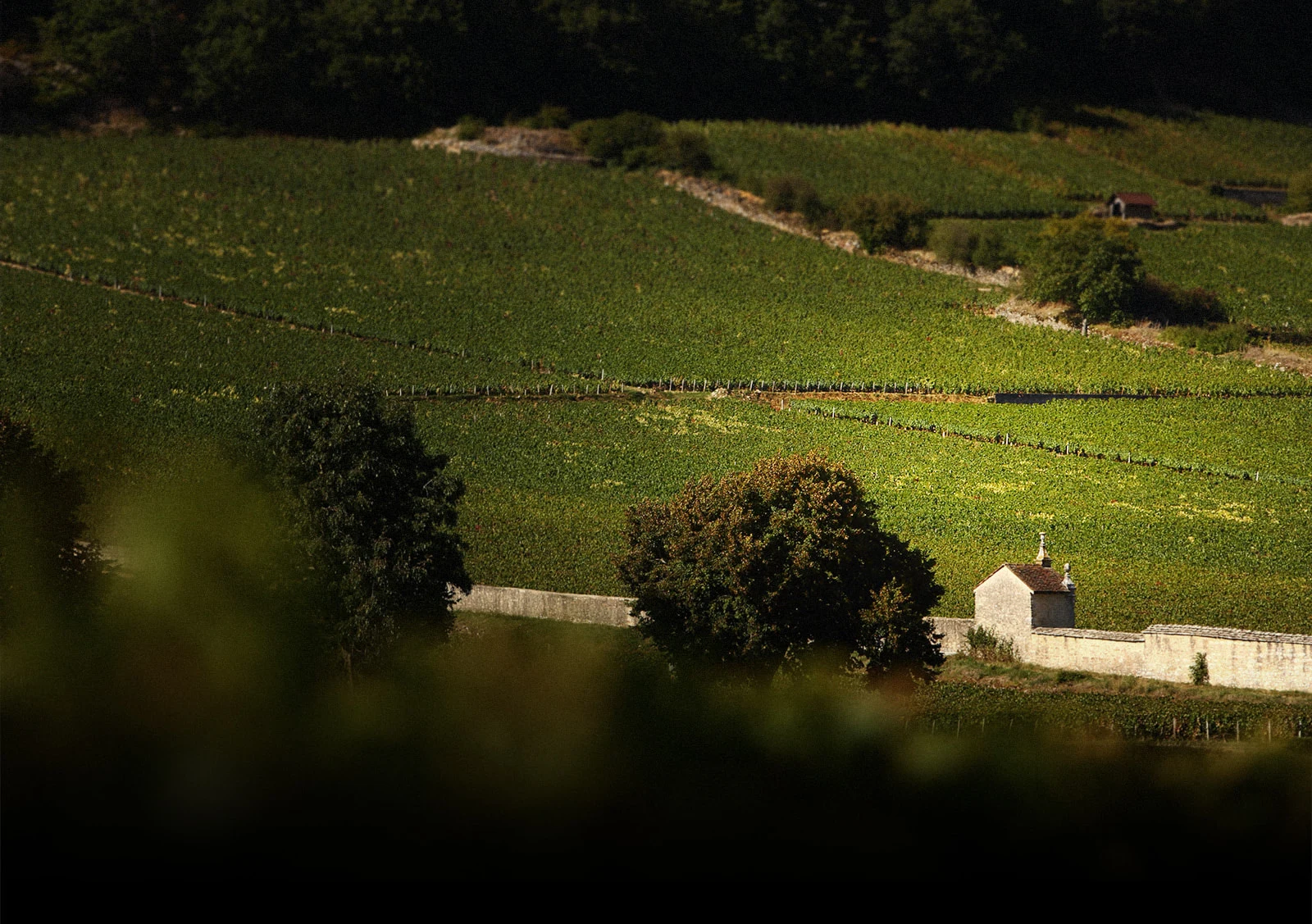
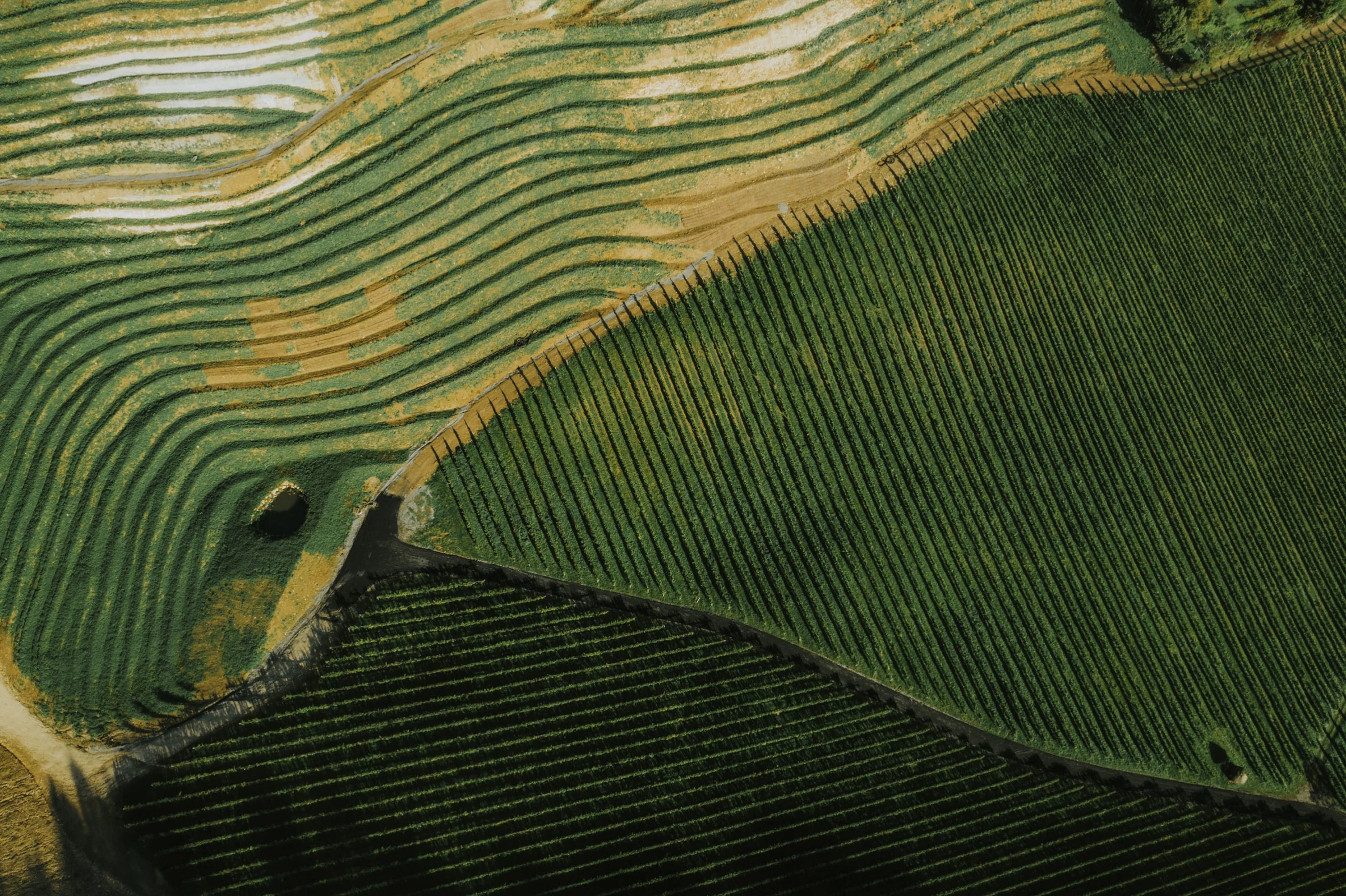
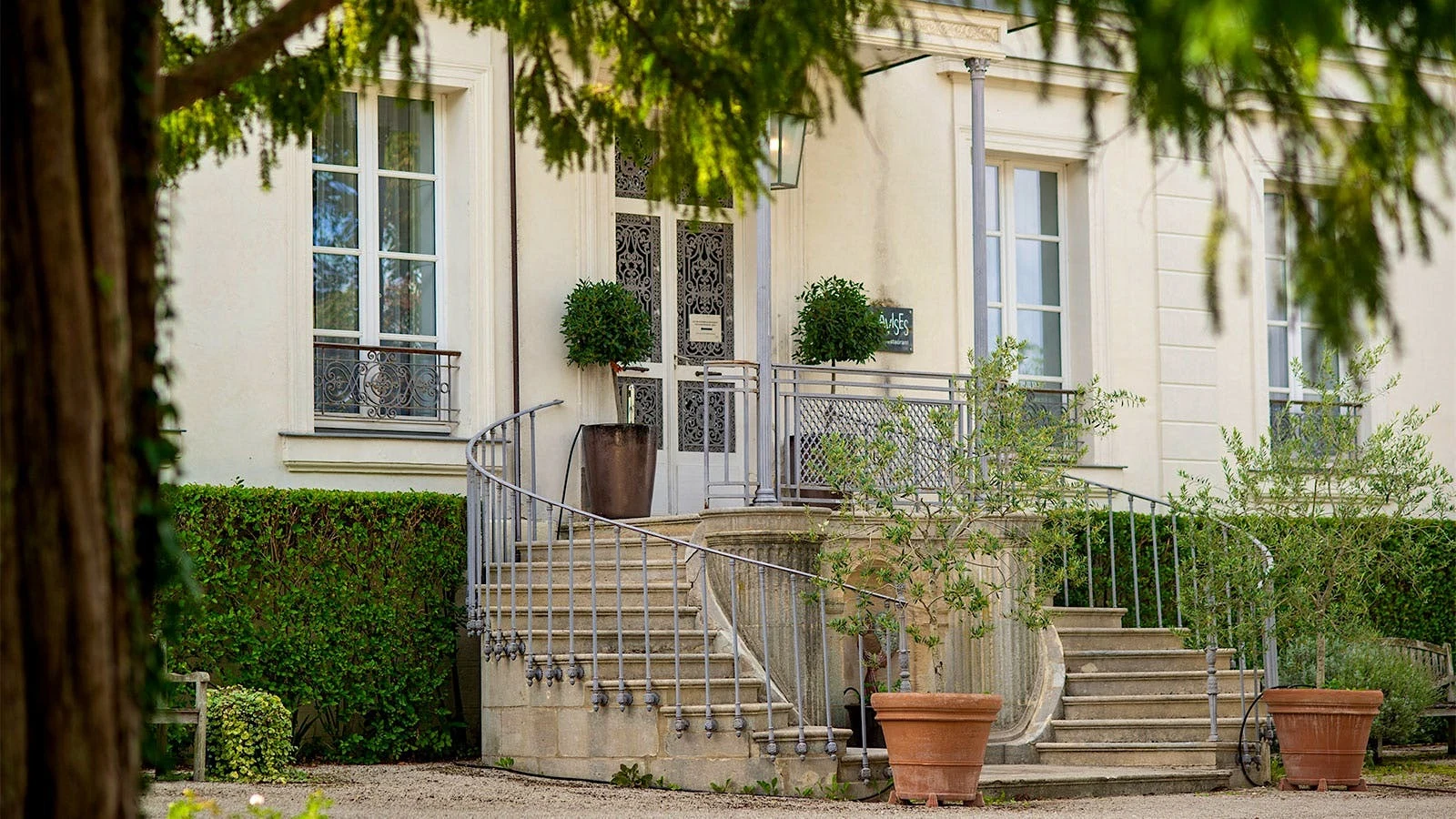
The vineyard surrounds the work with more authority than the building does. Montpeyroux lies north-west of Montpellier, with the Aupilhac lieu-dit set across the river Hérault, and the estate’s core plot is given as 18 hectares. The room of the place is really the hillside: vines taking sun, air moving down from the Larzac plateau, rows positioned for exposure, ripeness checked by elevation. That physical restraint is what the glass keeps returning to.
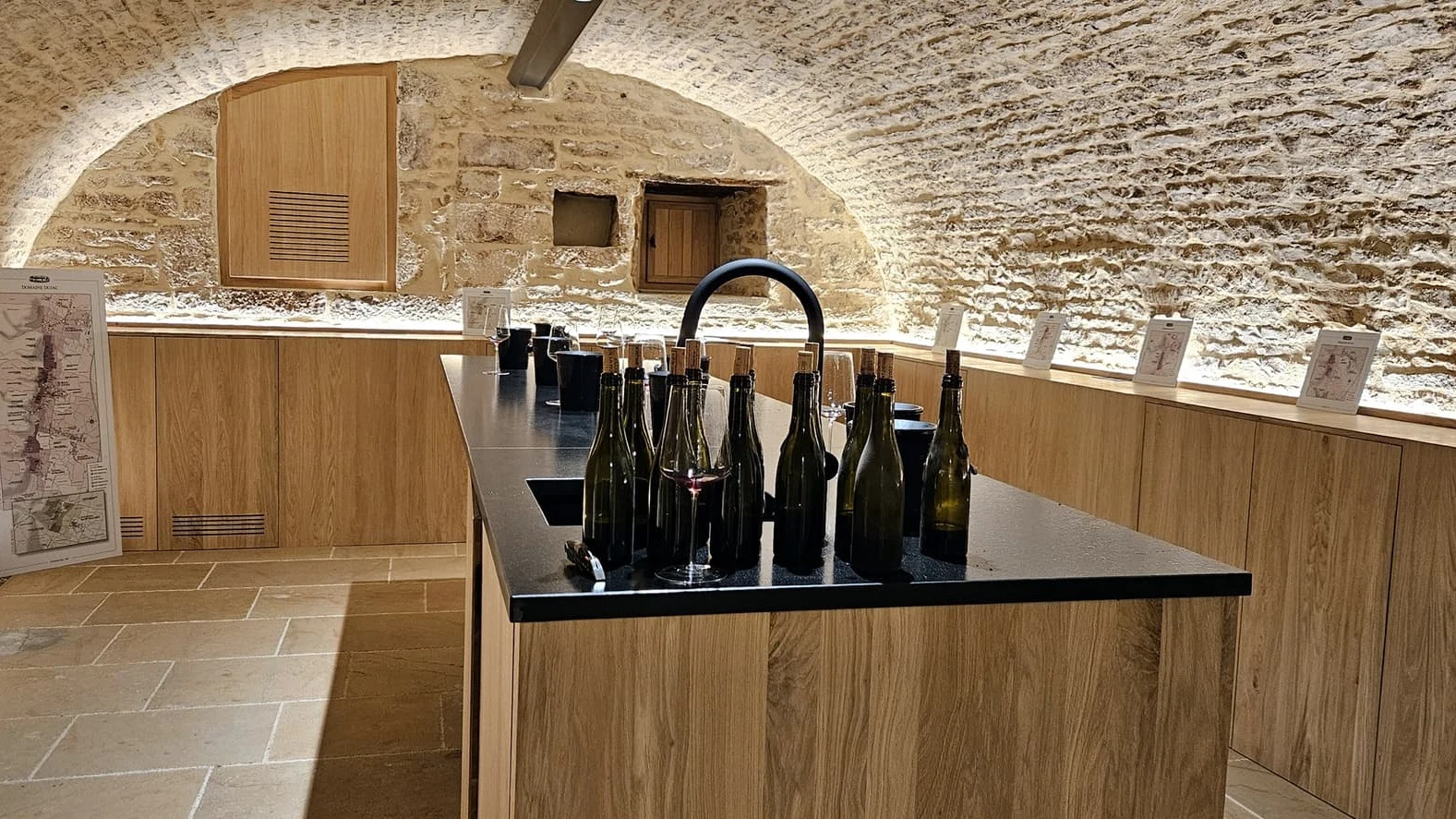
Inside the cellar, the atmosphere follows the farming. Quiet, family-run, without theatrical cues, it holds to the useful things: fruit coming in from biodynamic parcels, ferments starting on their own yeasts, casks doing patient work rather than speaking over the wine. The tasting room, when the estate receives visitors, is secondary to the vineyard visit. The bench here is the slope.
Domaine D’Aupilhac matters because it gives Montpeyroux a voice without separating craft from farming. The estate’s roots reach back through the Fadat family and the older history of vines in this village, but the current grammar belongs to the choices made since 1989: biodynamic farming, native yeast, neutral cask, Carignan held in the foreground. If there is a next movement to read, it is in how those choices continue to shape Les Cocalières.
Montpeyroux, Languedoc, Occitanie, Frankreich
Montpeyroux