- Falstaff Winery - 4 Stars · 2026
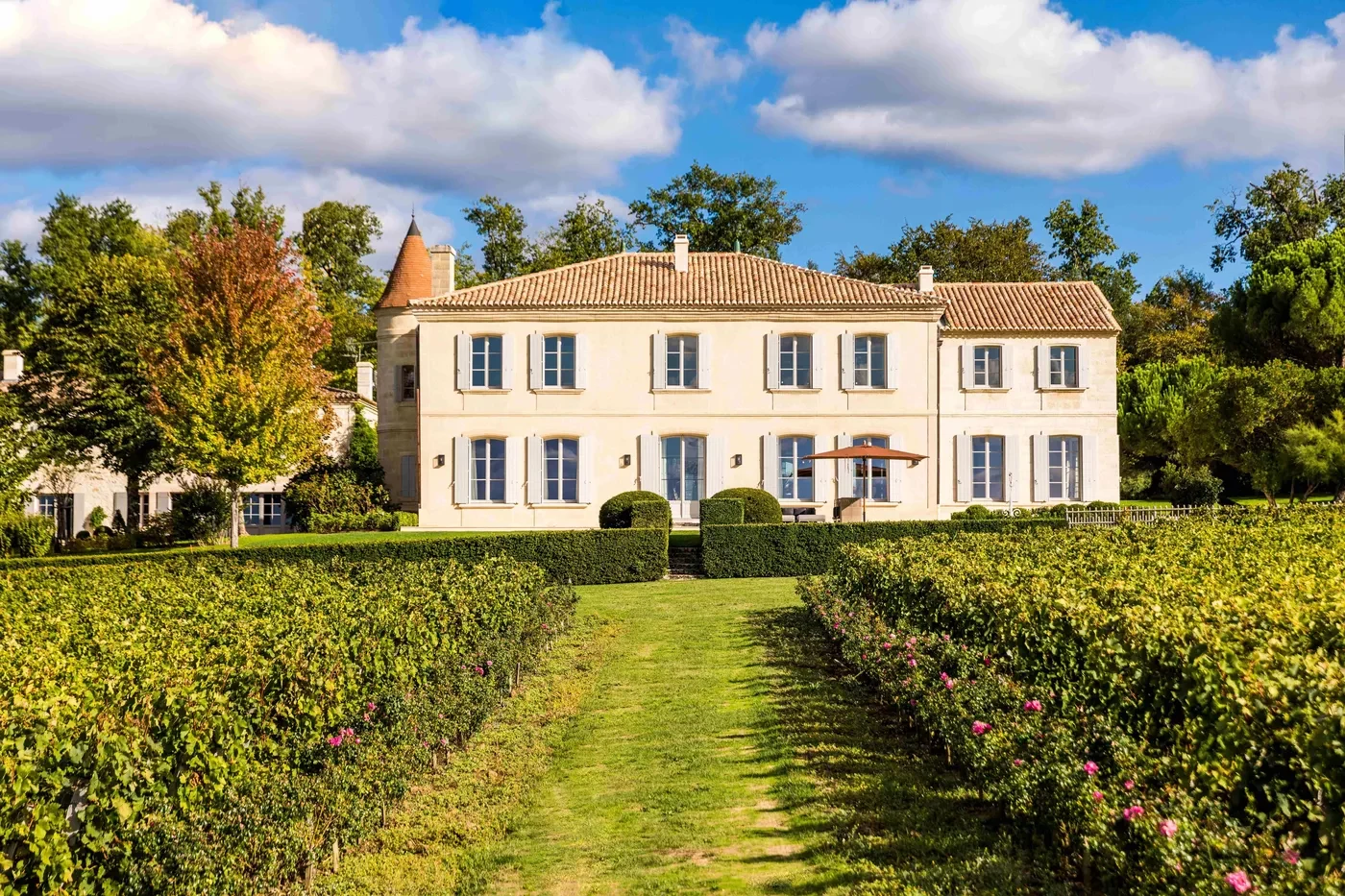
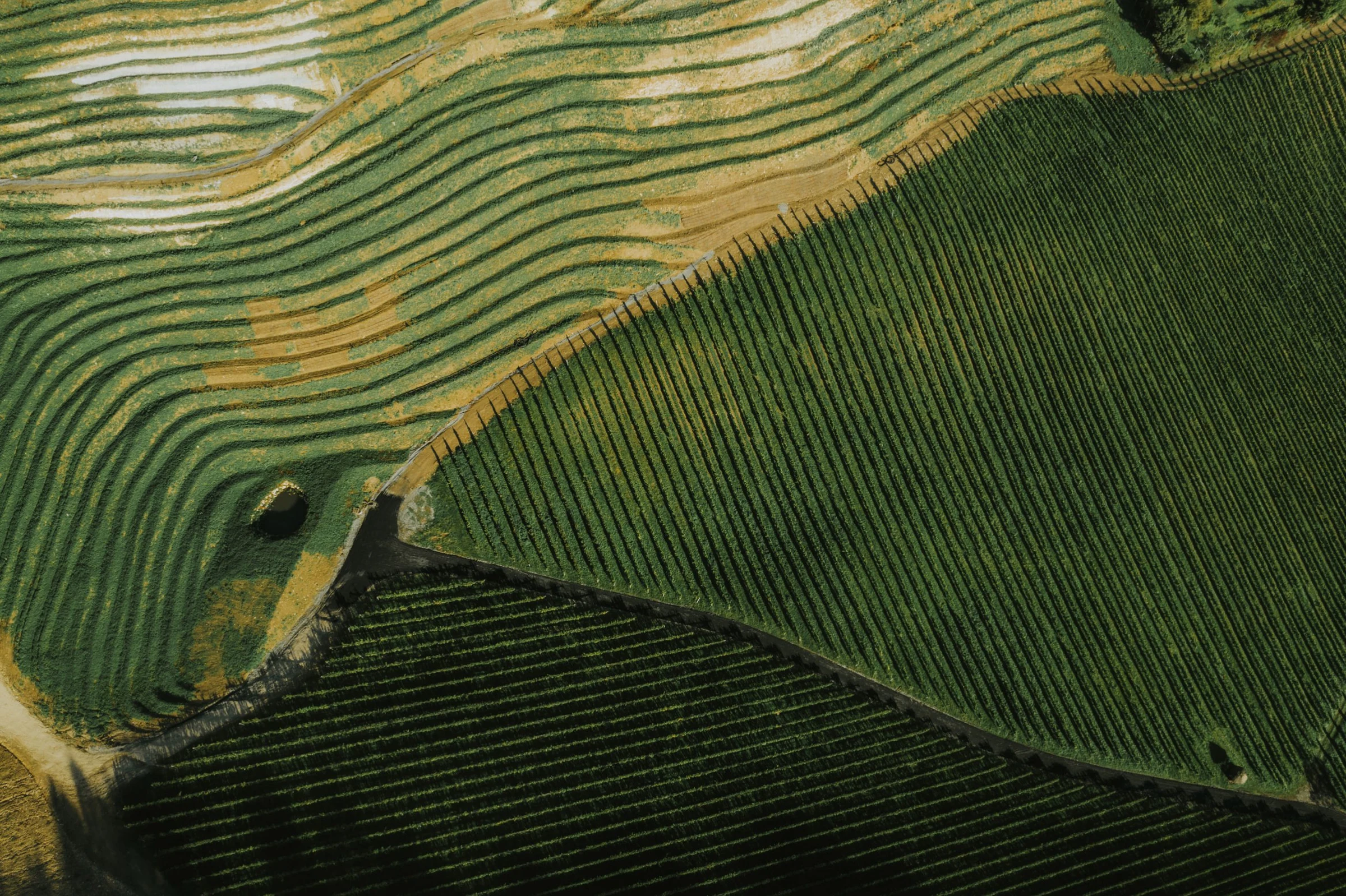
Approaching wine in Colombier means paying attention to setting as much as to the glass. Domaine de Chambleau is an organic-focused Neuchâtel winery set amid vineyards above Colombier, with a scenic countryside feel that makes the visit feel closely tied to its landscape. Rather than separating the tasting from the place where the wines are made, the experience is best understood as a meeting of vineyard views, rural calm and conversation.
The estate’s appeal is not presented as spectacle or scale. Its draw is a warm, educational atmosphere and an intimate, commented tasting style. For travellers looking for a quieter Swiss wine stop, Domaine de Chambleau offers a grounded way to experience a Colombier vineyard setting without needing to frame the visit around awards, scores or elaborate claims. The pleasure is in slowing down, listening, looking at the surrounding slopes and letting the estate’s organic focus provide the main thread of the visit.
Neuchâtel terroir, expressed through organic viticulture
Domaine de Chambleau is best described from the information that is clear: it is an organic-focused Neuchâtel winery in Colombier, set among vineyards and shaped by a scenic rural atmosphere. That gives the visit its main identity. The emphasis is on place, organic-minded winegrowing and a setting that feels elegant, rustic and unforced, rather than highly polished or impersonal.
Expect the conversation to be educational and rooted in the estate’s vineyard context, with the tasting presented as something to discuss rather than simply consume. In that sense, the winery’s organic focus is not just a label to note in passing; it is part of the way visitors are invited to think about the land, the vines and the character of the stop as a whole.
That makes Domaine de Chambleau a useful choice for visitors who value atmosphere and explanation. The profile points to a hidden-gem feeling: intimate, scenic, romantic and warm, with the winery’s organic focus at the center of the visit. It is the sort of address where the surrounding countryside matters, because the visual calm and vineyard setting help shape the tone before the first pour is even discussed.
A tasting format built for questions, not crowds
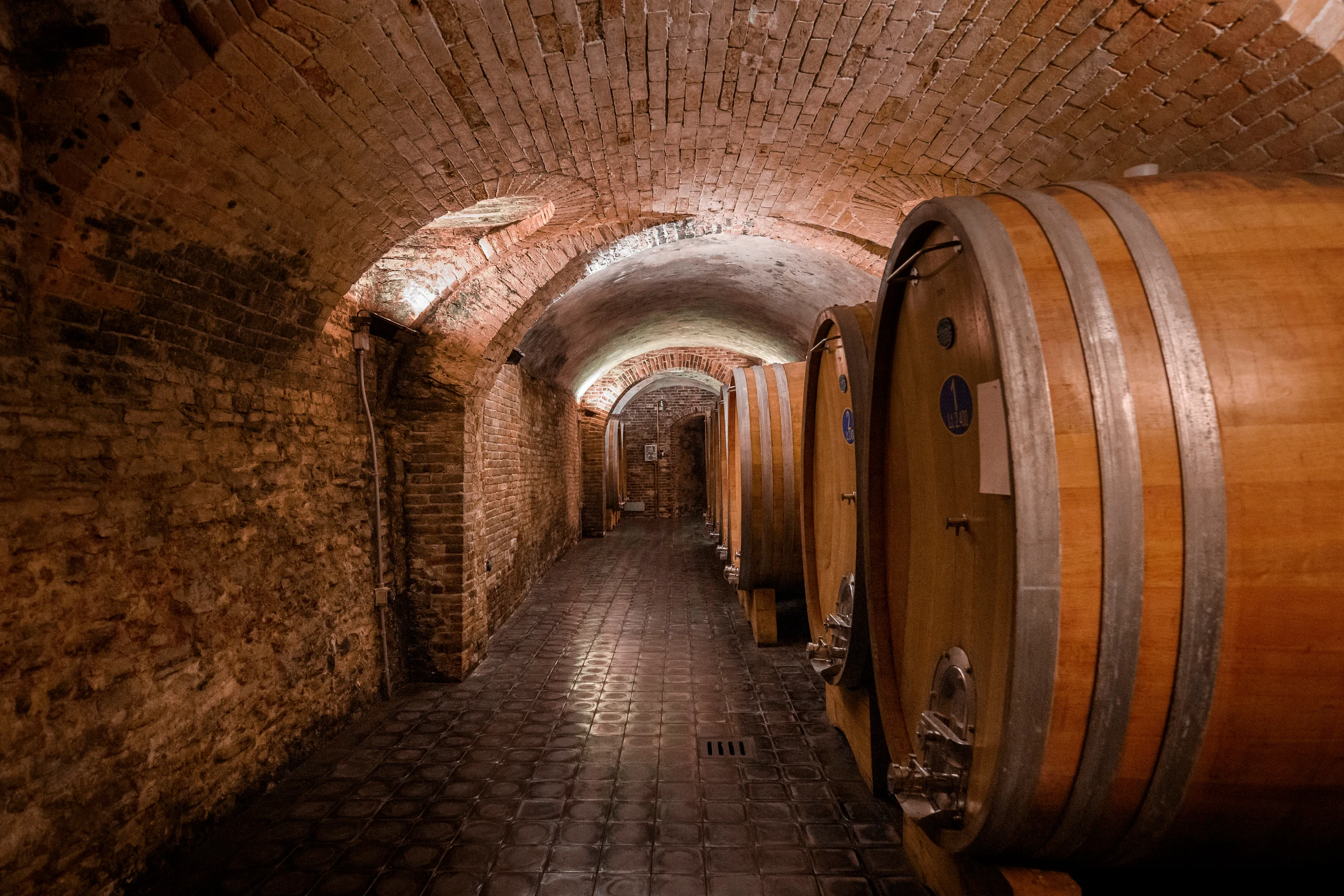
The hospitality style at Domaine de Chambleau is intimate and commented, which means the tasting is framed by guidance rather than left entirely to self-directed sampling. That format suits guests who want to ask questions and understand the setting above Colombier, especially if they prefer a calm educational pace. The value is not only in tasting wine, but in having the experience interpreted in a way that connects the glass back to the estate and its surroundings.
The available facts do not confirm specific rooms, languages, tasting durations or named staff, so those details should be checked directly with the estate before planning around them. What is clear is the general tone: warm, educational and personal, with a scenic countryside backdrop. Visitors should therefore think of the experience less as a drop-in checklist item and more as a planned, conversation-led tasting where expectations are best aligned in advance.
At $50 per person, Domaine de Chambleau sits as a considered wine experience rather than a casual free stop. It is especially well suited to couples, small groups or solo travellers who want a focused, conversational visit in a vineyard setting. The intimate format also makes sense for travellers who prefer detail over noise, and who would rather leave with a clearer sense of the estate than simply move quickly from one sample to another.
How to place it within a Colombier wine day
Colombier’s appeal here is the combination of vineyards, countryside atmosphere and a quieter Swiss wine rhythm. Domaine de Chambleau works well as the anchor for a relaxed wine-focused outing, particularly for visitors who want the landscape and the tasting commentary to feel connected. It is not positioned as a high-volume stop, but as a scenic and grounded way to spend time with a Neuchâtel winery in its own setting.
Because only limited operational details are here, travellers should confirm practical arrangements directly before visiting. The core reason to go remains clear: Domaine de Chambleau offers an organic-focused Neuchâtel winery experience above Colombier, with intimate commented tastings and a warm, educational feel. That clarity is useful when planning, because the visit’s strengths are atmosphere, guidance and setting rather than a long list of specified extras.
For a fuller Colombier itinerary, the wine visit can be paired with other dining, hotel, bar or experience options in the area. Domaine de Chambleau is strongest for travellers who want a scenic, elegant and quietly romantic Swiss wine stop with organic focus and guided explanation in the foreground. Built into a slower day, it can provide the wine-centered pause around which the rest of a Colombier visit is arranged.
Questions
Frequently asked
Who works at Domaine de Chambleau?
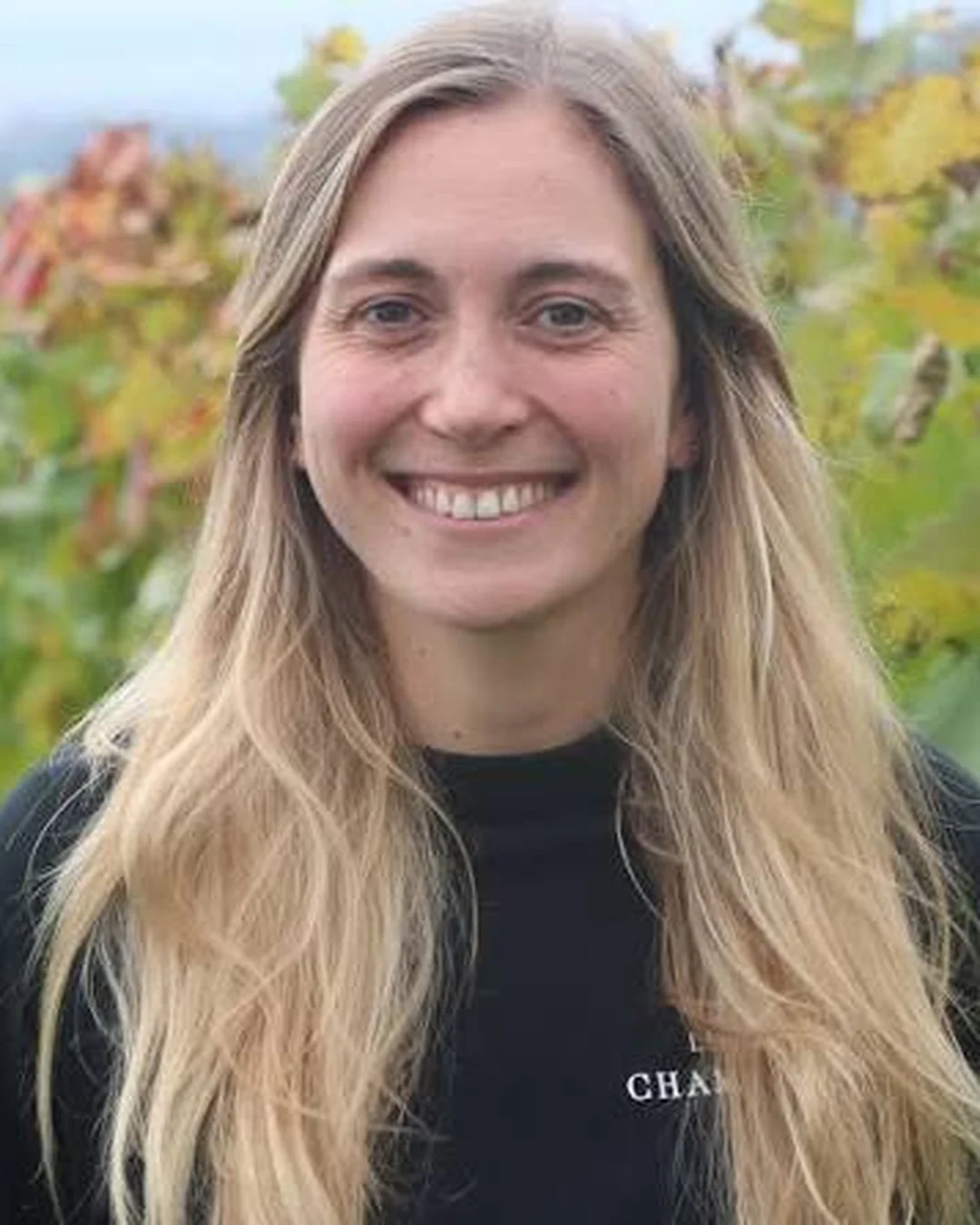
Made By profiles Charlotte Burgat (Winemaker) at Domaine de Chambleau.
How expensive is Domaine de Chambleau?
Domaine de Chambleau is listed at a price level of $$.
The field
How it compares
| Place | Notes | Awards |
|---|---|---|
| Domaine de Chambleau | Colombier, $$ | · |
| Château Troplong Mondot | Saint-Laurent-des-Combes | · |
| Creation Wines | Hermanus | World's 50 Best |
| Domaine François Raveneau | Chablis | · |
| Domaines Barons de Rothschild (Lafite) | Bordeaux | · |
| Familienweingut Tement | Ehrenhausen | World's 50 Best |
| Gaja | Barbaresco | World's 50 Best |