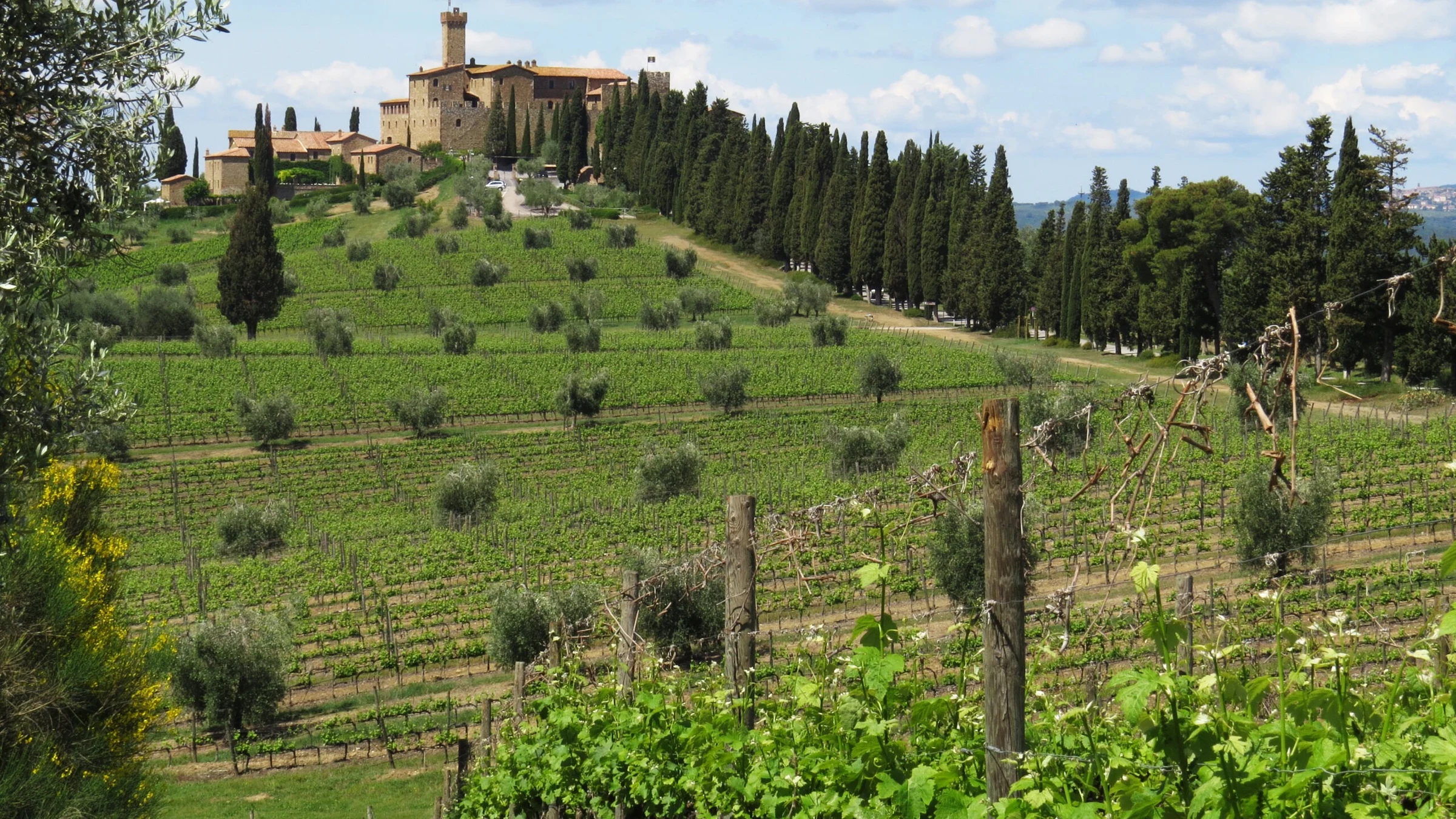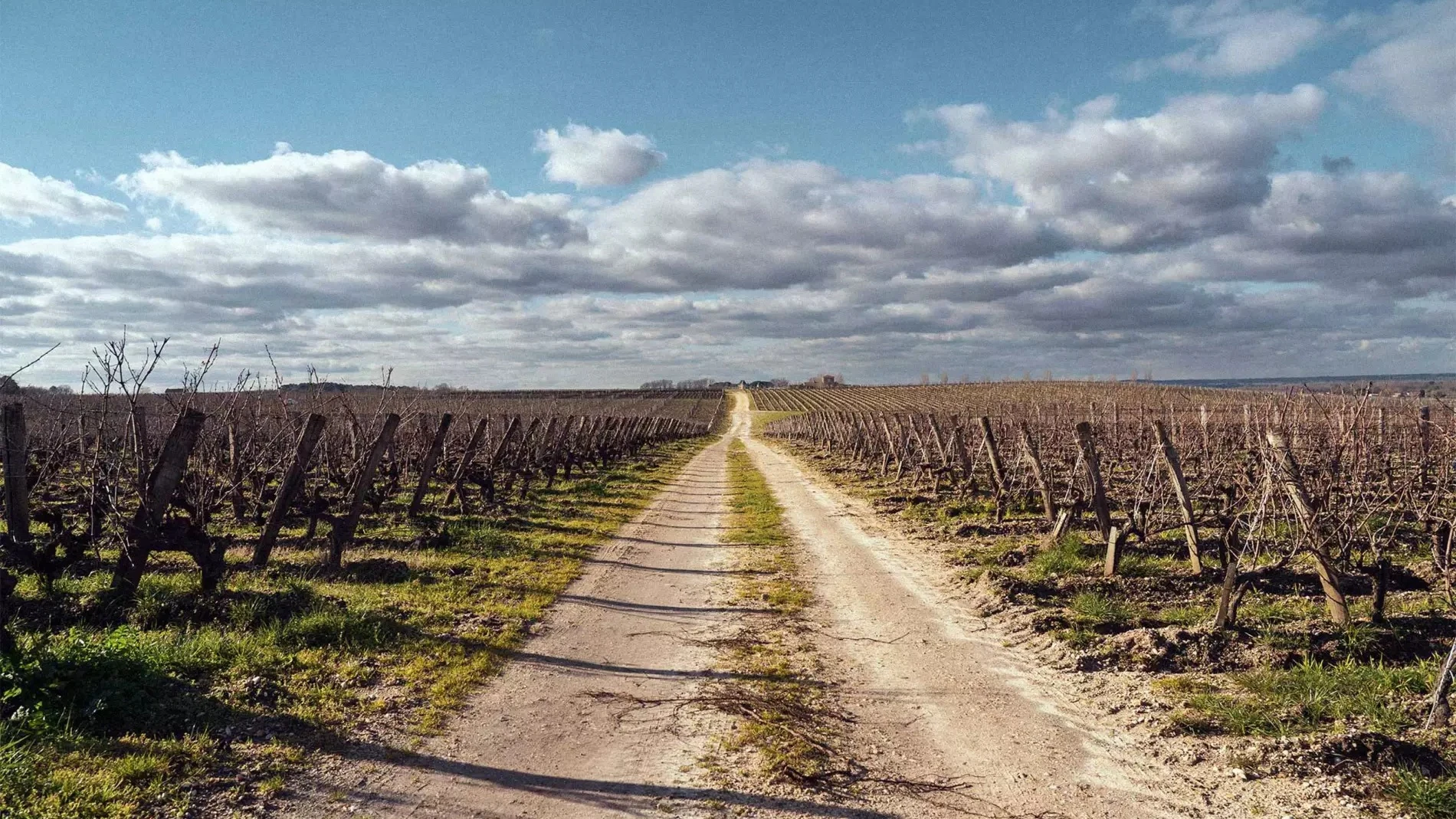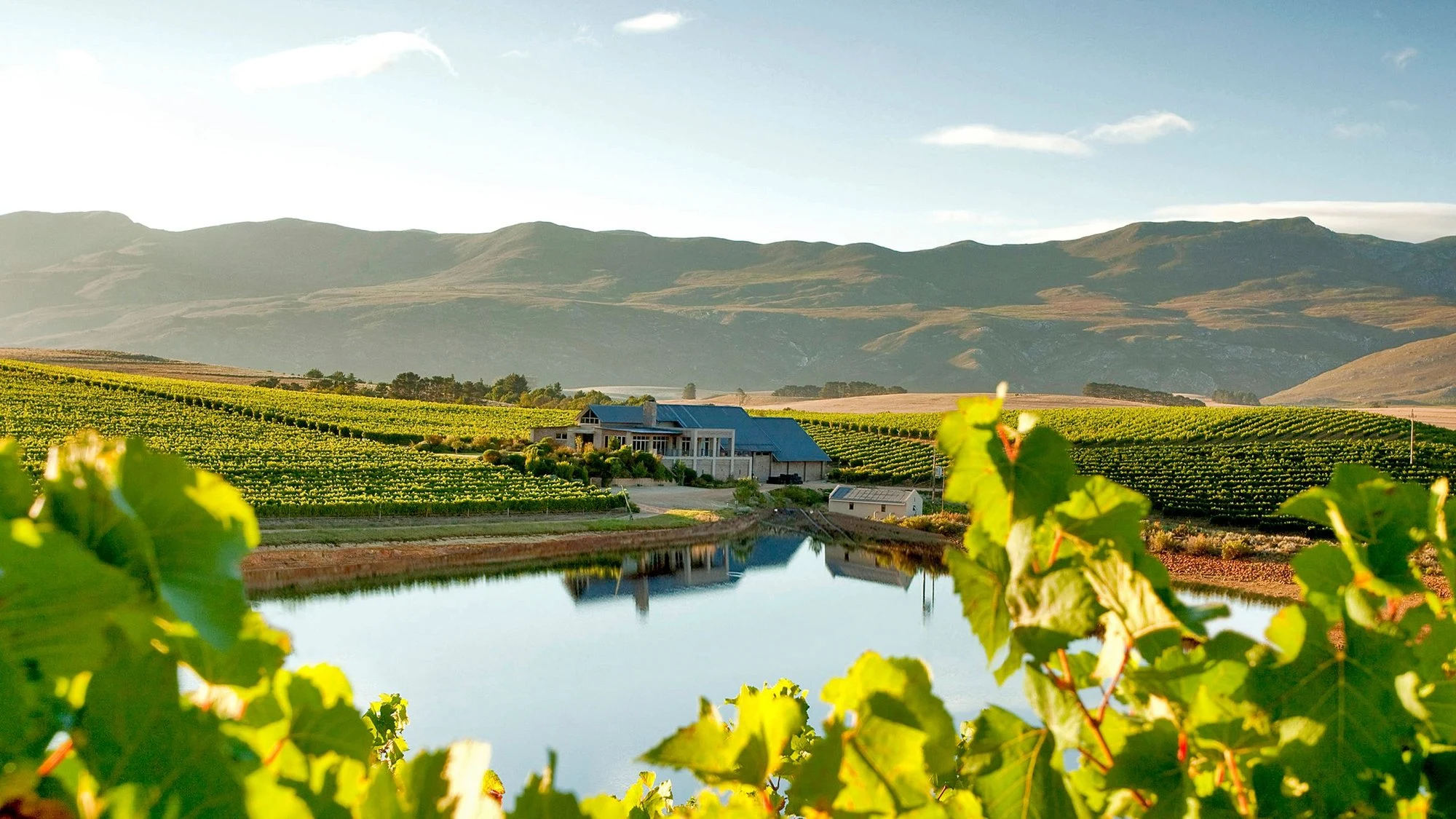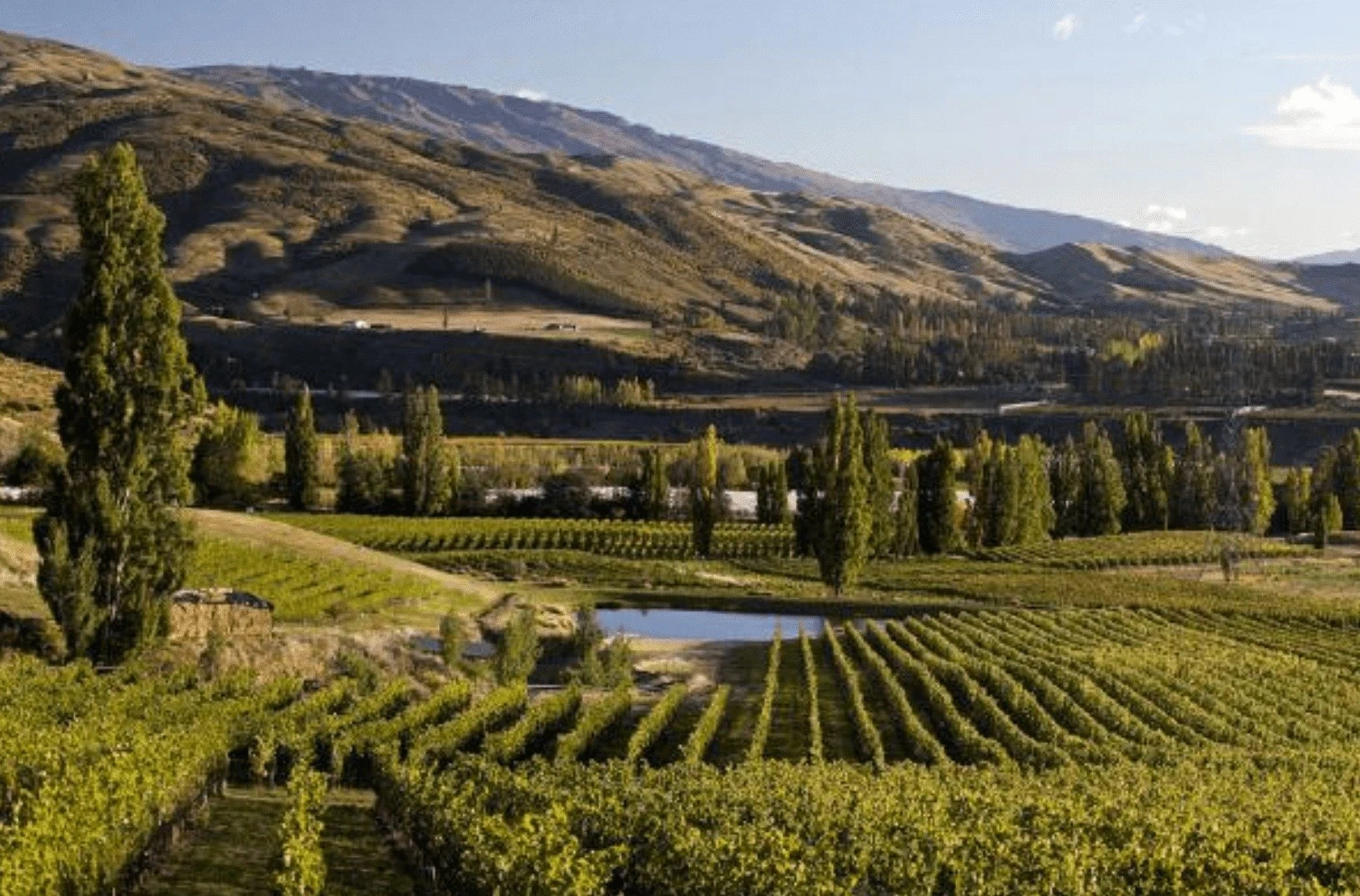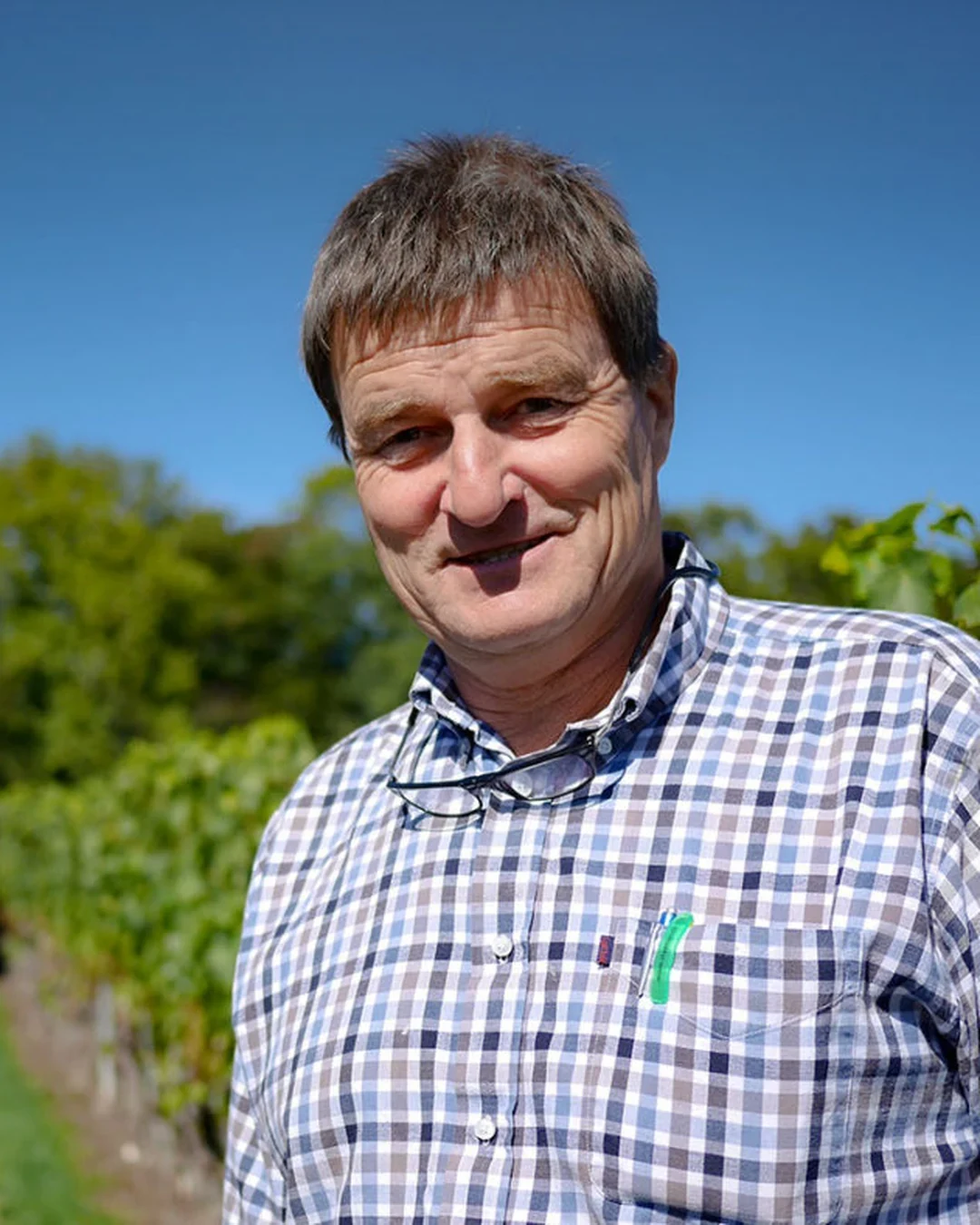
Alain Rolaz is winemaker at Domaine de Chantegrive in Gilly, where he works 15 La Côte hectares through organic viticulture.
The cellar work begins with estate fruit and a decision to keep the range broad. Alain Rolaz, winemaker at Domaine de Chantegrive in Gilly, has held the owner and head winemaker role here since 1993, after taking over the family property in 1992. His tenure gives the place its measure: the same La Côte slopes, the same working cellar, the same seasonal questions asked again with each vintage. The estate sits between Gilly, Féchy and neighboring communes near Lake Geneva, but the craft is less scenic than repetitive. Rolaz reads parcels, variety by variety, and keeps the house language tied to Vaud rather than fashion. A 1976 internship in the Palatinate exposed him early to a broader palette of grapes, and that lesson still shows in the domaine’s plantings. Chasselas remains central, as it should in this part of French-speaking Switzerland, yet the cellar also makes room for Gamay, Gamaret, Merlot, Cabernet Franc, Pinot Noir, Dornfelder, Sauvignon Blanc and Chardonnay. The lineage is family-held rather than institutional. Ownership and winemaking stay joined at the bench, which means vineyard choices and bottling choices answer to the same hands.
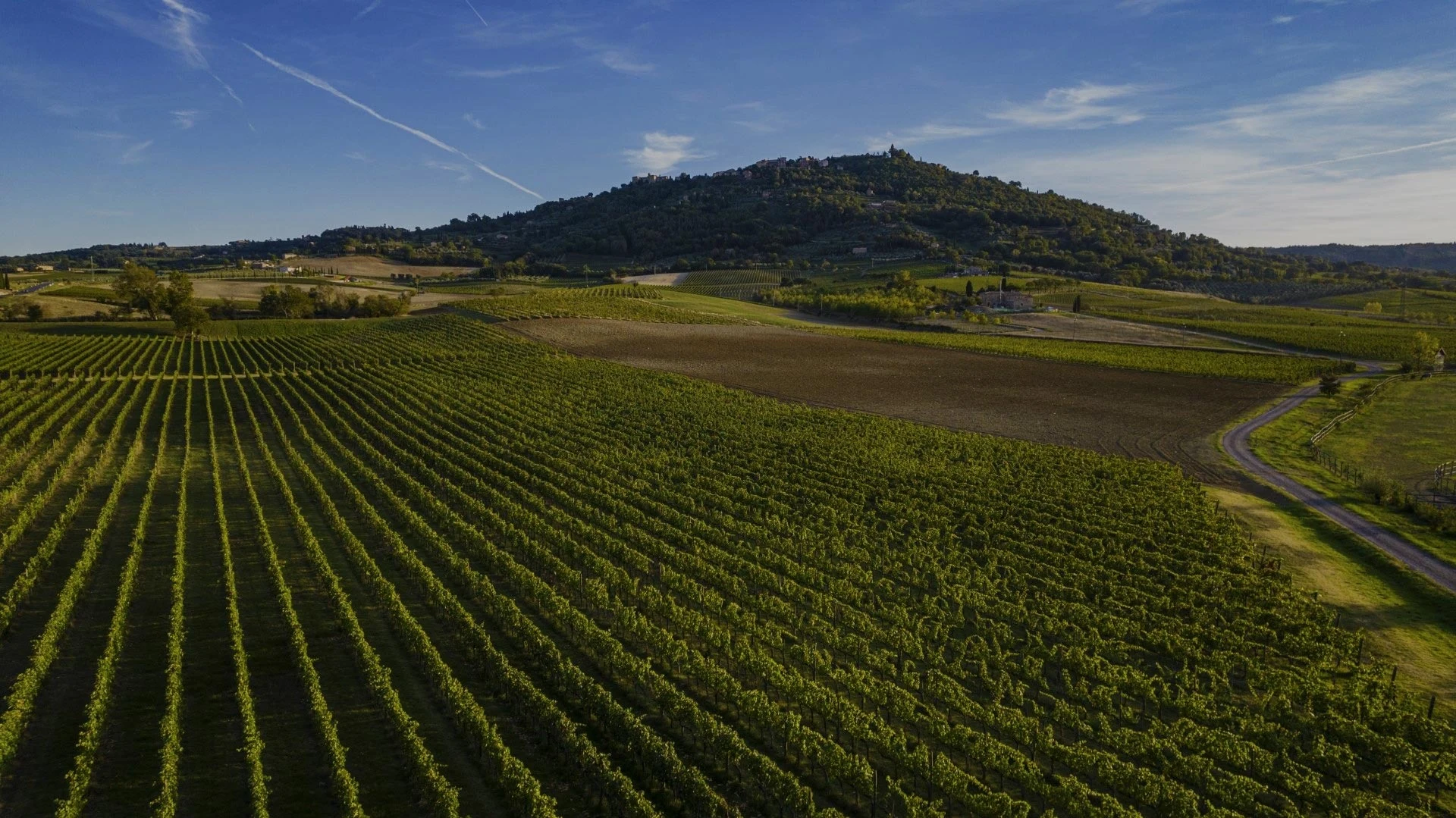
Domaine de Chantegrive works about 15 hectares across six communes: Gilly, Tartegnin, Mont-sur-Rolle, Perroy, Féchy and Aubonne. The estate cultivates 13 grape varieties and releases 18 wines in three collections, Expression des Terroirs, Signature Alain Rolaz and Crescendo. That structure matters because each line asks a different discipline of the same fruit. Expression des Terroirs keeps to traditional vinification and the regional grammar of Chasselas, where soil can move the wine from linden to white flower, from fruit to mineral line. Signature Alain Rolaz carries the more immediate bottles, wines meant for the table without ceremony. Crescendo is the cellar’s oak-barrel register, used for gastronomic wines from varieties that include Gamay, Gamaret, Merlot, Cabernet Franc, Chasselas and Chardonnay. Since 2017, the domaine has stopped using synthetic products in the vineyard and has moved through organic conversion. Fruit trees and ferns have been planted among the vines, a quiet kind of vineyard work that changes the life around the rows before it changes the label. Mechanization has a place here too, not as a replacement for time on the tools, but as support for pruning, harvesting and soil attention.
The tasting room and cellar keep the atmosphere of a family estate, not a polished destination built around display. This is a working Vaud address, with the conversation held close to the wines and the vineyards that made them. Open-cellar days and gastronomic nights bring people into the domaine, but the room still seems organized around production first. Bottles from the three collections sit within reach of the cellar’s daily traffic, and the lake-country setting remains just outside the work rather than taking it over. In the glass, the range moves from still white and rosé to red and sparkling, with La Côte AOC as the common ground. The pace is conversational. The point is the pass from vine to bottle.
The domaine also works under the name Alain Rolaz & Fils, a phrase that says plainly how continuity is being held. The house has made space for newer family expressions, including N’ature and Winatypic, without loosening the older framework of Chantegrive. That is the next movement here: not a rupture, but another hand entering a cellar already shaped by Alain Rolaz and Crescendo Gamaret.
Gilly, Canton of Vaud, Schweiz
Gilly