Limestone hillsides, organic cellar work
- Falstaff Winery - Listed · 2026
Fruit carried through Saint-Romain by hand
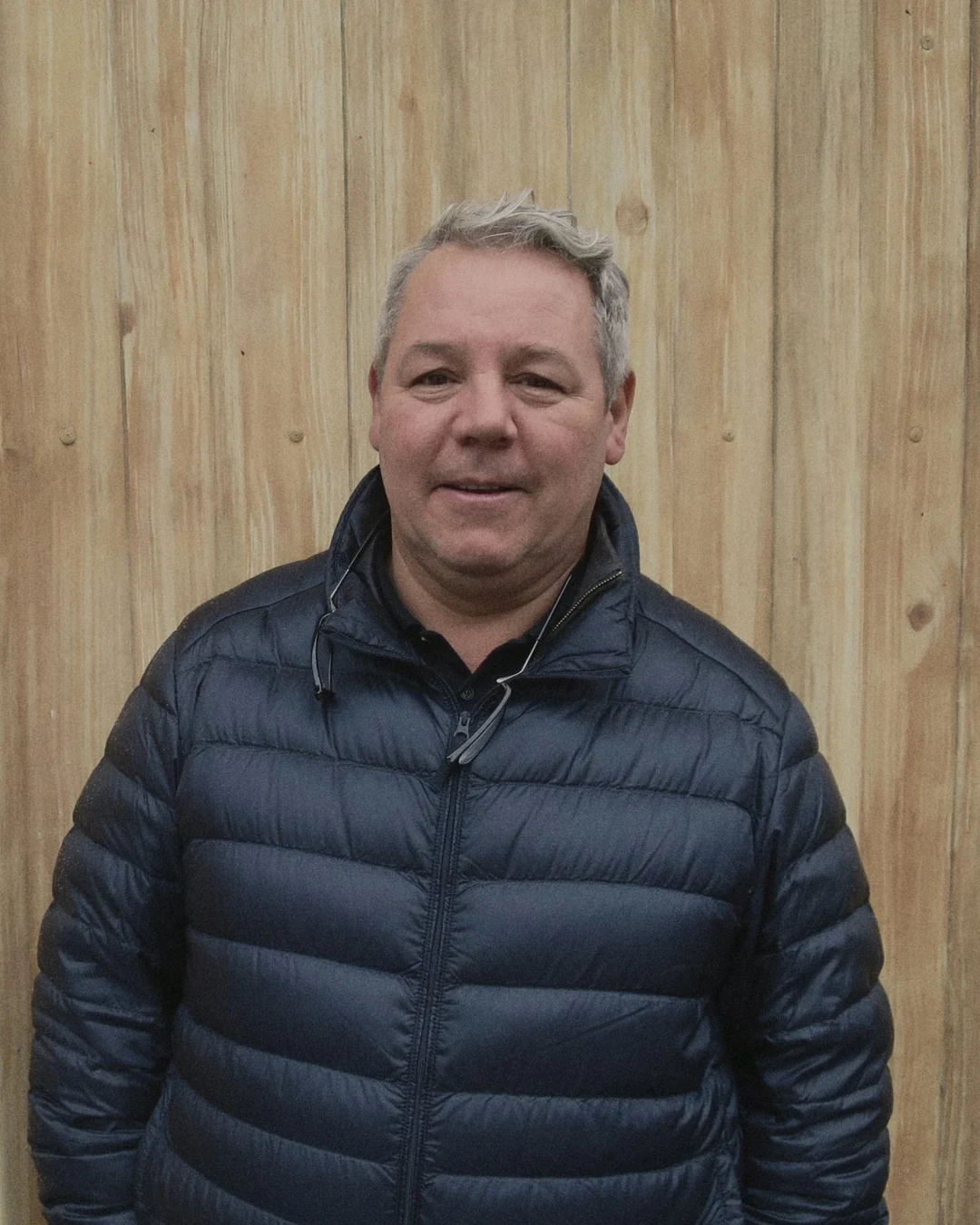
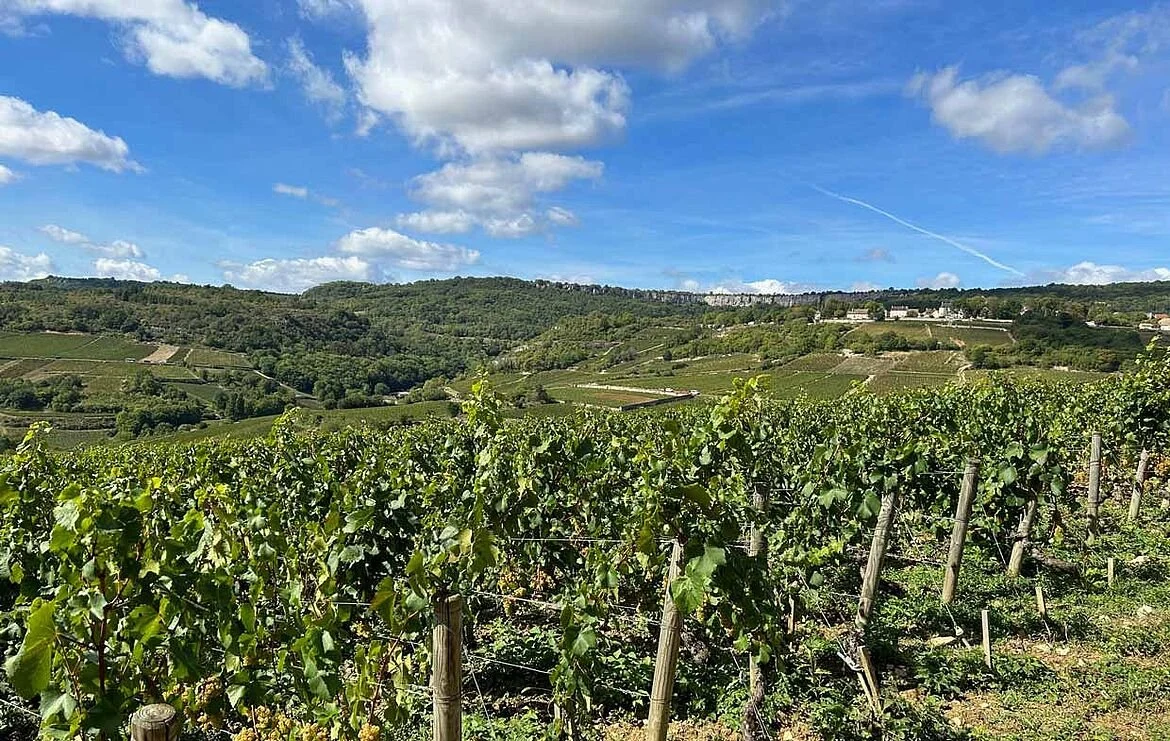
Pinot Noir and Chardonnay come off the limestone hillsides into Frédéric Cossard's cellar work as winemaker at Domaine de Chassorney in Saint-Romain. He did not arrive through inheritance. Frédéric Cossard came first through the trade: milk trade worker, wine merchant, then producer. That path matters here because it gives the domaine a practical center of gravity, close to handling, movement, sale, and the consequences of a bottle once it leaves the cellar.
In 1996, Cossard turned that footing into Domaine de Chassorney, tying his work to Saint-Romain AOC and to a small Burgundy domaine built around organic farming. The role is not decorative. Founder and producer means the address, the fruit, the cellar decisions, and the label meet in one set of hands. Since 2022, his work has also continued through négociant wines under his own name, but Chassorney remains the fixed Saint-Romain reference in the record: the place where his authorship took form against steep hillside sites and limestone.
Limestone, Pinot Noir, Chardonnay
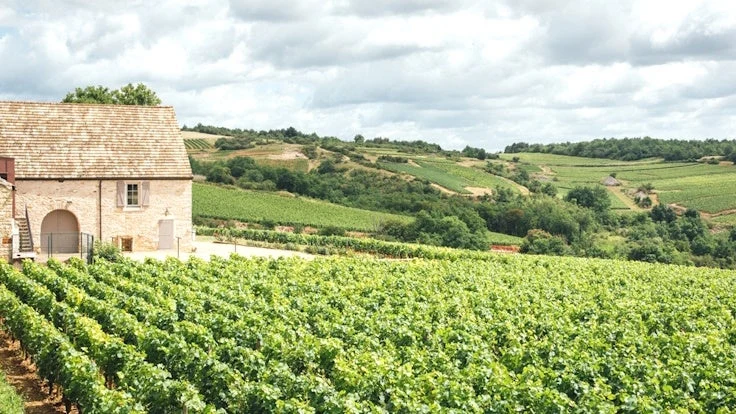
The method at Domaine de Chassorney is described less by intervention than by restraint. The domaine works organically and at small scale, with low-intervention winemaking serving the fruit rather than covering it. Pinot Noir and Chardonnay carry the range, and Saint-Romain supplies the frame: hillside vineyards, limestone, still red and still white wines, and a style built on lift and precision rather than weight.
The house is associated with a natural-wine identity, but the useful word here is discipline. Organic work in the vineyard narrows the margin for correction later; low-intervention cellar practice asks the same thing in another register. The cellar has to receive what the site gives and keep the line clean. Chassorney's signature comes from that agreement between slope, stone, grape, and hand. It is Burgundy by exposure and geology before it is Burgundy by label.
The quiet of the cellar
The room around the work is quiet, rustic, and spare in the way small domaines often are: less presentation than sequence. Fruit arrives, vessels wait, decisions gather at cellar pace. Saint-Romain is not written here as scenery. It is the condition of the work, with limestone-driven hillside vineyards pressing themselves into both the reds and the whites.
In the tasting room, if there is one open to the rhythm of the day, the conversation belongs to the bottle rather than the room. The register is restrained. Chassorney's wines are known for a sense of lift, and the place seems organized around allowing that lift to survive the passage from vineyard to cellar. Nothing in that requires noise.
A name carried into new bottles
Cossard's own named bottles give the next line of the work a clearer outline than any broad claim could: Volnay QVEVRIS 2018, Bourgogne Rouge Bedeau 2021, and Combe Bazin. They keep the vocabulary close to cuvée, place, and vintage. At Domaine de Chassorney, the lasting object is still Saint-Romain carried through Pinot Noir and Chardonnay.
Questions
Frequently asked
Who makes the wines at Domaine de Chassorney?
Frédéric Cossard is the winemaker at Domaine de Chassorney in Saint-Romain. The page also describes him as the founder and producer of the domaine.
What is Domaine de Chassorney known for?
Domaine de Chassorney is built around organic Pinot Noir and Chardonnay from the limestone hillsides of Saint-Romain. Its wines are described as low-intervention and associated with a natural-wine identity.
When was Domaine de Chassorney founded?
Frédéric Cossard established Domaine de Chassorney in 1996.
Does Domaine de Chassorney take walk-ins?
The reservation policy is appointment only.
What is the setting of the domaine?
Domaine de Chassorney is in Saint-Romain, in the Côte de Beaune in Bourgogne-Franche-Comté. The work is tied to hillside vineyards on limestone soils.
The field
How it compares
| Place | Notes | Awards |
|---|---|---|
| Domaine de Chassorney | Saint-Romain, $$$ | · |
| Alain Gras | Saint-Romain | · |
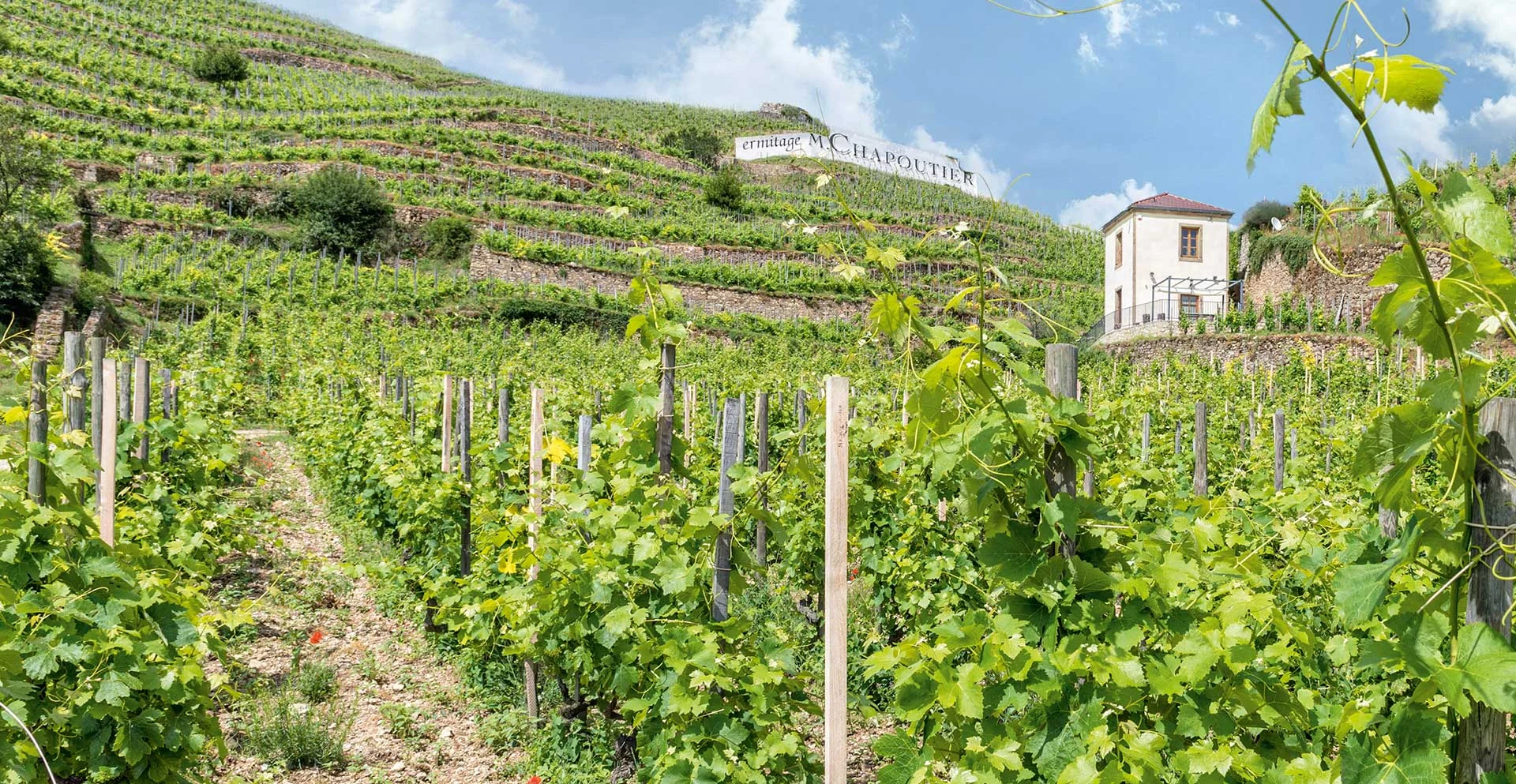
| Chapoutier | Tain-l'Hermitage | World's 50 Best |
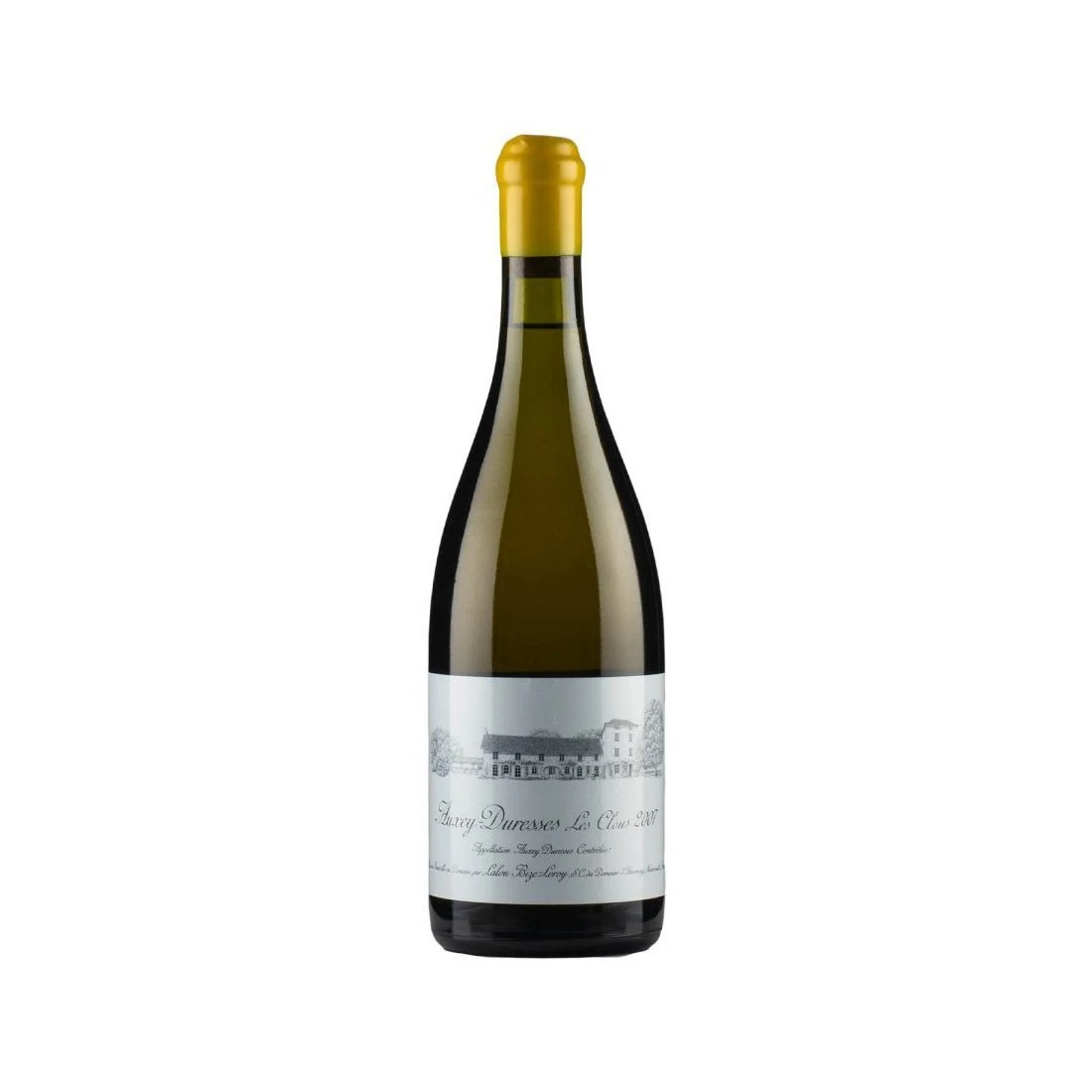
| Domaine d'Auvenay | Saint-Romain | · |
| Domaine des Comtes Lafon | Meursault | · |
| Domaine Henri & Gilles Buisson | Saint-Romain | · |
| Yamazaki (Suntory) | Shimamoto | · |