- Falstaff Winery - Listed · 2026
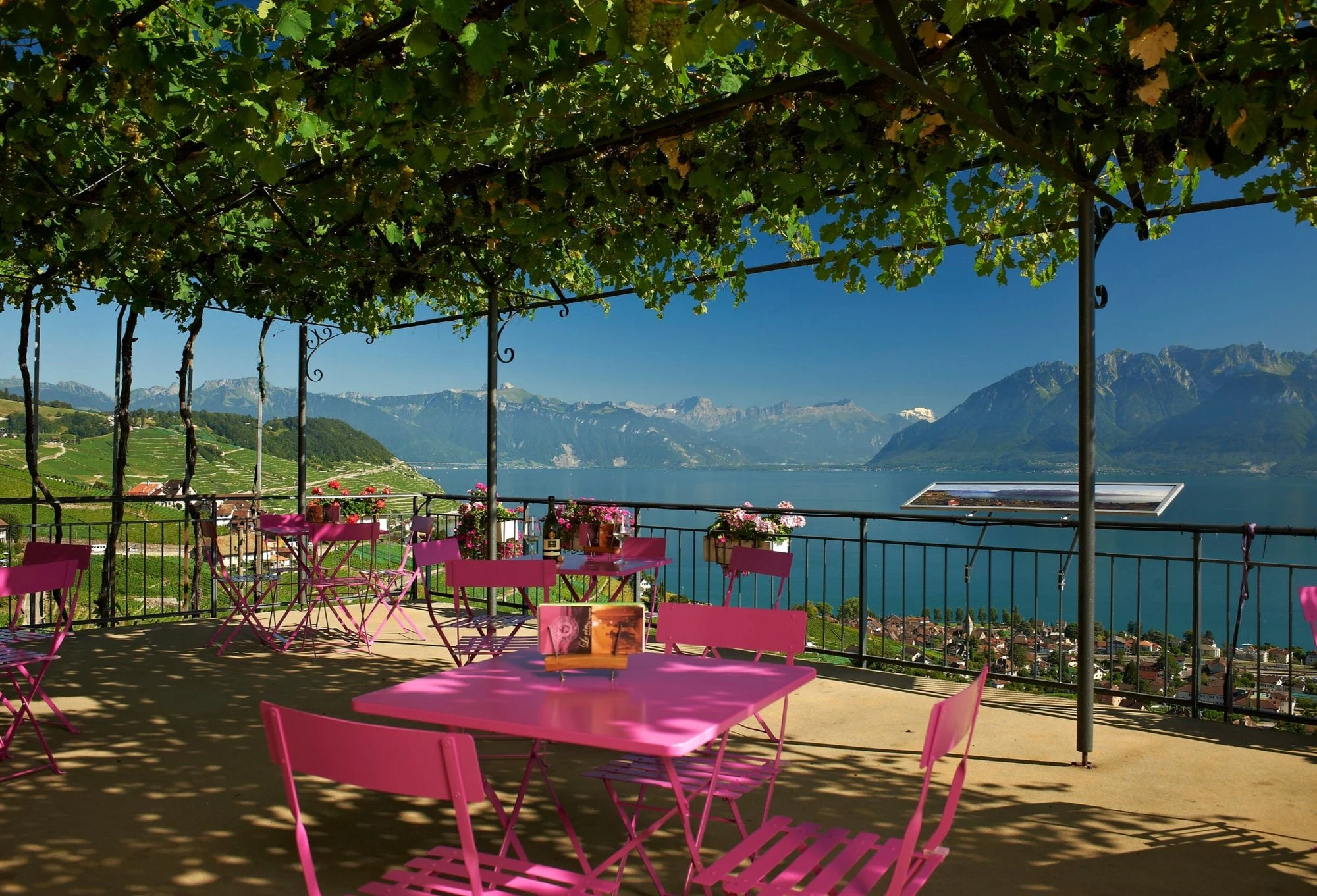
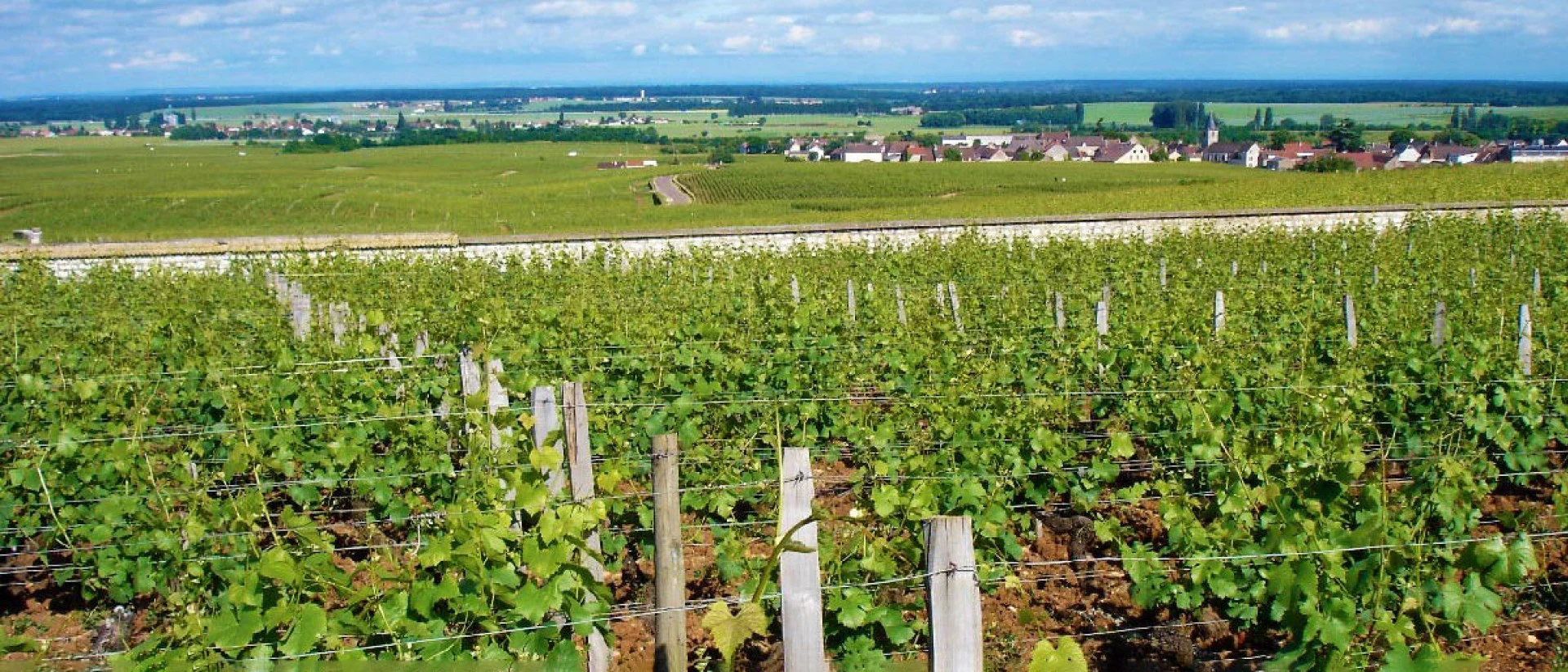
Approaching wine in Grandvaux means reading the slope before reading the label. In this Lavaux setting, Domaine de la Grille is best understood as a small, family-run vineyard rather than a polished hospitality facility. Its identity is production-led, rural and practical, with the emphasis on still wines and the everyday work of a modest local estate. That framing matters, because it keeps expectations properly scaled: this is a place to think about vineyard context, local production and the rhythms of a working wine address, not a venue built primarily around performance or leisure.
For travellers, that means the appeal is less about a scripted visitor experience and more about context: Grandvaux, Lavaux, vines, bottles and a simple setting. The picture is narrow but useful. Domaine de la Grille is a family-scale vineyard with an informal, functional atmosphere and a price level listed as $$. Its usefulness on an itinerary comes from that clarity. Rather than promising a broad set of visitor services, it points toward a quieter kind of stop, where the interest lies in seeing a local wine address in its own setting and understanding it as part of the surrounding vineyard landscape.
Lavaux wines in a Grandvaux setting
Domaine de la Grille belongs in a Lavaux itinerary for visitors who want a direct vineyard stop rather than a restaurant-style or resort-style experience. In Grandvaux, the location itself does some of the interpretive work: the name Lavaux already suggests terraced wine country, village scale and a close relationship between settlement and vine. Within that context, a modest estate can be more revealing than a grander venue, precisely because it does not need to translate itself into a fully packaged attraction.
That restraint is important. Lavaux can be easy to over-romanticise, but Domaine de la Grille sit closer to the working-rural end of the spectrum. Expect a practical wine-production setting, not a broad leisure venue with extensive amenities. The tone should be understood as direct rather than theatrical, with the estate’s value tied to its role as a local producer and to the wider wine landscape around Grandvaux.
Because confirmed public detail is limited, travellers should avoid building plans around assumptions about tastings, opening hours, reservations, food, seating or visitor facilities. Treat it as a local vineyard venue in Grandvaux and check directly before making a special trip. That practical caution is not a negative judgement; it is simply the right way to approach a small rural address where public-facing information may not capture every operational detail, and where the visitor experience may depend on direct confirmation rather than open-ended availability.
A rural production address rather than a polished tasting stage
The experience belongs to the small-estate category of Lavaux rather than a high-design hospitality model. Expect a quiet, functional, rural atmosphere shaped by vineyard work. That is the point. The setting is likely to feel informal and practical, with the estate’s identity tied more closely to production than to choreographed hospitality. For some travellers, that will be exactly the appeal: the absence of gloss can make the place feel closer to the actual work of growing and making wine.
This is a better fit for drinkers who want a grounded Lavaux wine stop than for groups seeking a broad leisure setup. Its appeal is narrower: a family-run Grandvaux vineyard focused on still wines, with a simple rural feel. It suits an itinerary that values specificity over spectacle, and it should be approached with the patience that small producers often require. The reward is not a guaranteed sequence of visitor amenities, but a clearer sense of how a modest wine address fits into its village and landscape.
Grandvaux also rewards a wider look at the village and surrounding wine country. For additional planning, consider other dining in Grandvaux generically, while keeping Domaine de la Grille’s role clear: a modest Lavaux vineyard rather than a full-service hospitality venue. That distinction helps prevent category confusion. It is not being positioned here as a restaurant substitute, an all-day destination or a resort-style stop, but as one compact wine reference within a broader Grandvaux and Lavaux plan.
Where it sits in a Swiss wine itinerary
The case for Domaine de la Grille is strongest when Lavaux is treated as an agricultural culture, not a postcard. Its price level is listed as $$, but the stronger value is contextual: a small, family-run Grandvaux vineyard, a rural production atmosphere and a focus on still wines. Travellers mapping Swiss wine more broadly can use it as one modest Lavaux reference point, then compare it with other wine addresses in Grandvaux and beyond without assuming the domaine offers a structured visitor program. In that role, it works well as a grounded marker on the map: not the whole story of Lavaux, and not a substitute for careful planning, but a useful reminder that the region’s wine identity is built from working estates as much as from views, villages and labels.
Questions
Frequently asked
Who works at Domaine de la Grille?
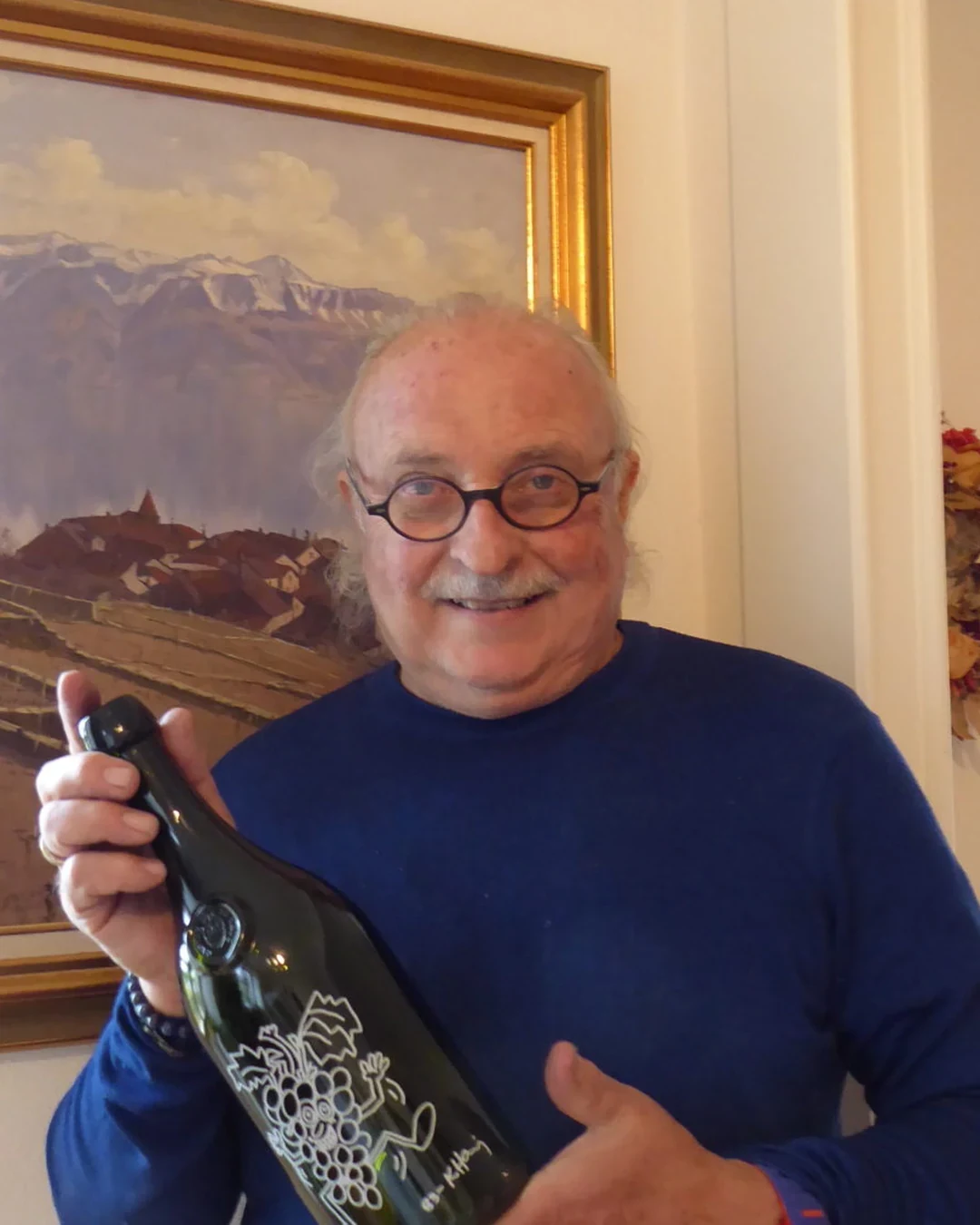
Made By profiles Alain Parisod (Winemaker) at Domaine de la Grille.
How expensive is Domaine de la Grille?
Domaine de la Grille is listed at a price level of $$.
The field
How it compares
| Place | Notes |
|---|---|
| Domaine de la Grille | Grandvaux, $$ |
| Chateau Lafite Rothschild | Pauillac |
| Domaine Croix-Duplex | Grandvaux |
| Domaine du Comte Liger-Belair | Vosne-Romanée |
| Domaine La Barroche | Châteauneuf-du-Pape |
| Domaine Méo-Camuzet | Vosne-Romanée |
| Yamazaki (Suntory) | Shimamoto |