Domaine de la Ville de Morges
- 01CityMorges, Switzerland

- Falstaff Winery - Listed · 2026
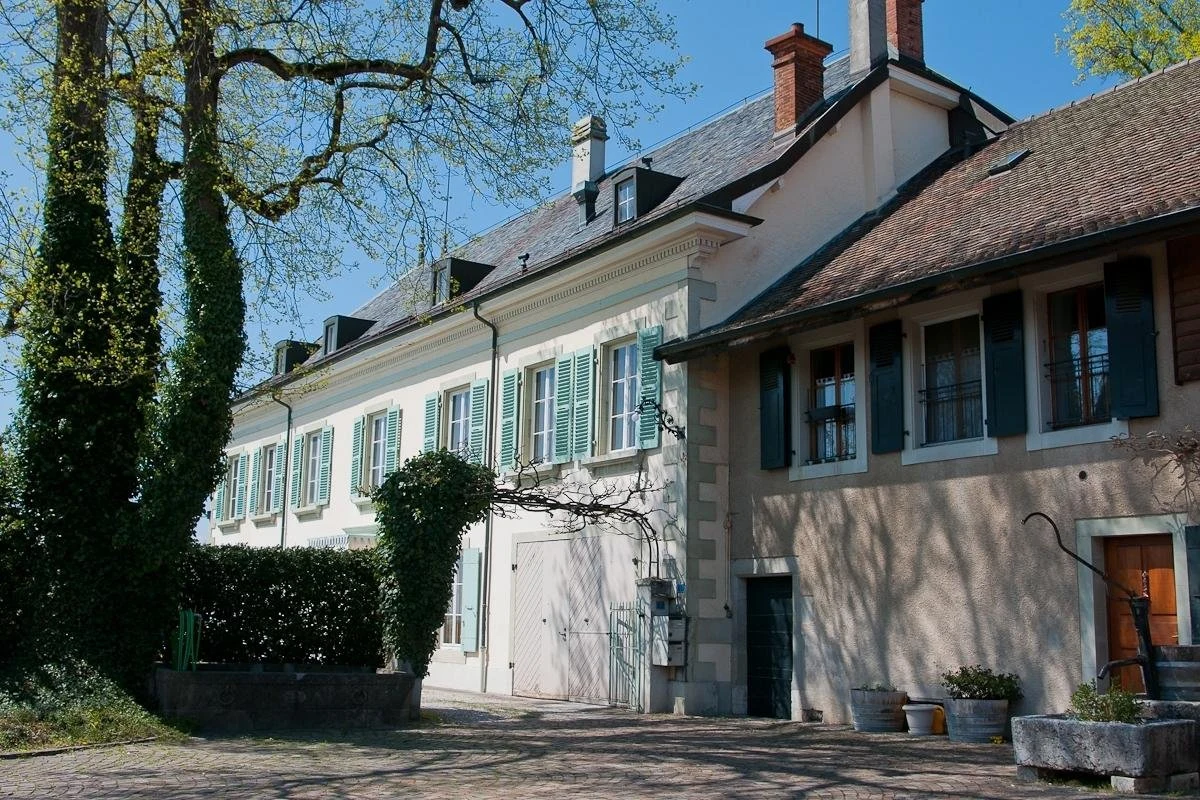
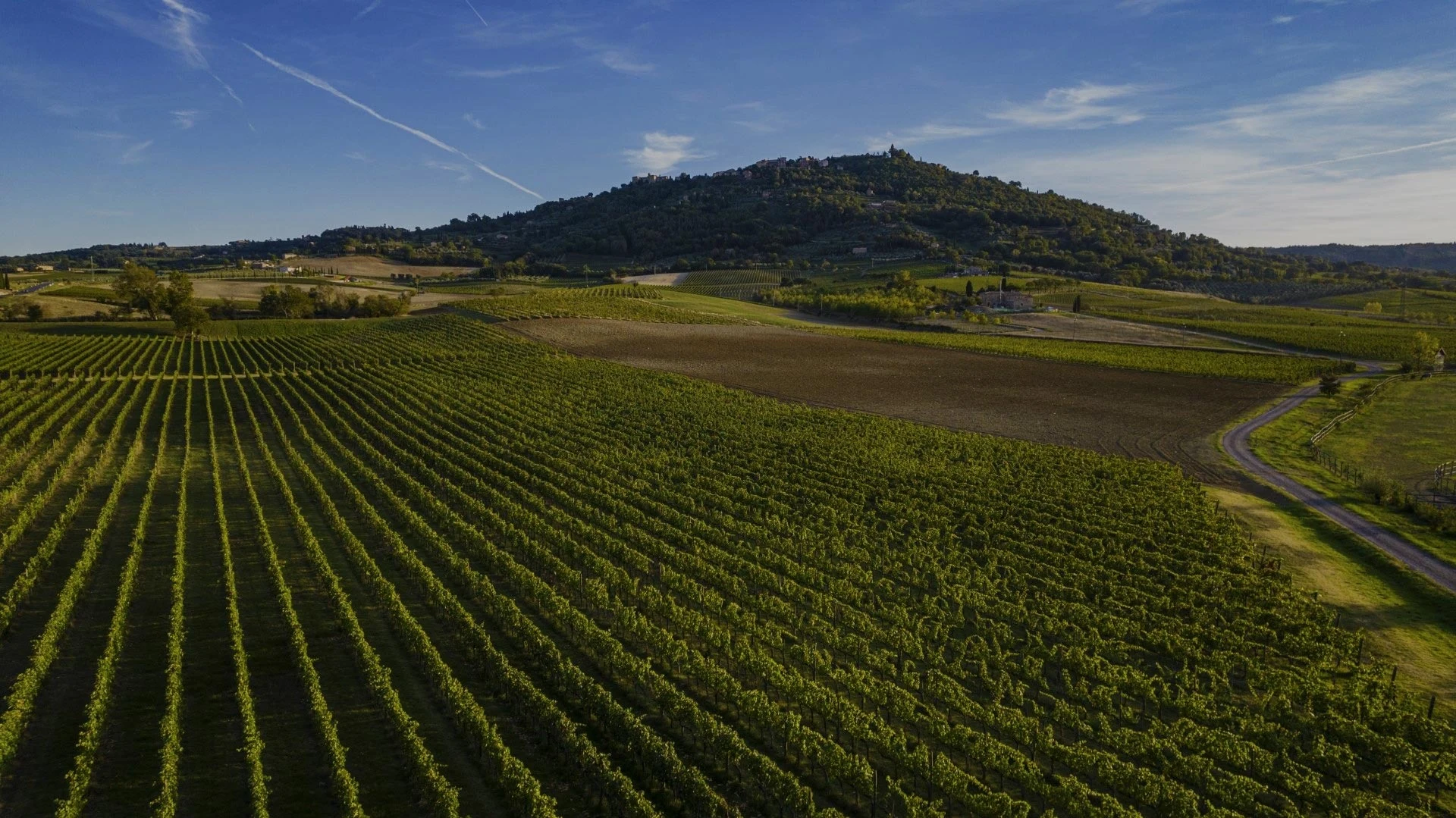
Domaine de la Ville de Morges is a historic hillside estate above Morges, set among vineyards with a scenic lake-facing outlook. Its appeal is direct rather than design-led: a classic, rustic setting where the vineyard and the wines remain the main focus. Rather than trying to impress through elaborate interiors or a polished hospitality concept, the estate reads as a place rooted in its landscape, with the slope, vines, and view doing much of the work.
The experience is best understood as intimate and authentic. Instead of presenting itself as an elaborate destination, Domaine de la Ville de Morges centers on organic wines and a simple cellar-style tasting room. For visitors looking for a grounded wine stop in Morges, that restraint is part of the draw. It suggests a visit where attention naturally falls on what is in the glass, the feeling of the estate, and the relationship between the tasting space and the surrounding vineyard, rather than on a scripted or highly stylized presentation.
Lake-facing vineyard setting above Morges
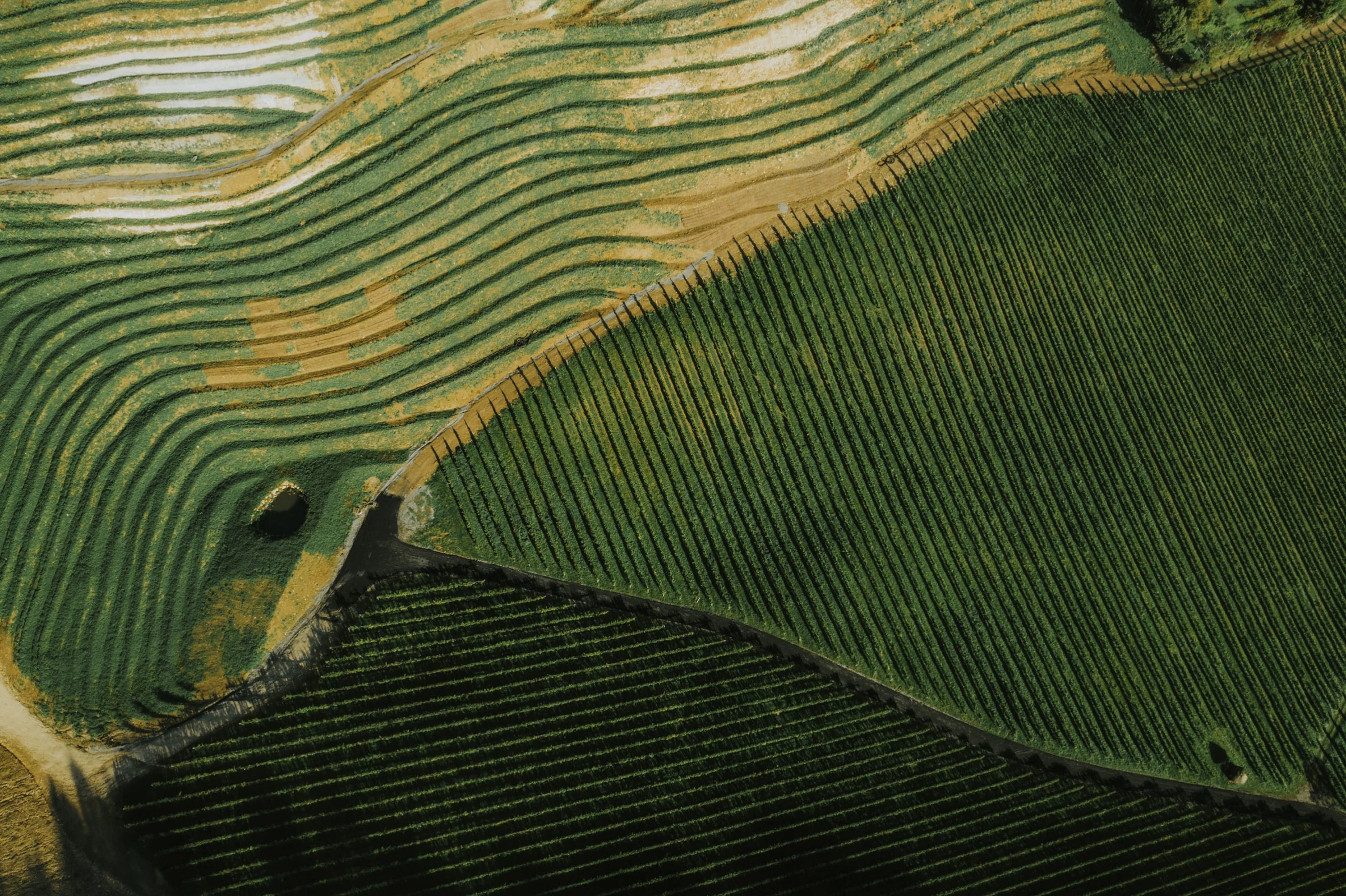
The strongest context for Domaine de la Ville de Morges is its location: a historic estate on the hillside above Morges, with vineyards facing the lake. The setting gives the visit a scenic quality without needing a highly staged hospitality format. The lake-facing position is central to the venue’s identity, because it frames the estate as part of the broader vineyard landscape around Morges rather than as a detached tasting room that could exist anywhere.
Atmosphere is classic and rustic. This is the kind of place where the landscape, cellar setting, and sense of place matter more than decorative polish. Visitors should expect the experience to feel close to the vineyard rather than built around spectacle. That closeness is important: the venue’s character comes from being plainly connected to its hillside context, with a direct environment that supports the wines instead of competing with them.
What is clear is that Domaine de la Ville de Morges is known here as a historic, organic-wine-focused estate in Morges with a simple and scenic tasting environment. Those qualities set the expectations well. It is not presented as a glossy design address or a complex food-and-wine venue, but as a place where history, vineyard setting, and an unpretentious tasting atmosphere are the main reasons to go.
Organic wines without an elaborate design showcase
Domaine de la Ville de Morges is described as focused on authentic, organic wines. That focus fits the restrained character of the place: the tasting room is cellar-style, and the estate’s appeal comes from the vineyard setting rather than from a luxury buildout. The result is a venue where the organic wine focus feels consistent with the overall mood, plainspoken, local in feeling, and more concerned with substance than show.
For planning purposes, the price level is listed as $$. Beyond that, specific claims about menus, individual cuvées, service formats, ratings, certifications, or named staff should be treated cautiously unless confirmed directly by the venue. This is especially relevant for visitors who need exact details before arriving, because the most reliable takeaway from the available description is the broad character of the experience rather than a detailed list of offerings.
The best reason to visit is the combination of historic estate character, lake-facing vineyard scenery, and a modest tasting-room atmosphere. It is a venue for people who want a simple wine experience in Morges, not a heavily produced hospitality concept. In that sense, its modesty is not a drawback but part of its identity: the estate suits visitors who are happy with a quieter, more direct encounter, where the pleasure comes from the place itself and the wines’ organic focus rather than from layers of added production.
A cellar-style tasting for people who want the vineyard in the foreground
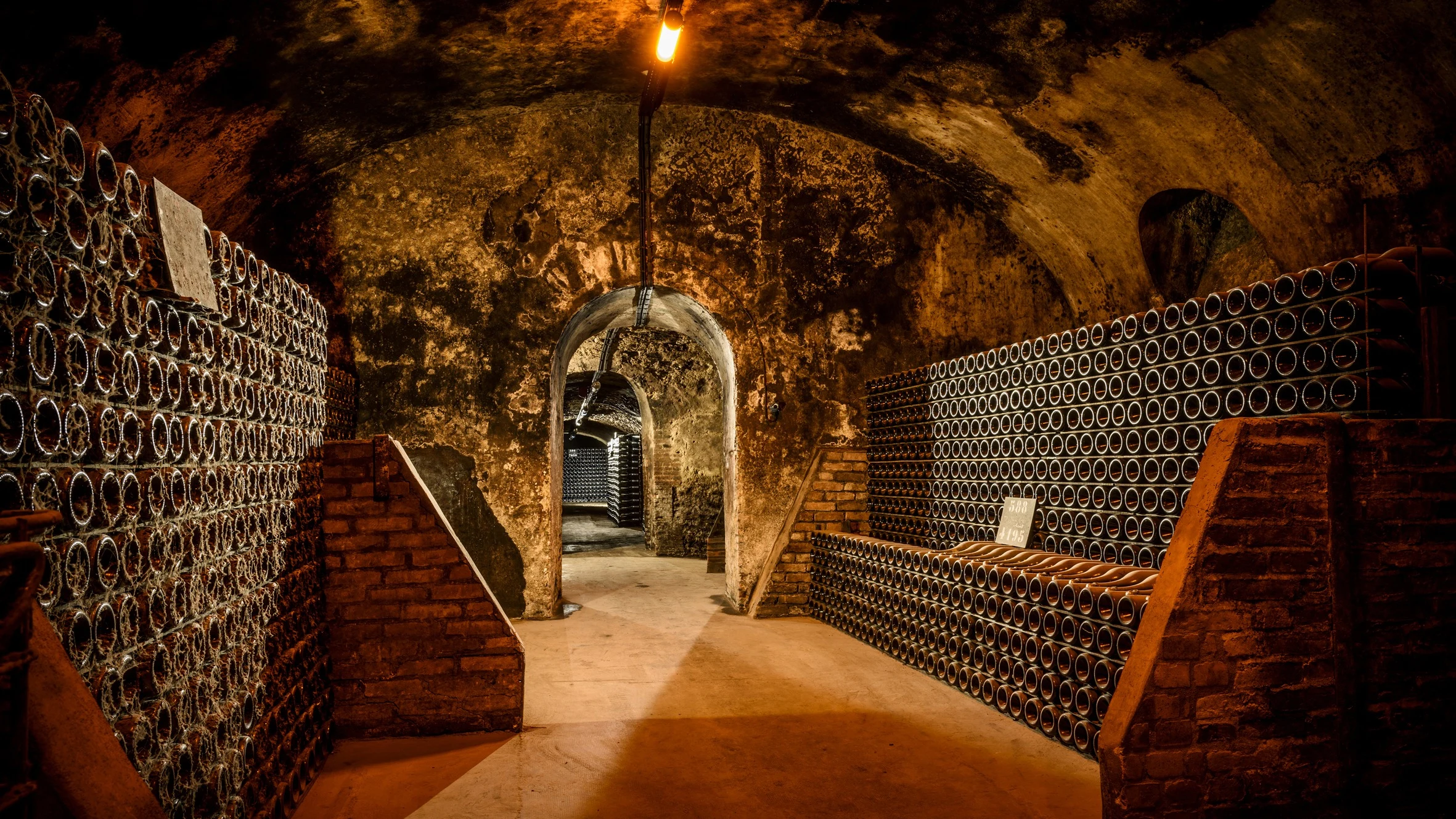
The tasting room is best described as simple and cellar-style. That makes the venue a strong fit for visitors who prefer a direct, unfussy encounter with organic wines in a scenic vineyard setting. The format implied here is not about theatrical service or an expansive destination experience; it is about keeping the vineyard in the foreground and allowing the estate’s historic, rustic character to shape the visit.
Planning should stay practical and flexible. Visitors should approach Domaine de la Ville de Morges with expectations aligned to the information that is clearest: hillside estate, lake-facing vineyards, organic wines, and a simple tasting environment. If exact tasting arrangements or other operational details matter, they are best checked directly with the venue rather than assumed from the general description.
For a wider day in Morges, compare Domaine de la Ville de Morges with other dining and drinking options in the city generically, while keeping this estate in mind for a classic, rustic, lake-facing vineyard experience. It works well as the kind of stop chosen for atmosphere, setting, and an authentic wine focus: a calm counterpoint to more polished or urban options, and a reminder that the vineyard landscape above Morges is itself a major part of the appeal.
Questions
Frequently asked
How expensive is Domaine de la Ville de Morges?
Domaine de la Ville de Morges is listed at a price level of $$.
The field
How it compares
| Place | Notes | Awards |
|---|---|---|
| Domaine de la Ville de Morges | Morges VD, $$ | · |
| Billecart-Salmon | Aÿ | World's 50 Best |
| Bolle & Cie | Morges | · |
| Domaine Faiveley | Nuits-Saint-Georges | World's 50 Best |
| Familienweingut Tement | Ehrenhausen | World's 50 Best |
| Krug | Reims | · |
| Valdicava | Montalcino | · |