Non-topped Jura whites under the house
- Falstaff Winery - Listed · 2026
Barrels left quiet beneath the house
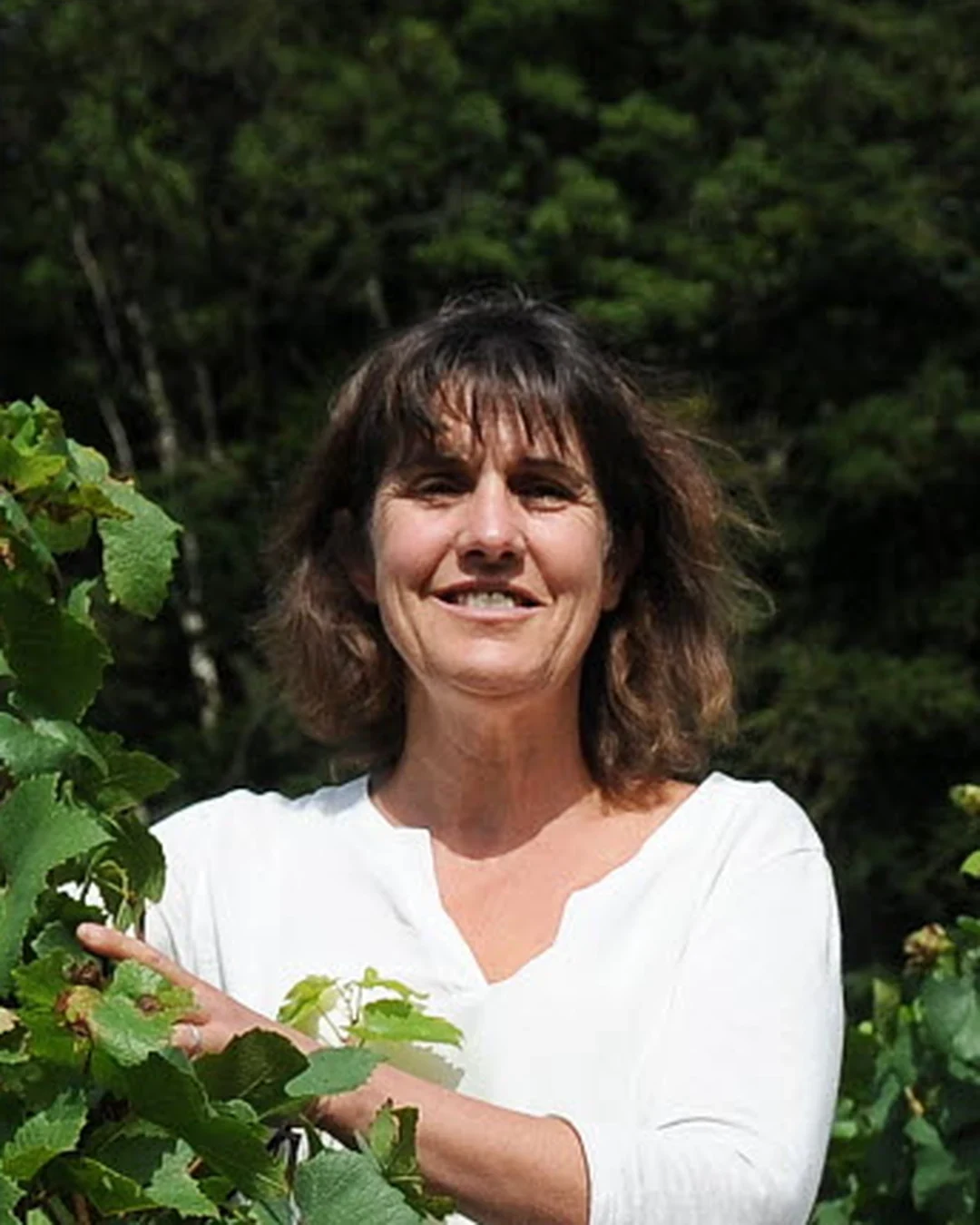
The white wines rest without racking or topping off, and Nicole Deriaux, winemaker at Domaine de Montbourgeau in L Etoile, keeps that old Jura discipline close to the bench. The cellar sits under the family home, not apart from it, so the work carries the rhythm of a domaine rather than a facility. Victor Gros, her grandfather, first planted the vineyards in 1920; Jean Gros, her father, took the head of the family in 1956 and expanded the holding. Nicole joined him in 1986, then took full responsibility for the operation, the third generation to answer for the vines, the barrels, and the finished wine. Her role is not framed by movement between houses. It is a long apprenticeship to one place, with land, timing, maintenance, and judgment folded into the same obligation. The domaine farms organically and works inside the narrow, exacting language of L’Etoile AOC, where Chardonnay and Savagnin set the white-wine grammar and Trousseau and Poulsard remain part of the family’s range. The craft here is continuity with consequence. A barrel left alone still asks for decisions.
Nine hectares in starfish limestone
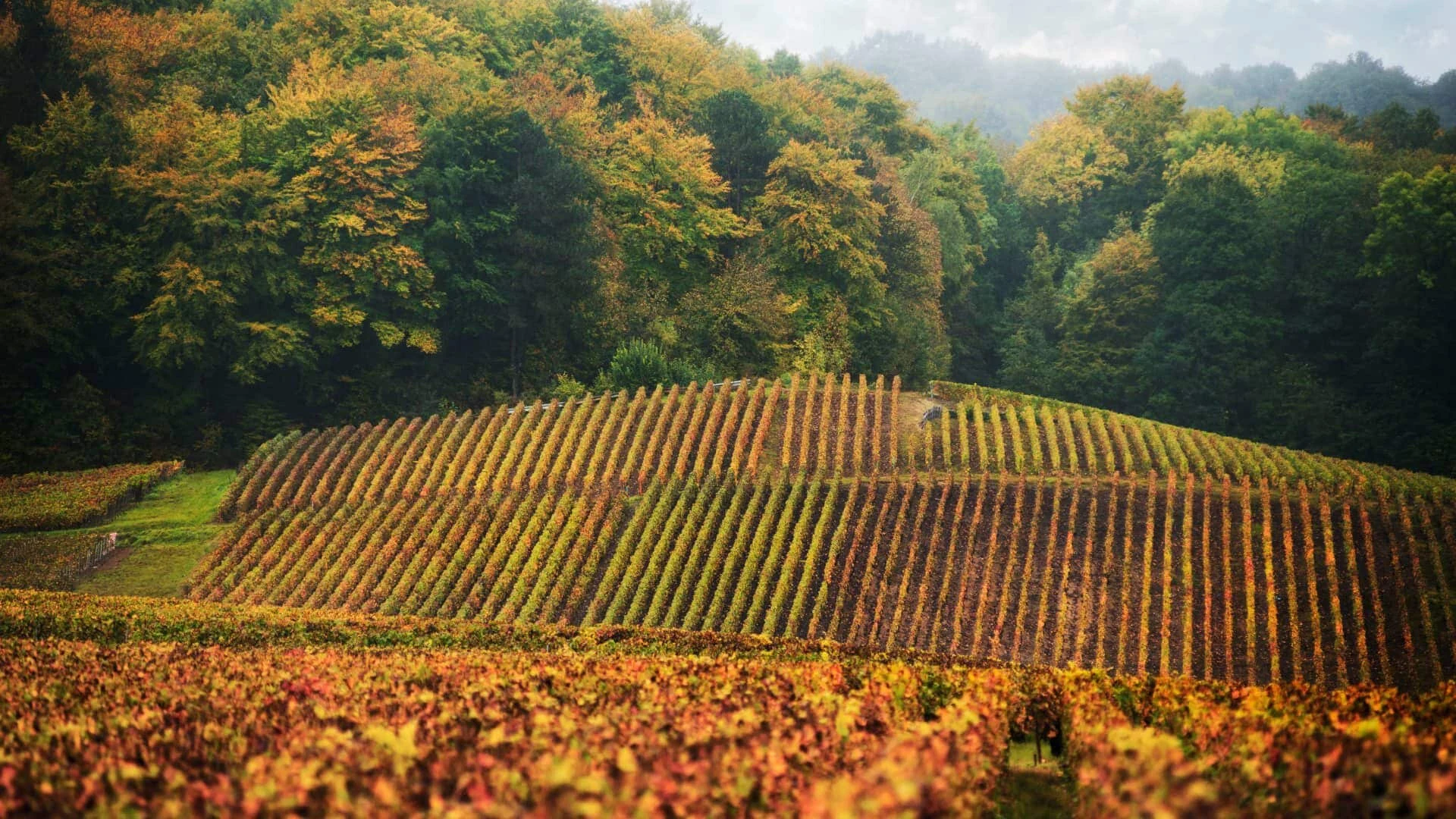
The domaine works nine hectares in and around the small L’Etoile appellation, whose name is tied to the star shape of the surrounding hills and to the starfish fossils found in its limestone soils. Those fossils are not scenery; they are part of the local argument for saline, waxy, oxidative whites with mineral force. Chardonnay is the main planting, while Savagnin accounts for 1.7 hectares, with Trousseau and Poulsard in smaller parcels. The fruit is hand-harvested, then fermented in stainless steel cuves before the wines move into foudres, demi-muids, and smaller barrels, virtually none new. For the traditional whites, the refusal to top up is the method. Air enters slowly. Flor and oxidation become cellar conditions rather than stylistic decoration. Montbourgeau also makes Crémant du Jura from younger Chardonnay vines; that wine completes alcoholic and malolactic fermentations, spends at least eighteen months on the lees during its second fermentation in bottle, and is disgorged without dosage. The line between restraint and neglect is thin in this region. Deriaux works on the restrained side.
A cellar with the house above it
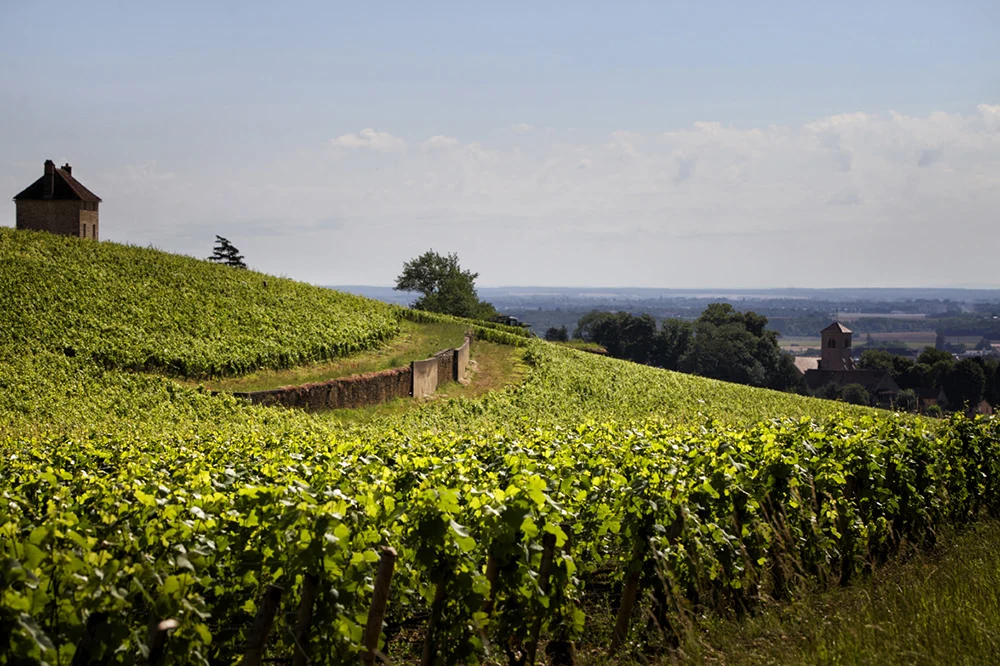
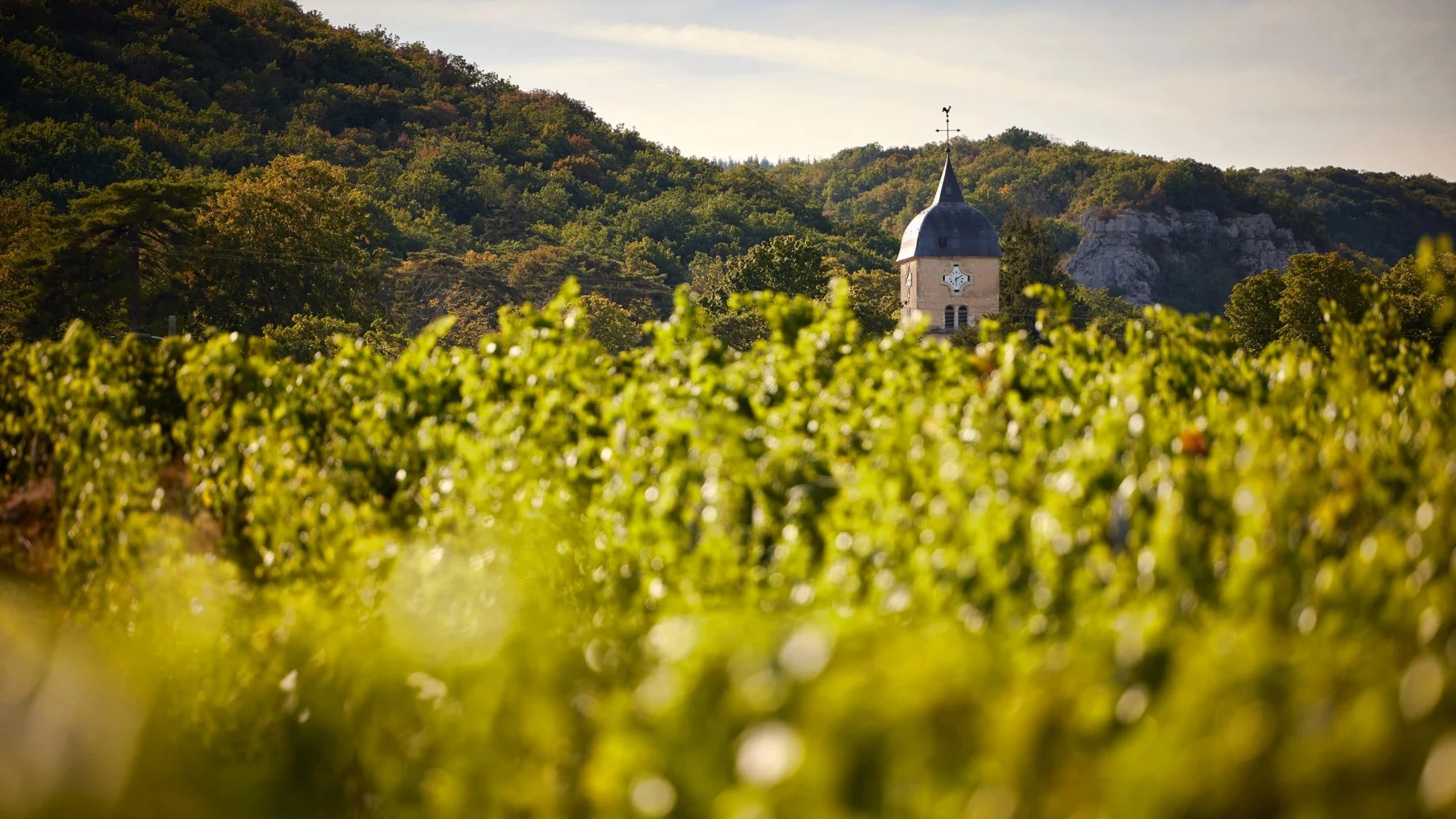
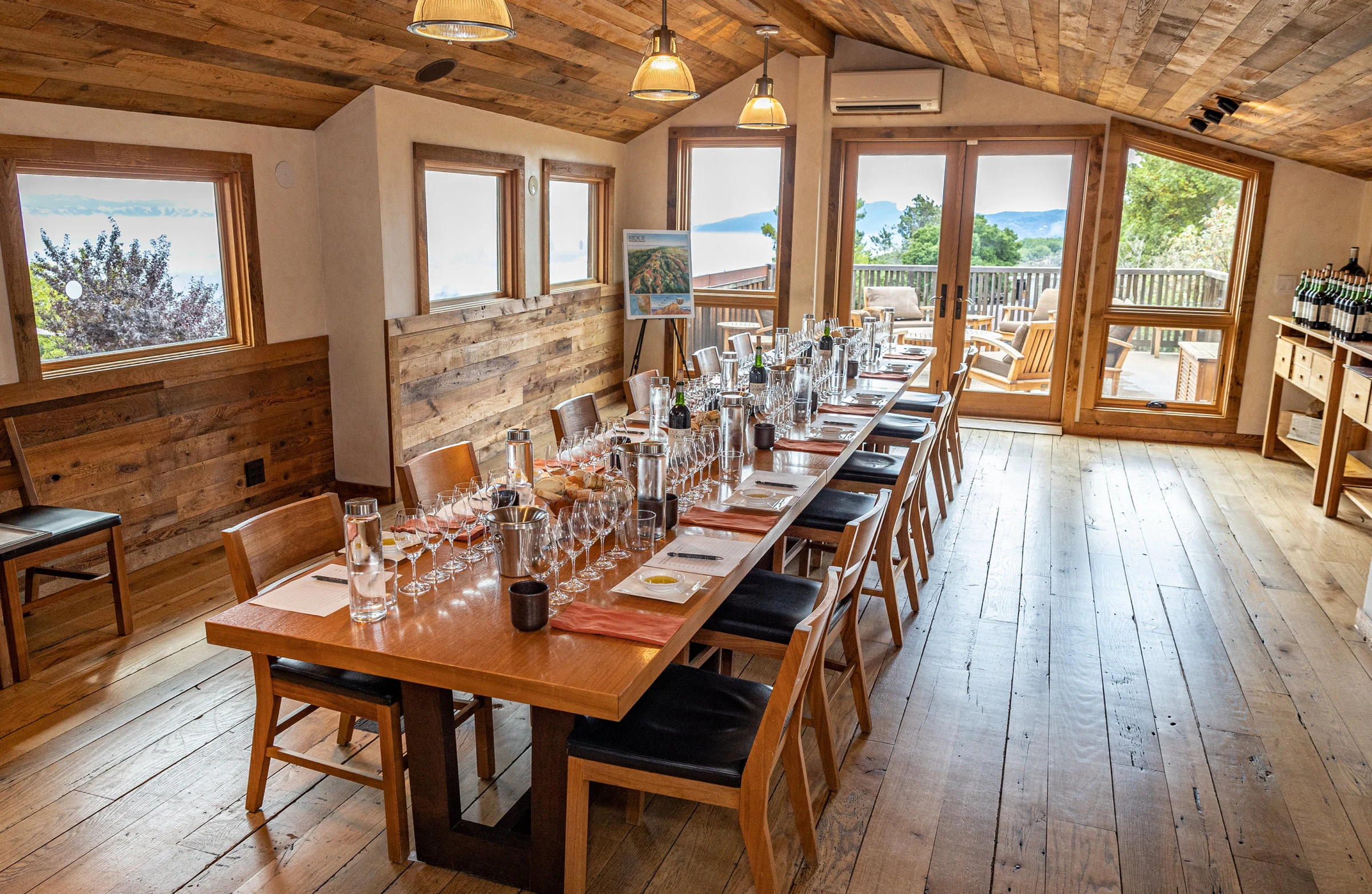
The room reads as a family estate before it reads as a tasting address. The cellar is rustic, quiet, and practical, with the house above and the Jura hills around the village; the work does not need polished theatre to explain itself. In the cellar, older wood matters because it does less. Stainless steel holds the ferment cleanly, then time in foudre, demi-muid, and barrel gives the wine its slow register without the imprint of new oak. The tasting room belongs to that same mood: intimate, producer-led, and close to the place where the wine is made. Outside, the vineyards return the eye to L’Etoile’s fossil-rich limestone. Inside, the barrels hold L'Etoile Cuvee Speciale and the memory of Montbourgeau L’Etoile 2008.
Questions
Frequently asked
Who makes the wine at Domaine de Montbourgeau?
Nicole Deriaux is the winemaker at Domaine de Montbourgeau, and she took full responsibility for the operation in 1986. The estate had already been run by her family for two earlier generations, beginning with her grandfather Victor Gros, who planted the vineyards in 1920.
What is Domaine de Montbourgeau known for?
The domaine is known for traditional Jura white wines from L’Etoile, made from Chardonnay and Savagnin. The whites rest without racking or topping off, and the cellar work follows that old Jura discipline closely.
What kind of wines does the estate make?
Montbourgeau farms nine hectares in and around L’Etoile and works mainly with Chardonnay, with 1.7 hectares of Savagnin and smaller parcels of Trousseau and Poulsard. It also makes Crémant du Jura from younger Chardonnay vines.
How do visits work?
Visits are by appointment only. Street parking is available.
The field
How it compares
| Place | Notes | Awards |
|---|---|---|
| Domaine de Montbourgeau | L'Etoile, $$ | · |
| BOND Winery | Napa | · |
| Clos Apalta (Casa Lapostolle) | Santa Cruz | World's 50 Best |
| Domaine Denis Mortet | Gevrey-Chambertin | · |
| Domaine Georges Roumier | Chambolle-Musigny | · |
| Ridge Vineyards | Cupertino | World's 50 Best |
| Ruinart | Reims | World's 50 Best |