Domaine de Soleure
- 01CityLe Landeron, Switzerland

- Falstaff Winery - Listed · 2026
Swiss wine culture is often at its most compelling in places that feel rooted in local continuity rather than spectacle. At Domaine de Soleure, the appeal is a historic municipal wine estate, a classic cellar-shop atmosphere, and a focus on elegant, expressive wines from Le Landeron and Vully. The setting is direct and traditional, with the character of a classic historic building rather than a highly designed hospitality space. That restraint is part of the point: the experience is not framed around novelty, performance or luxury staging, but around a quieter encounter with a local wine place that appears comfortable in its own inherited identity.
Le Landeron, Vully and the civic logic of the cellar
Domaine de Soleure is best understood through its setting: Le Landeron, Vully and a municipal wine-estate identity. The guide-worthy point is not a long list of amenities or a restaurant-style proposition, but the way the place frames wine through local heritage, a traditional cellar-shop mood and a calm sense of continuity. In that sense, the venue works well when approached as a civic and regional expression first, and only then as a tasting or buying stop.
The venue’s distinguishing feature is its historic municipal character. That gives Domaine de Soleure a different feel from more commercial wine stops: it reads as a classic local estate with a cellar-shop atmosphere, focused on presenting wines from Le Landeron and Vully in a clear, unfussy way. The municipal dimension matters because it shifts the emotional register of the visit. Rather than suggesting a branded destination built around hospitality polish, the place points back toward local stewardship, tradition and the relationship between a community and its surrounding wine landscape.
Its style is quiet and traditional rather than showy. The price level is $$, and the atmosphere is best described as classic, historic, hidden-gem and cozy. For visitors, that means the strongest reason to go is the sense of place: a wine-focused stop in Le Landeron with an emphasis on regional expression. It is the kind of address where the appeal lies in proportion and authenticity, not in excess. The building, the cellar-shop tone and the regional focus all reinforce the same impression: this is a compact, grounded way to meet Swiss wine through its local context.
What the format says about Swiss wine travel
The hospitality impression is cellar-shop in spirit, not a resort-style production. That distinction is useful for travellers. Swiss wine travel often rewards those who value direct, local wine encounters over elaborate programming, and Domaine de Soleure fits that quieter pattern. It belongs to the side of wine tourism where the experience is shaped by setting, continuity and the wines themselves, rather than by a heavily programmed visitor journey.
Plan around Domaine de Soleure as a historic wine-estate stop in Le Landeron, and confirm practical details directly before making a special trip. That is especially important because the editorial reason to include it is specific rather than broad: the value is in the municipal estate identity, the traditional cellar-shop atmosphere and the connection to wines from Le Landeron and Vully. Treat it as a focused wine address, not as an all-purpose hospitality venue.
For broader planning around Le Landeron, keep the wine stop separate from meals and lodging unless current local information confirms otherwise. Other dining in Le Landeron can round out the day, while Domaine de Soleure remains focused on its classic municipal wine-estate identity. This separation helps set expectations correctly. The visit is strongest when it is allowed to remain what it is: a concise, place-led encounter with local wine culture, rather than a substitute for a full dining itinerary or a wider leisure complex.
How to read the bottle list
The safest way to approach Domaine de Soleure is as a study in regional Swiss wine character rather than as a place defined by a single grape, cuvée or award. Its stated focus is on elegant, expressive wines from Le Landeron and Vully, presented in a traditional cellar-shop setting. That language is useful because it keeps attention on the regional frame. The point is not to chase a trophy bottle or to reduce the estate to one label, but to understand how the wines communicate a local identity through balance, clarity and a sense of origin.
The estate’s strongest editorial case is not awards hardware or critic-score theatre. It is the combination of a historic municipal wine-estate identity, a classic building, a cozy hidden-gem feel and a focus on wines tied to Le Landeron and Vully. That makes Domaine de Soleure relevant as a compact example of Swiss wine culture expressed through place and tradition. Its appeal is modest in the best sense: it shows how a wine stop can be memorable without needing to become theatrical, and how a historic local setting can carry much of the meaning of the visit.
Related wine reading: Domaine de Soleure.
Questions
Frequently asked
How expensive is Domaine de Soleure?
Domaine de Soleure is listed at a price level of $$.
The field
How it compares
| Place | Notes | Awards |
|---|---|---|
| Domaine de Soleure | Le Landeron, $$ | · |
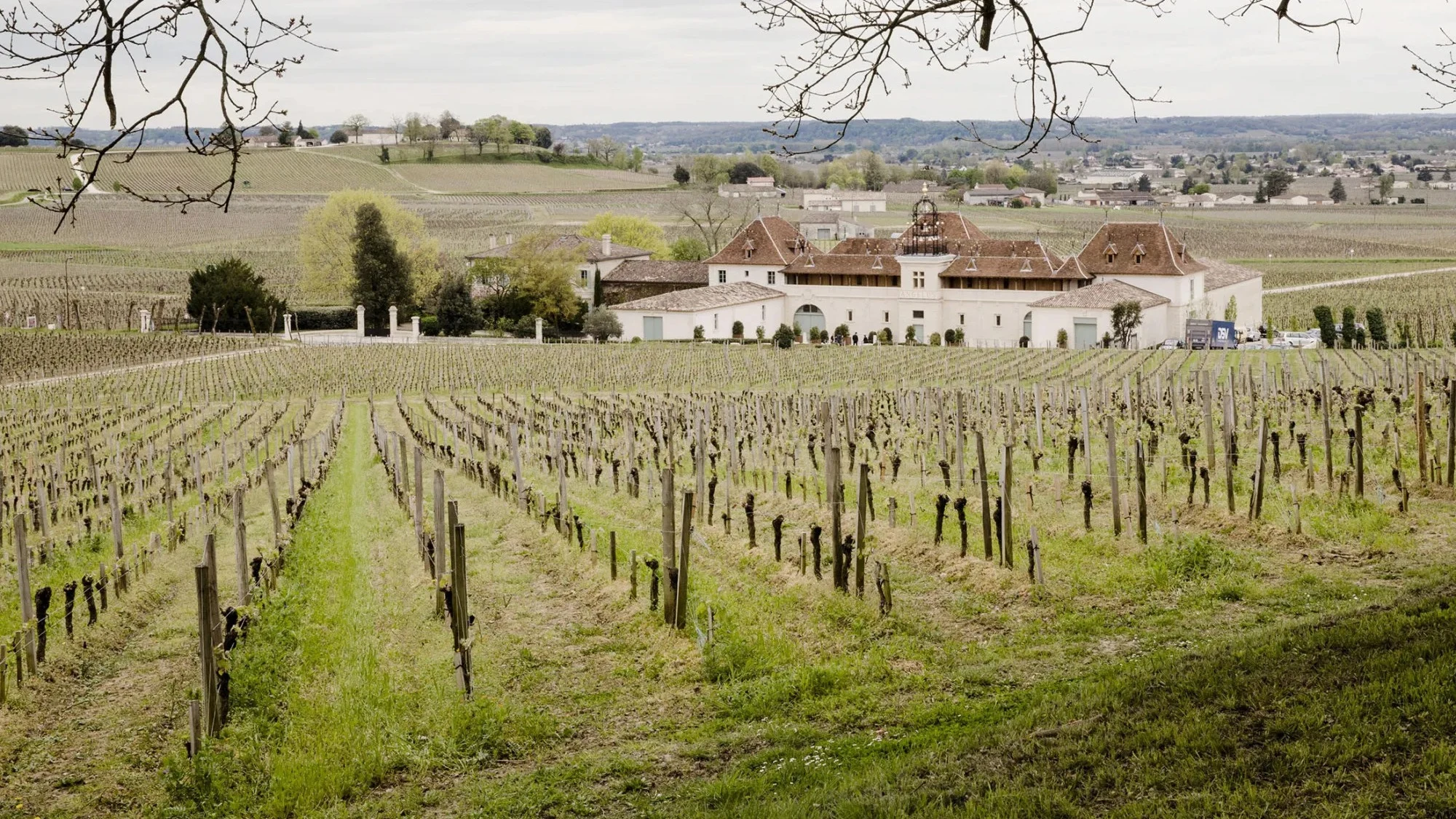
| Château Angelus | Saint-Émilion | · |
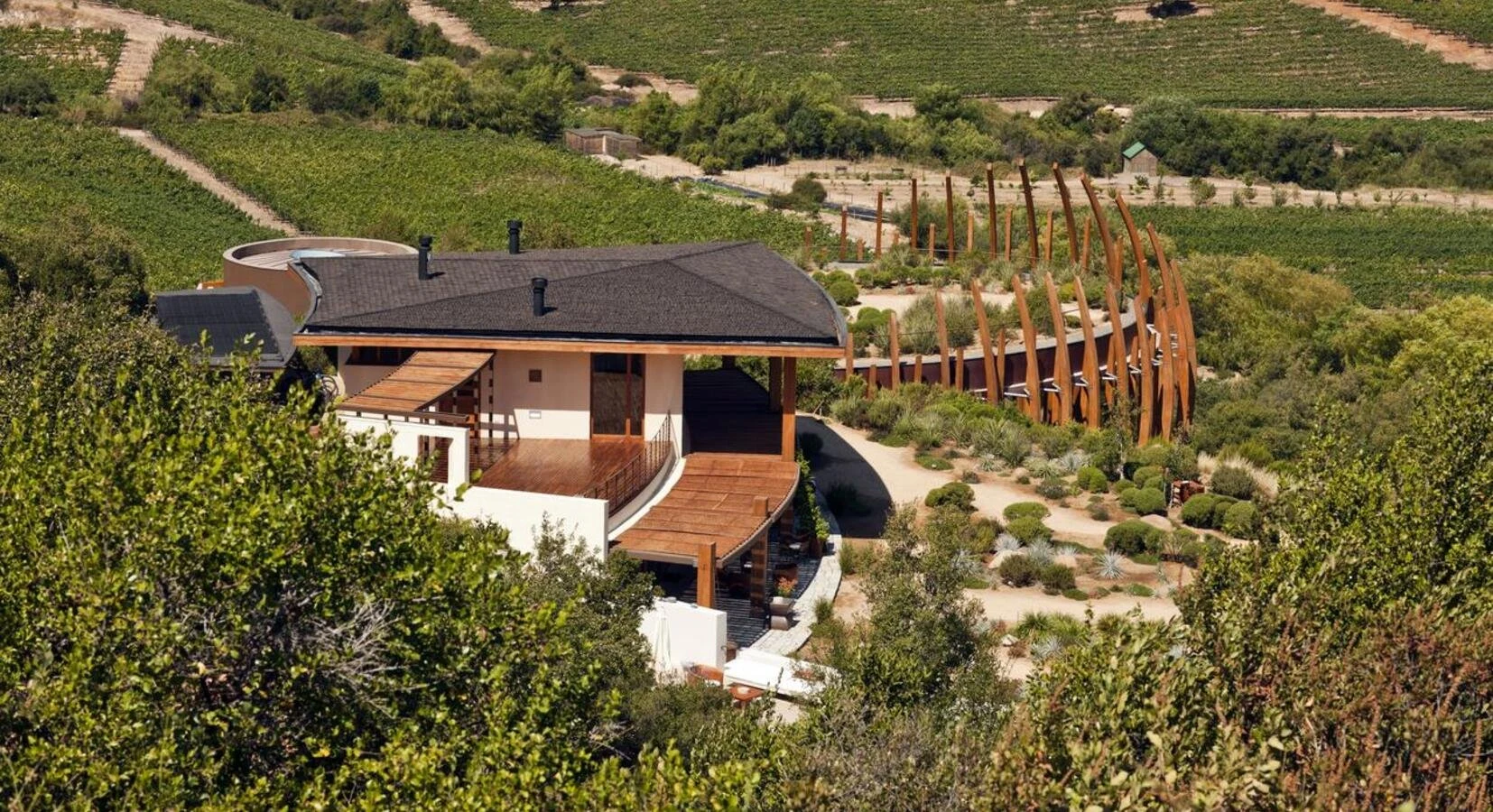
| Clos Apalta (Casa Lapostolle) | Santa Cruz | World's 50 Best |
| Domaine 508 | Le Landeron | · |
| Domaine Angelrath | Le Landeron | · |
| Domaines Barons de Rothschild (Lafite) | Bordeaux | · |
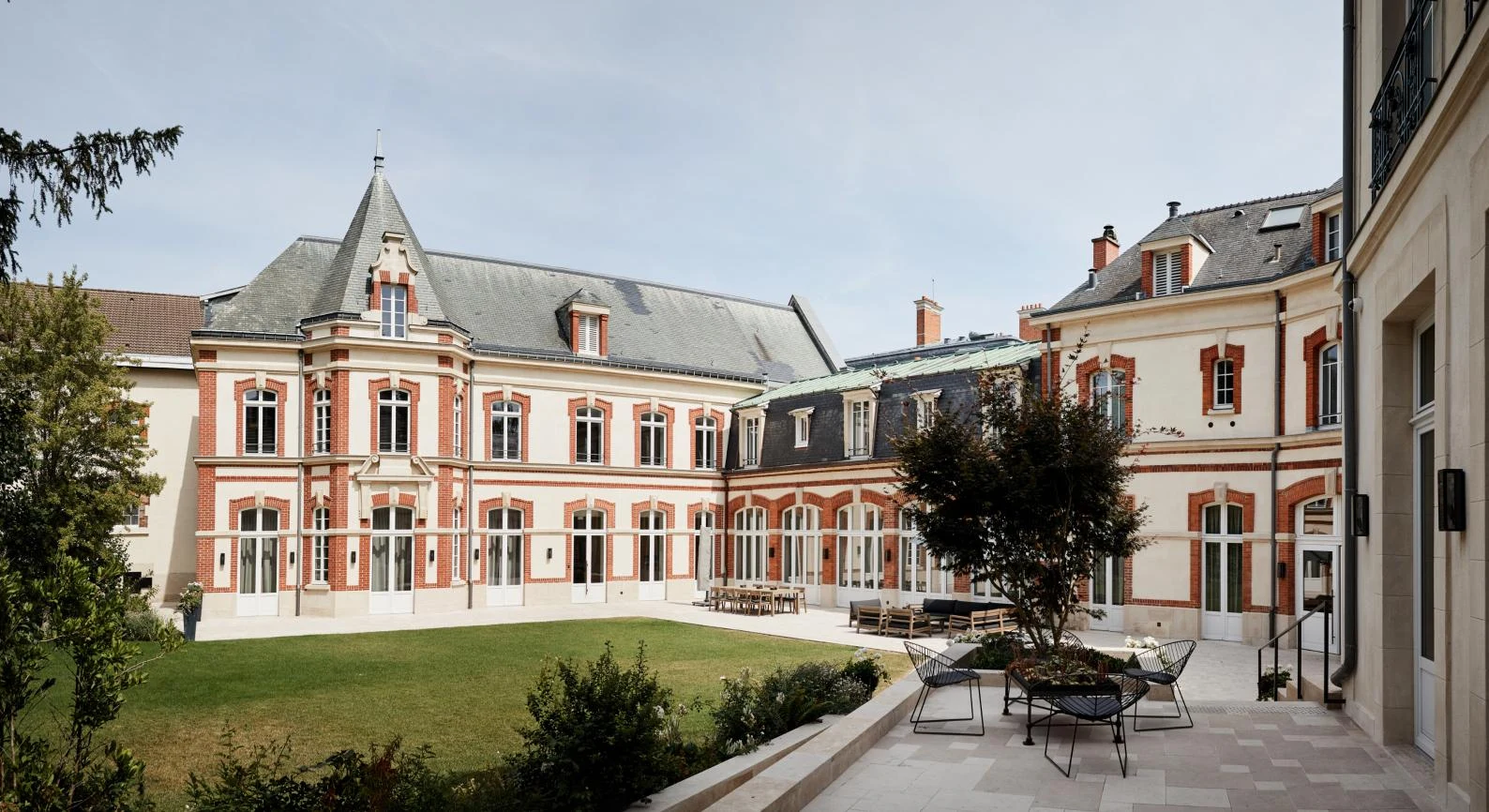
| Krug | Reims | · |