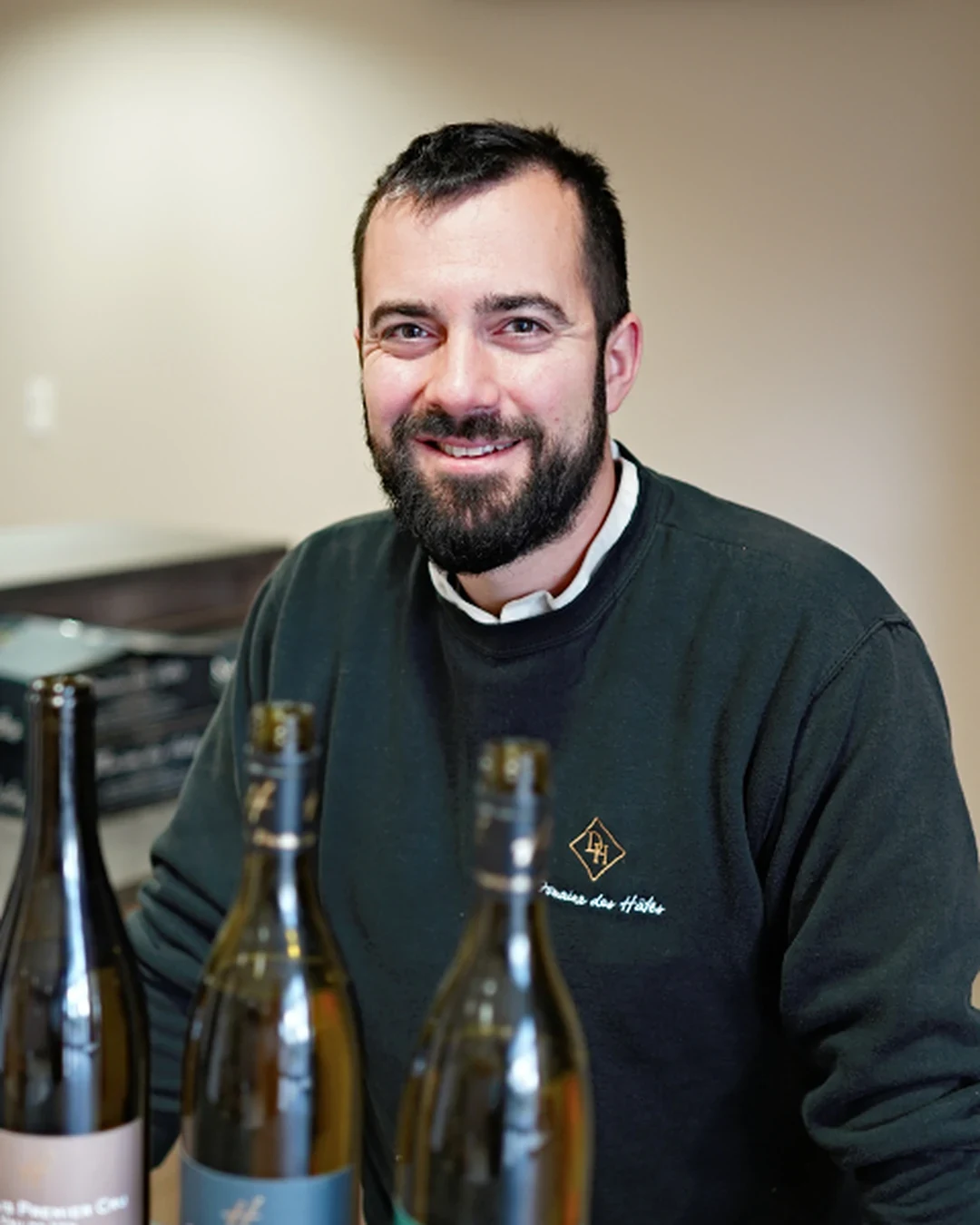
Pierrick Laroche, winemaker at Domaine des Hâtes in Maligny, works 28 hectares of Chardonnay through a focused Chablis cellar.
Natural yeasts set the pace in tank before Pierrick Laroche, winemaker at Domaine des Hâtes in Maligny, decides how each Chablis will take its time. His training at Beaune gave him a technical base for that kind of patience, but the estate work keeps the learning close to the vines. Laroche has held the proprietor and winemaker roles here since 2009, joining stewardship to cellar decisions rather than separating the two. The formal bottling began with the 2010 vintage, a first commercial release of 2,300 bottles that received a three-star rating from Guide Hachette. The older story sits in the land. In the 1970s, Laroche’s father began expanding the family’s vineyard holdings by applying each year to the INAO for roughly 1.5 acres of additional planting. That slow accretion matters at Domaine des Hâtes, because the estate now works 28 hectares devoted entirely to Chablis appellations, from Petit Chablis to Chablis Grand Cru Bougros. The lineage is not ornamental here. It is a practical inheritance: rows added by one generation, vinified and bottled by the next, with Maligny as the fixed point.
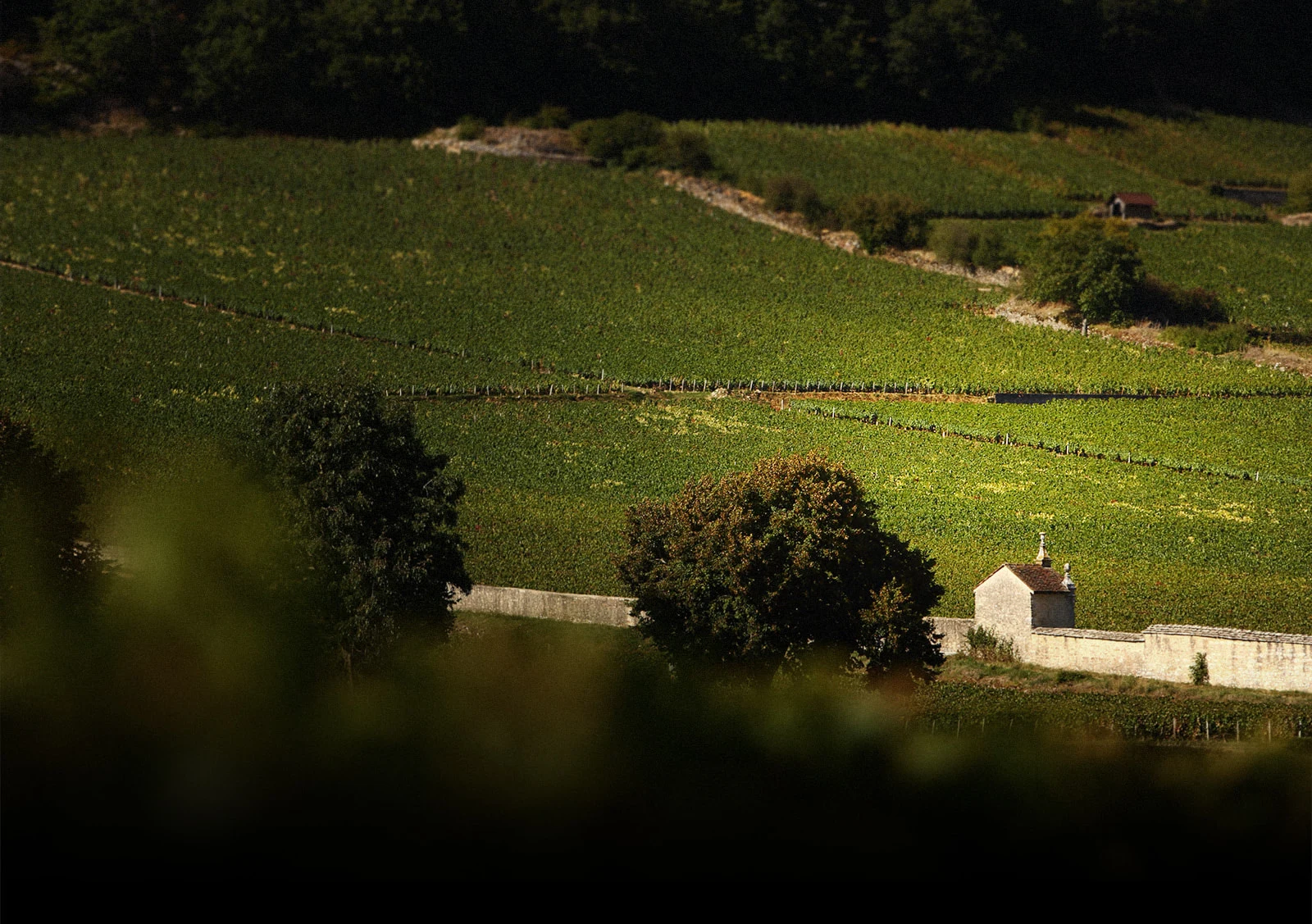
The program is narrow by design. Domaine des Hâtes works Chardonnay for Chablis AOC, with a portfolio that moves through Petit Chablis, Chablis AOC, five Chablis 1er Cru sites, and Chablis Grand Cru Bougros. The named 1er Cru parcels include Beauroy, Butteaux, L’Homme Mort, Les Beauregards, and Vau de Vey; the house treats each bottling as an expression of place rather than material for blending across sites. In the vineyard, the domaine follows lutte raisonnée, avoiding herbicides and insecticides and using contact and organic products according to weather and vine pressure. Maligny’s clay-rich soils help retain water, giving the wines weight, body, flinty minerality, smoky notes, and frank acidity. In the cellar, alcoholic fermentations run for 2-3 months with natural and local yeasts. The wines then complete full malolactic fermentation. Most élevage stays in stainless steel, while up to 20% of the portfolio sees selected Burgundy barrels. Lees contact lasts at least 12 months, giving texture without making oak the point.
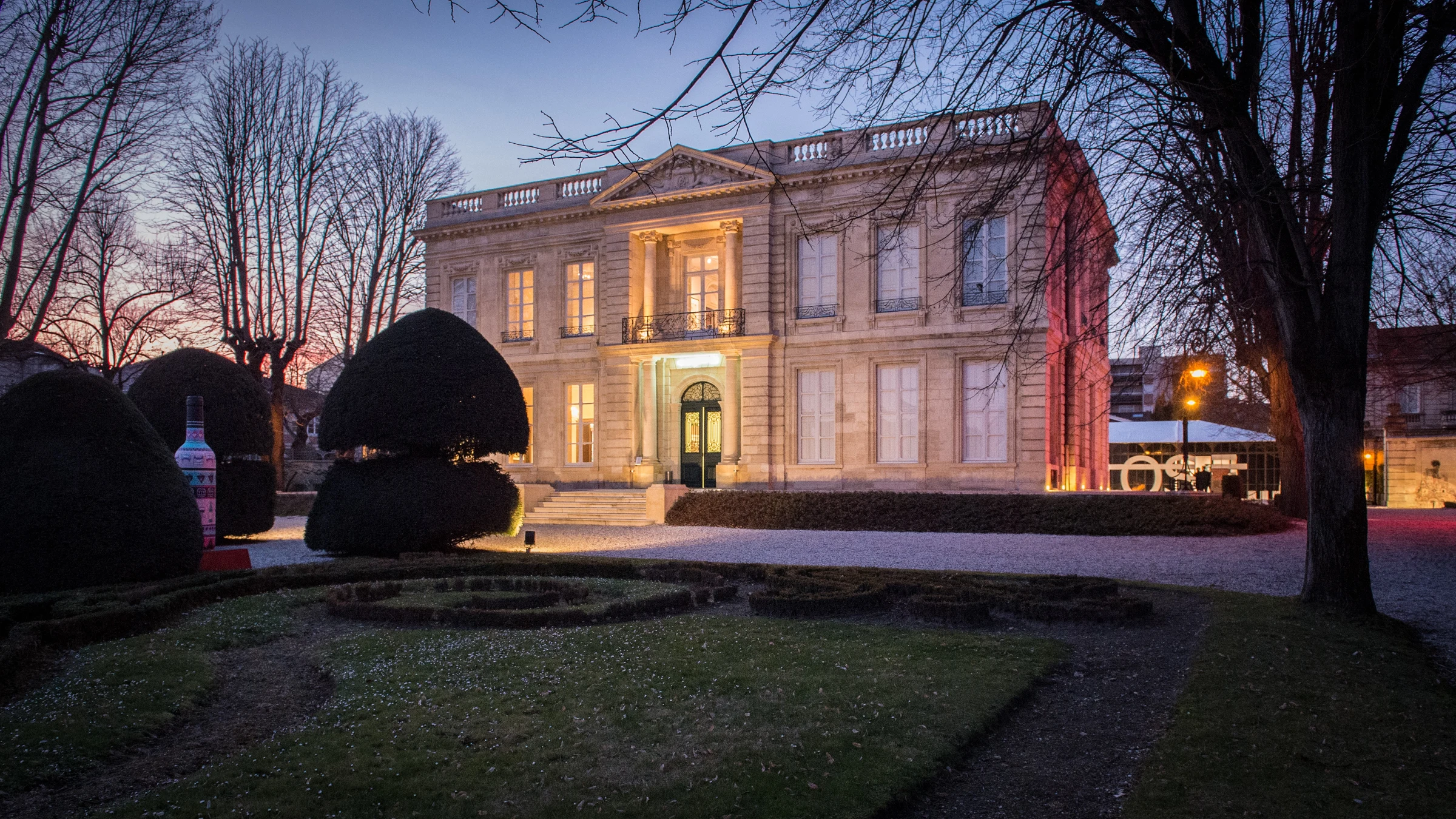
The place reads first as a working family domaine. Maligny sits in the north-west sector of the Chablis region, and the estate is surrounded by vineyard country rather than arranged as a polished stage set. Visits center on the cellar, the facility, and the tasting that follows, with the quiet of a place where tanks, barrels, and vineyard decisions remain the main architecture. The room does not need spectacle. Its scale comes from focus: one grape, one region, a line of appellations that asks the cellar to keep distinctions intact. In that setting, the counter and tasting room are extensions of the work rather than a pause from it. A glass of Chablis 1er Cru L’Homme Mort carries the clay, acidity, and smoke back into the room.
Domaine des Hâtes matters because its discipline is unusually legible. The family did not arrive at 28 hectares through a single gesture; it came through annual requests, parcel by parcel, then through Laroche’s decision to bottle under the estate name. That makes the Grand Cru Bougros more than the top of a list. It is the far end of a method that begins in Maligny soils, passes through slow fermentation, and rests on lees before it reaches the bottle. The close attention stays with Chablis Grand Cru Bougros.
Maligny, Bourgogne-Franche-Comté, Frankreich
Maligny