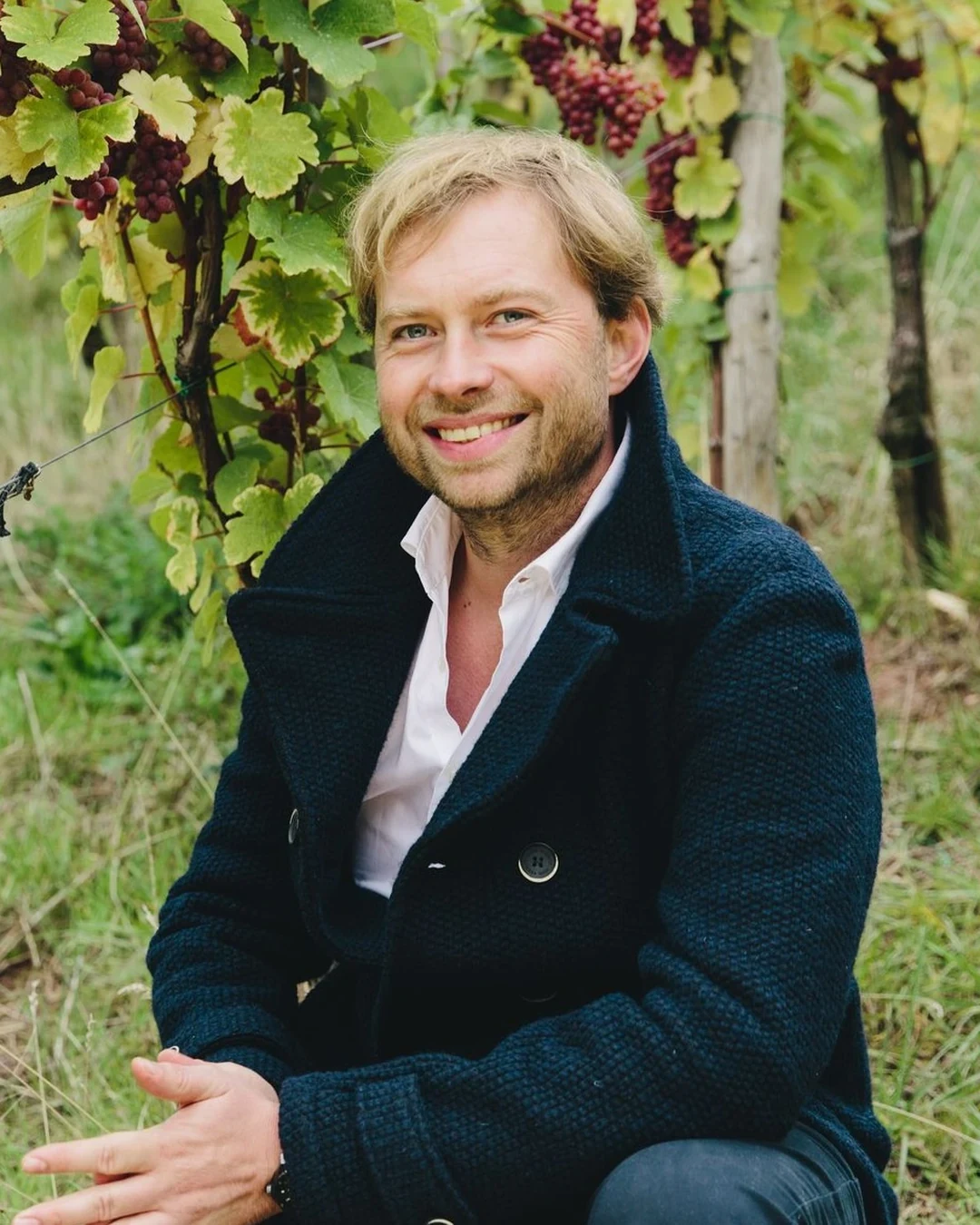
Marc Desom, cellar master at Domaine Desom in Remich, shapes Moselle wines and crémants through estate fruit and cellar discipline.
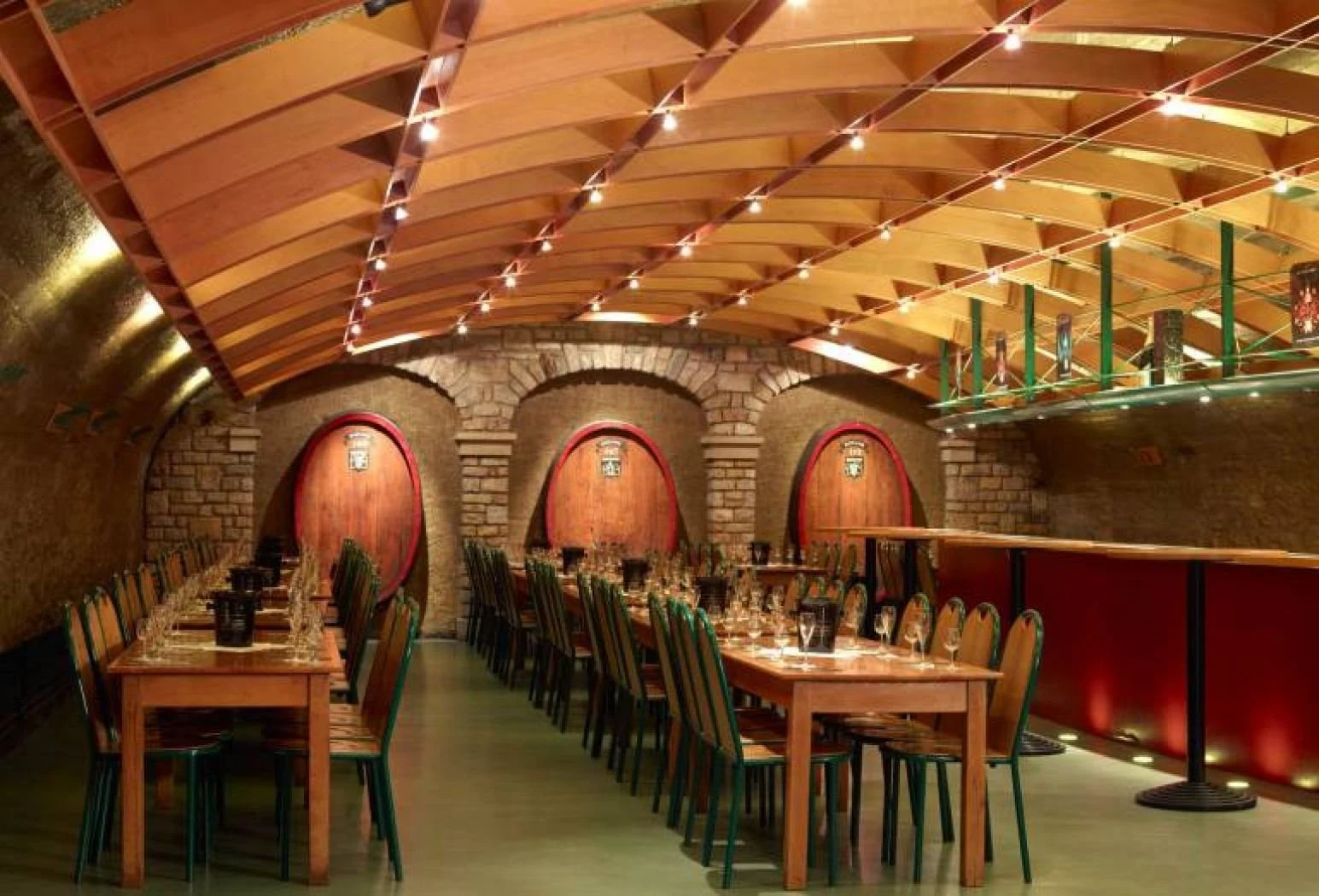
Fermentation, aging, and release all pass through Marc Desom, cellar master at Domaine Desom in Remich, where the Moselle sets the pace of the house. As Marc Desom works between the cellar and the oenologist’s bench, the job is both practical and analytical: keeping the wines aligned with the fruit, the site, and the family name on the label. He is also associé-gérant of Caves St Remy-Desom S.à r.l., the company behind the estate, a role that keeps cellar discipline close to the decisions of the house itself.
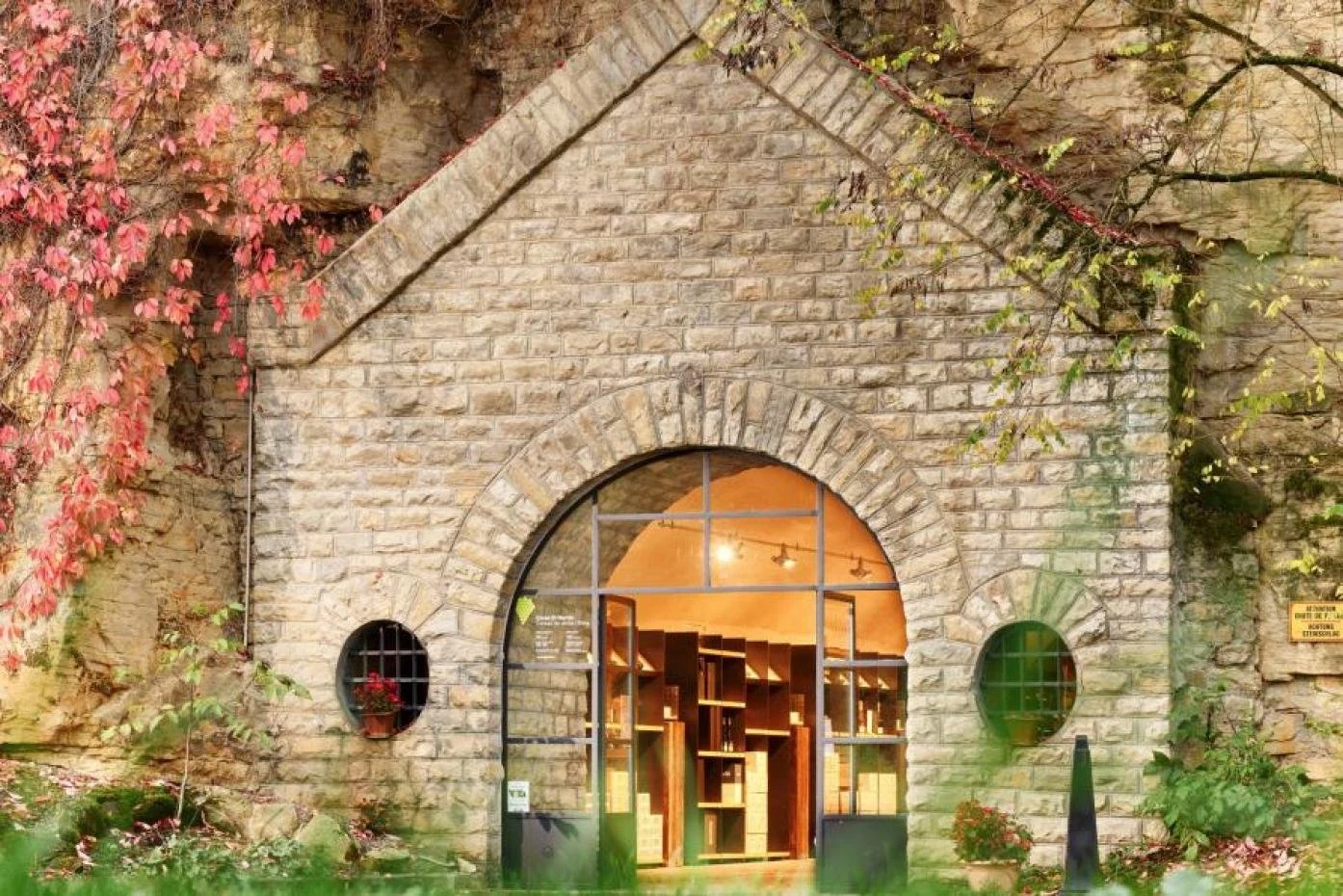
Domaine Desom dates to 1925, and the family has carried it through four generations. That continuity matters here because the cellar is not treated as a stage. It is a working ground, shaped by repetition, timing, and the kind of small corrections that never need an audience. Desom’s remit, as cellar master and oenologist, sits exactly there. He reads the material as wine and as process, then holds the line from harvest through élevage and bottling. The estate’s philosophy is sustainable and tradition-forward, rooted in the Moselle Luxembourg appellation rather than in novelty for its own sake.
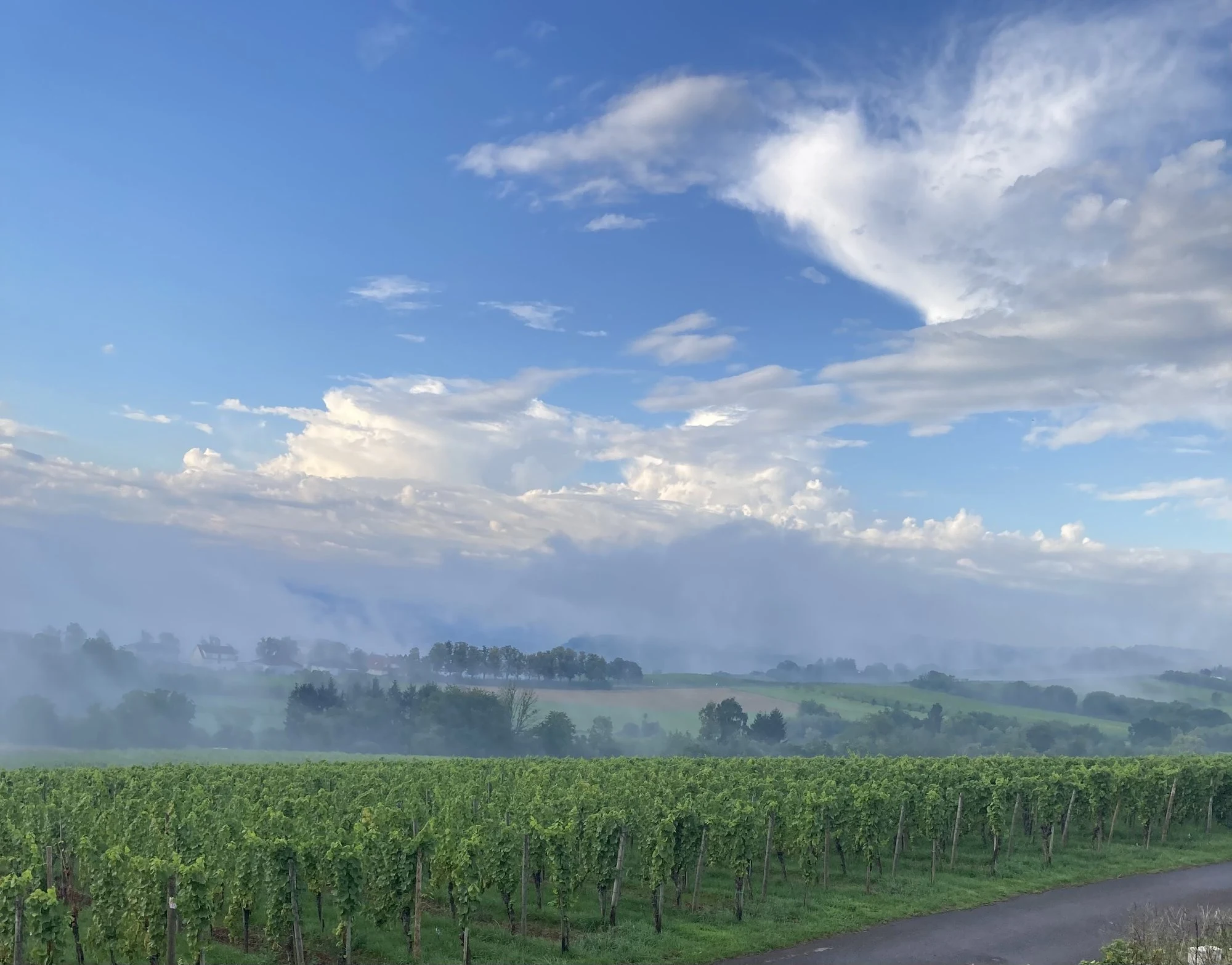
The agricultural backbone is a 40-hectare estate spread across Moselle localities between Schengen and Wormeldange: Naumberg, Primerberg, Markusberg, Kolteschberg, Diefert, Foulschette, and Kurschels. The range gives the cellar several registers to work with, from still white and rosé wines to dessert styles and Crémants de Luxembourg. Pinot Gris, Riesling, Pinot Blanc, Elbling, Auxerrois, Rivaner, and Pinot Noir all belong to the estate’s vocabulary, with Pinot Gris carrying particular weight in the portfolio.
The sparkling program gives the method its clearest shape. Crémant Rosé, Crémant Elegance, Crémant Millésimé, Crémant Tradition, and Desom Brut Millesimée Magnum mark different positions within the same house language. The traditional-method work asks for control before it asks for display: fruit selection, blending, secondary fermentation, lees time, and the decision of when a cuvée has enough tension to leave the cellar. The house also works with late-vintage wine, ice wine, straw wine, and barrique-aged bottlings, which extends the range without loosening the frame. Each category depends on timing. Each leaves less room for correction than it seems.
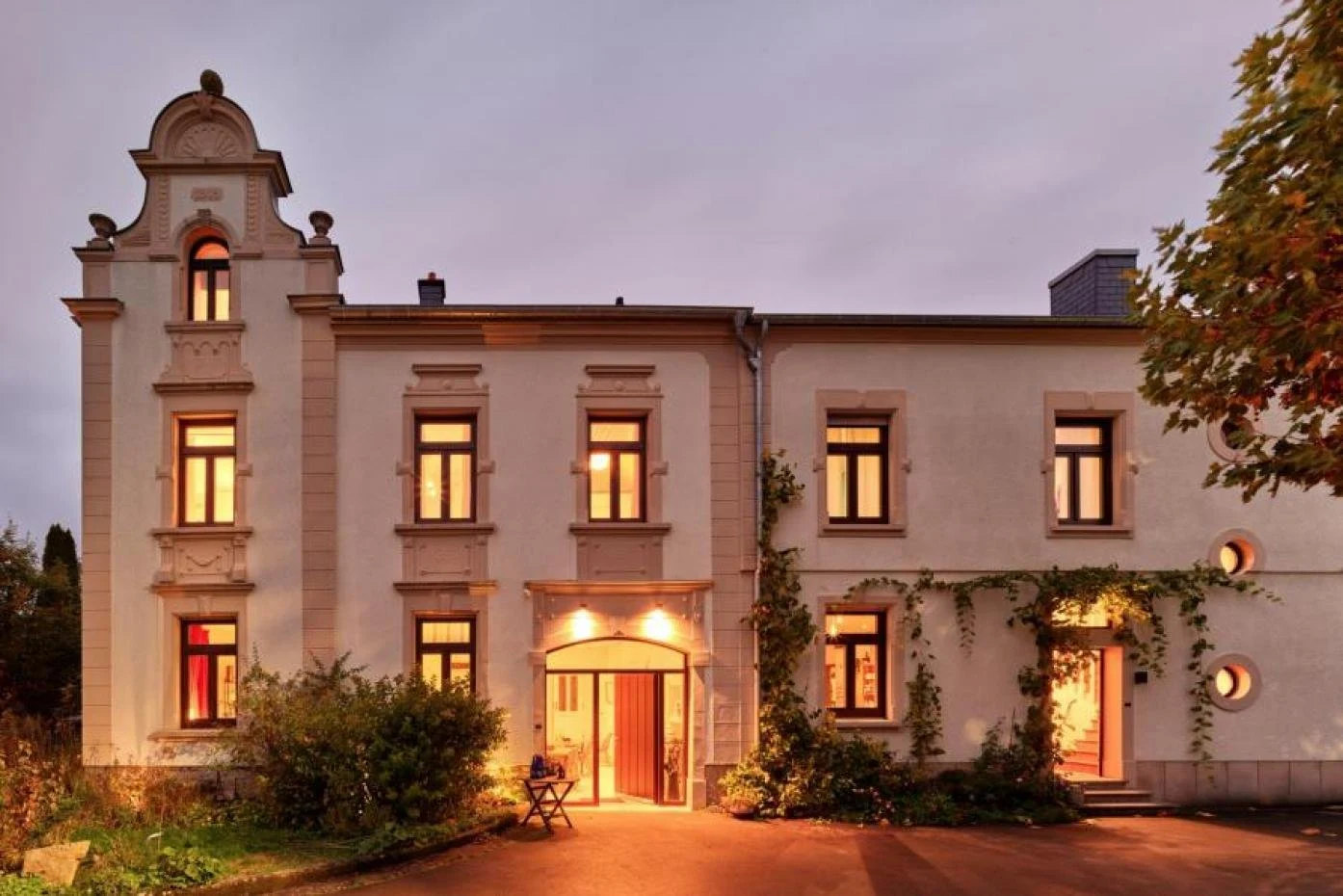
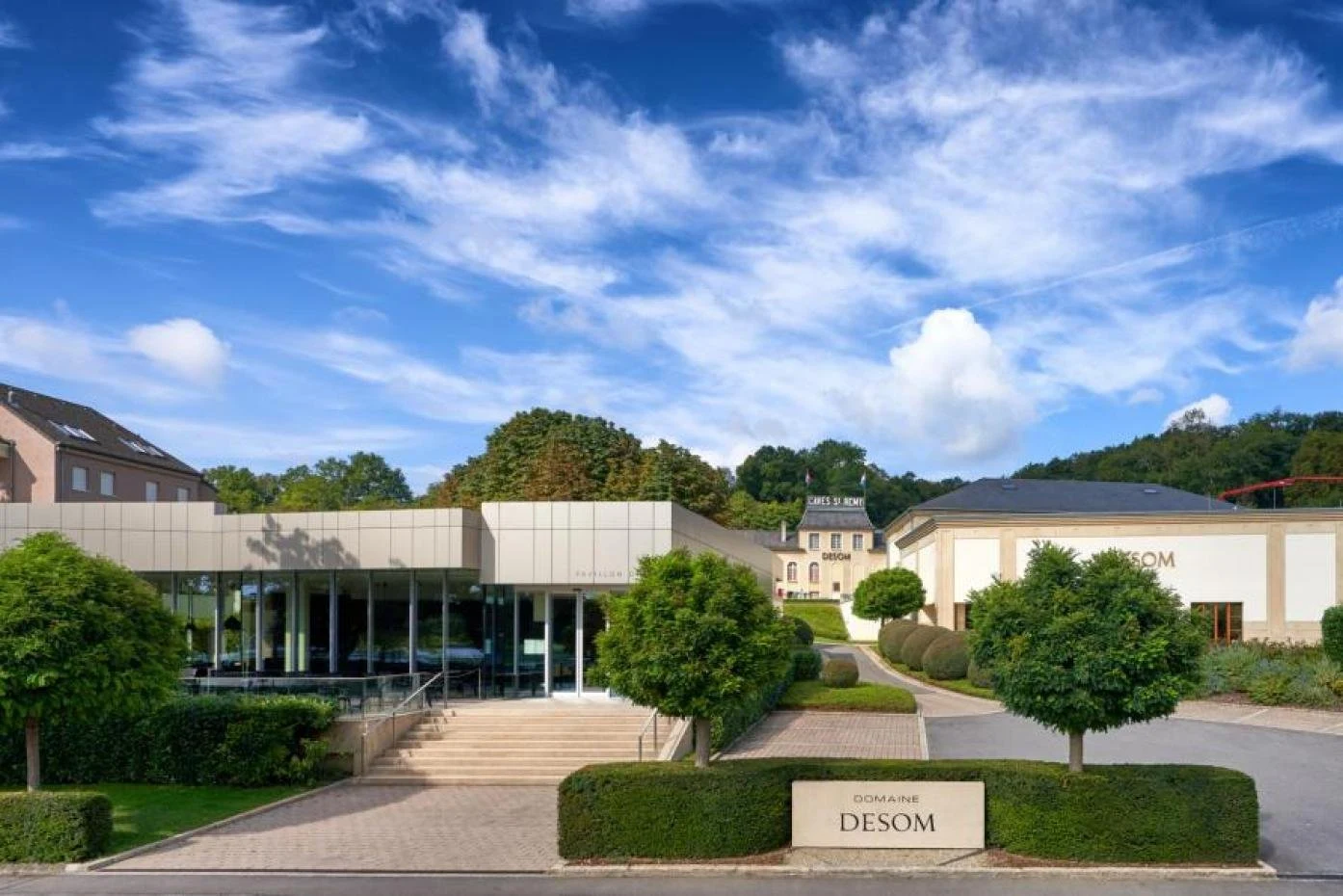
The public face of the estate is not only the cellar. On the Esplanade in Remich, Pavillon Desom brings the wines to a riverside room, restaurant, shop, and tasting setting on the Moselle. The atmosphere is refined and tradition-forward rather than theatrical, with conversation carrying easily across the room and the river giving the place its quiet measure. Glassware, service, and the view all point back to the same work downstairs and upriver in the vineyards.
That pairing of cellar and pavilion suits the estate. Domaine Desom is not presented as a detached production site with hospitality added later; the tasting room and restaurant extend the cellar’s grammar into the room. Still whites, sparkling wines, rosés, and sweet styles can be read beside food, which gives Desom’s work another kind of test. A cuvée has to hold its line in the glass, then again at the table.
Marc Desom’s recognition includes a gold medallion at the Estonian Wine Fair, and he continues to be responsible for the cellar at a family estate founded in 1925. The next release is not announced here as theatre. It arrives through the same bench-side discipline that holds Crémant Tradition in place at Domaine Desom.
Remich, Moselle Luxembourgeoise, Luxembourg, Luxembourg
Esplanade