- Falstaff Winery - 5 Stars · 2026
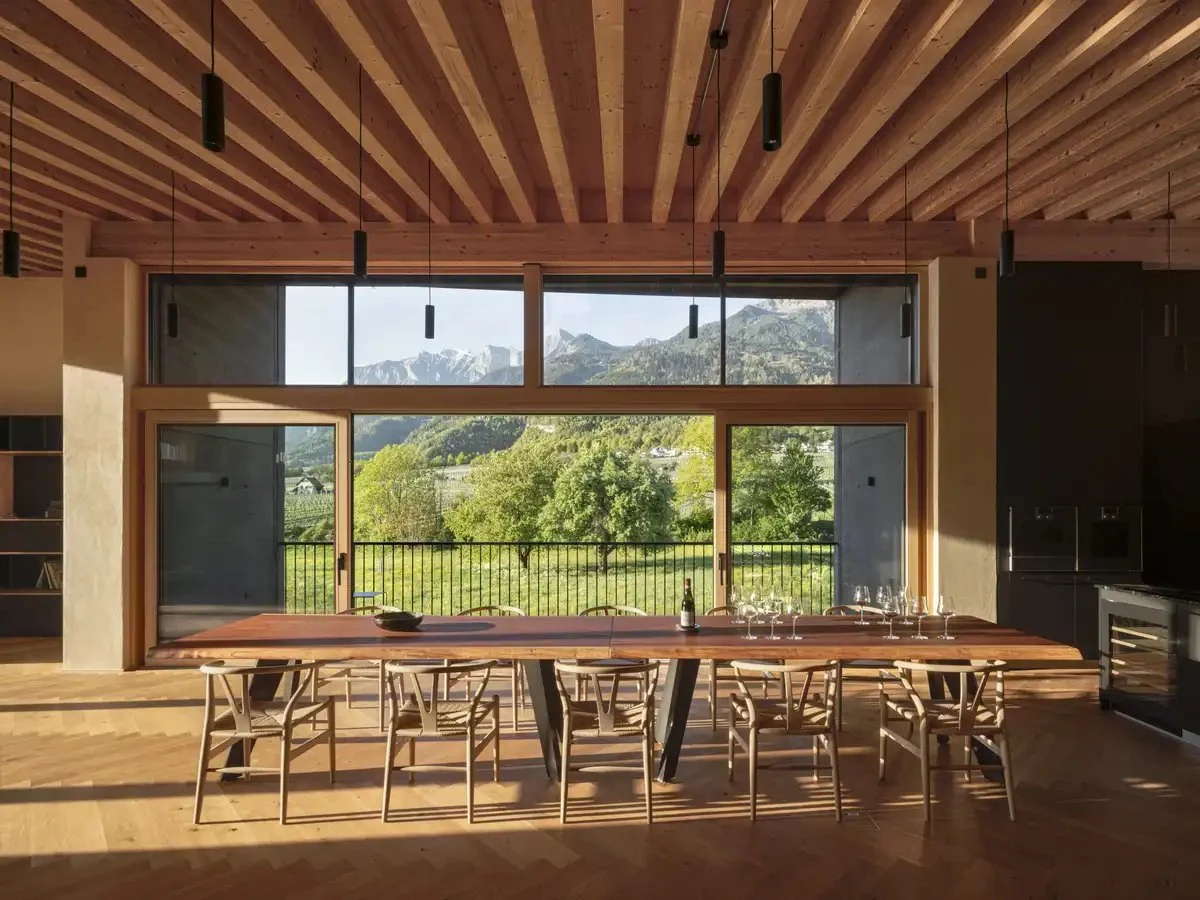
Domaine Donatsch in Malans is best described from the essentials: a family-run historic winery with a cozy, traditional wine tavern atmosphere. Its setting is part of the appeal. The experience is framed by centuries-old vaulted cellars and classic village buildings, giving the place a rustic, intimate character rather than the feel of a large, polished visitor center.
For travelers planning around Malans, that matters. Domaine Donatsch is not presented here through claims about specific grapes, awards, founders, vineyard parcels, bottle counts, menus, or service formats. The reliable picture is narrower but still useful: this is a serious, wine-focused stop in a historic village-winery setting, with a traditional tavern mood and a price listed at $30 per person.
A historic winery atmosphere in Malans
The strongest reason to consider Domaine Donatsch is the atmosphere. The venue combines old cellar architecture, village buildings, and a family-run identity into a setting that feels classic rather than staged. The centuries-old vaulted cellars are central to that impression, creating a sense of depth and continuity without needing inflated claims about rankings or accolades.
The dress and mood are best understood as classic, cozy, rustic, and serious about wine. That does not mean formal in a luxury-hotel sense. It suggests a place where the setting is intimate, the pace is likely to feel grounded, and the focus remains on wine rather than spectacle. For visitors who prefer historic rooms, cellar character, and a traditional tavern environment, Domaine Donatsch fits naturally into a Malans itinerary.
What can be said confidently is that the venue’s identity is tied to its historic winery setting and its cozy, wine-focused atmosphere.
What to expect from the tavern-cellar setting
Domaine Donatsch’s appeal is not built on a confirmed restaurant concept, a named cuisine, or a documented tasting-menu structure. It is better framed as a traditional wine tavern and cellar environment in Malans. That distinction helps set expectations: the draw is the place itself, with rustic charm, intimate scale, and a serious relationship to wine.
The price information available for the venue is $30 per person. Without detail about what is included at that price, it should be treated as a planning reference rather than a complete description of the experience. Visitors should confirm current inclusions, timing, and availability directly with the venue, especially if coordinating a larger group or building a full day around the stop.
This is also why the setting is important. Centuries-old vaulted cellars and classic village buildings provide a clear reason to visit even when the public-facing data is limited. The experience reads as local and traditional: less about a high-energy scene, more about the atmosphere of a historic winery in Malans.
How to place Domaine Donatsch in a Malans itinerary
For an itinerary in Malans, Domaine Donatsch works well as a focused wine stop rather than a generic add-on. The facts point to a family-run historic winery with a cozy tavern feel, so it suits travelers who care about setting, cellar character, and a quieter village atmosphere.
It can be paired with other dining in Malans generically, but no specific neighboring venue needs to be named to make the case. The practical approach is simple: treat Domaine Donatsch as the wine-focused anchor, then arrange meals, overnight stays, or other local plans separately according to current availability.
Travelers should avoid assuming details that are not confirmed here. Those specifics may matter to a visit, but they should be confirmed with the venue rather than inferred.
The editorial case is therefore direct: Domaine Donatsch is a historic, family-run winery in Malans with a cozy, traditional wine tavern atmosphere, centuries-old vaulted cellars, rustic charm, and an intimate, serious wine-focused setting. At a listed price of $30 per person, it offers a clear planning reference for visitors looking for a grounded wine experience in Malans.
Questions
Frequently asked
Who works at Domaine Donatsch?
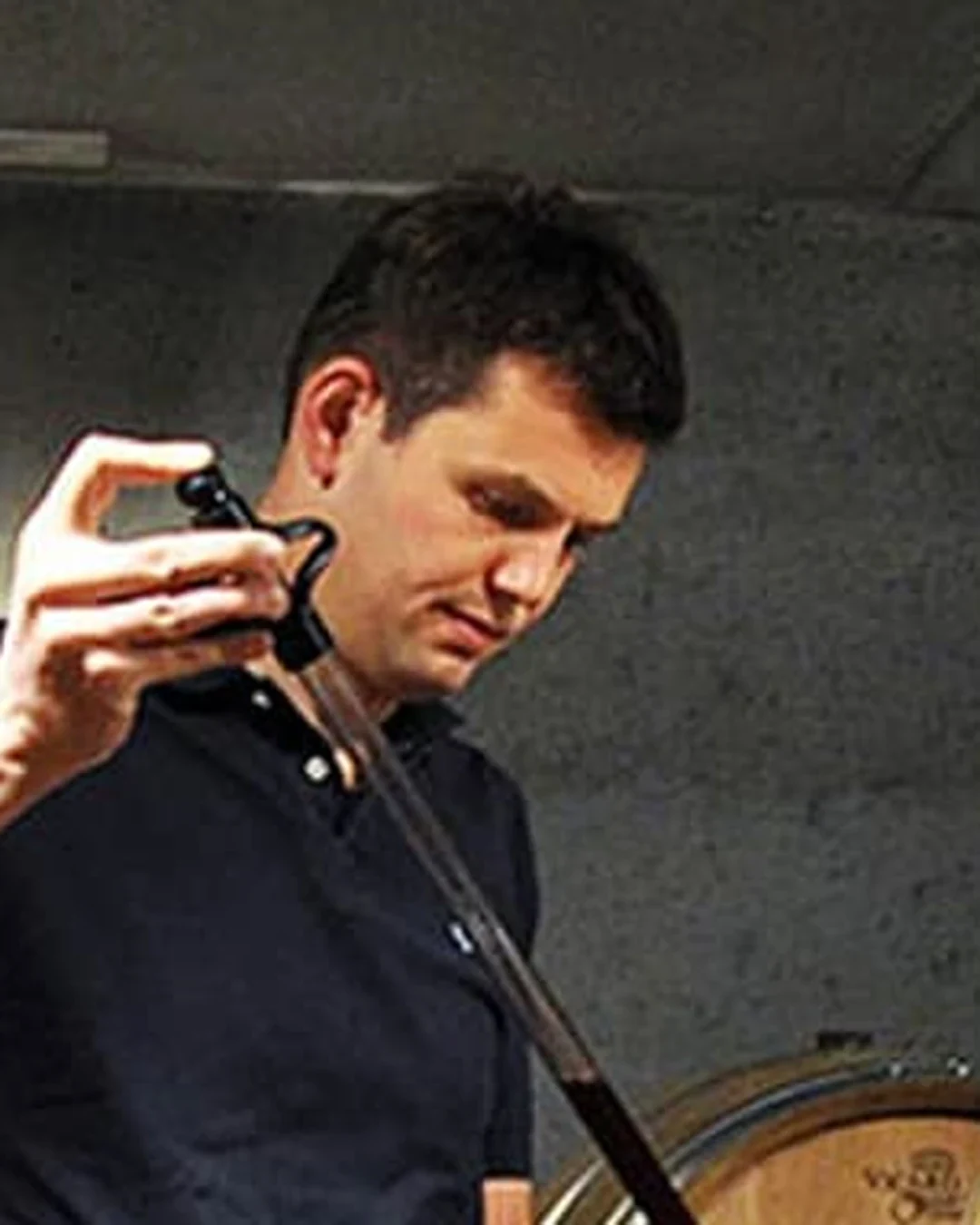
Made By profiles Martin Donatsch (Winemaker) at Domaine Donatsch.
How expensive is Domaine Donatsch?
Domaine Donatsch is listed at a price level of $$$.
The field
How it compares
| Place | Notes |
|---|---|
| Domaine Donatsch | Malans, $$$ |
| Cottinelli Weinbau | Malans |
| Liesch Weine AG, Ueli & Jürg Liesch | Malans |
| Louis Liesch Bioweinbau | Malans |
| Weingut Anjan Boner | Malans |
| Weingut Fromm | Malans |
| Weingut Wegelin | Malans |