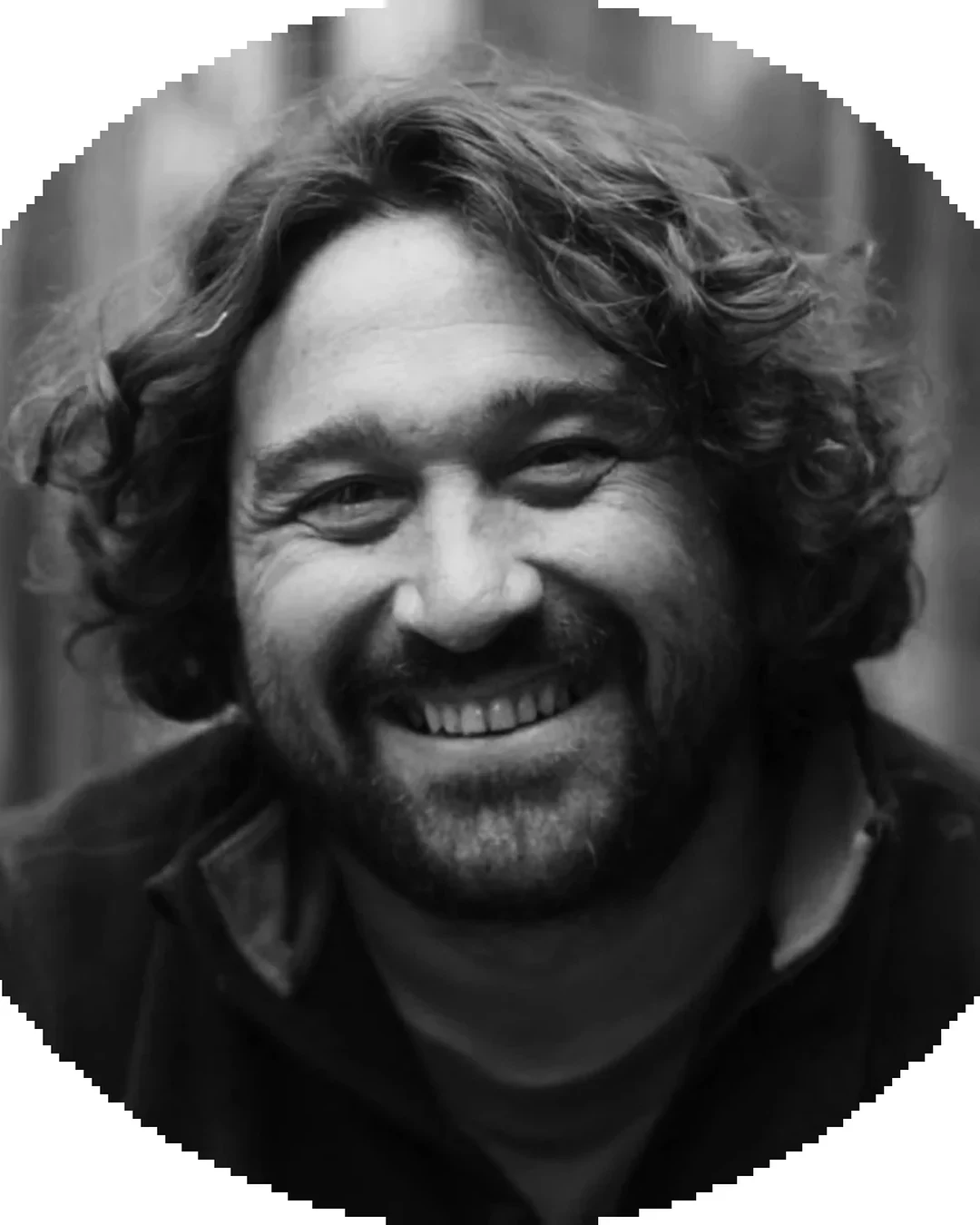
Matthieu Barret, winemaker at Domaine du Coulet – Matthieu Barret in Cornas, works biodynamic Syrah from granite terraces.
The decision begins in the parcels, before the vat. Matthieu Barret , winemaker at Domaine du Coulet – Matthieu Barret in Cornas, works from terraced granite and keeps the cellar from taking the lead. His formal training was in viticulture in Beaune, a telling start for a maker whose wines are framed less by cellar recipe than by cultivation, slope, and the reading of Cornas itself. Barret owns the domaine now, but the family ground reaches back further: his grandfather founded the estate after World War II, and for decades it worked as a grape-growing property rather than a house built around its own bottlings. In 1998, Barret took control of the family vineyards and turned that inheritance toward wine under the domaine’s own name. The lineage matters because the shift was not cosmetic. He is the seventh generation of vigneron in his family, and the first to make winemaking the central craft here. The work still carries the grower’s bias. The Domaine series comes from Domaine du Coulet vineyard grapes, and its point is Cornas minerality, not polish laid over fruit.
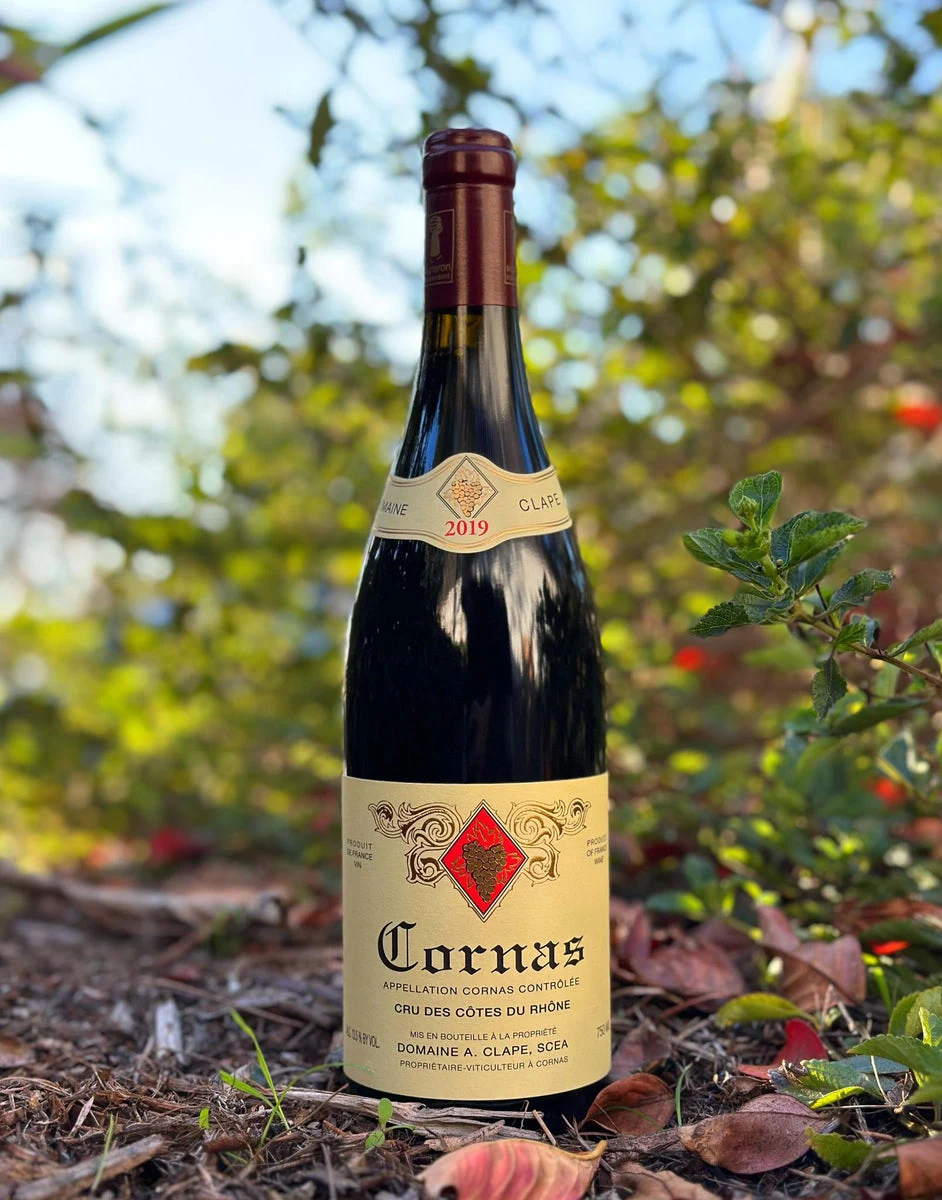
The estate is small in feel and worked at close range, with roughly 20–23 ha under vine and 11 hectares in AOC Cornas Syrah. The Cornas slopes sit on ancient degraded granite known locally as gore, with east-facing terraces and a cool, windy microclimate that slows ripening and holds acidity. Barret farms organically and biodynamically, with certification achieved by 2002, and keeps yields low, around 23 hl/ha and never exceeding 25 hl/ha in the accounts published by the domaine’s trade partners. In the cellar, the method narrows rather than expands: no new oak, minimal sulfur, no fining, no filtration. Since 2016, the domaine has moved away from barrels entirely, using ovoid vessels in concrete, glass, terracotta, and ceramic for fermentation and aging. Cornas red here is 100% Syrah by appellation rule, but Barret’s discipline is to keep that Syrah close to its source. Arlettes, Mazards, and Reynards are among the parcels named in accounts of the estate, with vines averaging 30 years.
The place reads as a working biodynamic estate rather than a designed tasting address. The cellar, the vineyard, and the tasting room keep the same emphasis: granite, fruit, vessel, time. Cornas is close around it, with terraced hillsides and ancient slopes giving the work its physical pressure. There is no need for decorative theatre when the program asks the visitor to follow the difference between a barrel and an egg, between new oak and none, between a wine tightened by filtration and one left with its lees and its grain. The room is quiet by nature, shaped by appointment tastings and cellar conversation rather than by a crowd. The vineyard remains the real station. Barret’s choices make most sense when the glass is read back toward the gore under Cornas.
The Domaine wines and the Matthieu Barret SARL range give the work its two tempos. The first stays anchored in the estate fruit and the mineral register of Cornas. The second opens into collaboration with other producers, with selections changing according to partner and parcel, while keeping the vineyard close to the decision. Among the named bottles, Billes Noires Cornas and Petit Ours Brun carry that argument in different ways: one from the Cornas frame, the other from a Côtes du Rhône Syrah tied to Barret’s nickname, Little Bear. The next glass here is still a question of farming before style, and of what Matthieu Barret lets Syrah say from Cornas.
Cornas, Auvergne-Rhône-Alpes, Frankreich
Cornas