- Falstaff Winery - Listed · 2026
In Nyls Ponteilla, Domaine du Mas Bécha is best understood as an organic estate winery in the Aspres hills of Roussillon. The picture is simple and grounded: a relaxed rural property on a 25-hectare vineyard estate, with a rustic, scenic and quiet atmosphere rather than a design-driven, highly polished or resort-like venue. Its appeal comes less from spectacle than from the directness of the setting, where the vineyard context is the main point of orientation.
For trip planning, treat it as a wine-country stop in Nyls Ponteilla. It is the kind of address to place within a calm Roussillon itinerary, especially for travellers who want the feeling of being on an estate rather than in a more formal hospitality environment.
Aspres terroir, read through an organic Roussillon estate
Domaine du Mas Bécha sits in the Aspres hills of Roussillon, where the setting is part of the appeal. The confirmed identity is not a restaurant concept, a resort format or a formal hospitality production; it is an organic estate winery with the rural feel of a 25-hectare vineyard property. That distinction matters for expectations. The estate should be read through land, vineyard scale and quiet countryside atmosphere, not through the language of a fully choreographed visitor attraction.
The strongest grounded reason to visit is context. This is a scenic, quiet and rustic estate environment in Nyls Ponteilla, suited to travellers who want a sense of Roussillon wine country without expecting a heavily staged experience. The Aspres hills give the visit its frame, and the organic estate identity gives it a clear focus, but the tone remains modest and rural. In practical editorial terms, the venue is best described as a place where the landscape and vineyard setting do much of the work.
Recognition, scores and named accolades are not confirmed in the data. The safer editorial reading is to present Domaine du Mas Bécha as a hidden-gem organic estate winery in the Aspres hills, notable for its setting and scale rather than for an asserted trophy list. That restraint is important: without confirmed awards or ratings, the more accurate praise is about atmosphere, location and the clarity of its estate identity. Visitors should not come because of a claimed hierarchy of acclaim, but because the address offers a quiet way to connect with this part of Roussillon wine country.
The visit suits travellers who want rural vineyard context
The atmosphere is relaxed, rustic and informal, typical of a rural estate rather than a design-led destination. That makes Domaine du Mas Bécha a good fit for visitors who value scenery, quiet surroundings and the feeling of being on a vineyard property. The experience, as it can safely be described, is not about polished urban service cues or an elaborate hospitality script. It is better suited to people who appreciate a low-key rural mood, where the setting itself is the central reason to make the stop.
This page should not promise a particular tasting format, food pairing, lunch service, tour structure, payment method, parking setup or reservation policy. Anyone planning around those details should confirm them directly with the estate. That is especially relevant for travellers building a day around logistics, because the confirmed information supports the broader idea of an organic winery visit in a scenic rural location, but not the specifics of how every visitor interaction is arranged. Keeping those details open avoids overstating what is known.
For comparison, keep the focus local and simple: Domaine du Mas Bécha is the relevant named reference here, while other dining or travel options in Nyls Ponteilla can be considered generically as part of a wider itinerary. It works well in the mind as one calm wine-country point on the map, not as a substitute for every other part of a day out. Travellers can frame it as a rural estate anchor and then make any additional plans separately, depending on what they want from the rest of their time in the area.
How to read the bottle list
What can be said with confidence is that Domaine du Mas Bécha is an organic estate winery in Roussillon, set within a 25-hectare vineyard environment in the Aspres hills. That is the most reliable lens for approaching any bottle list or estate selection connected to the property. Rather than treating it like a broad, restaurant-style list assembled from many places, the more useful expectation is to think in terms of an estate identity rooted in its own rural context.
The value of the stop is therefore best framed around place rather than menu-like detail. Expect a quiet rural wine-country setting in Nyls Ponteilla, with an organic estate identity and a rustic atmosphere that suits visitors looking for a scenic, low-key experience. The appeal is in the combination of scale, setting and simplicity: a 25-hectare vineyard estate in the Aspres hills, presented without the need to claim more than the confirmed facts support. For the right traveller, that restraint is part of the charm.
Questions
Frequently asked
Who works at Domaine du Mas Bécha?
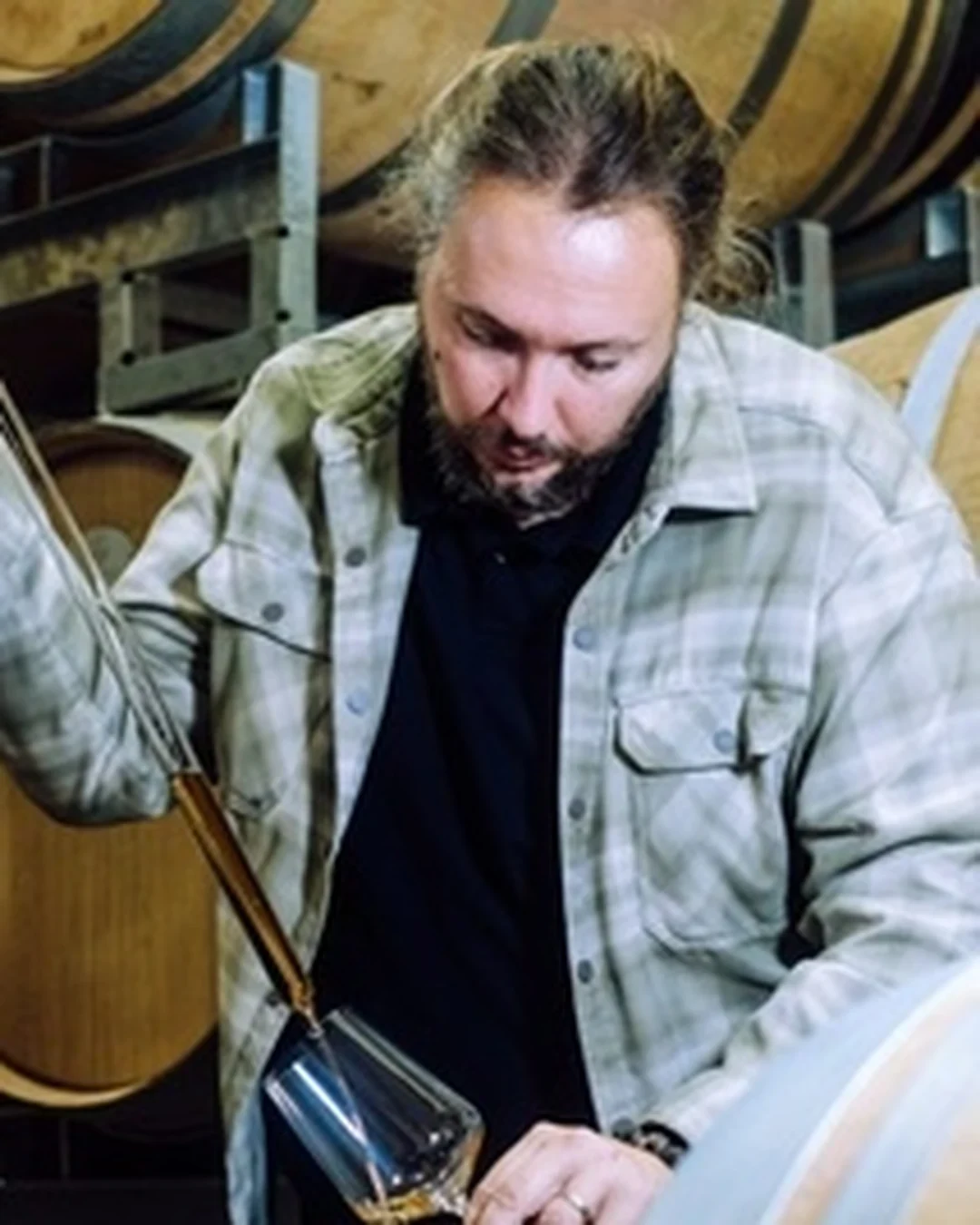
Made By profiles Charles Perez (Winemaker) at Domaine du Mas Bécha.
How expensive is Domaine du Mas Bécha?
Domaine du Mas Bécha is listed at a price level of $$.
The field
How it compares
| Place | Notes | Awards |
|---|---|---|
| Domaine du Mas Bécha | Aspres / Nyls-Ponteilla, $$ | · |
| Chateau Petrus | Pomerol | · |
| Domaine François Raveneau | Chablis | · |
| Giacomo Conterno | Monforte d'Alba | · |
| Masi | Sant'Ambrogio di Valpolicella | · |
| Mission Hill Family Estate | West Kelowna | World's 50 Best |
| Ridge Vineyards | Cupertino | World's 50 Best |