- Falstaff Winery - 2 Stars · 2026
The approach to Domaine Dugerdil is best understood through its setting rather than through a long list of amenities. The picture is of a small, family-run organic estate in Dardagny, set on the village slope with surrounding vineyards, open sky and a calm rural atmosphere. It is a Geneva countryside address in feeling: informal, agricultural and focused on the estate experience rather than on polished luxury hospitality.
That modest scale is part of the appeal. Domaine Dugerdil is not presented here as a restaurant, hotel or formal tasting salon with a fixed public programme; the confirmed information points instead to a relaxed wine-estate visit in Dardagny. The most reliable way to frame it is simple: an organic family domaine where the landscape, the vines and the unhurried mood are central to the visit.
Dardagny's slope gives the estate its rural character
Dardagny matters because the identity of Domaine Dugerdil is tied closely to place. The estate is described as sitting on the Dardagny slope, with big sky and vineyards around it. That is enough to set expectations: this is a rural Geneva wine setting, not an urban bar, not a destination dining room and not a scripted hospitality venue built around spectacle.
The landscape also helps explain the pace. A visit here should be approached as an informal encounter with a family-run organic estate. The confirmed material does not support detailed claims about specific grape varieties, parcel names, soil types, cellar methods, production volumes, awards or rankings, so those should not be treated as established facts. What is established is the atmosphere: serene, vineyard-led and grounded in Dardagny.
For visitors, that distinction is useful. Domaine Dugerdil is compelling if you are looking for a quiet estate environment and a sense of the countryside around Dardagny. It is less useful to approach it with expectations built from large wine-tourism operations, formal restaurant service or luxury hotel-style programming. The information points to something simpler and more local.
Organic estate, informal tastings and seasonal Cabuche space
The strongest confirmed facts are that Domaine Dugerdil is a small, family-run organic estate and that tastings and events are relaxed and informal. That language should guide the visit. Expect a low-key estate experience rather than a highly choreographed format. The appeal is in the rural atmosphere, the surrounding vineyards and the directness of the setting.
The seasonal Cabuche space is also part of the profile. It is described as seasonal, simple and cash-only, which is an important practical detail. Visitors should not assume card-based service there. The cash-only note also reinforces the overall mood: this is not a glossy tasting lounge but a relaxed outdoor estate space connected to the vineyards and the countryside around Dardagny.
Beyond that, it is important not to overstate the available information. Any plan should therefore be checked directly with the estate before travelling, especially if timing, payment method or event arrangements matter.
Price is listed as $$, which places the venue in a moderate bracket. That should be read only as a general budget signal, not as a confirmed bottle price, tasting fee or event cost. The more dependable value proposition is experiential: a small organic estate in a quiet Dardagny vineyard setting, with a relaxed style and a seasonal cash-only Cabuche space.
How to place it in a Dardagny day
Domaine Dugerdil fits best into a Dardagny day built around countryside, vineyards and unhurried time. The estate’s strengths are the setting and the atmosphere: big sky, surrounding vines, a family-run organic identity and informal tastings or events. It is a good match for visitors who prefer a direct rural wine-estate mood over elaborate service rituals.
Because the confirmed facts are intentionally narrow, planning should stay flexible. If you need specific hours, accessibility information, group arrangements, payment details beyond the seasonal Cabuche cash-only note, or confirmation of what is being poured, contact the venue directly. The guide should not invent those details, and visitors should not rely on assumptions that are not part of the profile.
The critical case for Domaine Dugerdil is therefore direct: it is a small, family-run organic estate in Dardagny with a serene rural atmosphere, surrounding vineyards and a relaxed, informal hospitality style. Its seasonal Cabuche space adds a simple outdoor dimension, with cash-only service noted there. Come for the Dardagny setting and the quiet vineyard mood, and keep expectations grounded in what is confirmed rather than in claims about awards, formats or technical wine details.
Questions
Frequently asked
Who works at Domaine Dugerdil?
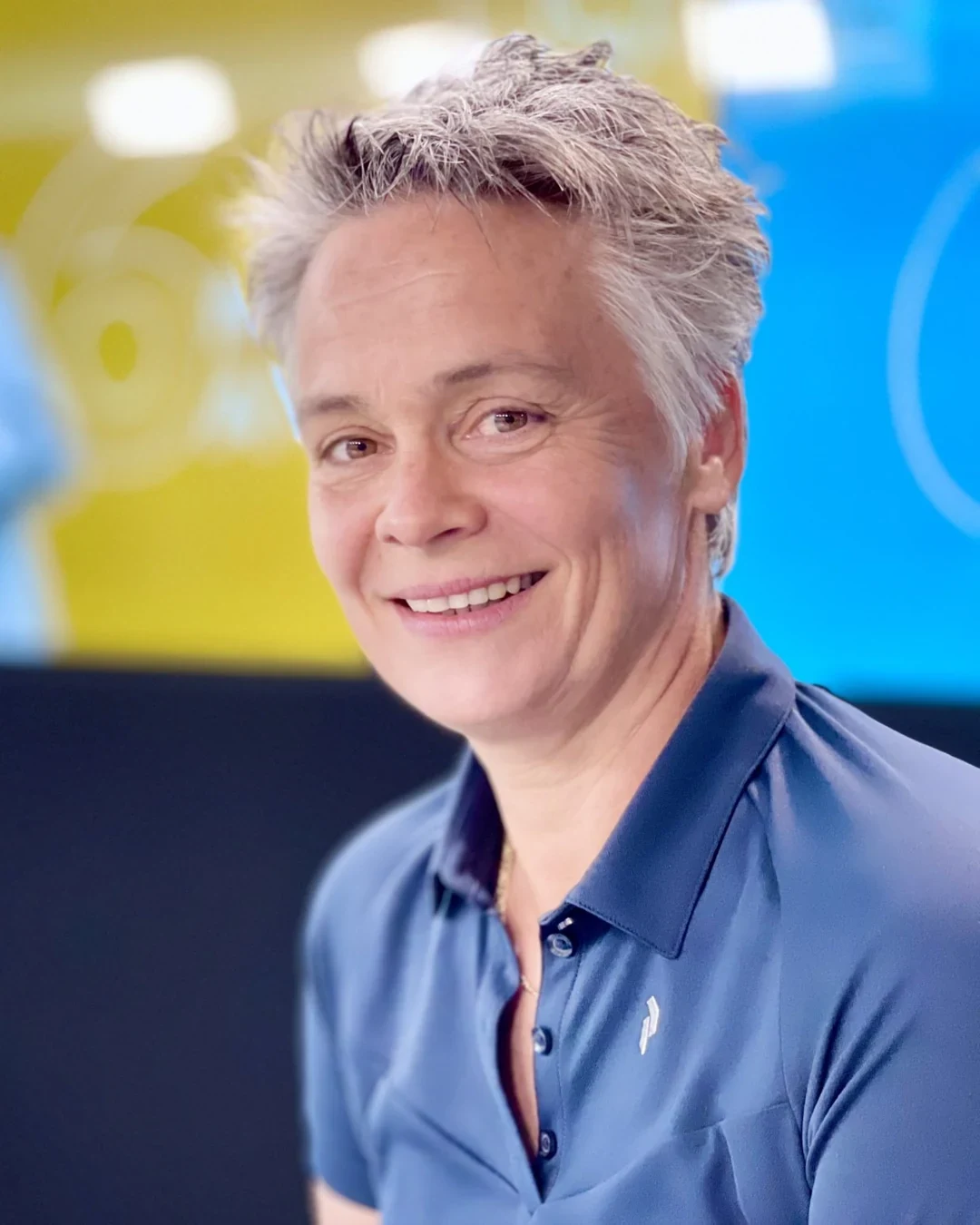
Made By profiles Sophie Dugerdil (Winemaker) at Domaine Dugerdil.
How expensive is Domaine Dugerdil?
Domaine Dugerdil is listed at a price level of $$.
The field
How it compares
| Place | Notes |
|---|---|
| Domaine Dugerdil | Dardagny / Mandement, $$ |
| Domaine de la Planta | Dardagny |
| Domaine de la Roche 1859 | Dardagny |
| Domaine des Rothis | Dardagny |
| Domaine du Clos des Pins | Dardagny |
| Domaine Les Faunes | Dardagny |
| Stéphane Gros | Dardagny |