Made ByWinery
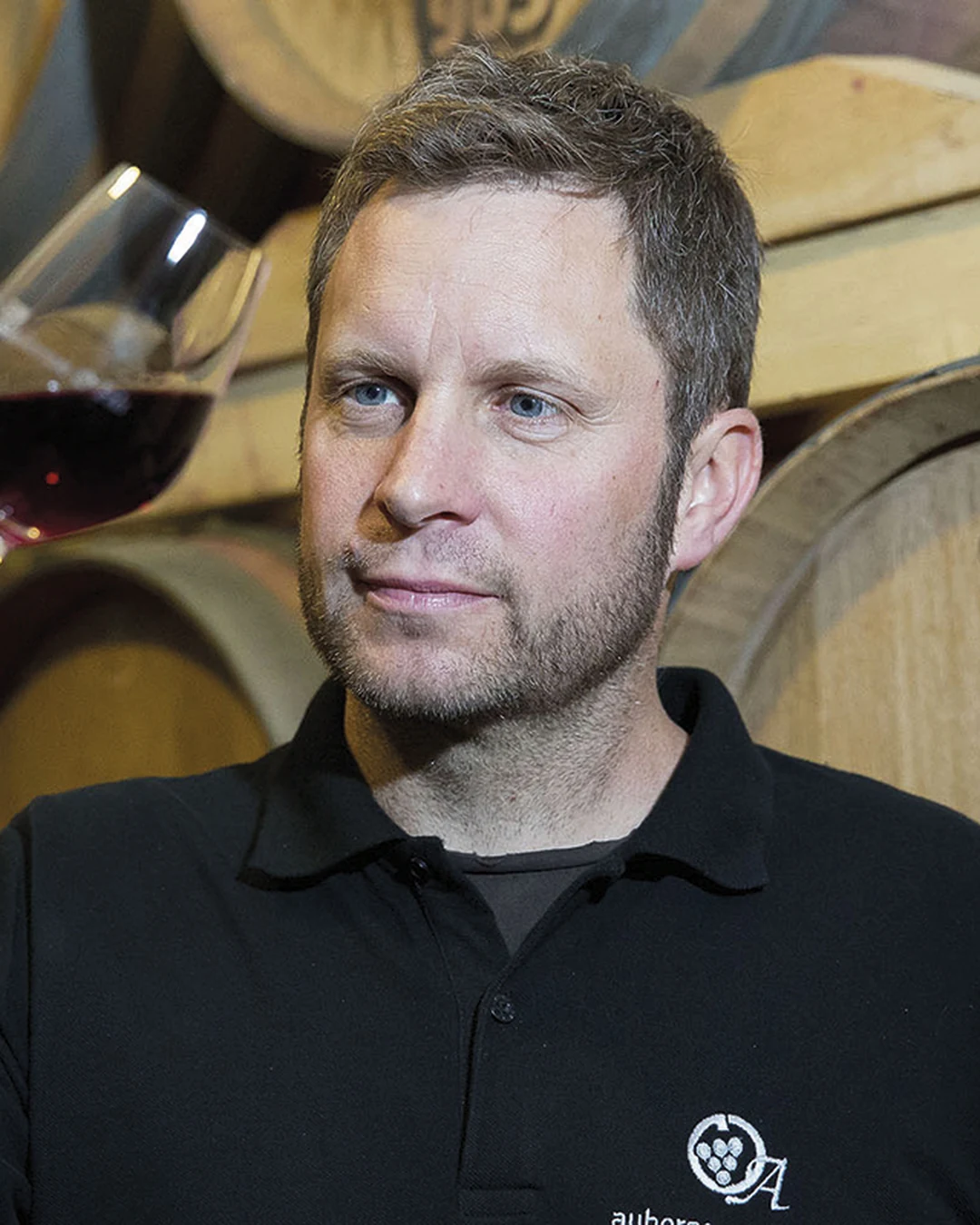

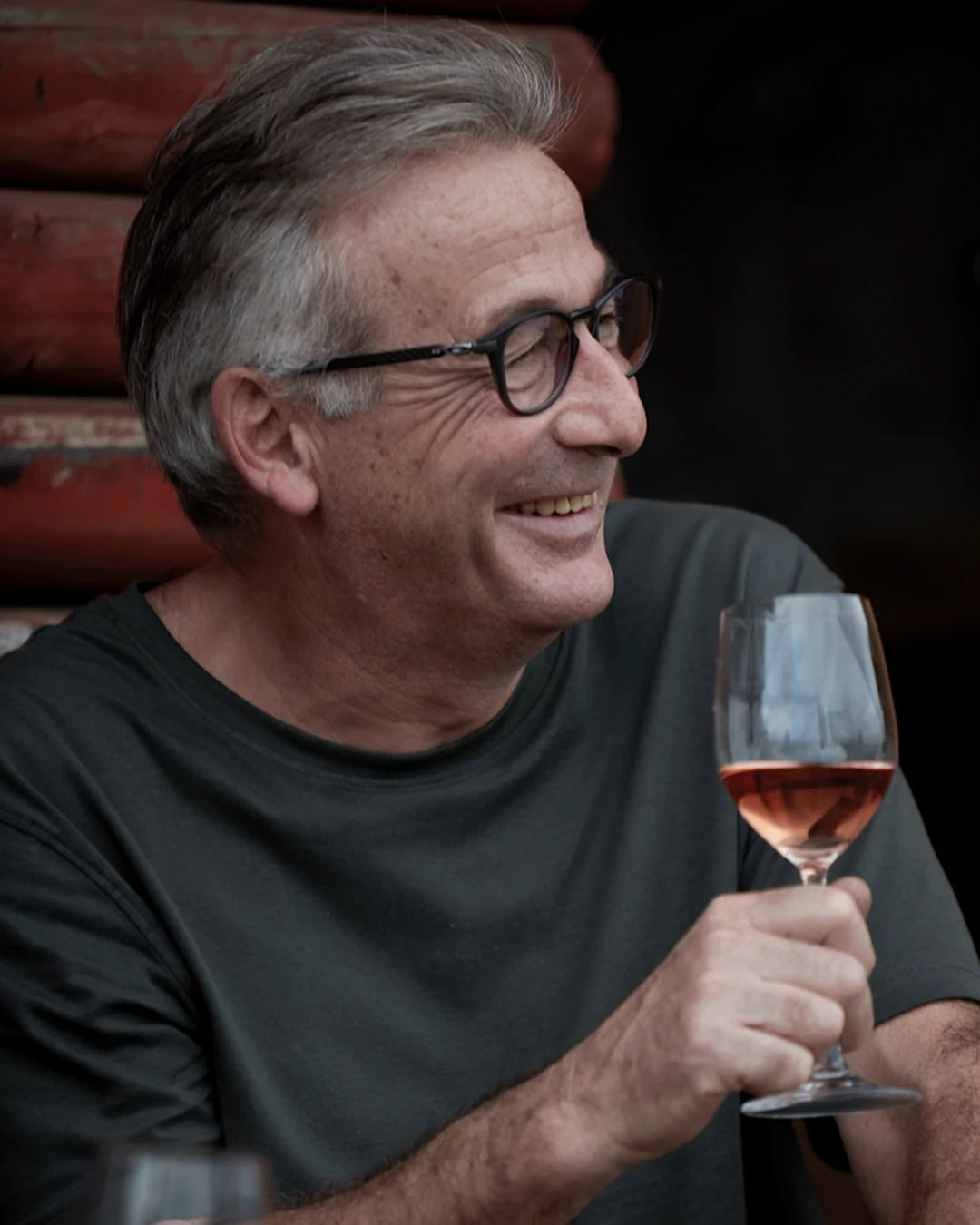
Claude Auberson makes Chardonnay as winemaker at Domaine Frôté in Neuenstadt, with Lake Biel fruit aged in the Tour Carrée cellar.
At a glance
- Price
- $$$
- Neighborhood
- La Neuveville
Chardonnay carried through family hands
Hand-harvested fruit arrives from the Lake Biel slopes before the cellar takes over. At Domaine Frôté in Neuenstadt, Claude Auberson works as winemaker, with Chardonnay as his longest thread. The estate began in 1956, when the Frôté family bought its first vineyard beside the house in La Neuveville; the Auberson family entered the story through friendship, vines, and cellar work. In the 1980s, the two families developed Chardonnay Domaine Frôté together, setting the wine that still anchors the place. Claude has made that Chardonnay since the estate’s creation, a role that ties him to the Frôté name while keeping his own bench at Auberson & Fils SA, the family cellar in the same village. That cellar began in 1954 under Jules Auberson and now runs through Michel Auberson and Claude, father and son, across Lake Biel vineyards planted to Chasselas, Pinot noir, Chardonnay, Pinot gris, Pinot blanc, and more than 40 grape varieties. At Domaine Frôté, the inheritance narrows with purpose: Chardonnay, Pinot Noir, and Rosé, grown from a small holding and handled with the restraint of a house that has never needed volume to define itself.
Four hectares and a tower cellar
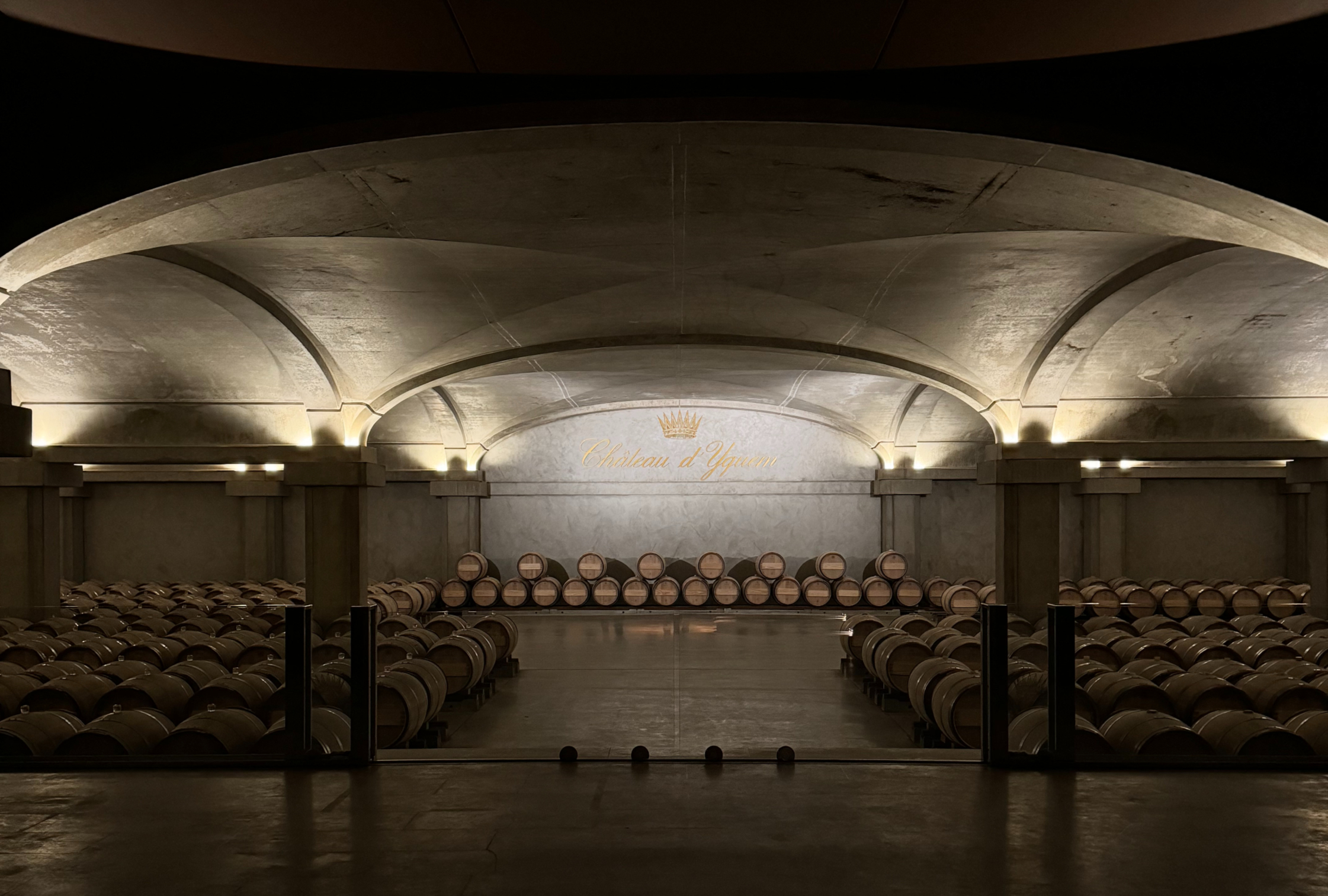
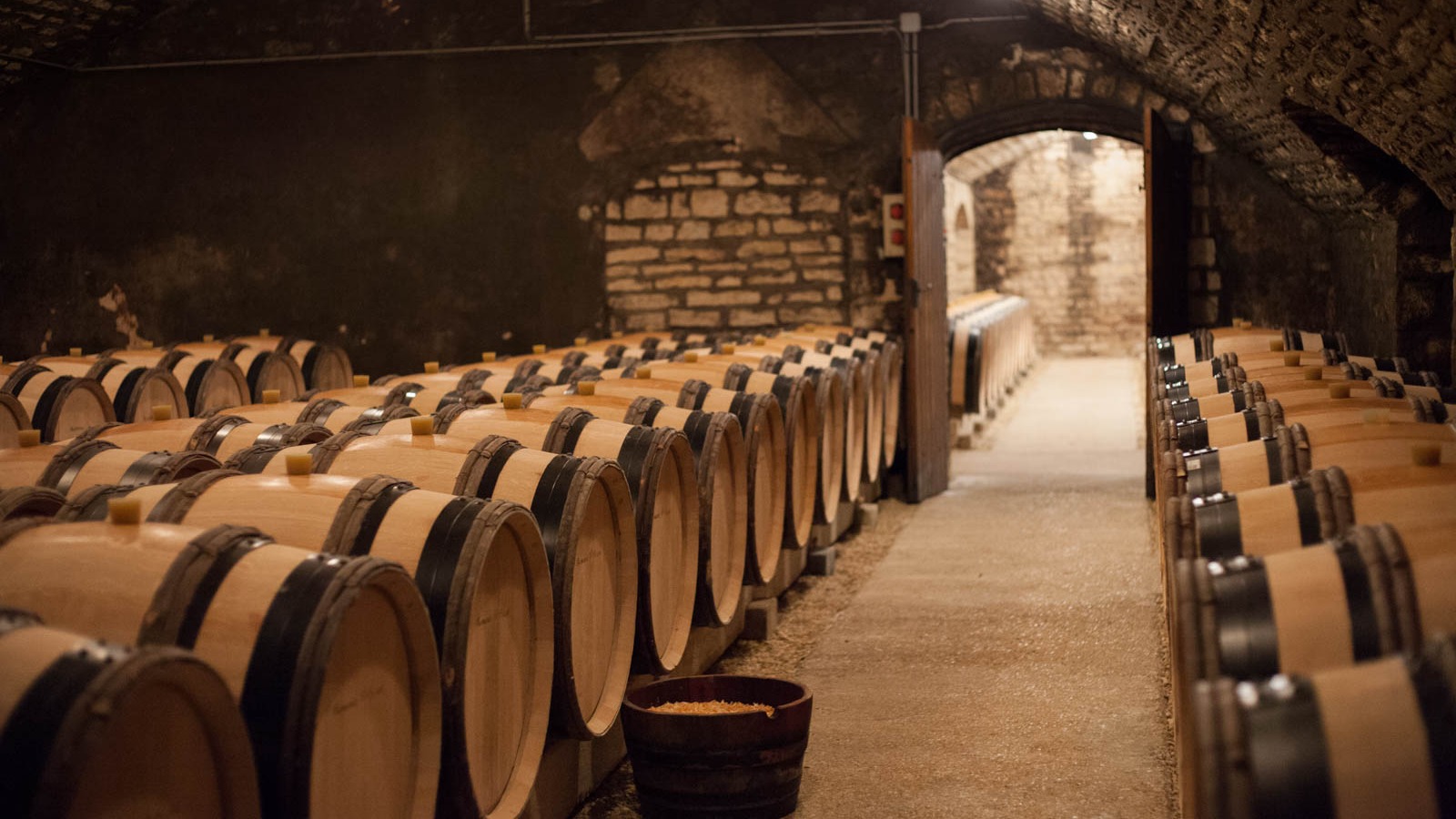
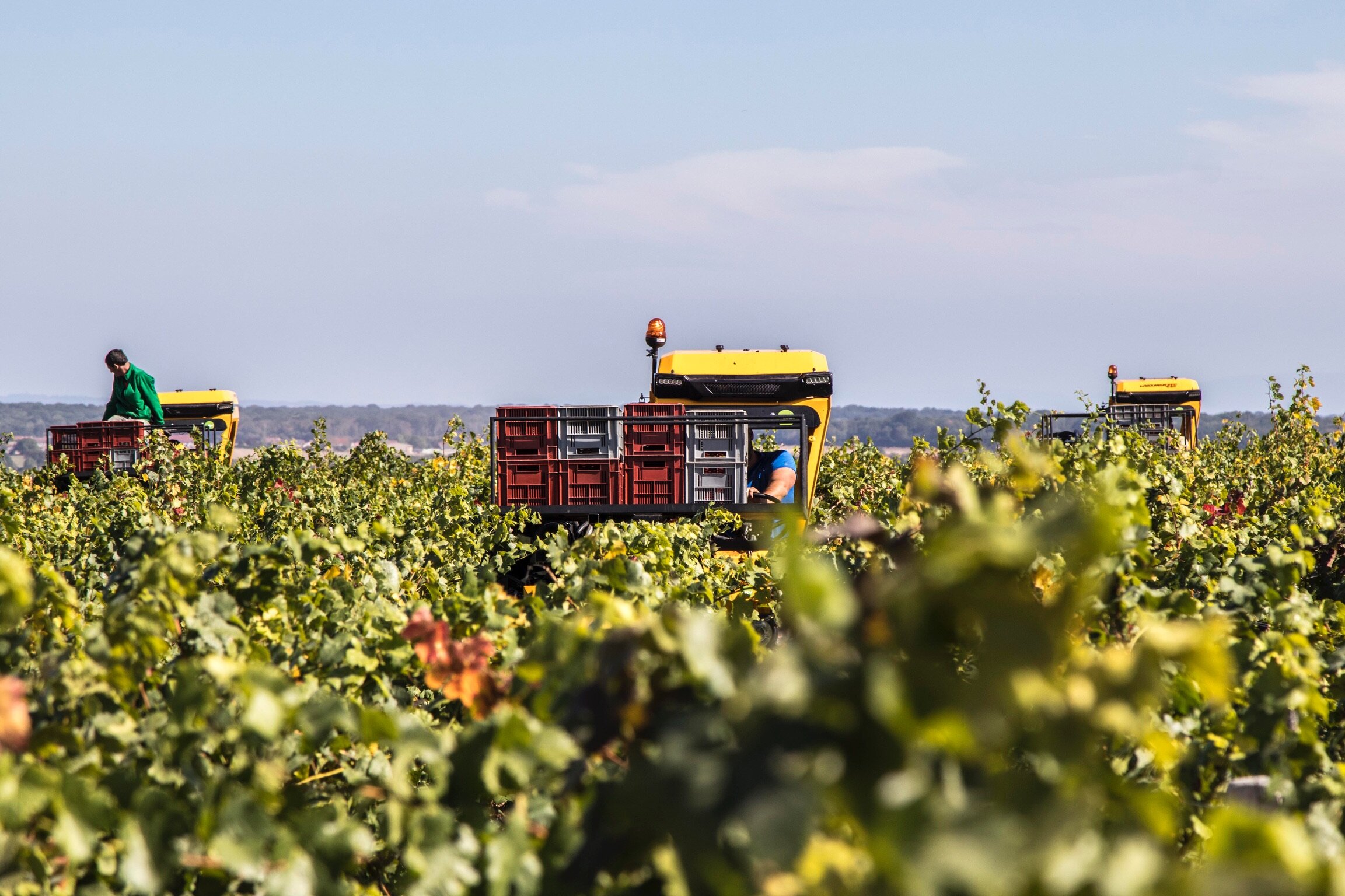
The estate farms four hectares, all estate-owned, under integrated and alternative methods that place the ecosystem before extraction. The grapes come from calcareous slopes above Lake Biel, where the vineyards run from the shore into the gentler rise of La Neuveville. Harvest happens by hand. The press is gentle, aimed at clean must rather than force, and the cellar work follows the same line. Domaine Frôté produces a maximum of 15,000 bottles in good years, a figure that makes every picking decision visible in the finished wine. Except for the Rosé, the wines mature in oak barrels in the Tour Carrée, a fortified bell tower built in 1520. The cellar offers humidity, darkness, and constant temperature, the quiet conditions that suit Chardonnay and Pinot Noir as wines for aging. Rosé de Garide stays outside that barrel program, preserving the lighter fruit of Pinot Noir. The range remains narrow by design: Chardonnay, Pinot Noir, Rosé. Each keeps the Lake Biel origin close, rather than using variety as a way to wander.
Inside the Tour Carrée
The cellar is not a stage set. It sits inside the square mass of the Tour Carrée, above Lake Biel, where stone, oak, and low light do most of the talking. Barrels give the room its rhythm; the tower gives it its temperature and patience. Tastings happen in that register too, closer to cellar conversation than spectacle, with the wines poured against the history that shaped them. The setting keeps pulling the work back to scale: a few hectares, a small annual ceiling, a cellar hidden in a tower rather than opened into a visitor hall. The room asks for lowered voices. So does the wine.
A narrow range with a long line
Domaine Frôté matters because it has kept its argument small enough to test. The Chardonnay began as a collaboration between the Frôté and Auberson families, and Claude still carries that work from vine decision to barrel aging. Pinot Noir and Rosé extend the same Lake Biel grammar without turning the estate into a catalogue. Chardonnay Domaine Frôté holds the slope, the oak, and the Tour Carrée in one glass.
Know before you go
- Reservations
- appointment_only
- Parking
- street
- Payment
- cash, credit_card
- Groups
- Welcomed
Address
Neuenstadt, Canton Bern, Schweiz
La Neuveville