- Falstaff Winery - Listed · 2026
Domaine Francis Blanchet is a quiet rural stop in Pouilly Sur Loire for travelers who want a direct encounter with Loire Sauvignon Blanc. The appeal is not a grand, high-polish visitor experience; it is a traditional family estate setting where the focus stays on honest, terroir-driven wine and a calm sense of place. In that sense, the domaine works well for visitors who appreciate restraint: a place where the vineyard, the cellar and the surrounding rural atmosphere carry more weight than any staged flourish.
For visitors building a Pouilly Sur Loire itinerary, the domaine is best understood as an intimate cellar stop rather than a broad hospitality complex. Expect the visit to be framed around Sauvignon Blanc, the estate setting and a simple facility visit or cellar tasting, with the rural character of Pouilly Sur Loire doing much of the atmosphere work. It is the kind of address to approach with a slower pace, allowing the experience to unfold through conversation, context and the wine itself rather than through a long list of visitor amenities.
Terroir-driven Sauvignon Blanc in a rustic Loire setting
The strength of Domaine Francis Blanchet is its focus: Sauvignon Blanc presented through a traditional Loire family-estate lens. Rather than leaning on spectacle or elaborate extras, the experience is grounded in a classic, rustic and scenic environment where the wines are approached as expressions of place. This gives the stop a useful clarity. Visitors are not being asked to decode a complicated concept; they are being invited to pay attention to how a familiar Loire grape can feel rooted in a particular local setting.
That makes the domaine especially useful for visitors who want a quieter reading of Pouilly Sur Loire. The tone is intimate and low-key, with a hidden-gem quality suited to people who prefer cellar conversation and facility context over a busy tasting-room scene. It is also a good fit for travelers who find value in modest, place-led wine visits, where the rhythm is closer to a working estate than a polished showpiece. The pleasure is in the simplicity: the direct line between the landscape outside, the cellar environment and the Sauvignon Blanc in the glass.
A small-estate visit for people who want the soil lesson
Hospitality here is best described simply: cellar tastings and facility visits in a quiet rural Pouilly Sur Loire setting. The estate’s identity is tied to terroir-driven Sauvignon Blanc, so the visit is naturally suited to travelers who want to connect the glass with the surrounding Loire landscape. The “soil lesson” is less about a formal classroom approach and more about a grounded way of tasting: paying attention to the local setting, the rural quiet and the way a family-estate frame can make Sauvignon Blanc feel specific rather than generic.
Plan with the estate directly if timing, access or visit format matters for your route. Because the appeal here is intimate and small-estate in character, it makes sense to confirm practical details rather than assume the kind of open-ended structure associated with larger hospitality operations. A little planning helps preserve what makes the stop appealing in the first place: a calm, focused experience built around the cellar, the facility and the wine.
For context beyond the estate, Pouilly Sur Loire can be approached as a broader local food-and-wine stop, with other dining and hospitality options considered generically around the town. Domaine Francis Blanchet remains the central reference here: a classic, rustic and intimate Loire family estate focused on Sauvignon Blanc. It can serve as the anchor for a quieter day in the area, especially for travelers who want the wine portion of the itinerary to feel closely tied to place rather than treated as an isolated tasting appointment.
The wider cellar itinerary
Travelers linking Domaine Francis Blanchet into a longer Loire trip should use the same practical lens: look for places where the format is clear, the setting is comfortable and the visit helps explain the wine without overcomplicating it. In Pouilly Sur Loire, this estate’s role is direct: a quiet, terroir-minded Sauvignon Blanc stop with a traditional family-estate feel. It is not the address to choose for scale or spectacle, but for a more concentrated encounter with a rural Loire cellar and the direct pleasure of tasting Sauvignon Blanc where the surrounding landscape is part of the experience.
Questions
Frequently asked
Who works at Domaine Francis Blanchet?
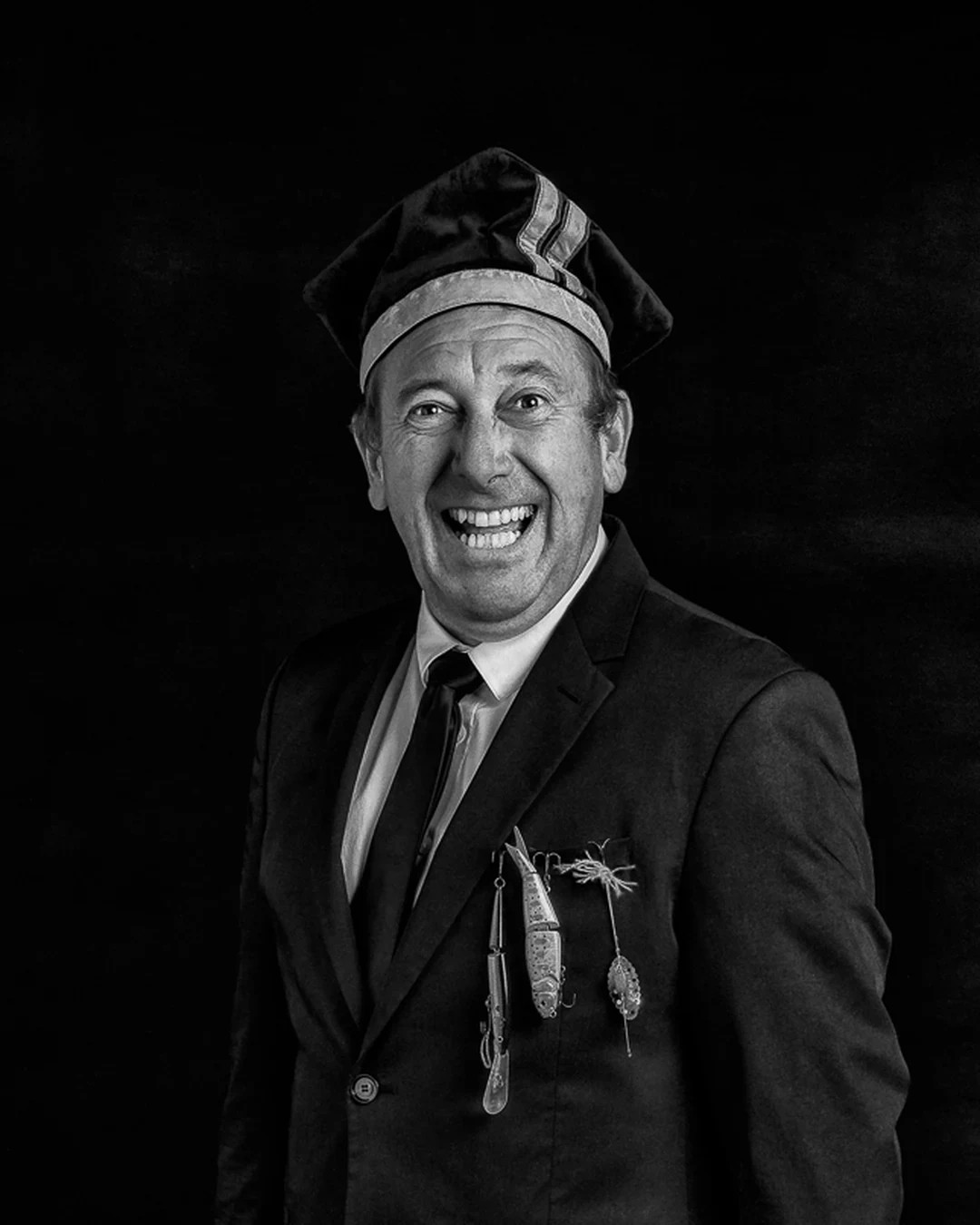
Made By profiles Francis Blanchet (Winemaker) at Domaine Francis Blanchet.
How expensive is Domaine Francis Blanchet?
Domaine Francis Blanchet is listed at a price level of $$.
The field
How it compares
| Place | Notes |
|---|---|
| Domaine Francis Blanchet | Le Bouchot, $$ |
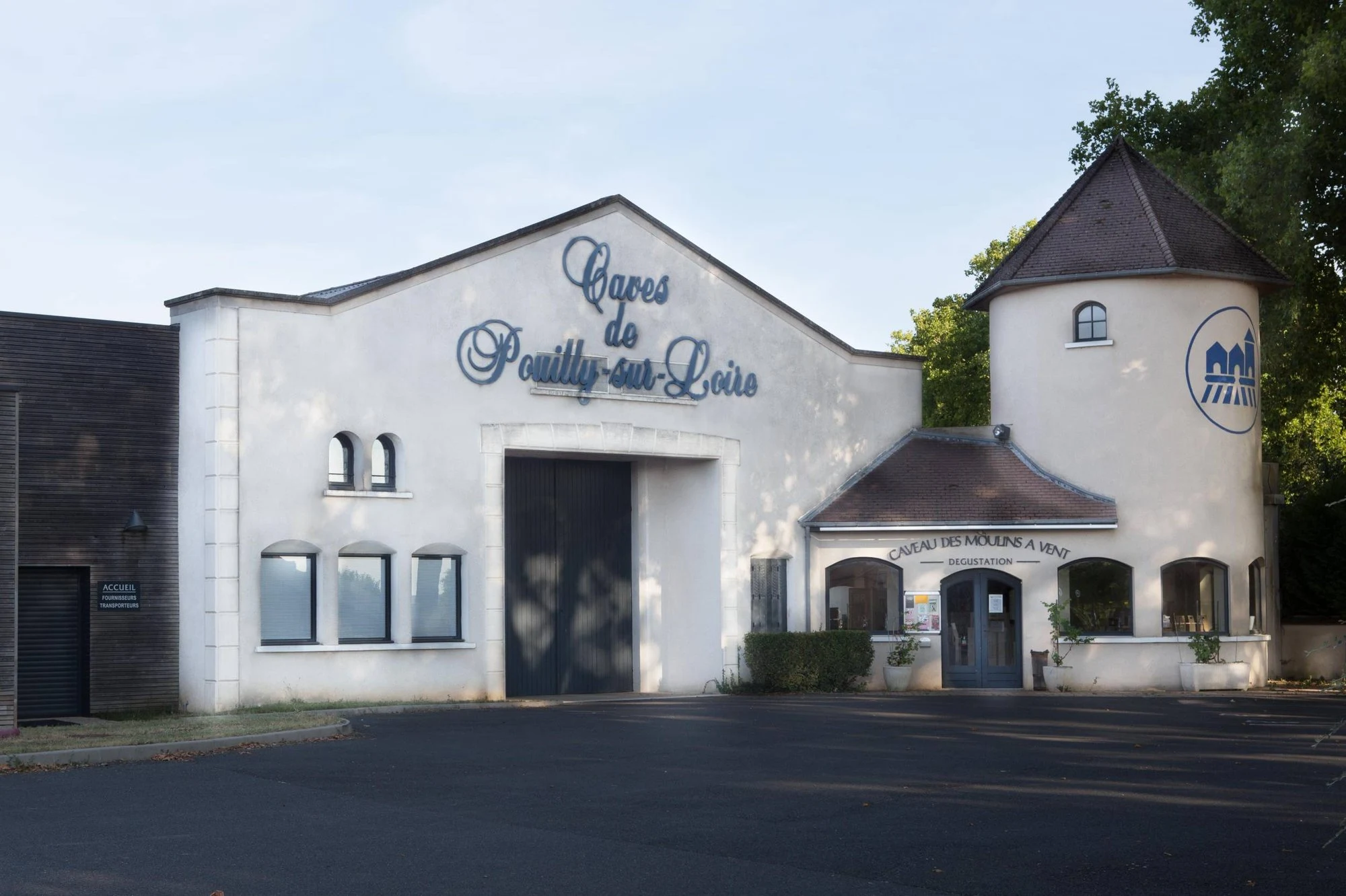
| Caves de Pouilly-Sur-Loire | Pouilly Sur Loire |
| de Ladoucette | Pouilly Sur Loire |
| Domaine Jonathan Didier Pabiot | Pouilly Sur Loire |
| Domaine Masson-Blondelet | Pouilly Sur Loire |
| La Poussie | Pouilly Sur Loire |
| Saget La Perriere | Pouilly Sur Loire |