- Falstaff Winery - Listed · 2026
Domaine Frôté is best understood as a small, family-run Swiss winery in Neuenstadt, with a calm and traditional character rather than a visitor-focused showpiece. The profile is compact but clear: a refined, rustic setting, an emphasis on terroir and craftsmanship, and a cellar-aging story tied to a historic 16th-century tower. Its appeal lies less in spectacle than in the sense of a working wine place with roots, where the surrounding landscape, the cellar and the family dimension all contribute to the identity.
That limited public detail matters for how to read the venue. This is not a page for invented tasting formats, named cuvées, production figures or service promises. The grounded picture is quieter: Domaine Frôté presents itself as a classic Swiss wine address where cellar work, patience and family continuity are more central than tourism infrastructure. In editorial terms, the restraint is part of the point. The venue is better approached through what is clearly signaled—small scale, craft, terroir, tradition—than through assumptions about a more commercial winery visit.
A quiet Swiss winery with a historic cellar context
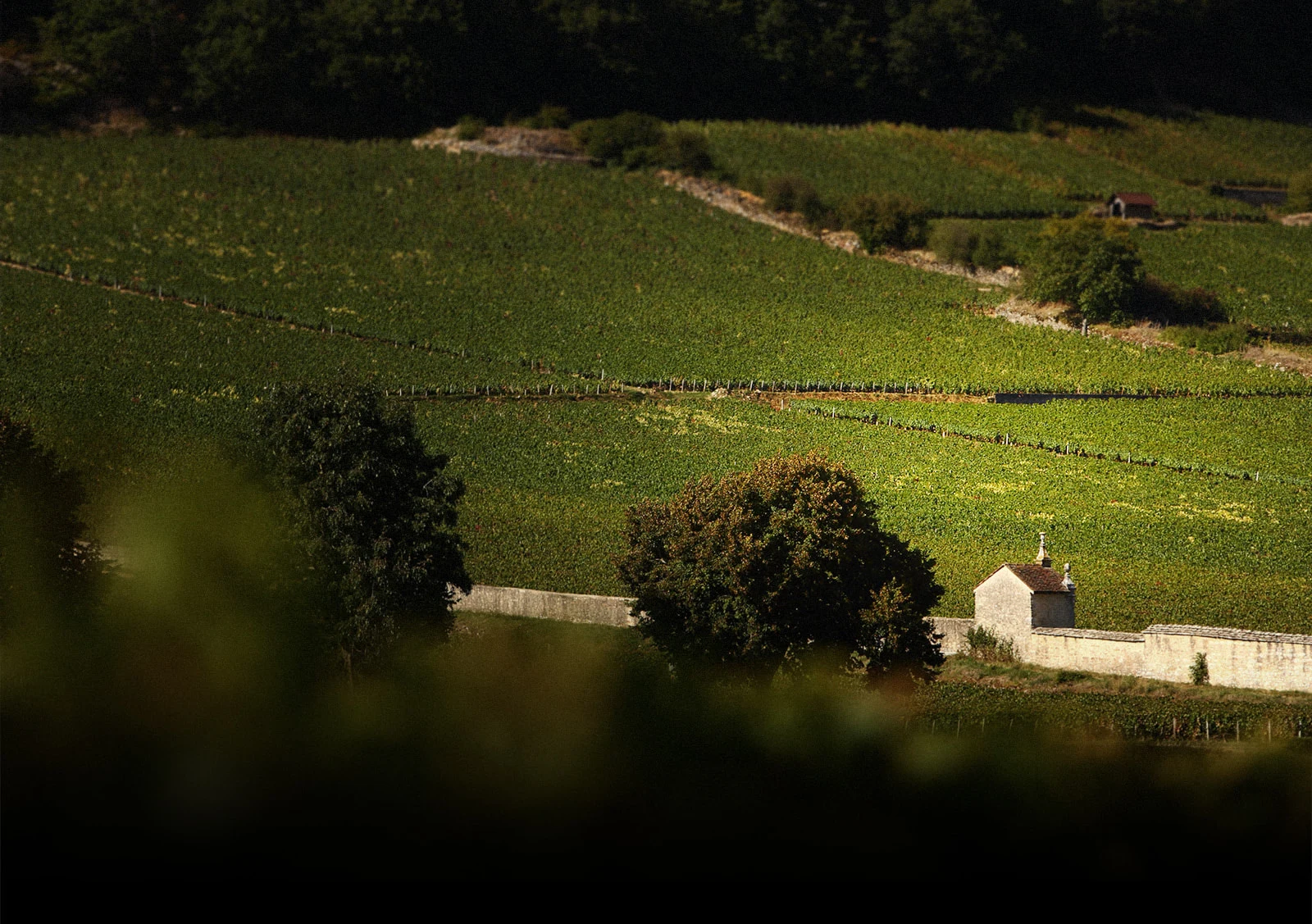
Domaine Frôté’s appeal rests on its identity as a small Swiss winery in Neuenstadt, with a scenic, traditional atmosphere and a focus on terroir-led craftsmanship. That combination gives the place a specific tone: refined without feeling polished into a generic visitor attraction, rustic without being presented as rough or informal. The emphasis on terroir suggests a wine address connected to its setting, while the focus on craftsmanship points toward careful cellar work rather than a simplified hospitality pitch.
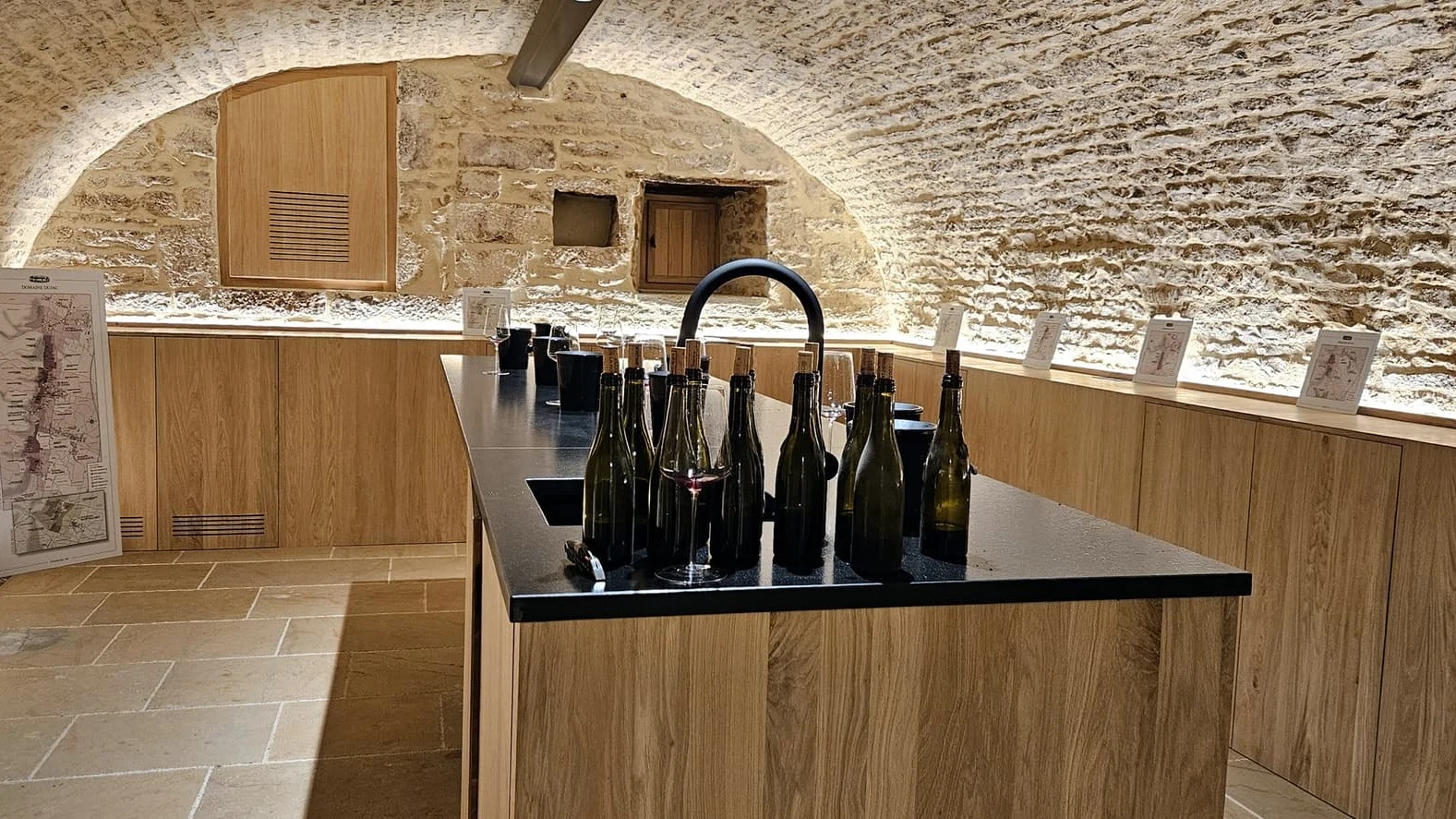
The historic 16th-century tower is the most distinctive feature of the cellar context. Rather than treating that as decoration, the venue’s profile suggests a place where aging, restraint and continuity are part of the experience. A tower of that age gives the cellar story a strong architectural anchor, and it reinforces the broader impression of a winery shaped by time as much as by presentation. The important point is not to overstate what happens there, but to recognize how the historic setting frames the winery’s identity: patient, traditional and quietly memorable.
For readers comparing options, keep the comparison local and modest: Domaine Frôté can be considered alongside other dining or wine-related stops in Neuenstadt, but its character is specifically that of a quiet, family-run winery rather than a restaurant or broad hospitality venue. That distinction helps set expectations. It may belong on the same itinerary as local meals or other stops, but it should not be evaluated by the same criteria as a full-service dining room, bar or highly programmed wine tourism site. Its value is in the cellar-led, place-led character already described.
A family cellar tradition rather than a tasting-room circuit
Domaine Frôté’s identity centers on family ownership, Swiss winery character and a refined but rustic cellar atmosphere. It is described less as a high-volume tourism stop and more as a discreet place shaped by tradition, terroir and craft. That makes the family element especially important: not as a marketing slogan to embellish, but as a way of understanding scale, continuity and tone. A family-run winery often reads differently from a destination built primarily around visitor throughput, and here the available profile points firmly toward that more personal, traditional model.
The more reliable expectation is an intimate winery context where checking current details directly before visiting is sensible. Because the public profile does not provide the kind of detailed, visitor-facing framework associated with larger tasting operations, it is better to avoid assumptions about access, format or timing. That caution is not a weakness in the listing; it is simply the honest way to handle a venue whose public identity is rooted in cellar tradition rather than in extensive hospitality information. Anyone planning around Domaine Frôté should treat direct confirmation as part of the process.
Readers mapping a wider stay can pair this profile with broader research into Neuenstadt, including other local dining and hospitality options. Domaine Frôté itself remains the relevant named reference point. In a broader itinerary, it works best as a wine-focused marker within the local landscape, not as a catch-all answer to food, service or entertainment needs. Its role is more specific and, for the right traveler, more appealing because of that specificity: a calm winery address with a traditional atmosphere and a historic cellar context.
Who should make the effort
Domaine Frôté is a strong fit for travelers who prefer understated Swiss winery settings: small-scale, family-run, scenic, classic and rooted in cellar tradition. It is especially suited to those who value terroir and craftsmanship over a heavily packaged visitor experience. The traveler most likely to appreciate it is not looking for a long list of guaranteed features, but for a sense of place and continuity. The appeal is in the quietness, the rustic refinement and the impression of a winery whose story is carried by its cellar and family character.
The practical takeaway is simple. Treat Domaine Frôté as a quiet Neuenstadt wine address with a historic cellar-aging context, not as a venue whose menus, hours, varietals or tasting formats should be assumed in advance. Read it as a compact but distinctive listing: a traditional Swiss winery with a scenic setting, a family-run identity and a notable 16th-century tower shaping the cellar story. For the right visitor, that restrained profile is enough; for detailed planning, the next step should always be direct verification rather than expectation built on guesswork.
Questions
Frequently asked
Who works at Domaine Frôté?
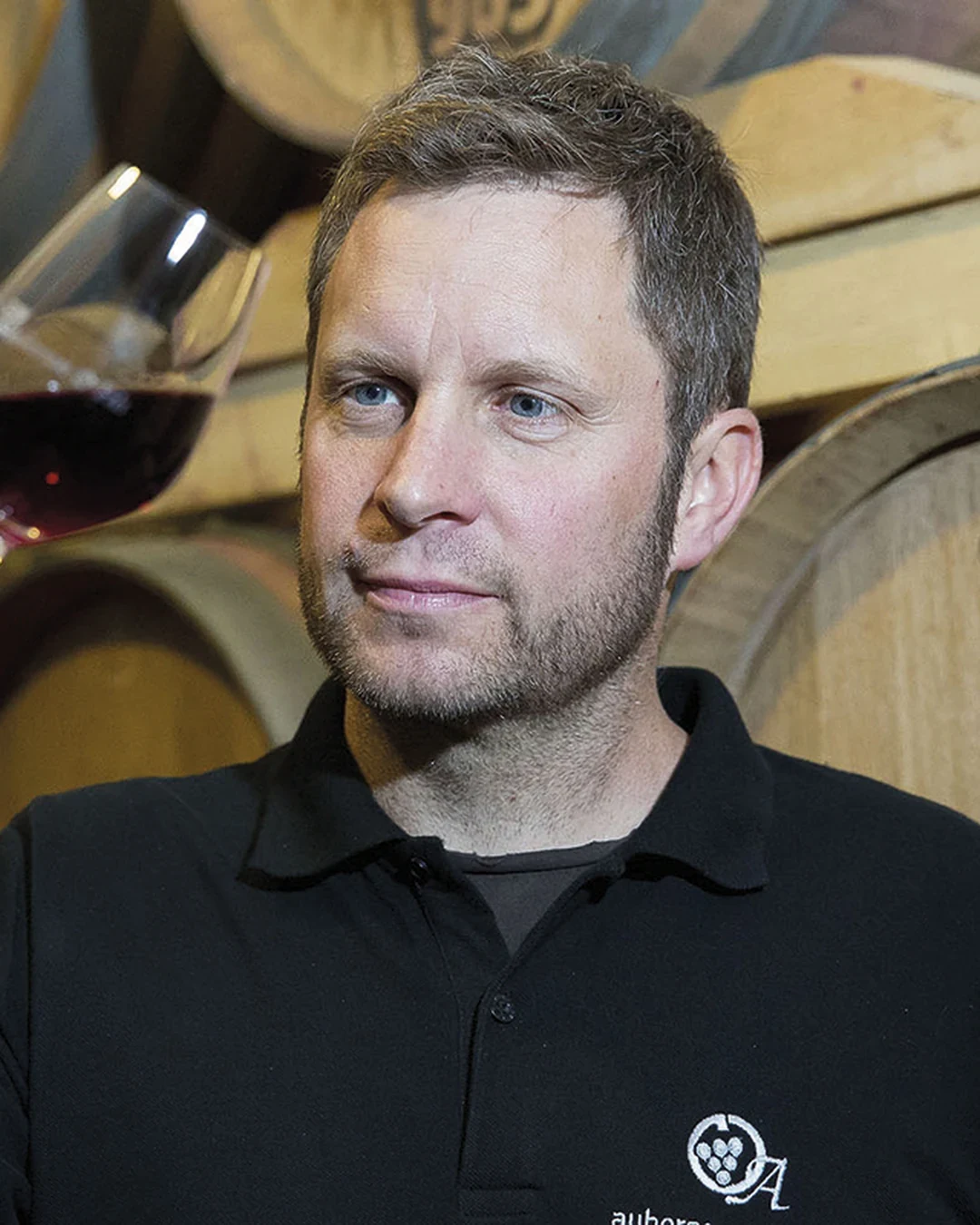
Made By profiles Claude Auberson (Winemaker) and Michel Auberson (Winemaker) at Domaine Frôté.
How expensive is Domaine Frôté?
Domaine Frôté is listed at a price level of $$$.
The field
How it compares
| Place | Notes |
|---|---|
| Domaine Frôté | La Neuveville, $$$ |
| Chateau Petrus | Pomerol |
| Château Rieussec | Fargues |
| Château Suduiraut | Preignac |
| Domaine Armand Rousseau | Gevrey-Chambertin |
| Domaine Dujac | Morey-Saint-Denis |
| Scarecrow | Napa |