Old vines, cement and natural yeasts
- Falstaff Winery - 4 Stars · 2026
Natural yeasts in cement and wood
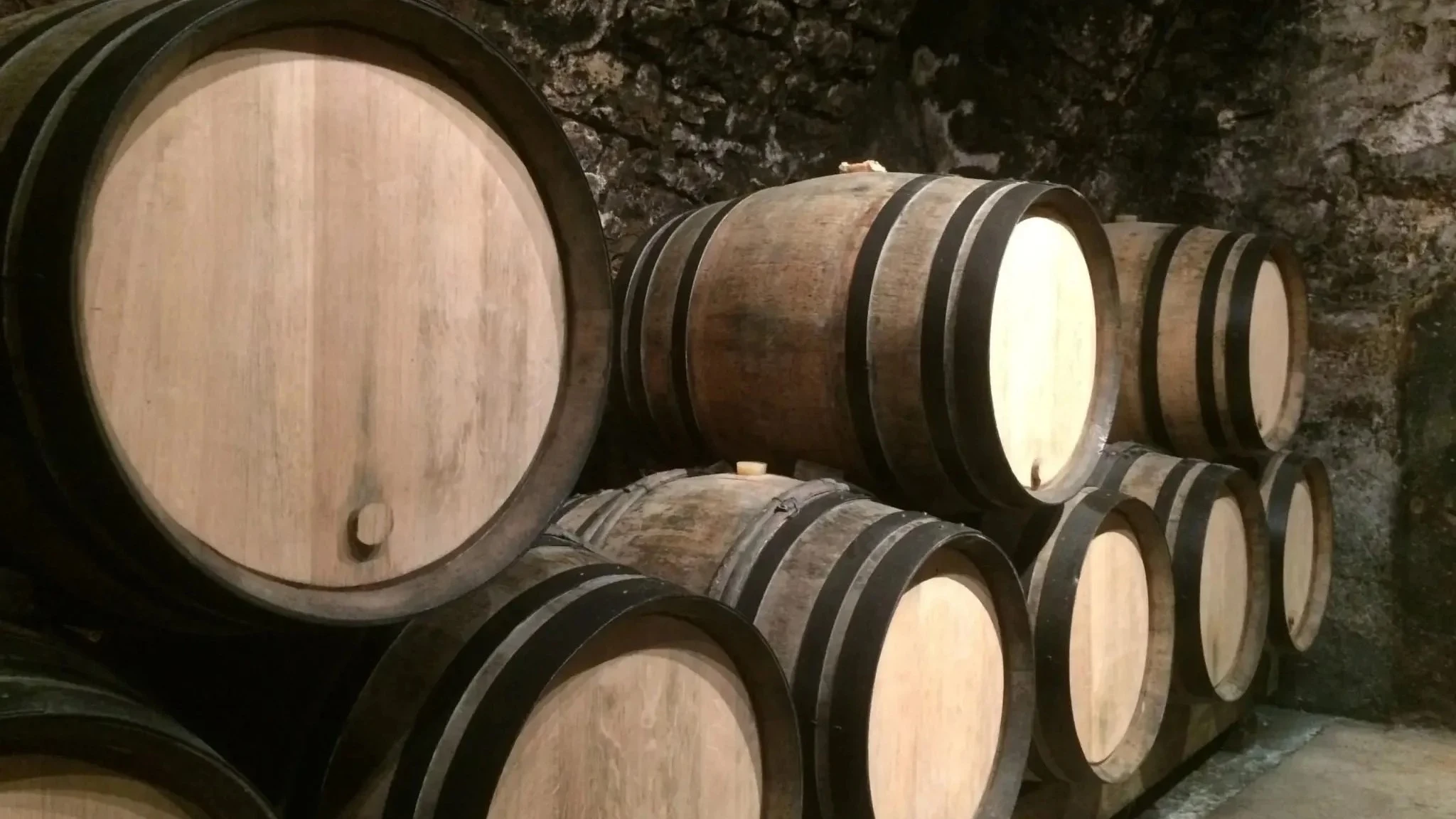
The cellar work stays close to cement tanks, old foudres and wooden fermenters. Lionel Gauby, winemaker at Domaine Gauby in Calce, keeps that discipline at the bench of a family estate founded in 1985. Since 2000, he has held the lead winemaking role here, carrying forward the decision that changed the house: the move away from chemicals after his father found dead birds on a disinfected parcel. Lionel has described the break in plain words: “He decided overnight to stop using chemicals, it was radical.”
That decision still gives the estate its shape. Domaine Gauby works in the hills around Calce, near the Catalan border, from about 85 hectares in all, with around 45 hectares of vines. The role is not presented as reinvention for its own sake. It is stewardship of old parcels, limestone-rich ground, and a Roussillon style that prefers lift to weight. Lionel’s signature bottlings, La Muntada, Les Calcinaires Blanc and Muntada Rouge, keep returning to the same question: how much can the hand remove before the place speaks more clearly.
Old vines on limestone, marl and schist
The vineyard program is biodynamic, dry-farmed and estate-grown. The vines range from 15 to 120 years old, depending on the cuvée, planted across limestone, marl, schist, clay and round stones in the hills of the Eastern Pyrenees. Carignan, Grenache Noir, Syrah and Mourvèdre carry much of the red work; Macabeu, Grenache Gris, Grenache Blanc, Vermentino, Chardonnay and Muscat sit in the white program.
In the cellar, the method is intentionally narrow. The estate works with natural yeasts and avoids chaptalization, acidification, fining and filtration. It does not use stainless steel for fermentation or storage, favoring cement and wood instead. Les Calcinaires Rouge ages in concrete tanks. Muntada and Vieilles Vignes Rouge move through foudres and barrels. The white side follows the same sense of fit: Les Calcinaires Blanc comes from clay and limestone, while Coume Gineste Blanc and Vieilles Vignes Blanc are tied to older vines and longer élevage in wood. The house produces roughly 80,000 bottles annually, a medium scale with a cellar logic that still reads parcel by parcel.
The quiet of Calce
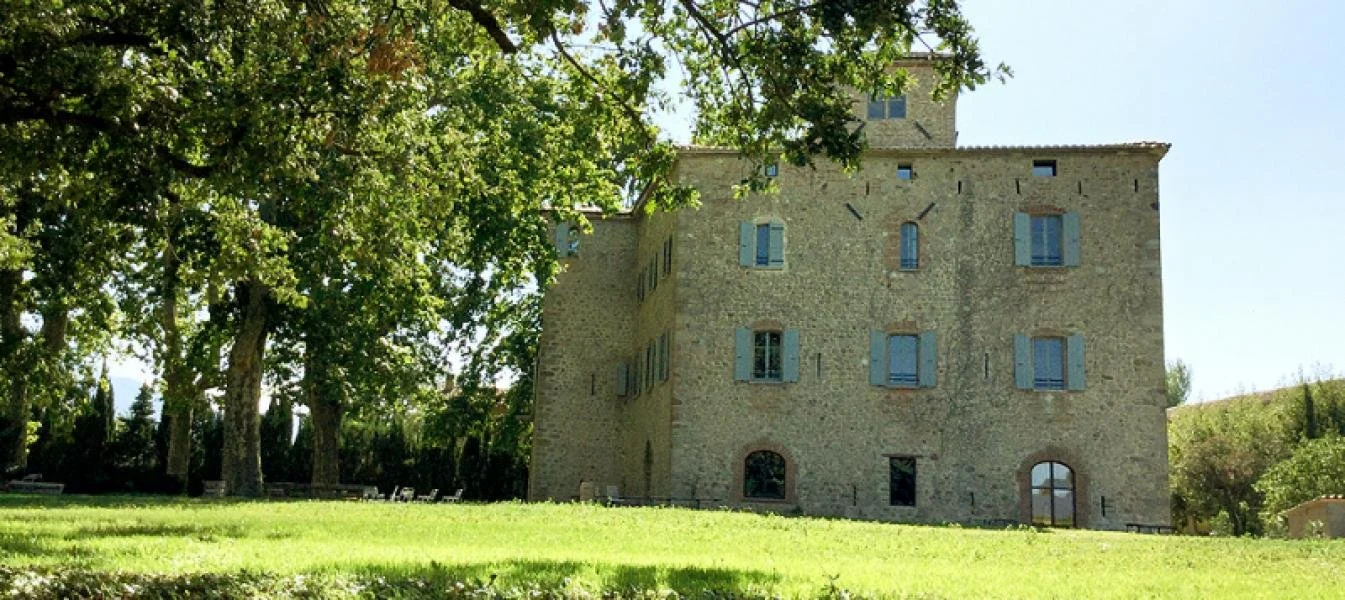
The estate sits outside the small village of Calce, about 20 km northwest of Perpignan, in a fold of meadows, oak forest and garrigue. The place has the quiet of vineyard work rather than display. In the tasting room, the conversation tends to return to soils: calcaire, schist, clay, marl. Outside, the hills explain why the wines can be Mediterranean without feeling heavy.
There is little gloss in the room, and that suits the craft. The cellar’s materials are direct, the vineyards close, the bottles named for the land rather than for effect. Biodynamics here is not a decorative claim; the family has worked through the method for 17–18 years. The glass narrows the place to one clear marker: Les Calcinaires Blanc from clay and limestone in Calce.
Questions
Frequently asked
Who leads winemaking at Domaine Gauby?
Lionel Gauby has held the lead winemaking role at Domaine Gauby since 2000.
What kind of winemaking does Domaine Gauby use?
The estate works with natural yeasts, biodynamic and dry-farmed vineyards, and avoids chaptalization, acidification, fining and filtration. It does not use stainless steel for fermentation or storage, preferring cement and wood instead.
What is Domaine Gauby known for?
Domaine Gauby is known for old vines, limestone-rich ground and a Roussillon style that aims for lift rather than weight. Signature bottlings include La Muntada, Les Calcinaires Blanc and Muntada Rouge.
How should a visit be arranged?
Visits are by appointment only.
The field
How it compares
| Place | Notes | Awards |
|---|---|---|
| Domaine Gauby | Calce, $$$ | · |
| Castello Banfi | Montalcino | World's 50 Best |
| Château d'Yquem | Sauternes | World's 50 Best |
| Château Léoville Barton | Saint-Julien-Beychevelle | · |
| Château Rayas | Châteauneuf-du-Pape | · |
| Domaine de l’Horizon | Calce | · |
| Domaine François Raveneau | Chablis | · |