Domaine Grand'Cour
- 01CitySatigny, France
Native yeasts, parcels, Geneva soils
- Falstaff Winery - 4 Stars · 2026
Several passes through the rows
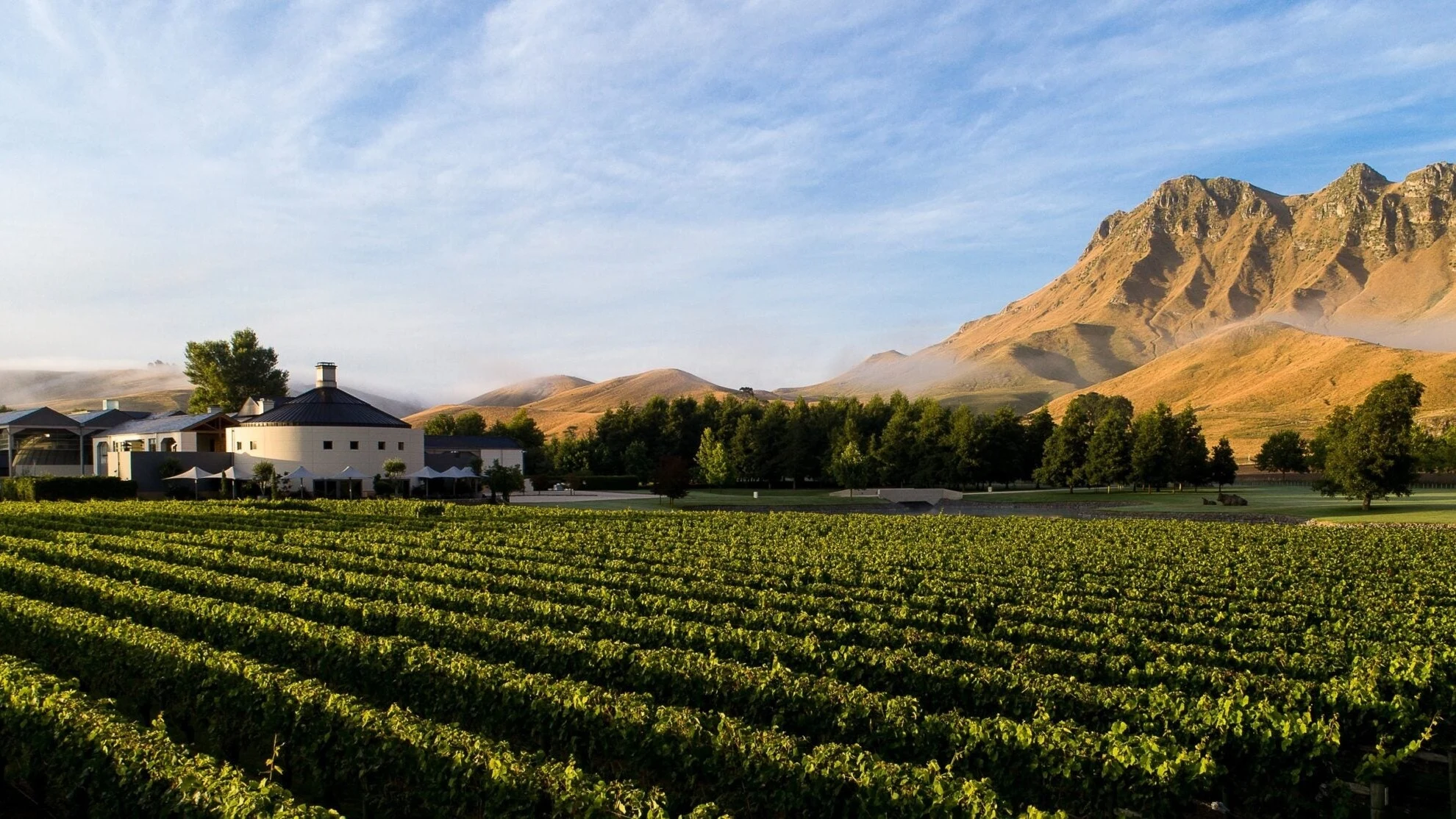
The weeds are cut, the ground is mown, and Jean-Pierre Pellegrin, winemaker at Domaine Grand'Cour in Satigny, keeps the topsoil as quiet as he can. His discipline begins before the cellar, in the Pessy district, where the family farmstead has become an estate winery without losing the scale of a working place. Pellegrin is the fifth generation of his family to lead the business. He studied archaeology before returning to the domaine in 1989, and that eye for strata and old ground still informs the way he reads the vineyards. In 1994, he chose to vinify all the wines on site, giving Domaine Grand'Cour its life as a distinct estate-bottled house. The method is organic in practice, with natural products in the soils and rows, no chemical inputs, and a preference for restraint over correction. Harvest is manual and made in several passes, parcel by parcel, so ripeness is not treated as a single date. The house nickname, l'horloger du vin, the watchmaker of wine, fits less because of polish than because of calibration. Pellegrin's work depends on timing, pressure, and knowing when not to touch.
A cellar for parcels, not recipes
The domaine works within AOC Genève, farming vineyards between 425 and 500 meters above sea level on Jurassic soils with calcareous components. Pellegrin manages 44 hectares in all, with 14 hectares owned and 30 hectares leased, and cultivates around 25 grape varieties. Pinot Noir, Cabernet Franc, Cabernet Sauvignon, Merlot, Gamaret, Auxerrois, Chardonnay, Sauvignon Blanc, Kerner, Riesling, and Viognier all have a place in the program. The diversity asks for separate decisions, not a fixed cellar script. Many cuvées ferment with indigenous yeasts, while simpler wines may use selected yeasts. Reds are handled for fine tannin, structure, and freshness; whites can move through tanks, amphorae, or barrels, depending on what the fruit needs. Grand'Cour Blanc, a blend of Sauvignon Blanc, Riesling, and Kerner, is sometimes raised in amphorae for texture without oak weight. Grand'Cour Rouge brings Cabernet Franc, Cabernet Sauvignon, Merlot, and possibly Gamaret into a Bordeaux-style frame shaped by Geneva fruit. Pinot Noir «P» sits closer to the nerve of the place, asking for sensitivity at every step.
The farmstead and the chai
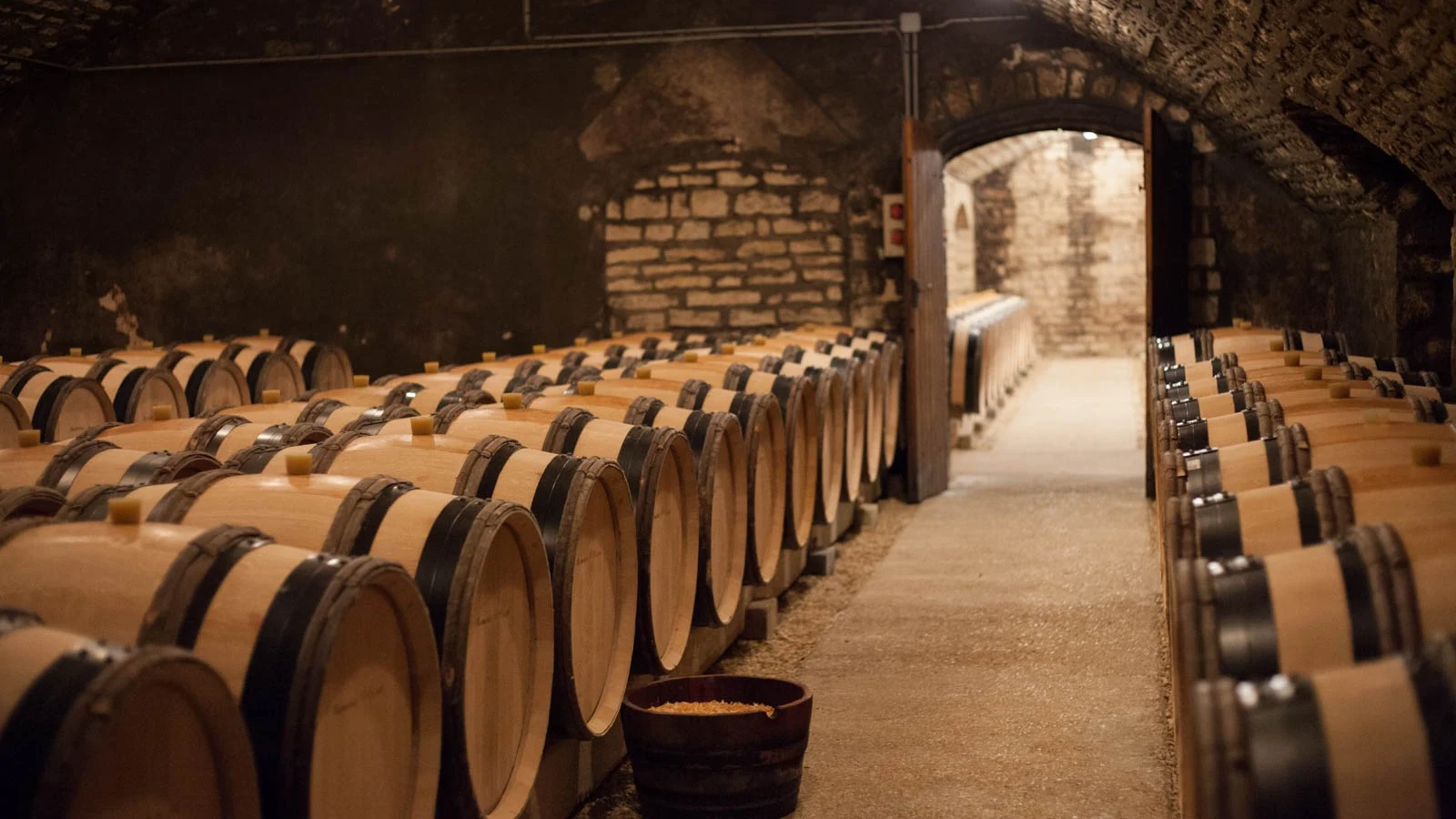
The cellar sits inside a converted 17th-century farmstead in Pessy, restored for winemaking but still carrying the proportion of old agricultural architecture. The setting is quiet, more chai than salon, with the work gathered around vessels, parcels, and the slow movement from fruit to élevage. Stainless steel, amphorae, Burgundian barriques, and Bordeaux-style barrels give Pellegrin different ways to hold a wine without forcing it into one register. The room reads as precise rather than theatrical. In a region often spoken of after Valais or Burgundy, the estate keeps its argument local: Geneva soils, Geneva varieties, Geneva timing. The craft is not to make the cellar visible in the glass. It is to leave enough of the vineyard intact for Grand'Cour Blanc to keep its line.
Questions
Frequently asked
Who makes the wines at Domaine Grand'Cour?
Jean-Pierre Pellegrin is the winemaker at Domaine Grand'Cour. He is the fifth generation of his family to lead the business, and he returned to the domaine in 1989 after studying archaeology.
What kind of winery is Domaine Grand'Cour?
It is an estate winery in Pessy, Satigny, with the cellar set inside a converted 17th-century farmstead. The place is still tied to working agricultural architecture rather than a showroom setting.
What is the style of farming and winemaking there?
The domaine works organically in practice, with natural products in the soils and rows and no chemical inputs. Harvest is manual and made in several passes parcel by parcel, and many cuvées ferment with indigenous yeasts.
What is Domaine Grand'Cour known for?
It is known for parcel-led wines shaped by Geneva fruit, including Grand'Cour Blanc, Grand'Cour Rouge, and Pinot Noir «P». The estate works with around 25 grape varieties across vineyards between 425 and 500 meters above sea level on Jurassic soils with calcareous components.
Do visits need to be booked in advance?
Yes. Domaine Grand'Cour takes visits by appointment only.
The field
How it compares
| Place | Notes | Awards |
|---|---|---|
| Domaine Grand'Cour | Pessy, $$ | · |
| Château Pape Clement | Pessac | World's 50 Best |
| Chateau Petrus | Pomerol | · |
| Château Pontet-Canet | Pauillac | · |
| Cloudy Bay Vineyards | Blenheim | World's 50 Best |
| Craggy Range | Hastings | World's 50 Best |
| Domaine de la Romanée-Conti | Vosne-Romanée | · |