- Falstaff Winery - Listed · 2026
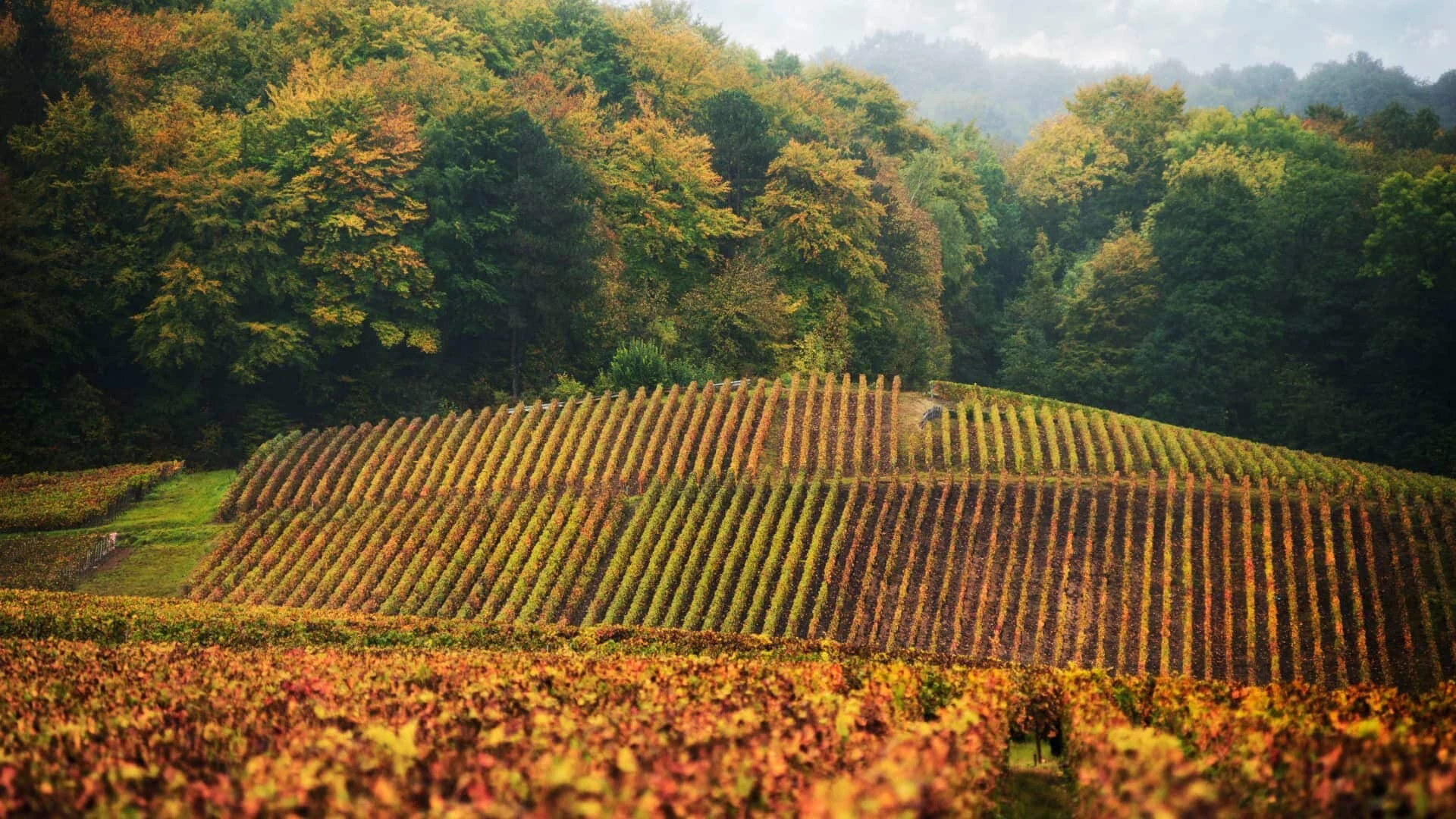
Saint Just Sur Dive gives this Loire estate a quiet, rural frame. Domaine Guiberteau is best understood through serious, low-intervention winemaking rather than hospitality theatrics: organic farming, precise Saumur Chenin Blanc, and Cabernet Franc with high-acidity structure. The point is not to treat it as a venue defined by a large public-facing program, but as a wine address whose interest comes from focus, restraint, and a clear sense of place.
For readers mapping the area, use Domaine Guiberteau as the anchor point, then plan the rest of a Saint Just Sur Dive visit around other local dining, lodging, bars, and experiences as needed. It works well in an itinerary as a serious reference point for Saumur wine, with the surrounding village and countryside providing the quieter context rather than a list of built-in extras.
Saumur through Chenin Blanc and Cabernet Franc
Domaine Guiberteau’s identity is tightly focused: an organic-farmed Loire estate in Saint Just Sur Dive producing Saumur Chenin Blanc and Cabernet Franc. The appeal is not a broad hospitality concept or a staged visitor experience, but the clarity and tension of the wines themselves. That clarity matters because both grapes are presented here through a disciplined Saumur lens, with Chenin Blanc and Cabernet Franc understood less as generic Loire categories and more as vehicles for acidity, structure, and precision.
The useful way to read the domaine is through restraint. Expect a classic, rustic, scenic setting and a wine style described by precision, acidity, and a serious low-intervention approach. In practical terms, that means the estate’s character is framed by what is not being exaggerated: no need for spectacle, no reliance on hospitality gloss, and no attempt to soften the core identity into something broader than the wines and the farming behind them.
That narrow focus is part of the draw. Domaine Guiberteau is for travelers and collectors who are looking for a rural Saumur reference point, not for a hospitality-heavy venue built around spectacle. Its interest is concentrated rather than expansive, which makes it especially relevant for visitors who already care about Loire Chenin Blanc, Cabernet Franc, and the way organic farming and a low-intervention sensibility can shape the feel of a serious estate.
Organic farming and a serious rural atmosphere
The strongest confirmed point about Domaine Guiberteau is its organic farming. In the context of Loire wine travel, that matters because the estate’s reputation rests on farming and precision rather than on an elaborate visitor format. Organic farming is not presented here as a marketing flourish; it is one of the basic facts through which the domaine should be understood, alongside its Saumur identity and its focus on Chenin Blanc and Cabernet Franc.
The atmosphere is classic and rustic, with a scenic rural feel. It is better described as a serious wine estate than as a polished entertainment venue. That distinction is useful for setting expectations: the setting may be quiet and appealing, but the appeal comes from rural seriousness rather than from a designed experience layered on top of the wine. Any planning should therefore stay flexible unless details are confirmed directly with the estate.
Price level is listed as $$$. Read that simply as a general indicator rather than as a substitute for confirming practical details, especially because the most dependable information here concerns the estate’s farming, wines, and atmosphere rather than a detailed hospitality structure.
How to read Domaine Guiberteau before the visit
Approach Domaine Guiberteau as a focused Saumur producer: organic-farmed Loire wines, high-acidity Chenin Blanc, Cabernet Franc, and a low-intervention sensibility. Those are the reliable anchors for understanding the domaine. They also help keep expectations properly calibrated: this is a place to think about farming, acidity, structure, and restraint before thinking about amenities or a broad venue concept.
Because public detail is limited here, avoid building a visit around unconfirmed specifics such as exact cellar practices, vineyard holdings, ratings, individual wine scores, or hospitality arrangements. The safest planning move is to treat the estate as a serious rural wine address in Saint Just Sur Dive and confirm practical details directly before going. That approach protects the visit from assumptions and keeps the focus on what is actually established: organic farming, Saumur Chenin Blanc and Cabernet Franc, and a classic rural setting.
For comparison, keep the focus on Domaine Guiberteau itself or on other dining and wine options in Saint Just Sur Dive described generically, without assuming they share the same style, access, or price level. The estate’s value on an itinerary is as a concentrated Loire reference point, and the rest of the plan can be built around it without forcing unrelated venues or experiences into the same category.
Questions
Frequently asked
Who works at Domaine Guiberteau?
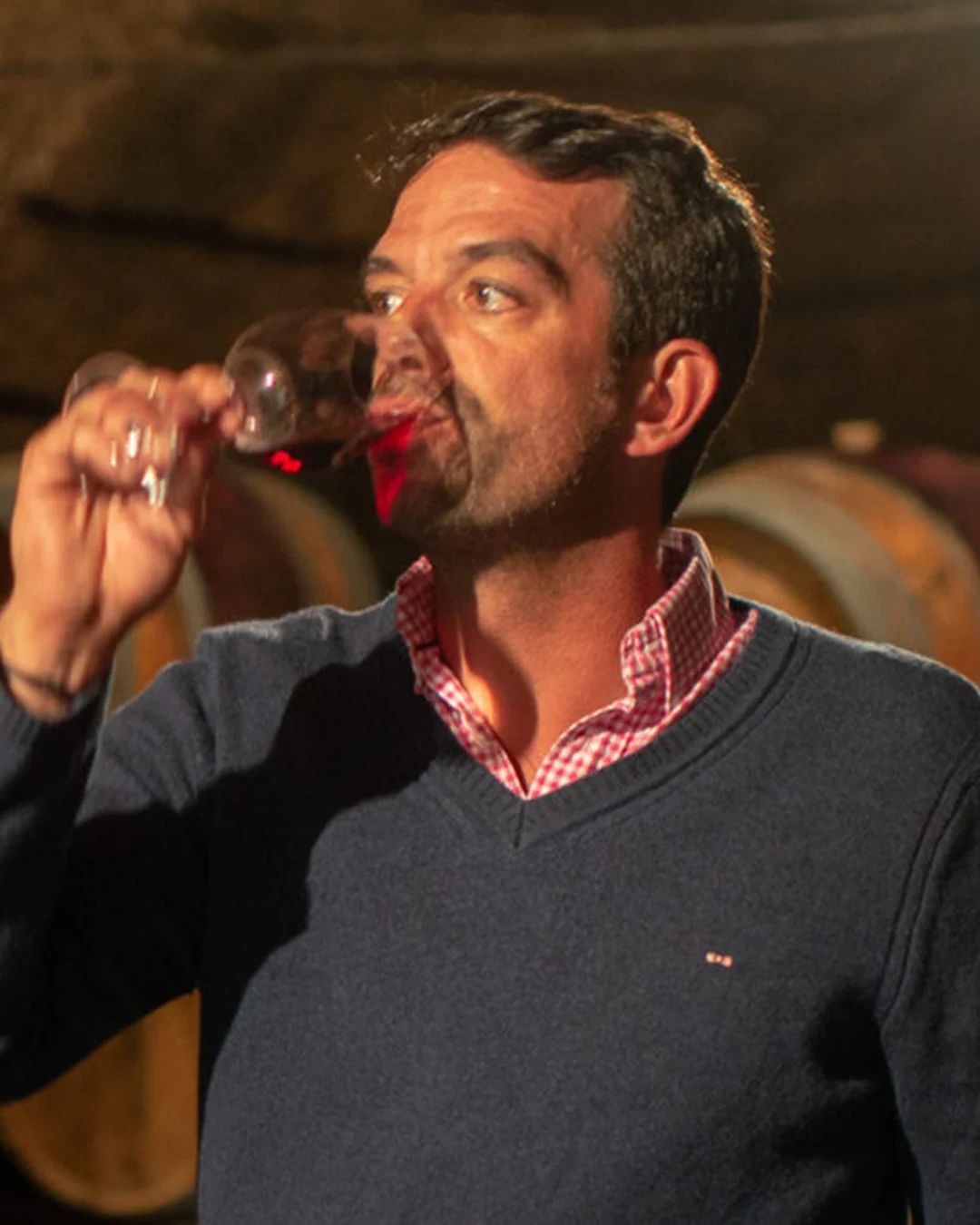
Made By profiles Romain Guiberteau (Winemaker) at Domaine Guiberteau.
How expensive is Domaine Guiberteau?
Domaine Guiberteau is listed at a price level of $$$.
The field
How it compares
| Place | Notes | Awards |
|---|---|---|
| Domaine Guiberteau | Saint-Just-sur-Dive, $$$ | · |
| Château Lynch-Bages | Pauillac | · |
| Cloudy Bay Vineyards | Blenheim | World's 50 Best |
| Domaine Arnaud Lambert | Saint Just Sur Dive | · |
| Domaine Dujac | Morey-Saint-Denis | · |
| Giacomo Conterno | Monforte d'Alba | · |
| Ruinart | Reims | World's 50 Best |